
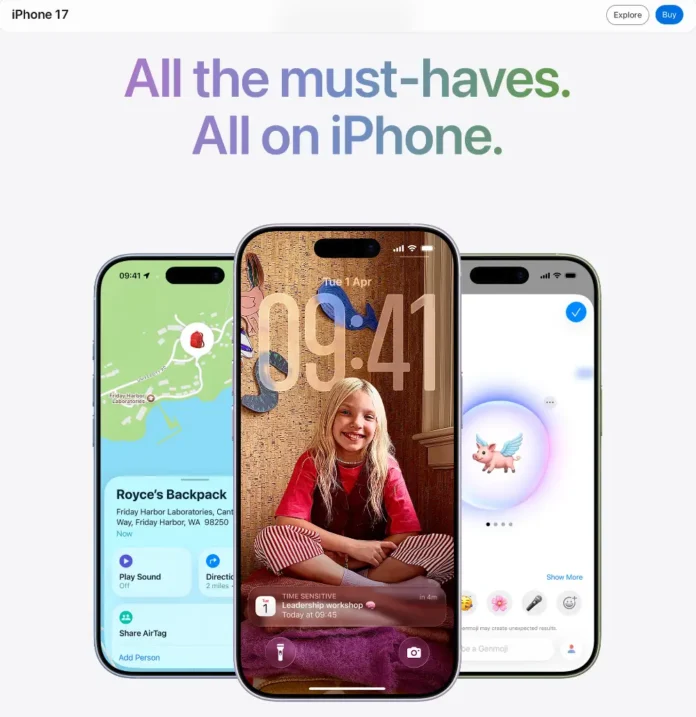
Apple CEO Tim Cook described his company’s recent surge in iPhone sales as “simply staggering” on Thursday. Analysts are exploring several theories to explain the iPhone 17 family’s successful debut.
The company exceeded Wall Street’s expectations in the most recent quarter, generating a total revenue of $143.76 billion. This included a 23% year-on-year increase in sales of its iconic smartphone. Cook praised the quarter, stating it was “fantastic” for the iPhone with an all-time revenue record of $85.3 billion. He highlighted the iPhone lineup as the strongest and most popular ever, noting the extraordinary customer enthusiasm throughout the quarter.
While Apple’s strong results suggest customers aren’t necessarily abandoning their older smartphones for years, a trend facilitated by the tech’s increasing durability, a September report by CIRP reveals a different picture. CIRP, which tracks iPhone buyer data through customer surveys, found that nearly half of U.S. iPhone users now keep their smartphones for three years or longer. This is a significant increase from 24% just five years ago, according to analyst Josh Lowitz, a partner and co-founder at Consumer Intelligence Research Partners.
Lowitz suggests that the increased iPhone revenue at the end of 2025 is likely due to factors such as Apple’s updated pricing strategies and the backlogged demand from customers who last purchased new iPhones during the Covid-19 pandemic.
Lowitz explains that sales were exceptionally strong during the pandemic due to reduced spending on restaurants and travel, resulting in a surge in disposable income. Consequently, the pandemic phone buyers now own 4-plus-year-old phones, which were simply “due” for upgrades. This upgrade surge contributed to the increased demand, he says.
Wedbush analyst Dan Ives agrees, noting that the iPhone 17 upgrade cycle has been surprisingly slow. This is partly because of the “pent-up demand” from an estimated 315 million iPhone users worldwide who hadn’t upgraded their smartphones in over four years, according to Wedbush’s estimates.
Lowitz elaborates on Apple’s pricing strategies, highlighting the company’s decision to streamline its offerings by discontinuing models older than the iPhone 16 line. Shoppers often prefer the middle-ground option when faced with multiple choices, and by limiting options, Apple effectively positioned the standard iPhone 17 as that middle choice.
Furthermore, the iPhone 17 Pro and Pro Max weren’t prohibitively expensive compared to the standard iPhone 17, which discouraged customers from splurging, Lowitz says. Apple’s latest premium-priced Pro and Pro Max smartphones accounted for 52% of U.S. iPhone sales during the most recent quarter, according to CIRP’s estimate.
Lowitz also notes that the phones themselves have received largely positive reviews and are well-regarded by consumers as high-quality technology.

