
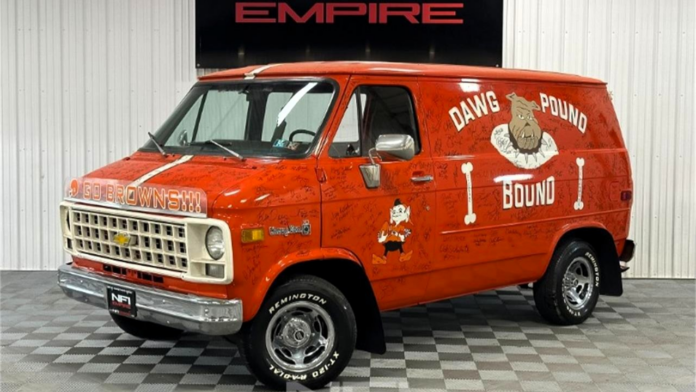
When the muscle car segment began to fracture due to demographic changes, insurance and, arguably, a bit of government overreach, enthusiasts and would-be enthusiasts found other ways to live the automotive lifestyle. Our Pick of the Day is a reflection of one of the trends of the 1970s that can bring as much a smile to your face as horsepower did a few years previously. This 1982 Chevrolet G10 van is listed for sale on ClassicCars.com by a private seller in North East, Pennsylvania.
In the early days of the muscle car era, horsepower was sometimes fudged to get the cars in better racing classes. As a result, NHRA and IHRA refactored vehicles based on the actual output they felt the engines actually produced. However, by 1969, an 800-pound gorilla showed up, wrapped in the sash of the insurance industry. Each insurance company was different, but it was not unheard of to receive a surcharge simply for having a four-speed manual transmission — even if the engine was a two-barrel small-block.
Then, the federal government imposed regulations to phase out leaded fuel. Lead had served as both a lubricant and octane booster, but lead in the atmosphere led to lowered IQ, damage to the brain and nervous system, learning difficulties, slowed growth, hearing problems, and headaches — and that was for children alone. Without lead, high-compression engines would suffer running on fuel with lower octane ratings, so the government implemented a plan to force the industry to use low-lead and unleaded fuel. As a result, manufacturers were required to lower the compression of their engines starting with the 1972 model year. General Motors famously started this in 1971, with Ford Motor Company and Chrysler Corporation waiting for the mandate for most engines (the 351 Cobra Jet and 383, respectively, were notable exceptions).
And then came the custom vans to join the enthusiast world, nicely integrating with the high-performance cars, hot rods and customs, trucks, and more that were already popular. The cover of the August 1973 issue of Hot Rod magazine proclaimed a special section on “Trucks ‘n Vans.” The following February, there was “More Trucks ‘n Vans” including coverage of the first West Coast Van Nationals. Sure, much of the 1970s is often regarded with derision by enthusiasts, but the paradigm shift was in force, and fun continued to be had.
Nonetheless, custom vans were more of a flash in the pan compared to other types of vehicles. By the end of the 1970s, custom vans were less of a thing. Why? Some theories I’ll throw out there include the rising high-performance scene (think Bandit Trans Ams and, several years later, new F-bodies, C4 Corvette, 5.0 Mustangs, and Turbo Buicks), increased collectability of vintage muscle cars, and just a general evolution — the same evolution that happened to bring vans in the consciousness of enthusiasts in the first place.
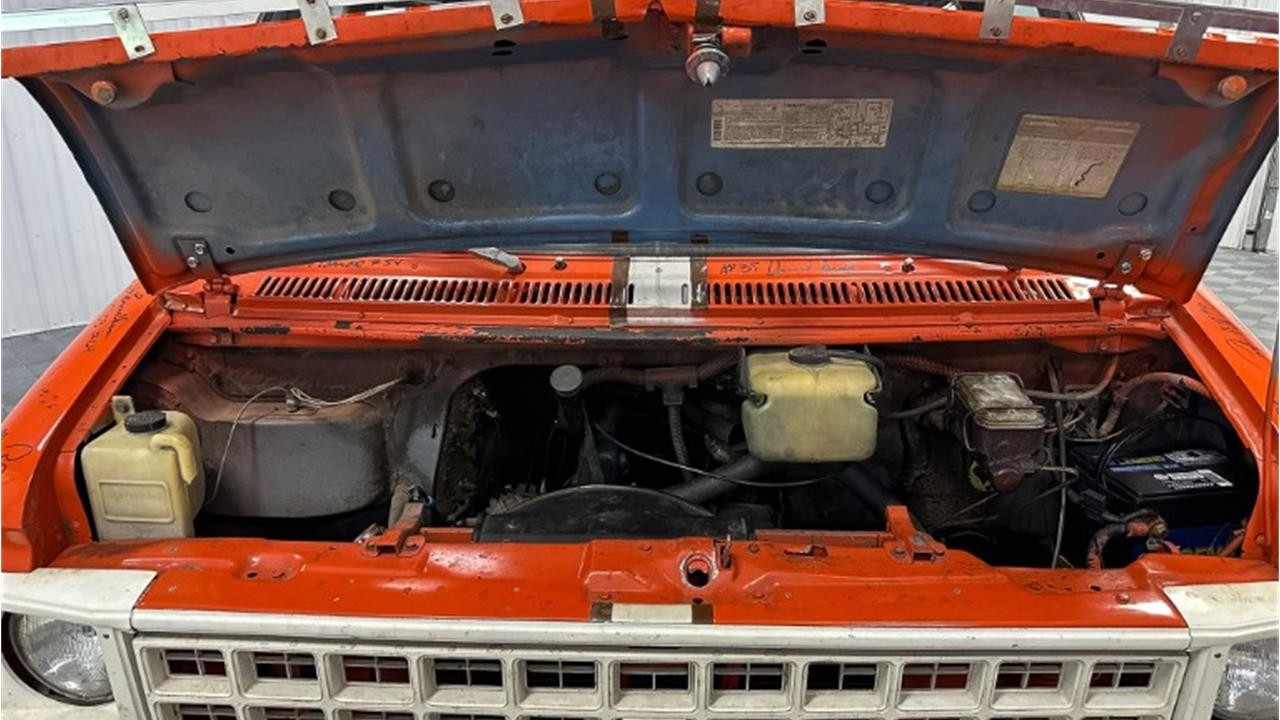
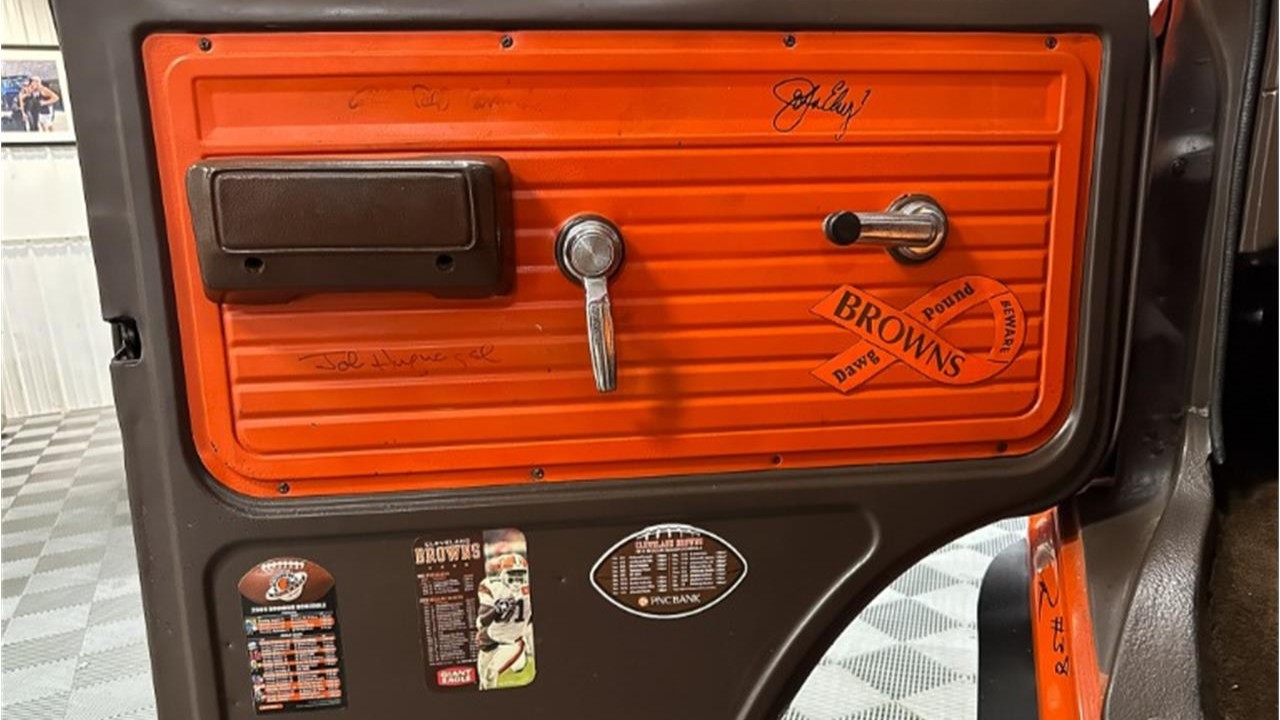
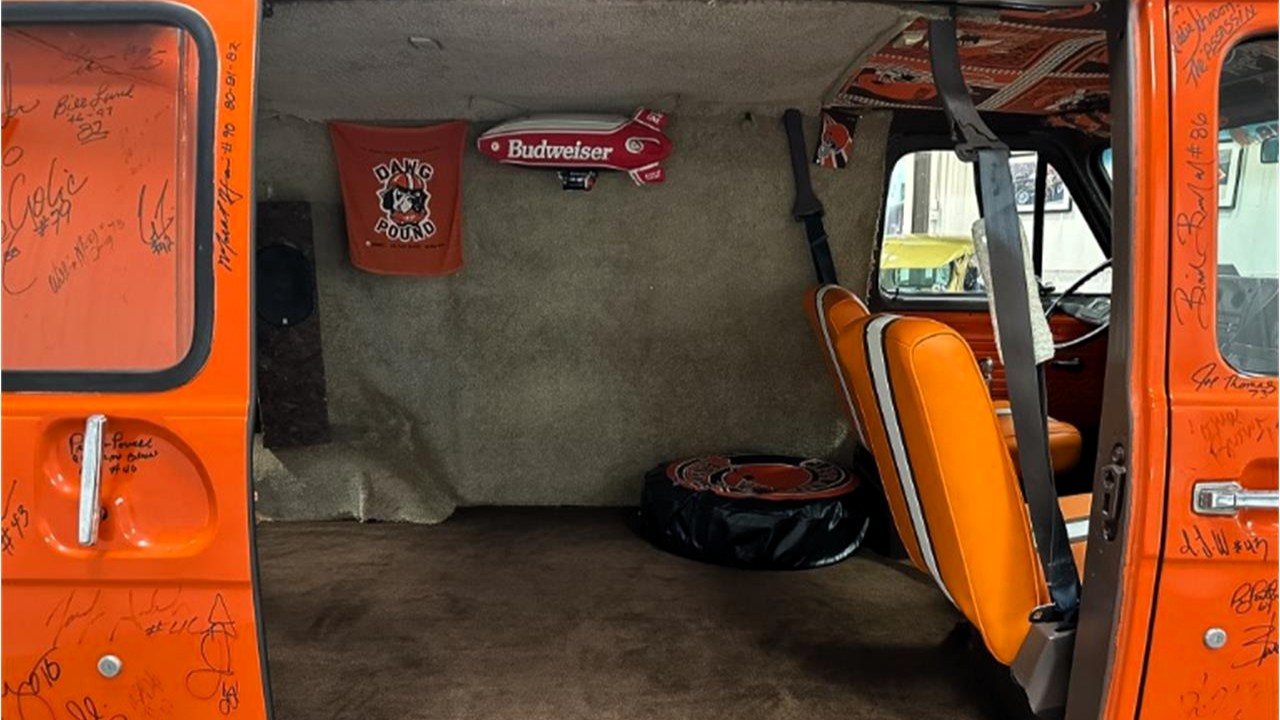
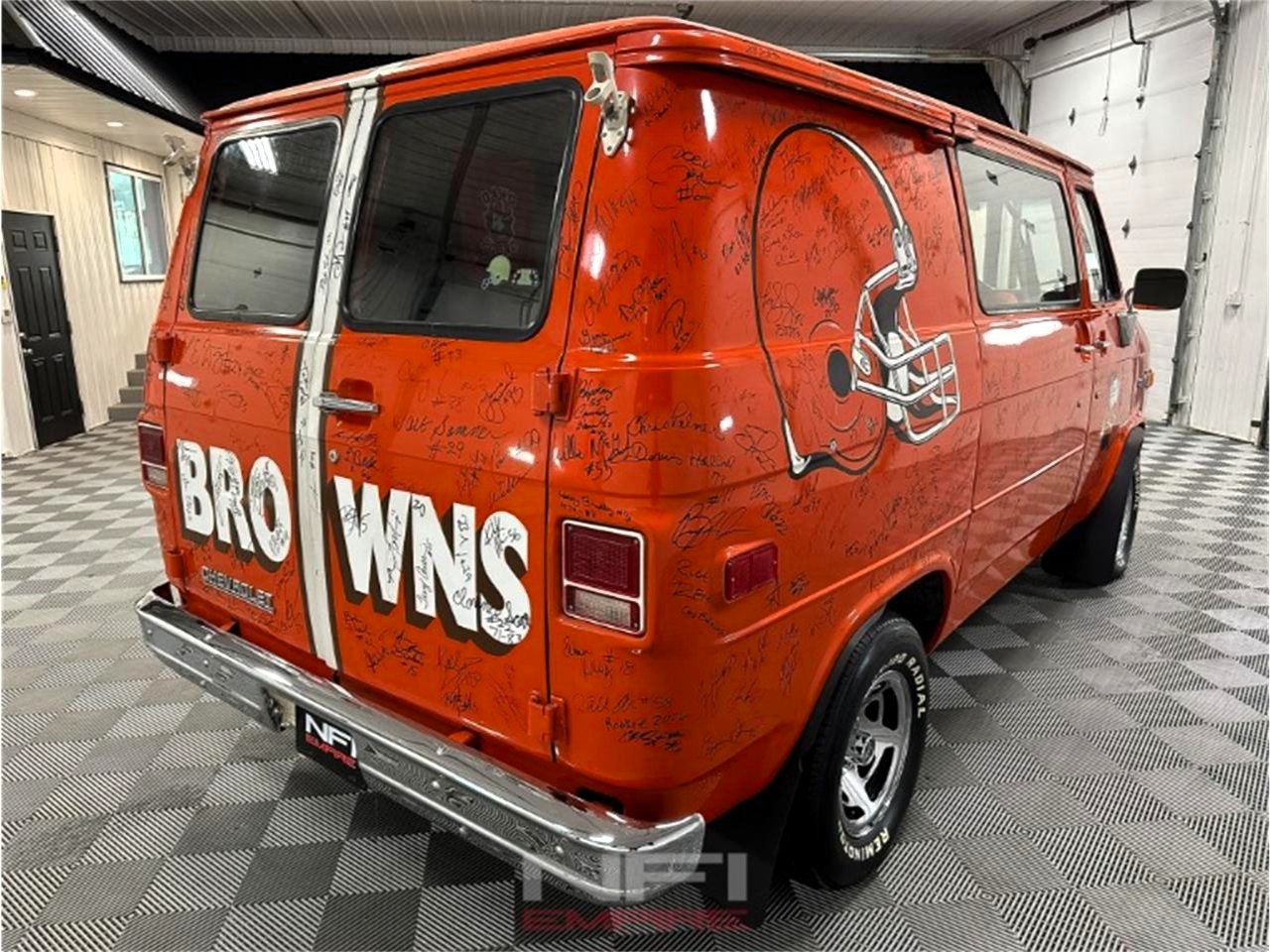
The custom van spirit is demonstrated by this 1982 Chevrolet G10 van. As the lightest-duty van in the Chevrolet roster, it was available in 110- or 125-inch wheelbase. This one appears to be the former, a Chevy Van for the working man (and woman) versus the consumer-friendly Sport Van suited for families and comfort. In addition, this van features the standard powertrain configuration: a 120-horsepower 4.1-liter V-6 backed by a three-speed on the column. Yet the attraction to this vehicle is a bit more profound because this van has been transformed into the spirit of the 1970s — it’s now the Dawg Pound-bound van dedicated to the Cleveland Browns football team. In case you’re not in-the-know, the Dawg Pound is a fan section of Huntington Bank Field where loyalists wear dog masks and bark in support of the team. In addition, the van has been signed by “hundreds” of Cleveland Brown Hall of Famers and team legends (including Jim Brown, natch!).
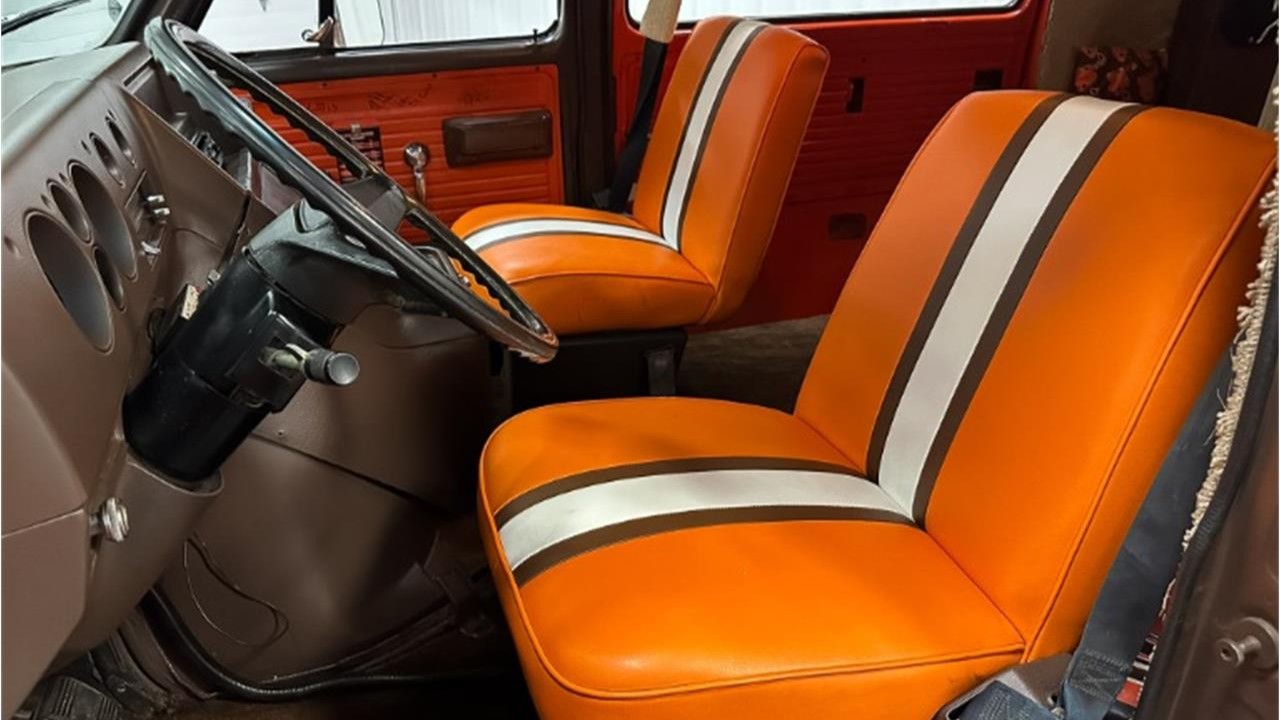
However, to the new owner of this chariot, it’s the interior that really stands out as a rolling tribute to the team. Can you dig those orange seats? What about the PA system for generating dog barks? If you’re an Ohioan, Pennsylvanian, New Yorker, or West Virginian in the region (or are a refugee in another state), we have found the perfect tailgating vehicle for $21,991.
Click here to view this Pick of the Day on ClassicCars.com

