
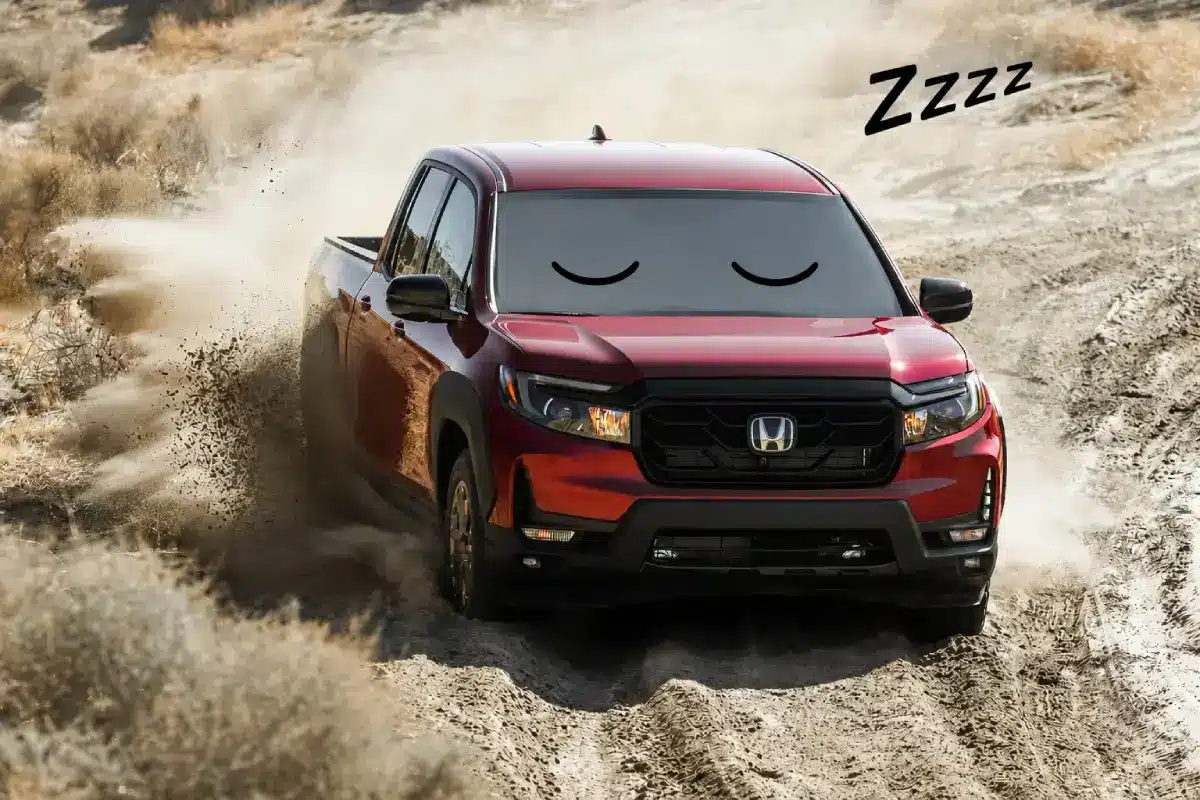
The Honda Ridgeline has always been the oddball in the midsize truck segment thanks to its unibody design and front-wheel drive layout, and now it looks like it may disappear from dealer lots for a while. According to Automotive News, Honda is expected to pause Ridgeline production in the fourth quarter of 2026 because the current truck reportedly will not meet upcoming emissions regulations. The pause could last roughly 18 months, with production expected to restart around the third quarter of 2028.
That does not mean the Ridgeline is dead. Honda has publicly said the Ridgeline remains “an important model” in its lineup and one of its top conquest models, meaning it brings buyers into Honda showrooms who may not otherwise consider the brand. Still, for truck shoppers, this is a big deal because the Ridgeline may go from being a niche alternative to a temporarily unavailable one.
Here are 5 things you should know:
1. The Honda Ridgeline production pause is reportedly emissions-related
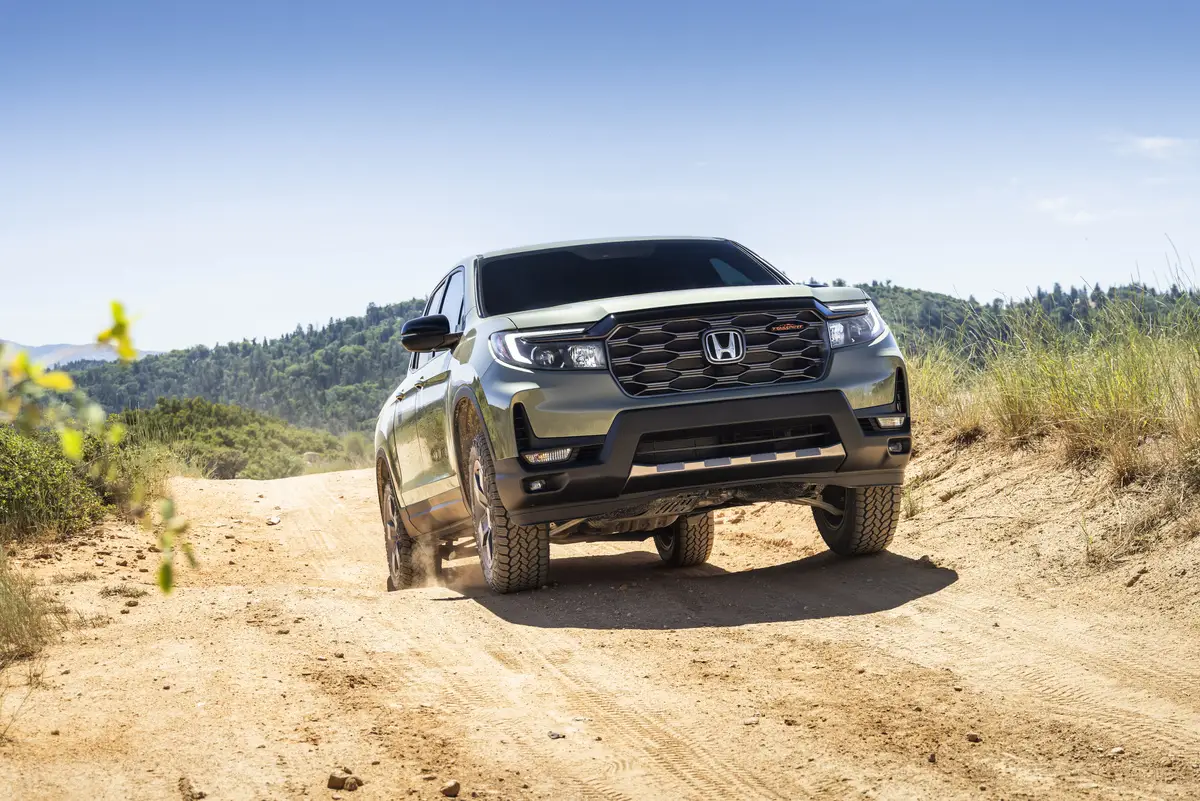
The main reason for the pause appears to be emissions compliance. The Ridgeline currently uses Honda’s older naturally aspirated V-6, and reports say that engine will not meet the next round of emissions rules. The EPA’s newer standards for light-duty vehicles begin phasing in for model years 2027 through 2032, which lines up with the timing of the Ridgeline’s expected production stoppage.
This is important because Honda is not simply choosing to skip a model year for cosmetic reasons. If the report is accurate, the automaker needs time to rework the truck enough to keep it compliant. That likely means powertrain changes are coming before the Ridgeline returns.
2. The current V-6 may be the problem
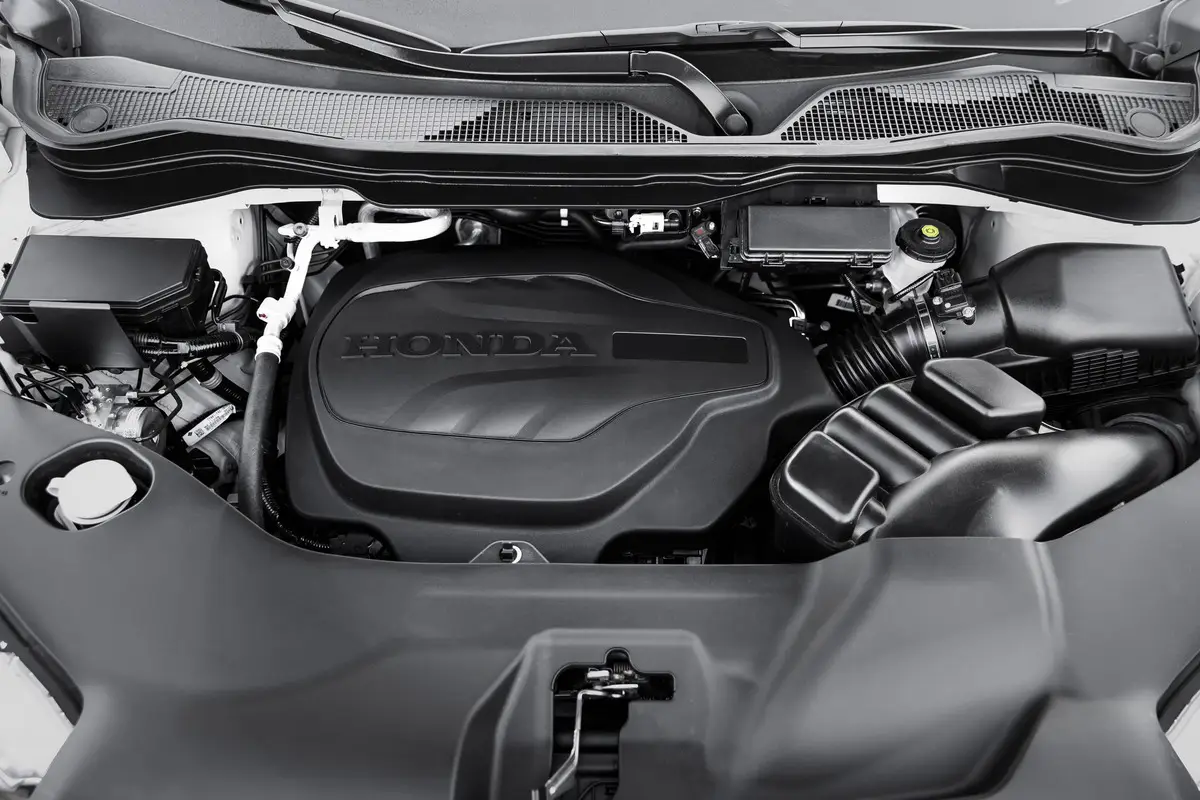
The Ridgeline’s current 3.5-liter V-6 has been one of the truck’s strengths for buyers who like simple, smooth, naturally aspirated power. However, that engine is also older than what Honda uses in some newer models. Car and Driver notesthe Ridgeline still uses an older SOHC V-6 rather than the newer DOHC V-6 found in vehicles like the Honda Pilot and Passport.
That could explain why the Ridgeline is being singled out while other Honda SUVs move forward. The Ridgeline shares a lot of its DNA with Honda’s SUV lineup, but it has not received the same full update cadence. For truck buyers, the takeaway is simple: the Ridgeline’s dependable old-school powertrain may now be the reason Honda has to pause and reset.
3. The Ridgeline is expected to return in 2028, but not as a fully new truck
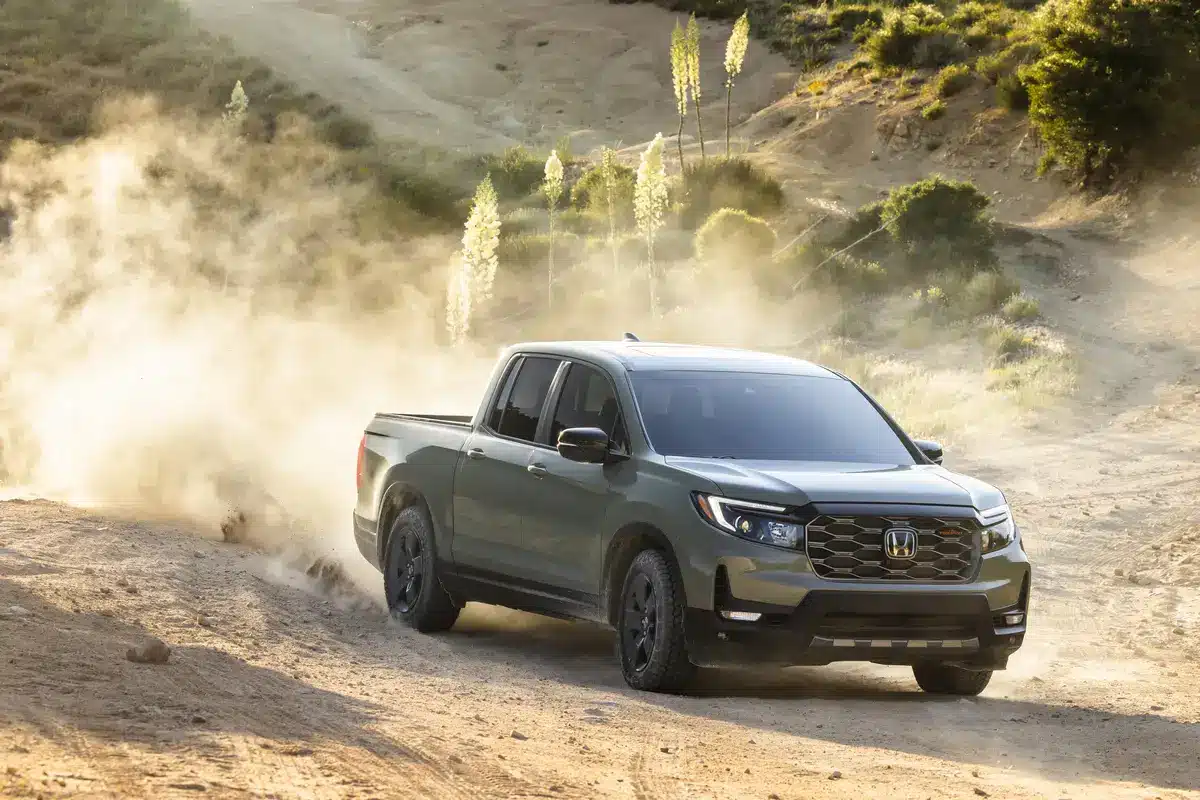
The reported plan is not for an all-new Ridgeline right away. Instead, the truck is expected to return in the second half of 2028 with a heavy refresh. That refresh will likely include styling changes and a newer V-6, but reports indicate it will not be a complete next-generation redesign.
That means Honda may be using the 2028 update as a bridge. The refreshed Ridgeline could keep the current truck alive while Honda works on something more substantial for the next decade. This would make sense for a model that has loyal buyers but does not sell in the same volume as body-on-frame midsize trucks like the Toyota Tacoma, Chevy Colorado, GMC Canyon, Ford Ranger, or Nissan Frontier.
4. A future hybrid Ridgeline may be part of the bigger plan
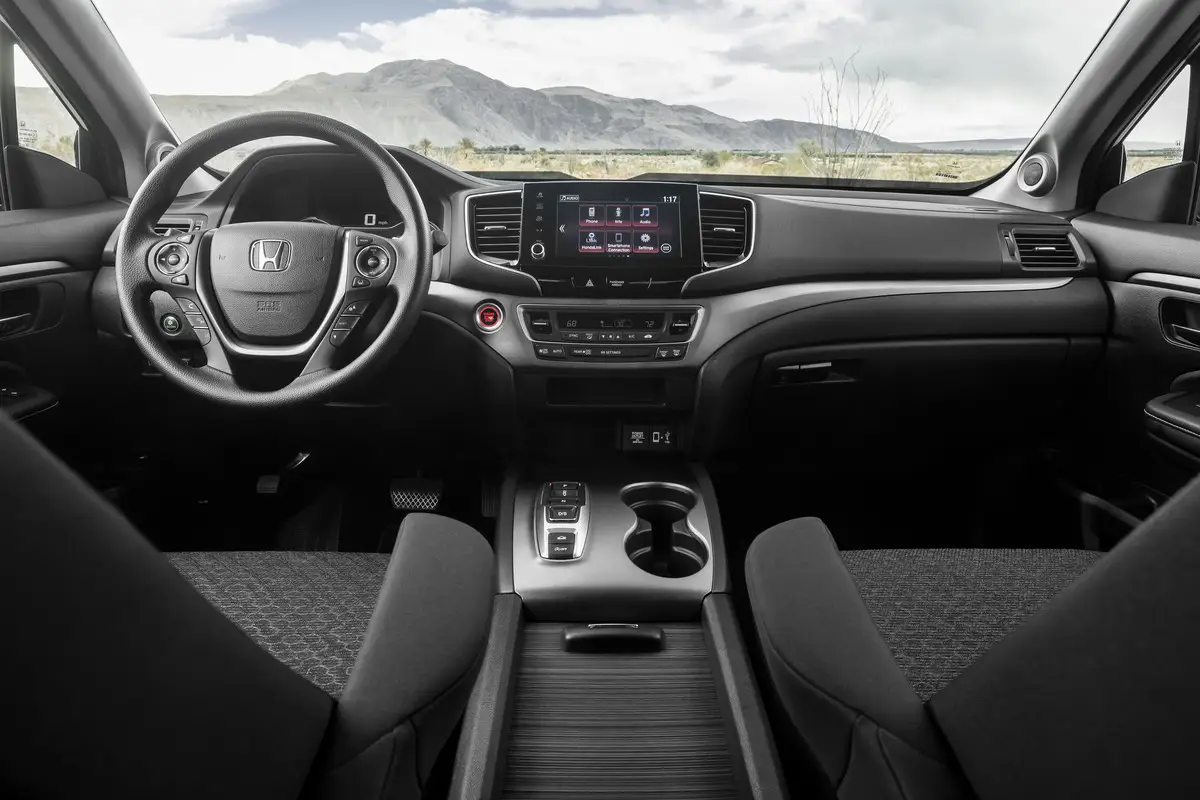
The more interesting part of the report is what may come after the 2028 refresh. Automotive News reportedly points to a next-generation Ridgeline in the early 2030s riding on a new hybrid architecture. If that happens, the Ridgeline could go from being one of the more traditional-feeling Honda products to one of the brand’s more important electrified trucks.
That could actually fit the Ridgeline’s personality well. This has never been the truck for people who want maximum towing, solid axles or a hardcore off-road image. A hybrid Ridgeline with better fuel economy, strong around-town torque, and Honda’s usual daily-driver manners could make a lot of sense for the buyers who already like this truck.
5. This could create a short-term buying rush
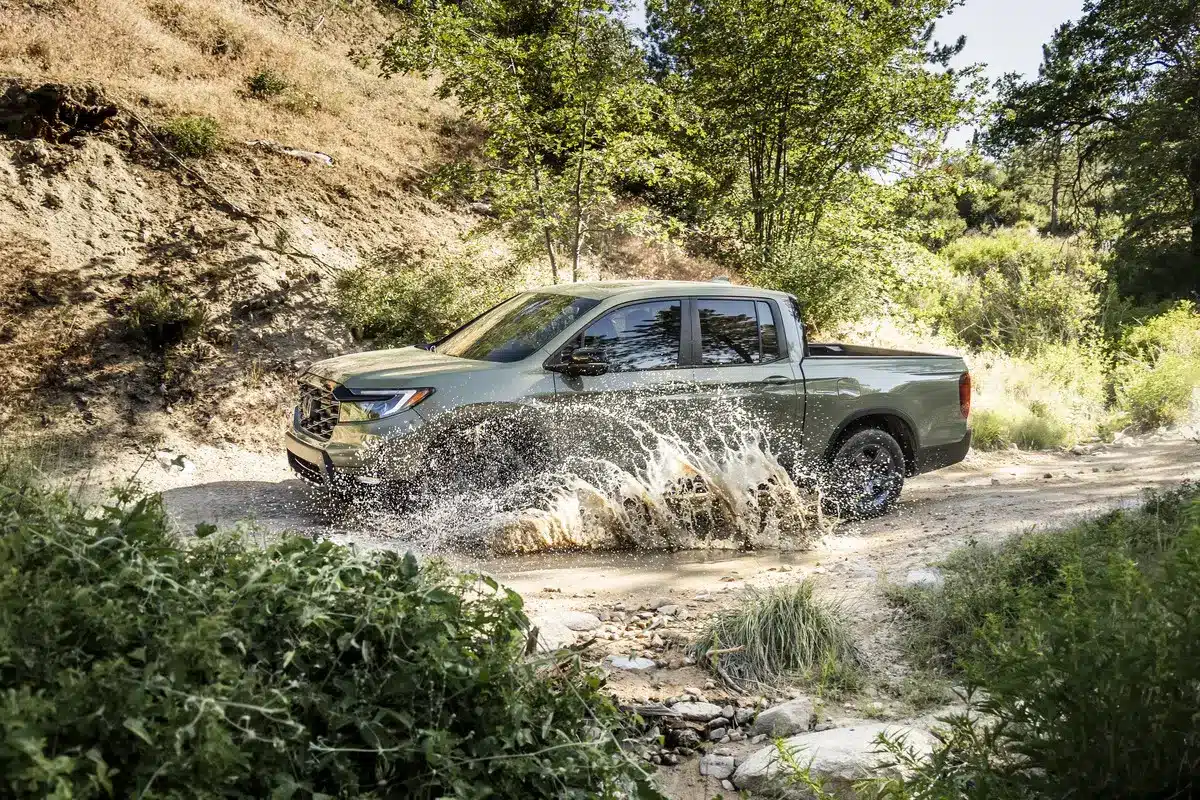
If production really stops in late 2026 and does not restart until 2028, dealer inventory will become the big question. Honda has not said how much Ridgeline inventory it plans to build up before taking a pause. A Honda spokesperson declined to give future product or inventory details but emphasized the Ridgeline’s ongoing role in the lineup.
That puts buyers in an interesting spot. If you like the current Ridgeline because it is simple, V-6-powered, and available now, waiting may not be the best strategy. On the other hand, if you want the newer powertrain and updated styling, the 2028 refresh and beyond may be the solution.
The bottom line

The Honda Ridgeline does not appear to be going away permanently, but it may be heading into an unusually long timeout. The reported 18-month production pause shows how quickly emissions rules and aging powertrains can affect even established models. For a truck that already lives in its own corner of the midsize pickup segment, this could either hurt momentum or give Honda a chance to bring the Ridgeline back with a much-needed update.
For now, the smart move is to watch what Honda says officially as 2026 winds down. If production stops in the fourth quarter as reported, the Ridgeline could become harder to find before the refreshed version arrives. And if Honda really does move the next-generation truck toward a hybrid platform in the early 2030s, this pause may end up being the first step toward a very different Ridgeline.
The post Honda Ridgeline May Disappear From Dealer Lots For A While: 5 Things Truck Buyers Need to Know appeared first on Pickup Truck +SUV Talk.
