
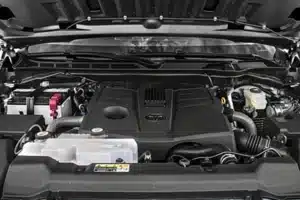

Toyota has spent nearly two years investigating failures in its twin-turbocharged 3.4-liter V6 engine. Now, a newly filed recall report reveals the automaker believes it has finally identified the root cause behind another round of engine failures in the 2024 Toyota Tundra.
The answer centers on one component: the #1 main bearing.
According to documents filed with the National Highway Traffic Safety Administration (NHTSA), Toyota determined that machining debris left inside certain V35A engines can become trapped in the #1 main bearing. Over time, especially under higher engine loads, that debris can damage the bearing and eventually lead to engine failure. The finding has prompted a new recall covering 43,566 additional 2024 Toyota Tundra pickups.
Toyota’s Investigation Focused On The #1 Main Bearing
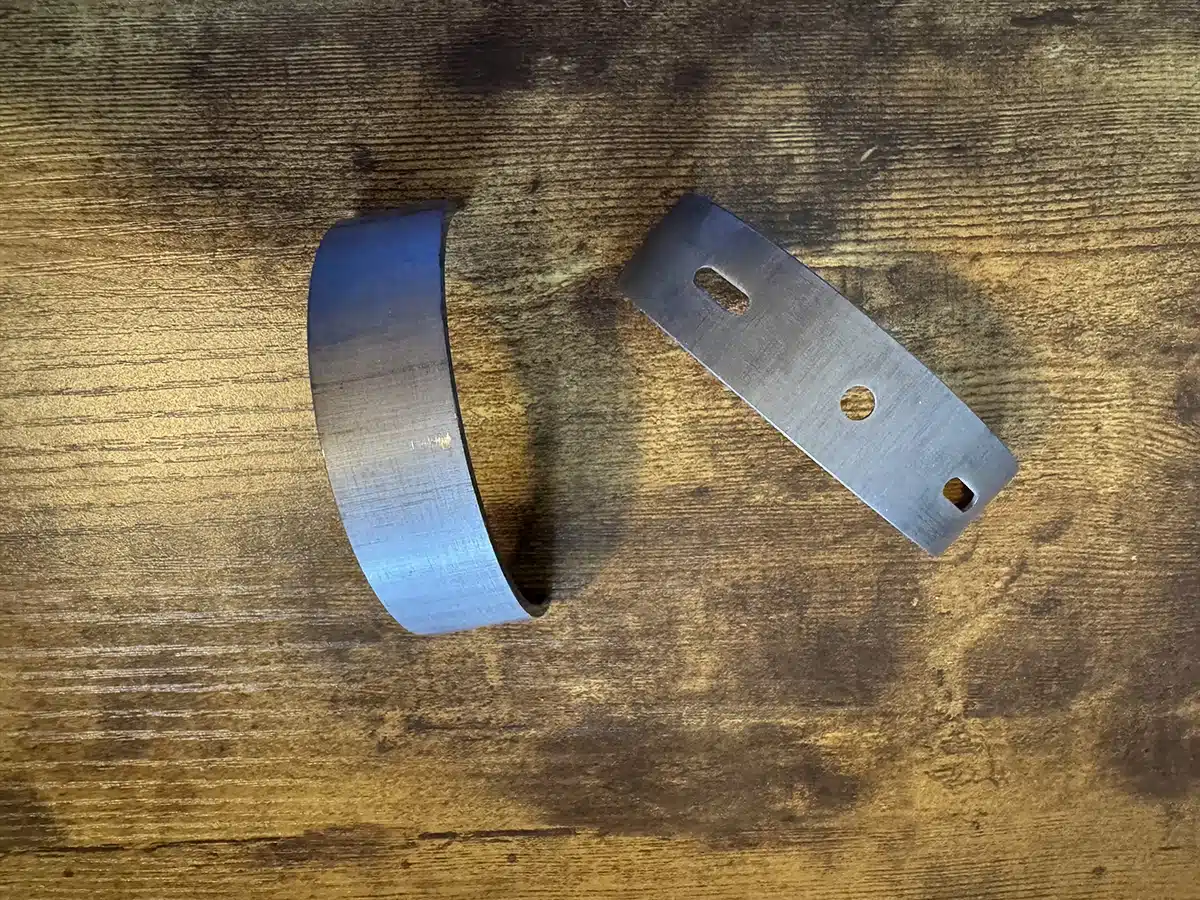
Toyota’s latest recall filing provides the clearest explanation yet of what engineers believe is happening inside these engines.
The company says certain V35A engines may contain machining debris that was not completely removed during manufacturing. If debris reaches the crankshaft main bearing, it can create excessive wear.
Toyota specifically identified the #1 main bearing as the area of concern.
According to the report, if debris adheres to the bearing and the engine continues operating under higher loads, bearing failure can occur. Once the bearing begins to fail, owners may experience engine knocking, rough running, hard starting, no-start conditions, or a complete engine stall.
For truck owners, the concern is obvious. A failed main bearing doesn’t just trigger a warning light. It can eventually result in a loss of motive power while driving.
Toyota Tore Down Engines Looking For Answers
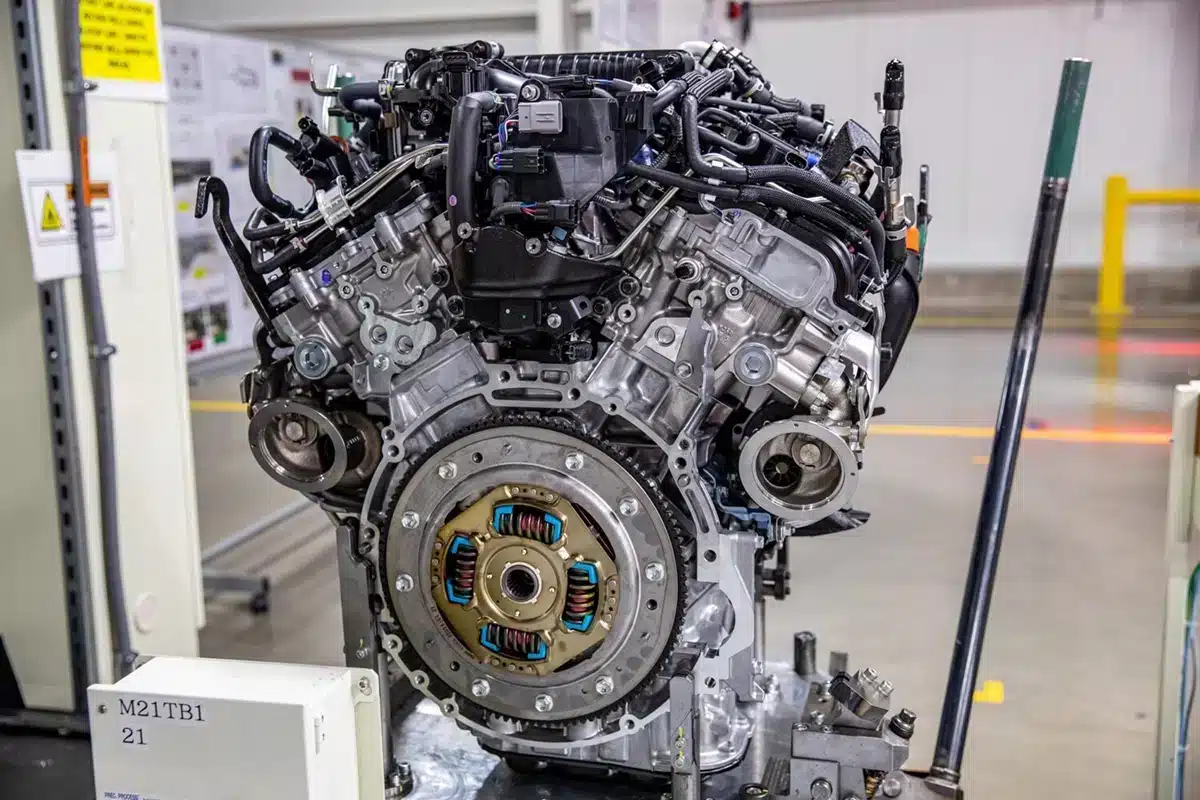
The chronology section of the recall report provides an unusually detailed look into Toyota’s investigation.
Following the filing of recall 25V-767 in November 2025, Toyota continued studying engines produced after the previous recall period. Engineers collected both failed and non-failed engines from the field and disassembled them to inspect the bearings.
According to Toyota, bearings from engines that allegedly suffered #1 main bearing failures were sent to suppliers for detailed analysis.
The company also investigated whether manufacturing changes made after earlier recalls had solved the problem.
One focus was a cam housing clearance change that Toyota implemented during production. Engineers examined whether that modification altered bearing pressure enough to explain why some engines were failing.
By February 2026, Toyota found that factors such as timing chain tension and engine loading could increase bearing pressure. However, the company could not identify any meaningful difference between the newly investigated engines and those covered under previous recalls.
In other words, the evidence suggested the problem had not gone away.
Bench Testing Produced A Key Discovery

Toyota and its supplier then moved to laboratory testing.
Using new #1 main bearings from engines built during the period under investigation, engineers simulated engine loads while introducing debris similar to material found inside affected engines.
According to the filing, testing showed that once a piece of debris large enough became embedded in the bearing, adding additional debris had little effect on the bearing’s fatigue strength.
That finding appears significant because it suggests the size and placement of debris may matter more than the total amount present.
Toyota completed the testing in late April 2026.
The Industry Term Is “Swarf,” And It’s Becoming A Bigger Problem
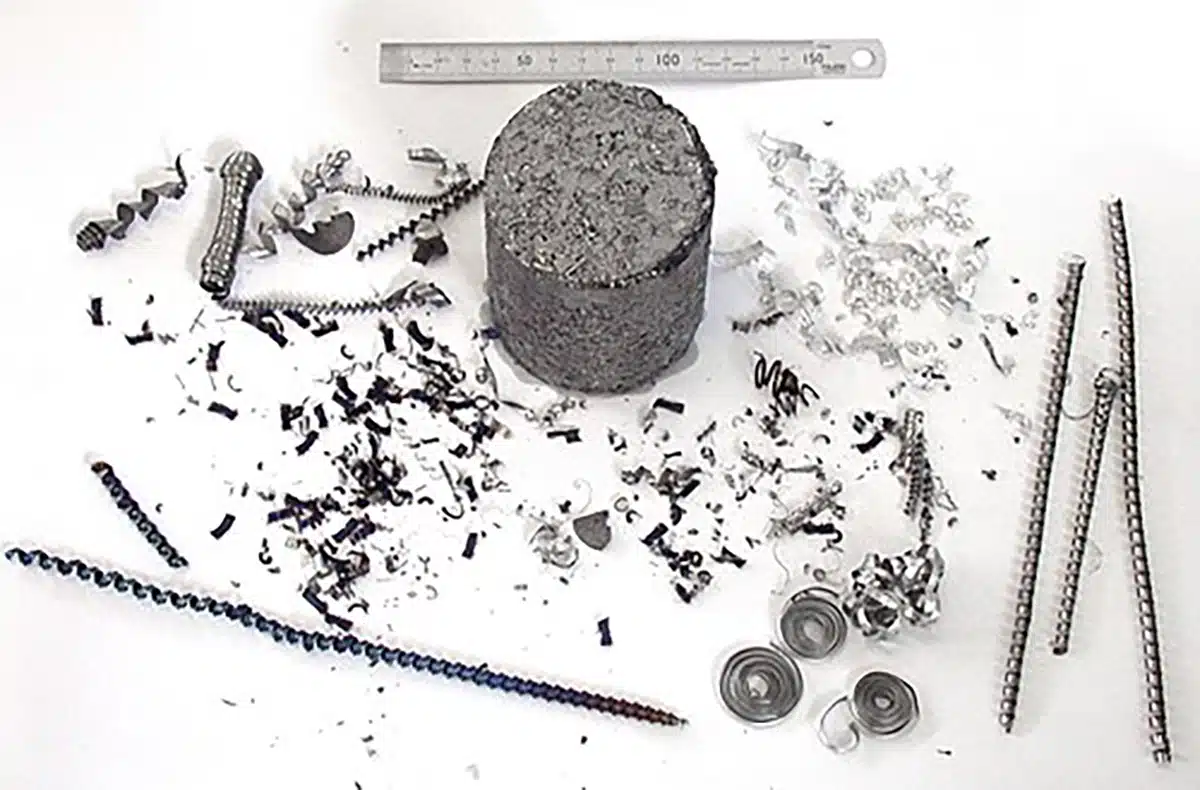
While Toyota’s recall filing repeatedly refers to “machining debris,” the manufacturing industry has another name for it: swarf.
Swarf is the metal shavings, chips, and microscopic debris created when engine components are machined during production. Under normal circumstances, those particles are supposed to be completely removed before final assembly. When they are not, the consequences can be severe.
That appears to be exactly what Toyota believes happened inside these V35A engines.
According to Toyota’s investigation, debris of a particular size and shape can become embedded in the #1 main bearing. Once trapped there, the bearing begins wearing in a pattern similar to engines covered by previous recalls. Eventually, that wear can lead to bearing failure, engine knocking, rough operation, or a complete loss of power.
The issue isn’t unique to Toyota.
An Automotive News report examining a growing wave of engine recalls across the industry pointed to swarf and manufacturing contamination as a contributing factor in several major engine failure investigations. The report noted that modern engines operate with tighter lubrication margins, thinner oil viscosities, higher cylinder pressures, and greater thermal loads than older designs. As a result, even small amounts of manufacturing debris that older engines may have tolerated can now create catastrophic failures.
That context makes Toyota’s findings particularly noteworthy.
Rather than identifying a cracked component, software issue, or isolated supplier defect, Toyota’s investigation ultimately traced the failures back to contamination introduced during manufacturing. The company’s own testing found that once debris of sufficient size became embedded in the #1 main bearing, additional debris was not a major factor. In other words, a single piece of swarf in the wrong location could be enough to start the wear process.
For Tundra owners, that’s probably the most concerning part of Toyota’s report. After years of investigation, the company appears to have concluded that the root cause was not a complicated engineering mystery. It was machining debris reaching one of the most critical bearings inside the engine.
The Same Wear Pattern Appeared Again

The breakthrough came in early May.
After completing analysis of bearings removed from engines in the field, Toyota determined that the bearings produced during the newly investigated production period showed the same wear patterns seen in engines covered by earlier recalls.
That conclusion appears to have convinced Toyota that the same underlying issue remained present.
On May 14, 2026, Toyota concluded that engines built after the previous recall periods but before implementation of an updated #1 main bearing improvement could still experience bearing failures caused by machining debris contamination.
The company then decided to launch another safety recall.
Why Owners May Not Like This Explanation
The troubling aspect of Toyota’s findings is that the company did not identify a catastrophic design defect beyond the bearing material.
There was a tear down video claiming that debris could not be the issue and Toyota was hiding the true culprit. Other videos claimed Toyota was hiding something and every engine must be recalled and a new engine had to be developed.
Toyota says some engines were eventually built with an improved #1 main bearing design and that it will continue to monitor the effectiveness of that improvement as they have done.
The only remaining oddity is they have yet to announce a final remedy for the latest recalls.
The latest recall covers 43,566 model-year 2024 Toyota Tundra trucks. Toyota has reported 30 field technical reports and 360 warranty claims potentially related to the condition.
Owners will be notified by July 20, 2026, and will receive additional information once a remedy becomes available.
The post Toyota Finally Figures Out What’s Causing Tundra Engine Failures, People May Not Like The Answer appeared first on Pickup Truck +SUV Talk.
