
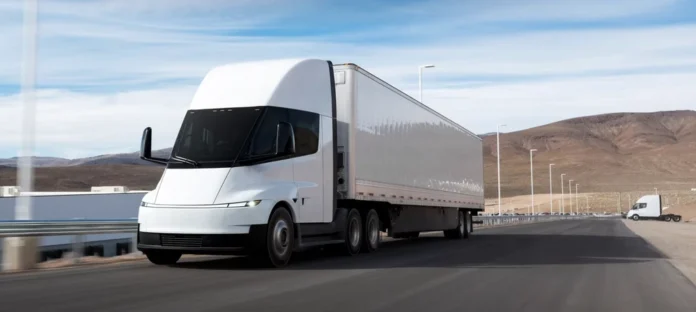
After nearly a decade of delays since Elon Musk first unveiled the Semi at a theatrical event in Los Angeles, Tesla has established a high-volume assembly line in Nevada and is now accepting real orders.
Tesla claims the Semi’s long-range version boasts a remarkable 500-mile range on a single charge, surpassing comparable electric trucks from Daimler, Volvo and other established players. Furthermore, it’s priced at approximately $290,000, offering a significant $100,000 savings compared to its rivals.
“Fuel economics are compelling fleet operators to scrutinise the financial aspects. The sharp rise in diesel prices since the onset of the Iran war has amplified the per-mile cost advantage of electricity.
For regional carriers engaged in short hauls around California’s major ports, the Semi’s advantages are already evident. Governor Gavin Newsom recently announced a substantial $1 billion rebate programme, providing up to $120,000 per vehicle. This makes the Semi competitive with diesel on purchase price even before considering potential fuel savings.
California trucking companies have submitted applications for state subsidies to purchase over 1,200 Tesla Semis, surpassing all applications for other electric truck models since the state’s incentive programme commenced in 2019.
If this scale-up is successful, it has far-reaching implications beyond the trucking industry. While heavy trucks represent a small portion of road vehicles, they account for approximately a third of global carbon dioxide emissions from road transport. Furthermore, they generate nearly half of nitrogen oxide emissions from US road transport, the pollutants most responsible for smog and respiratory illnesses in communities near freight corridors.
Cheaper and cleaner freight also translates to reduced costs for moving goods from ports and warehouses to stores and consumers. This ultimately benefits the people purchasing those goods.
Tesla’s central bet is that building the charging network is as crucial as building the trucks themselves. The company has numerous high-powered charging locations planned along major freight corridors, partnering with Pilot Travel Centres, the nation’s largest truck stop chain, to bring the first stations online this summer. These chargers can add approximately 300 miles of range during a standard 30-minute driver rest break, aligning with federal rules mandating trucker rest.
However, nearly all these planned sites are listed as “coming soon” without firm opening dates. Long-haul operators covering 600 miles or more in a single stretch will require a reliable nationwide network before committing entire fleets.
Tesla’s history with the Semi programme (and most of its vehicles) is littered with missed deadlines.
Competition is also emerging from an unexpected direction. In China, approximately 11% of heavy long-distance trucks sold over the past year were already battery-powered, with manufacturers actively targeting overseas markets.
Meanwhile, European truck giants Daimler and Volvo are challenging California’s clean-air standards in court even as they claim to support electrification. These established companies are not going quietly.
Tesla has successfully navigated similar challenges before. It began with a sports car unaffordable to most, transitioned to a luxury sedan, and ultimately landed on a mass-market SUV that revolutionised the entire industry.
These initial vehicles have now reached their end. The Semi is already further advanced than the Model S was at this stage, and this time Tesla is not starting from scratch.

