
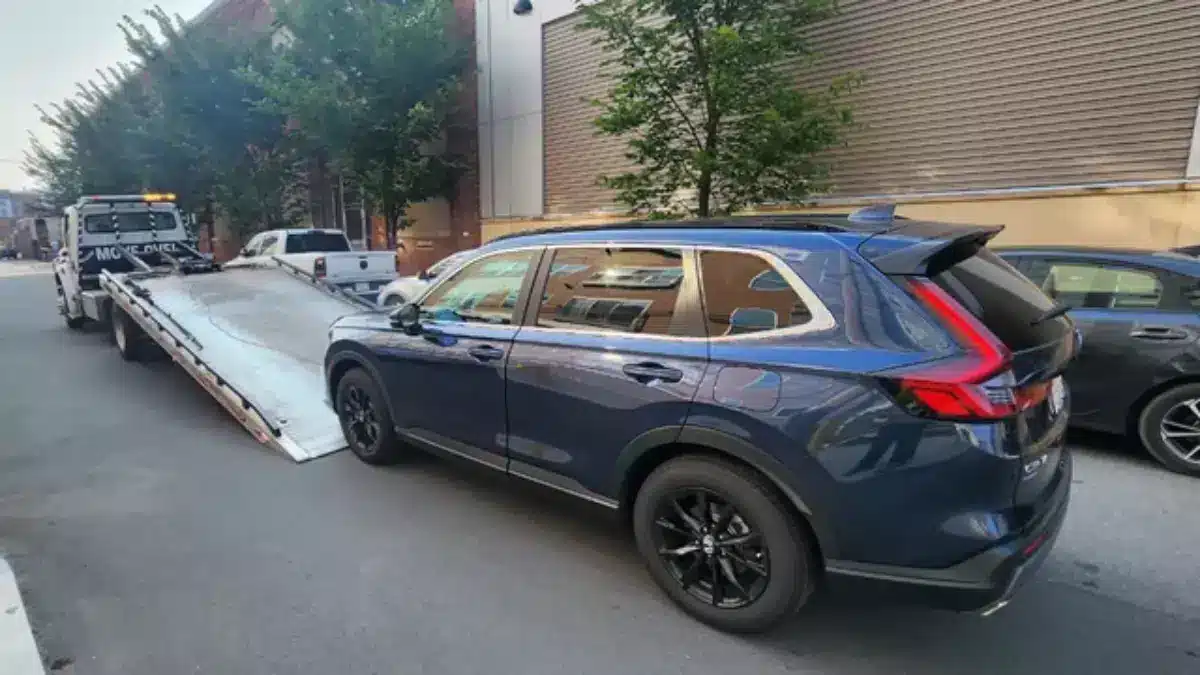
The current-generation Honda CR-V builds on the successes of this compact SUV’s past with new technology and even more interior ergonomics. This popular utility has a reputation for being confident and reliable. But the CR-V does have some known problems.
In short, the CR-V is a frequent best seller for a reason. But that doesn’t mean it’s perfect.
Major Issue: 1.5L Turbo Engine Head Gasket Concerns
Another issue owners should be aware of involves the 1.5-liter turbocharged engine found in gasoline-powered CR-V models. While there has not been a recall or technical service bulletin specifically addressing the problem, some owners and independent Honda repair shops have reported premature head gasket failures. This issue also affects the Honda Civic as we reported on our sister site WeTalkCars.com and there are ongoing class-action lawsuits over it.
Symptoms can include coolant loss with no visible leak, engine overheating, rough running during startup, white exhaust smoke, or a persistent check engine light. If left unrepaired, a failed head gasket can lead to significant engine damage and costly repairs.
The issue does not appear to be widespread across all 2023-2026 Honda CR-V models, but it has been reported often enough that buyers planning to keep their CR-V well beyond 100,000 miles should be aware of the potential concern. Keeping up with routine maintenance and addressing any signs of coolant loss or overheating early may help prevent more extensive damage.
It is also worth noting this concern is associated with the turbocharged 1.5-liter engine used in gasoline models. The CR-V Hybrid uses a naturally aspirated 2.0-liter engine that has not shown the same pattern of reported head gasket issues.
We didn’t find any reports of transmission issues.
Major Safety Recalls for the CR-V

Several major safety recalls affect the 2023-2026 CR-V. All of these are serious enough that if you own a CR-V affected, you should have it repaired immediately. Information on how to find out if your Honda is subject to recall is at the bottom of this article.
Sticky Steering (NHTSA Recall 24V744000): This recall affects over 1.7 million Honda and Acura vehicles, including many 2023–2025 CR-Vs. An improperly-produced steering gearbox worm wheel can cause abnormal friction, resulting in “sticky” or stiff steering, which increases crash risk. Dealers replace the worm gear spring and apply or adjust the grease.
Airbag Sensor (NHTSA Recall 24V404000 / 26V398000): Recalling nearly 99,000 vehicles spanning various 2023-2025 Honda models, including the CR-V, addressing an occupant detection system issue. Capacitors in the passenger seat weight sensors can short-circuit from humidity, causing airbags to deploy improperly.
Fuel Pump Failures (NHTSA Recall 23V858000 & 24V778000): Impacts 2023–2025 CR-Vs. The high-pressure fuel pump may crack or fail, causing fuel leaks or engine stalling while driving.
High-Voltage Battery (2023 CR-V Hybrid Only): A rare but severe battery module manufacturing defect. Defective terminals can break and potentially cause sparking or fire.
Other Complaints Covered By TSBs

Technical service bulletins (TSBs) issued by Honda affect various model years of the CR-V. The symptom leads to the solution with these, so several model year variances occur for each TSB.
Fuel Injector & Spark Plug Replacement (TSB 24-035): Issued due to fuel injector degradation and subsequent misfires, resulting in sluggish performance or check engine lights.
Camera / Lane Keep Assist (LKAS) Issues (TSB A23-021): Addresses false detection logic in the multipurpose camera software causing the LKAS warning light to illuminate erroneously when the vehicle is in reverse.
Integrated Control Module Glitches (TSB ABOM02032023901): Addresses software programming errors causing miscommunication between the main and sub central processing unit (CPU) systems, triggering the Malfunction Indicator Lamp (MIL, “engine light”).
Common Consumer Complaints

Forums, owner groups, and generalized social media complaints about the CR-V have several common threads. These are issues that are not subject to recall or a service bulletin, but which Honda CR-V owners often complain about with their 2023 to 2026 model year vehicles.
Turbocharger & Direct Injection Maintenance: Many owners report that the 1.5L turbo direct-injection engine requires strict adherence to oil change intervals to avoid fuel dilution and intake valve carbon buildup. This complaint is generally backed by service technicians.
Infotainment & Wireless Charger: Users frequently cite connectivity glitches with the audio system (switching unexpectedly between Bluetooth and call speakers) and weak, overheating performance from the optional 15-watt wireless phone charger.
Reverse Noise: The acoustic vehicle alerting system (AVAS) for reversing on hybrid models is noticeably loud inside and outside the cabin.
How To Check For Recalls On Your Honda

The easiest way to check for current recalls that may affect your CR-V is to visit the National Highway Transportation Safety Administration (NHTSA) Recalls page and enter your license plate or 17-digit vehicle identification number (VIN) to run a search. You can also do this at the Honda MyGarage page.
Editor’s note: additional reporting by Tim Esterdahl.
The post 2023-2026 Honda CR-V Known Problems: Engine Issues, Failed Fuel Pumps, Battery Fires, and Airbag Sensors appeared first on Pickup Truck +SUV Talk.
