
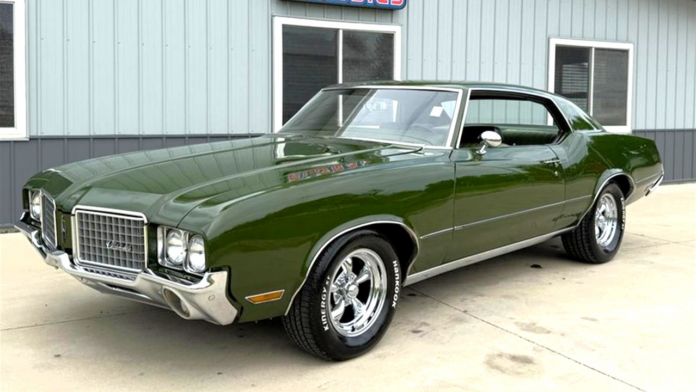
Oldsmobile was not graced with a personal luxury car the way Pontiac and Chevrolet were. The latter two had the Grand Prix and Monte Carlo, respectively, but our Pick of the Day shows how Oldsmobile got its revenge by creating a unique body style that thumbed its nose at its corporate cousins. This 1972 Oldsmobile Cutlass Supreme Hardtop Coupe is listed for sale on ClassicCars.com by a dealership in Greene, Iowa.
It could be said that Pontiac introduced the Grand Prix at a fortuitous time. Sure, personal luxury cars had been around for several years, but most had been dedicated body styles (Thunderbird) or were pricey (Oldsmobile Starfire). The Grand Prix brought the formula down to something that was firmly more middle-class, yet it featured distinctive styling that distinguished it from other full-size Pontiacs. Over the years, it gained more distinction, but it also gained more weight and bulk, losing the grace that had once been a strong selling point.
John DeLorean realized this (declining sales were a big hint) and decided to produce an all-new Grand Prix for 1969 that utilized a stretched A-body platform (up six inches to 118 inches) called the G-body. The body was unique, not shared with anything else until the advent of the 1970 Chevrolet Monte Carlo, which used the same platform and played the same role, although with a shorter (116-inch) wheelbase. Oldsmobile did not receive this grace, so with the 1970 restyle, it developed a unique body style for the Cutlass Supreme not shared with any other A-body within General Motors despite being saddled with the standard 112-inch wheelbase.
The Cutlass Supreme was initially introduced as a special four-door hardtop model for 1966 (in fact, it was the only four-door hardtop within the Cutlass series). For 1967, the Cutlass Supreme was mainstreamed as the top Oldsmobile A-body with five body styles (two two-doors, two four-doors, and a convertible), then trimmed to three for 1968-69 (a two-door and a pair of four-doors).
With the 1970 restyle, Oldsmobile product planners reconfigured the Cutlass Supreme Holiday Coupe to be more than just the top A-body within Oldsmobile — it became a stylish, affordable personal luxury coupe. “A totally new idea created by Olds — elegance in a trim new size!” What distinguished the Holiday Coupe from other two-door Cutlasses (and other A-bodies) was the notchback roof. “It’s topped with a smart and exclusive roofline that’s the newest look going.” Holiday Coupe sales were a reasonable 11,354.
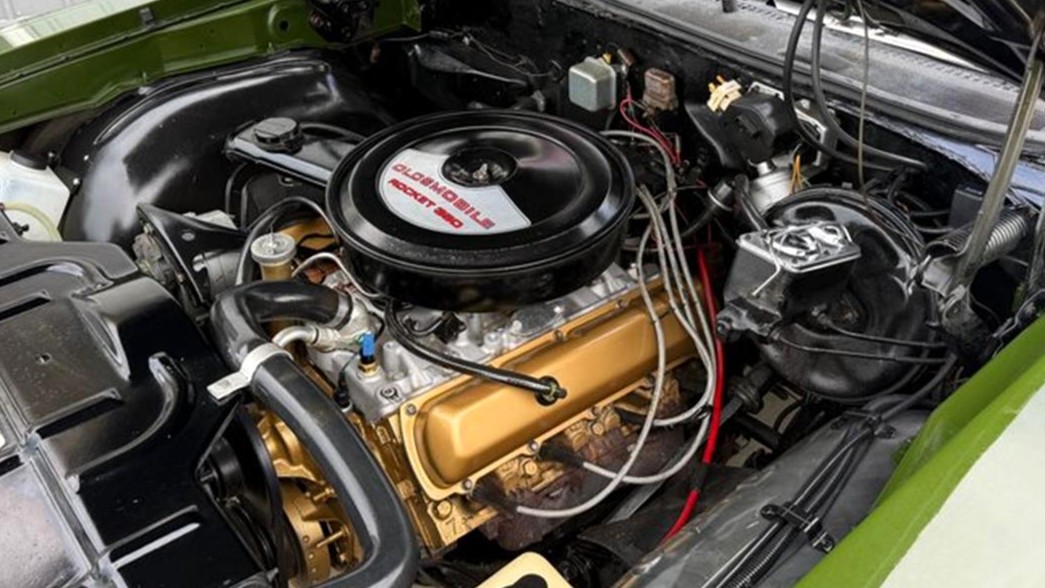
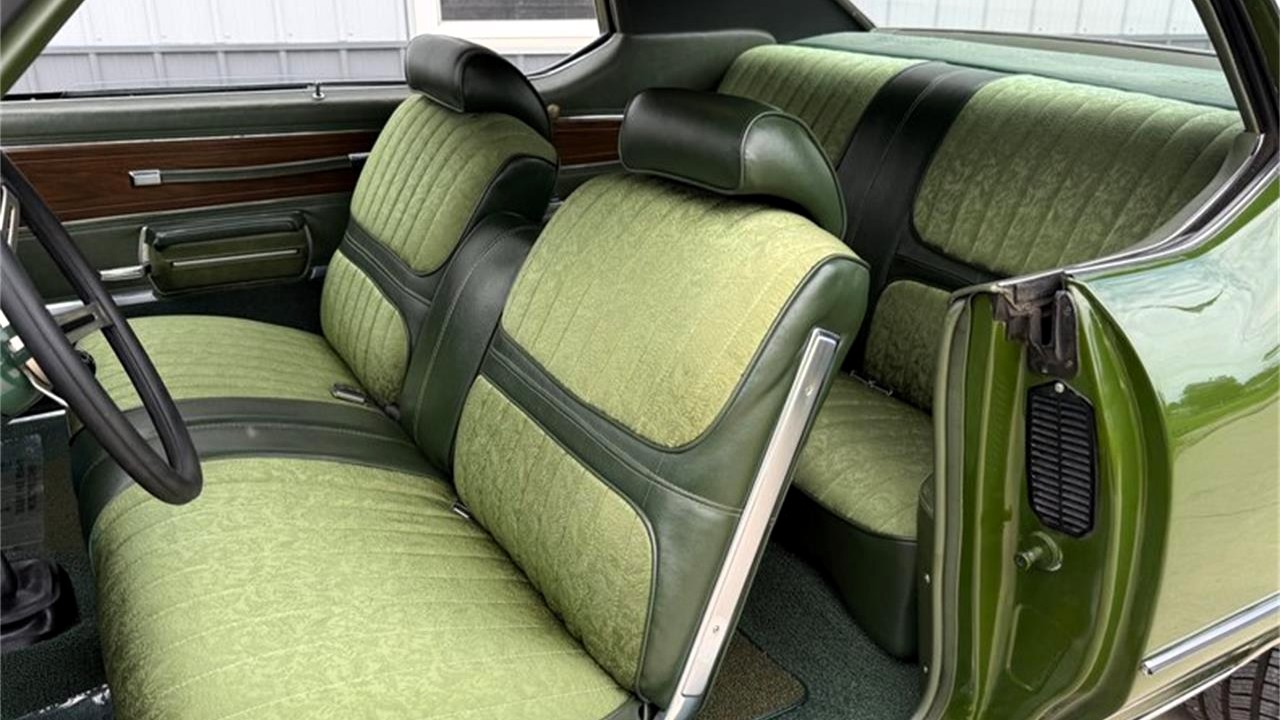
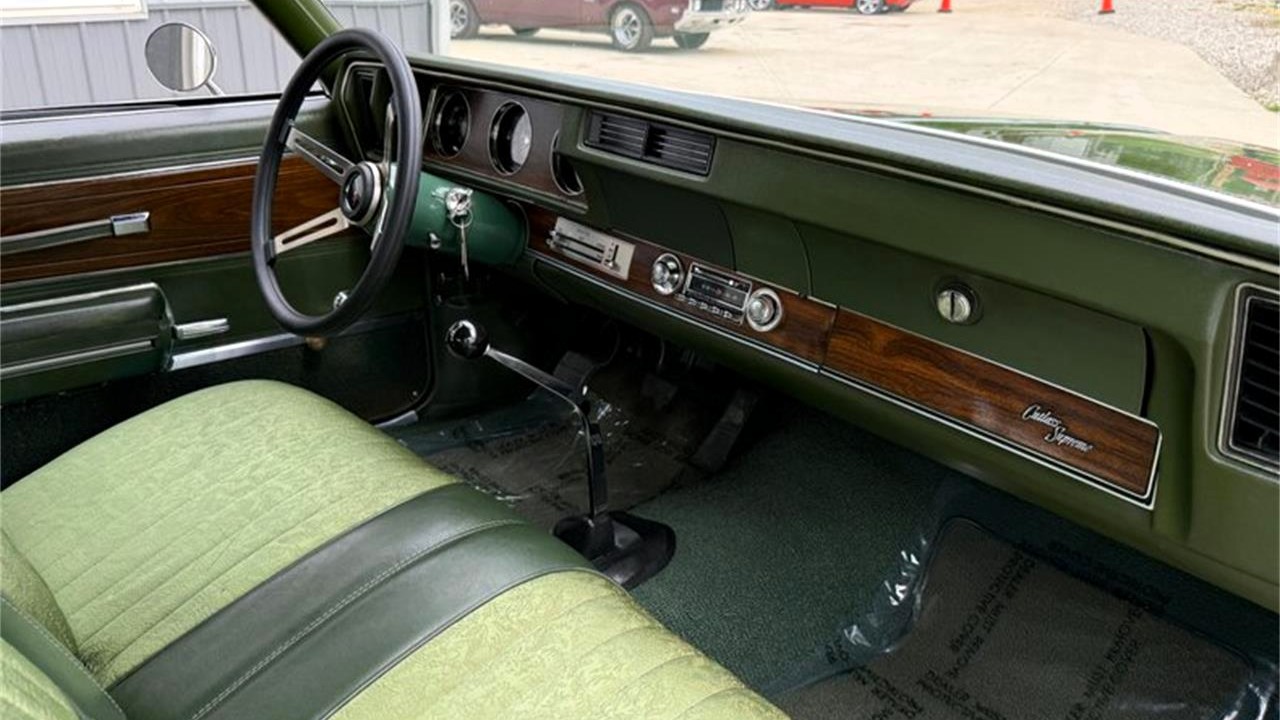
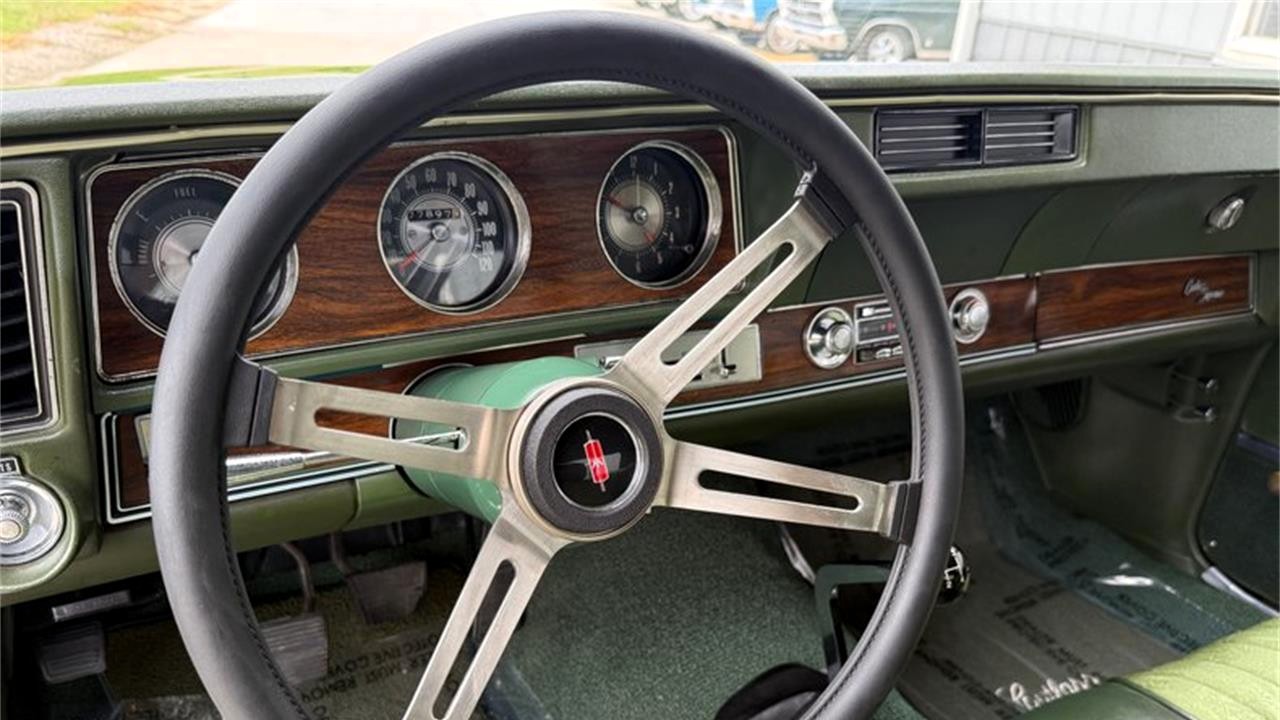
This Sequoia Green 1972 Oldsmobile Cutlass Supreme Hardtop Coupe (note Oldsmobile ditched the “Holiday” name) does a good job of demonstrating the appeal of this model that was different enough to catch the eye of a burgeoning segment. Standard on the Cutlass Supreme coupe and convertible was the Strato Bucket seat, but one could opt for the Custom Sport bench with Orleans brocade with Prima cloth at no cost. “Very nice original interior,” says the seller. “Very solid undercarriage.” Features include working AM/FM radio, power front disc brakes, and new dual exhaust system. However, what makes this Cutlass Supreme unusual is the four-speed manual that is hooked to a numbers-matching 350 four-barrel. It is known that, through June 1972 (July 1972 records are MIA and, hence, complete production information is not available) 730 Cutlass Supremes were built among all body styles and engines with the M20 wide-ratio four-speed, making this Olds an unusual personal luxury vehicle.
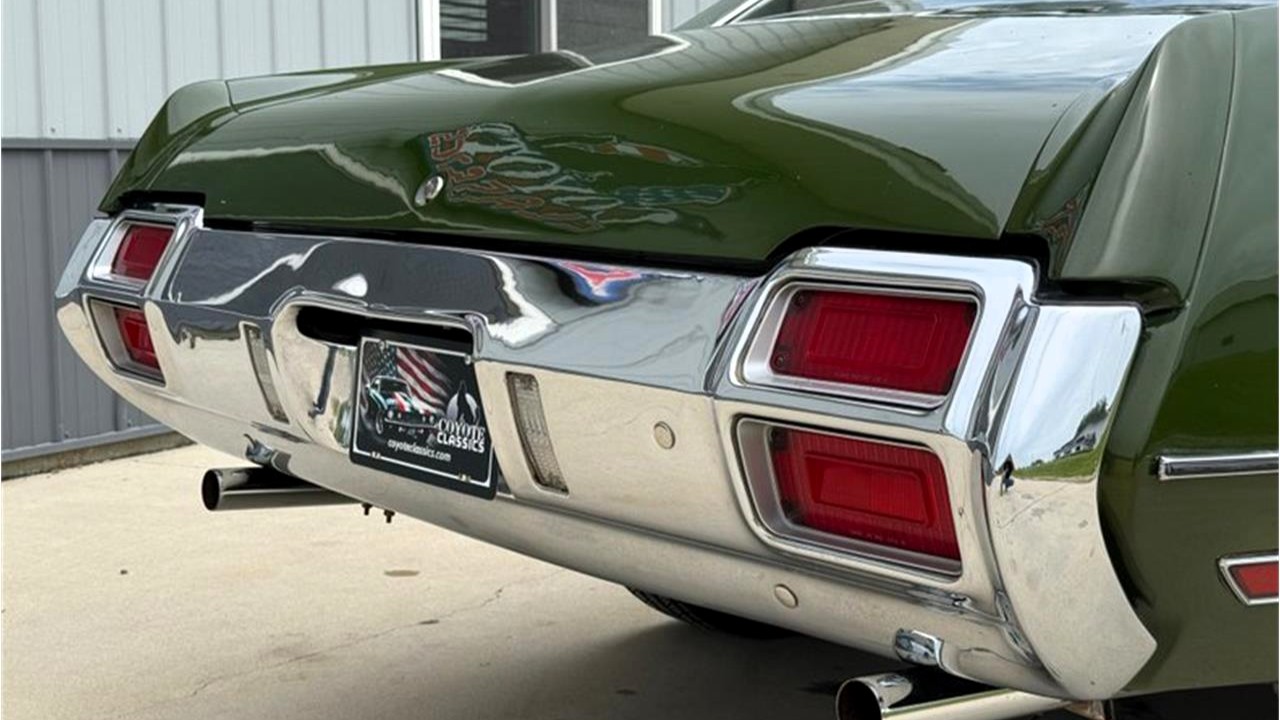
Oldsmobile produced 105,087 Cutlass Supreme hardtop coupes in 1972 — a huge jump from 1970. With the 1973 redesign, that number increased to 219,857, and the Cutlass Supreme would soon become America’s best-selling car. Oldsmobile’s revenge? For $38,995, you can thumb your nose at your Grand Prix and Monte Carlo friends with this 77,000-mile Olds.
Click here to view this Pick of the Day on ClassicCars.com

