
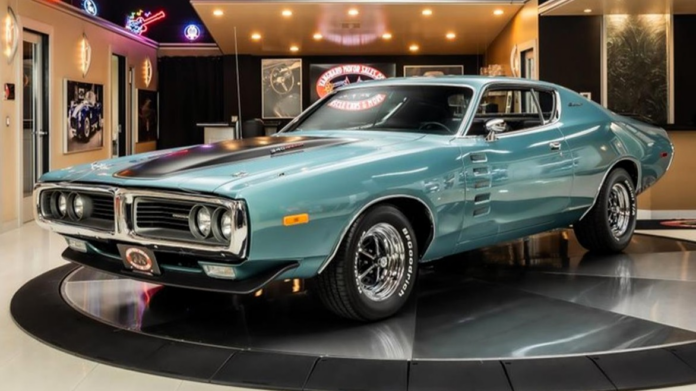
What if I told you that you can have two seemingly identical cars, but two different characters in the VIN could completely change their appeal to you? Do you think that’s possible? Take a look at our Pick of the Day and tell us. This 1972 Dodge Charger Rallye Coupe is listed for sale on ClassicCars.com by a dealership out of Plymouth, Michigan.
The third-generation Dodge Charger was introduced in the fall of 1970 and, boy, did it have a lot to live up to. After all, the 1968-70 Charger had been one of the most exciting products out of Detroit during the era. For 1971, Dodge had to work magic to maintain the Charger’s appeal. It was a difficult proposition, but we’d say the effort was successful, though enthusiasts glancing through the retrospective looking glass may disagree. As such, the car that should have been an improvement languishes among collectors in comparison (a phenomenon shared with the 1970-73 Chevrolet Camaro).
Refinements arrived for 1972. A new grille was most noticeable up front, though cars equipped with hidden headlights featured a more subtle update compared to 1971. Out back, the taillights were redesigned and given a simplified longitudinal layout, with the SE featuring bright accents to distinguish it from the regular Charger. Side markers were also redesigned, going from “equals” signs to a more conventional longitudinal design shared with the Charger’s Dodge stablemates.
For 1972, the Charger lineup was simplified to the Charger (Coupe and Hardtop) and Charger SE, with the latter receiving a new, formal roofline that set it apart from the regular Charger. It came with a standard vinyl top available in black, white, or green, and like before, featured hidden headlights. Dodge may not have known it at the time, but this would be the Charger that would carry the model into its role as a dedicated personal luxury car.
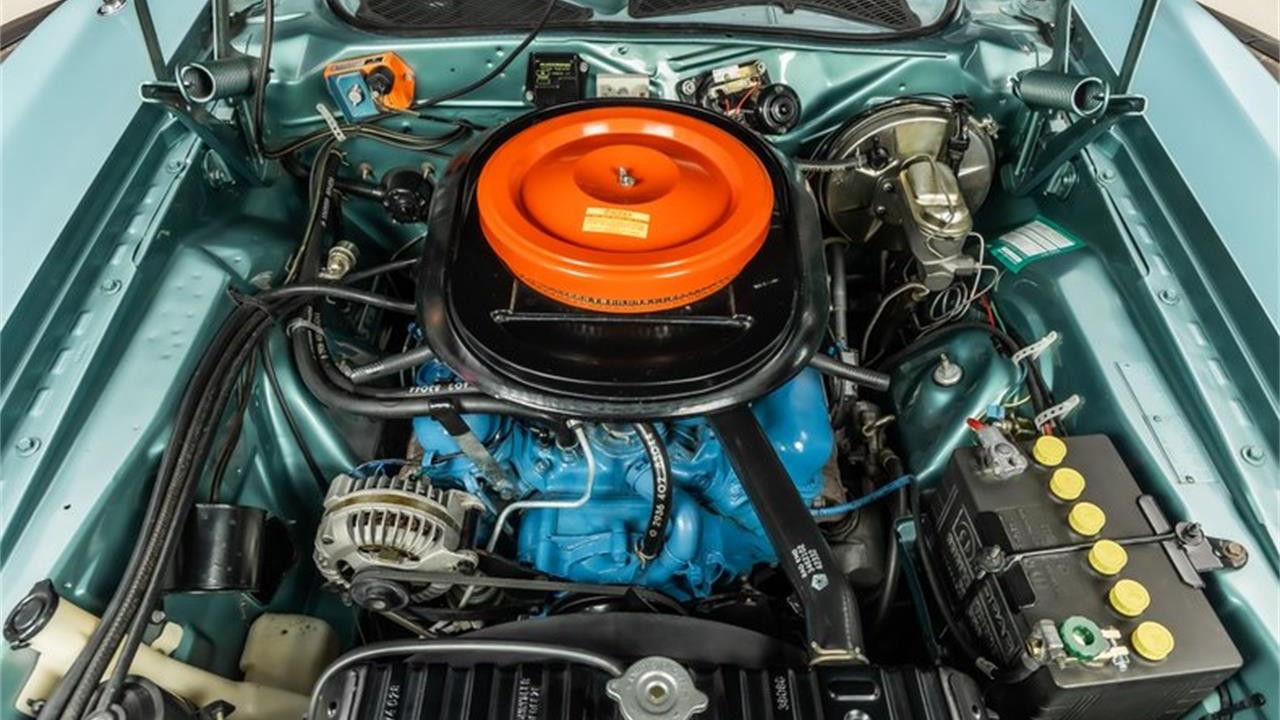
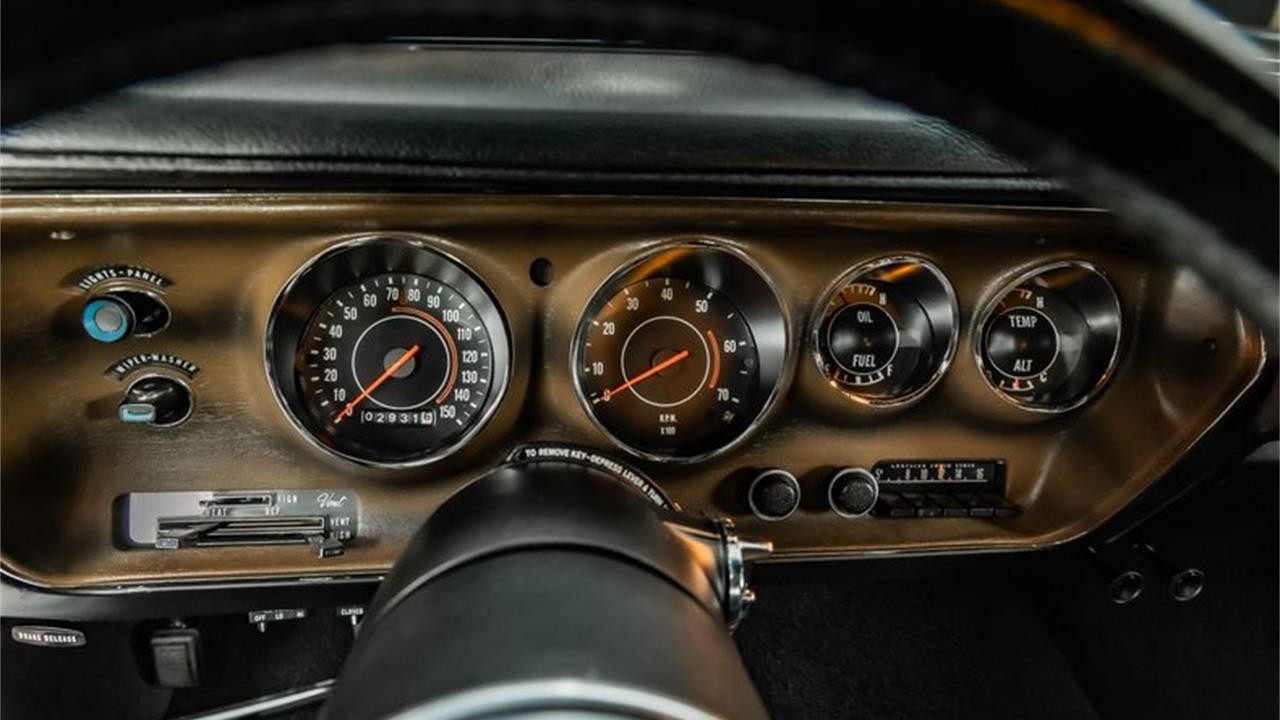
As the performance-oriented Super Bee and R/T models were discontinued, enthusiasts could still opt for the all-new Rallye. Order the A57 package for the Charger Coupe or Hardtop and you’d receive doors with simulated scoops, front and rear sway bars, Rallye Cluster, louvered taillights (like what was used for the 1971 Charger 500 and R/T, though in black), power bulge hood, dark astrotone grille, F70 x 14 whitewall tires, and — a sign of the times — a standard 318ci V-8. You could opt for a 400 two-barrel, but any other engine, from the 340 and the 400 four-barrel to the 440 four-barrel and the 440 Six Pack, was a proper performance choice. All save the Six Pack were low-compression engines able to use low-lead or unleaded fuel, and all performance engines featured electronic ignition standard. The Six Pack, in particular, was discontinued very early in the model year, and the 440 four-barrel backed by a four-speed was the last performance Mopar to come equipped with a Dana rear.
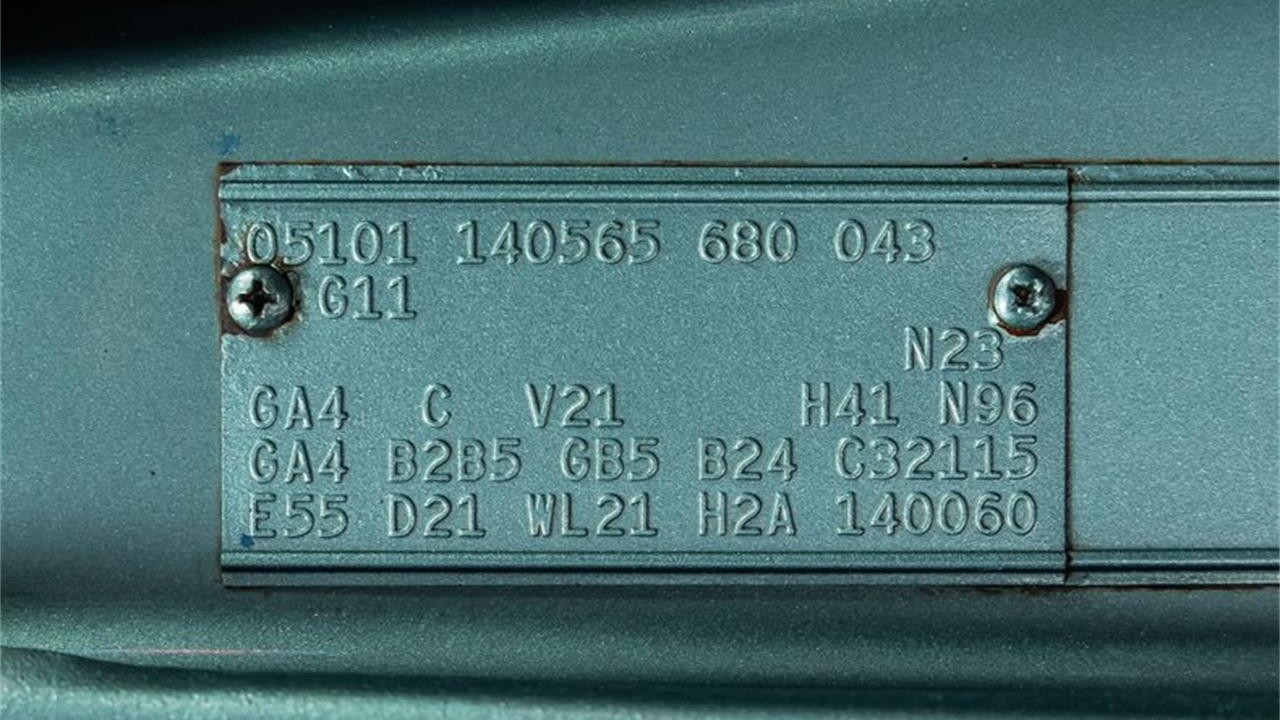
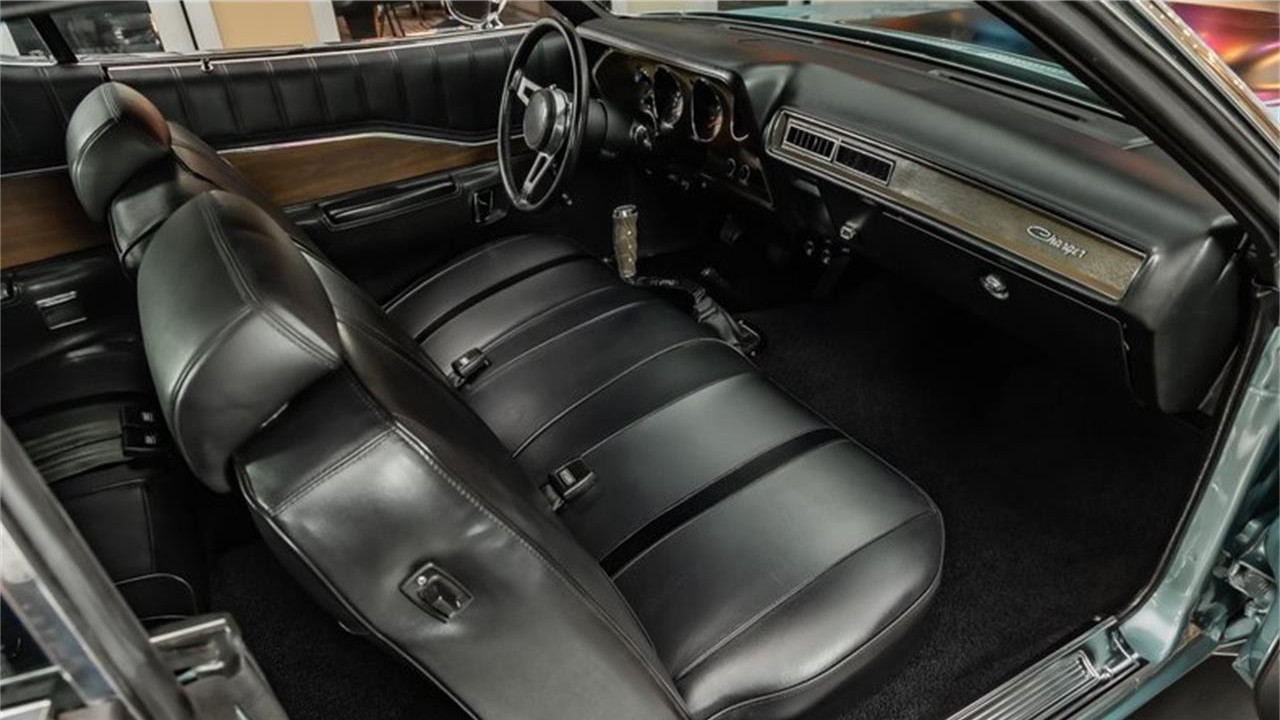
You may have noticed the above references to both the Charger Coupe and Hardtop. There were two distinctions between the pair: The Coupe had fixed rear-quarter windows and less trim, and the interior specifications were a step down in luxury, including rubber floor covering. Looking at production numbers, the Charger Coupe was not the popular go-to choice: Only 7,803 1972 Charger Coupes were built in total, with 480 U.S.-spec cars made with the Rallye package. Of those, 163 were built with the 340 engine, of which 39 had a four-speed. Is this 1972 Dodge Charger Rallye Coupe one of them? Nope — it was built for the Canadian market, but you can imagine there can’t be very many more than 39. Note the black bench seat (plus upgrades including carpet as part of the A17 Deluxe Package), rear spoiler and trunk lid stripe, Ramcharger hood with hood pins, AM radio, racing mirrors with driver-side remote, front spoiler, Road Wheels, and more.
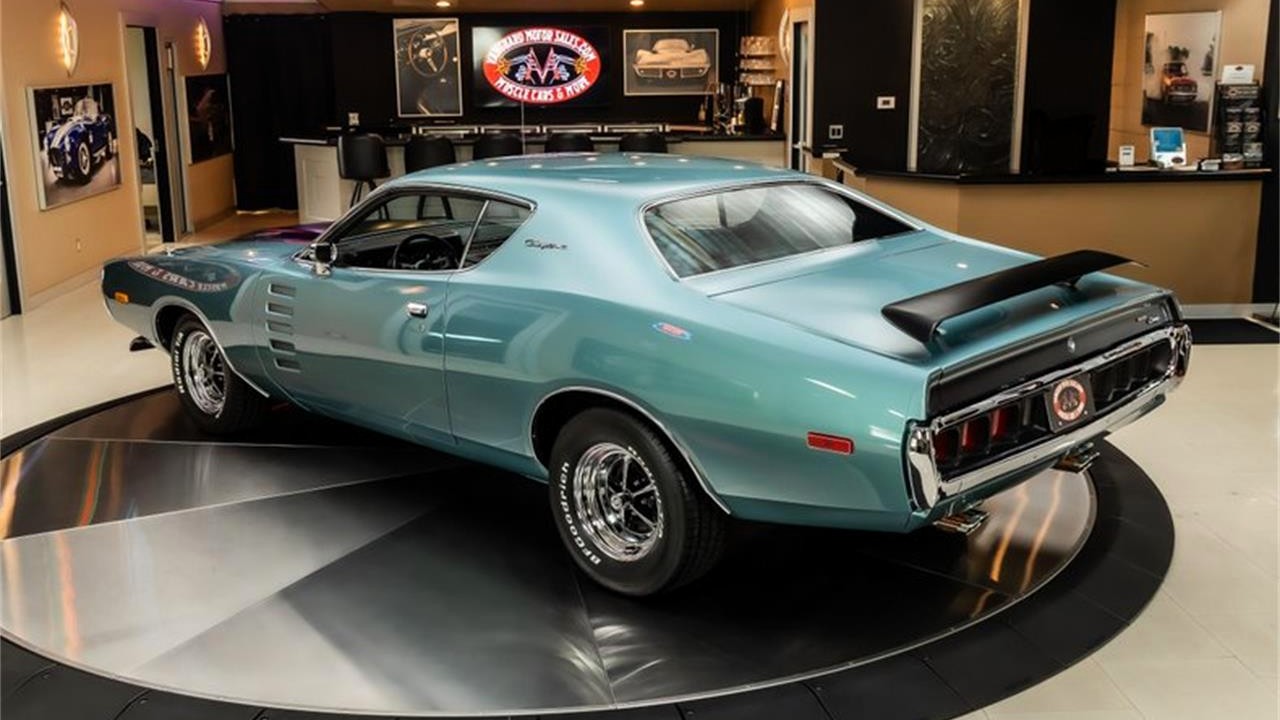
Compare this WL21 Coupe to a similar WH23 Charger Rallye Hardtop: 3,431 built for the U.S., with 1,364 powered by the 340 engine, and 289 four-speeds. Could those two characters create more interest for you? Ruminate on that while you consider the $119,900 asking price.
Click here to view this Pick of the Day on ClassicCars.com

