
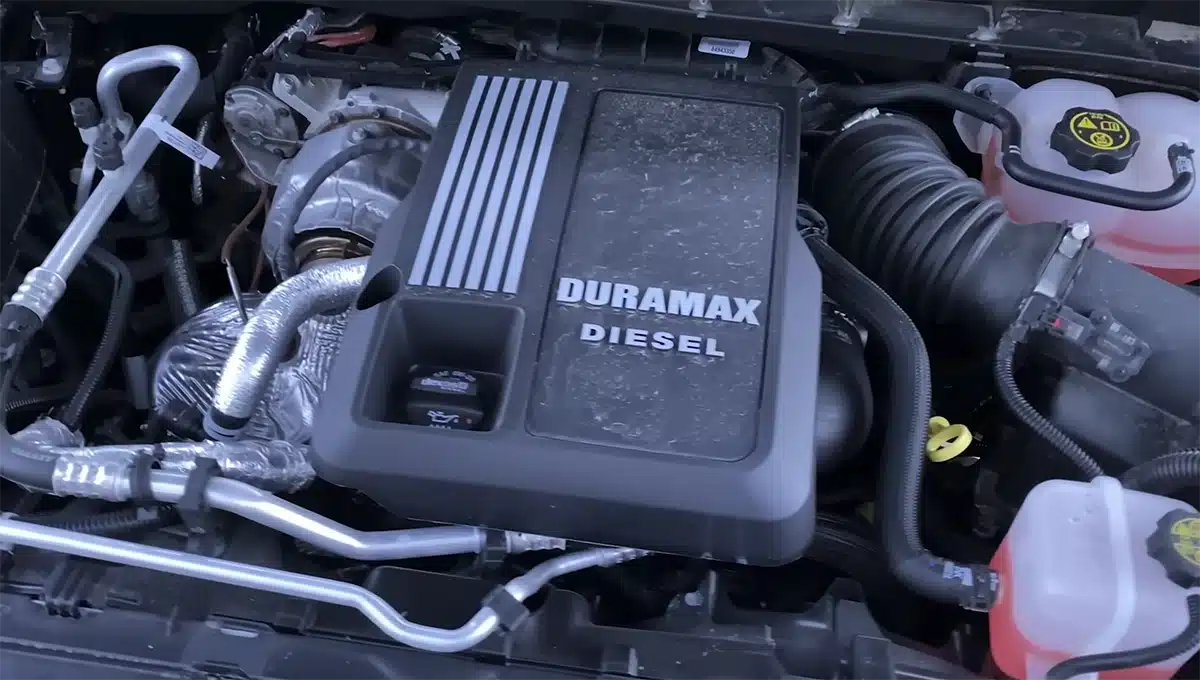
Many diesel owners wonder whether short trips in a diesel truck can lead to expensive emissions or engine problems. That question landed in my inbox this week from Louis, a retired owner of a 2023 Chevrolet Silverado 1500 3.0L Duramax whose driving habits changed dramatically after becoming a full-time babysitter for his grandchildren.
His concern is one I’ve heard countless times over the years: Are short trips hurting his diesel truck, and should he be performing manual regenerations? After hearing from General Motors engineers, dealership diesel technicians and long-time diesel owners, I think the answer isn’t as simple as many people believe.
After hearing from various GM and other automaker engineers, dealership diesel mechanics, independent diesel mechanics over the years and long-time diesel owners, I think the answer isn’t as simple as many people believe.
A Reader Asks About Short Trips in a Diesel Truck
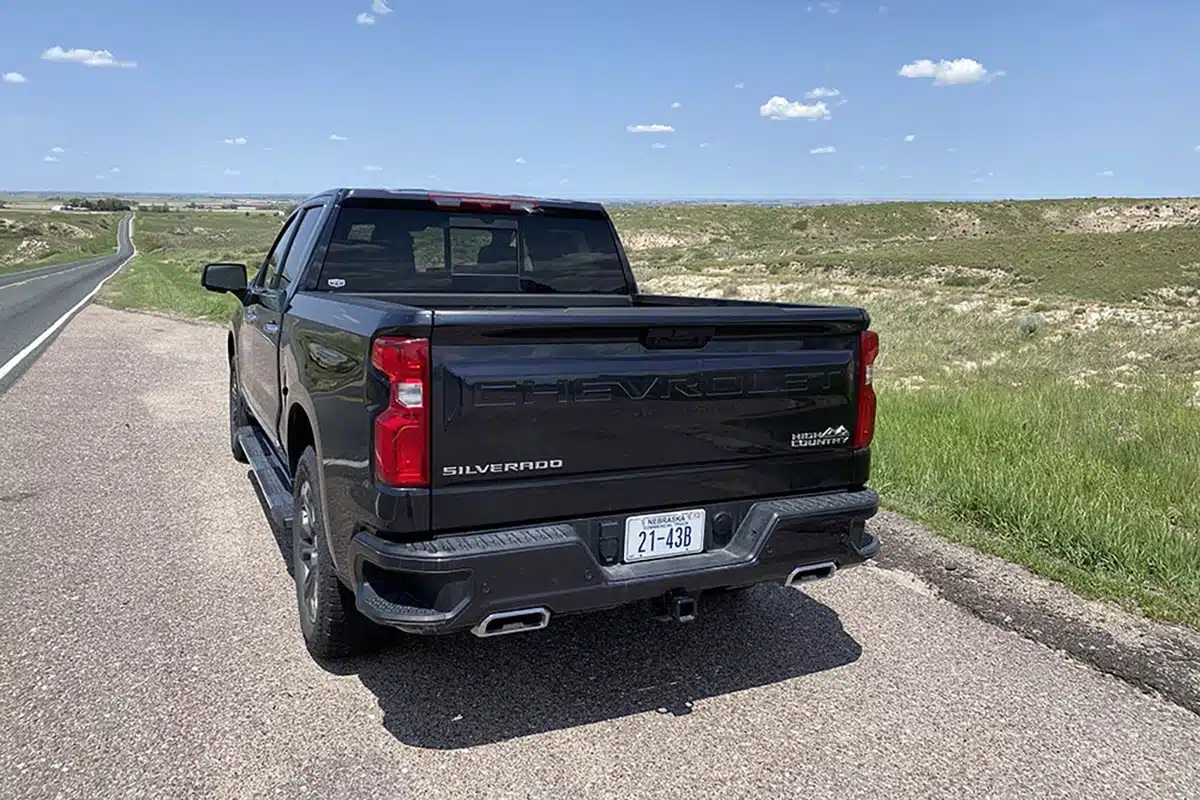
Here’s what Louis wrote:
“I bought a 2023 Silverado W/3.0 Duramax just before I retired. Just after that my driving habits changed due to the addition of grandkids. Now I am pretty much a full time baby sitter. I drive 2 to 3 mile trips under 40 MPH. I’m planning on purchasing a scanner to be able to perform manual regens. My question is how often or how many miles should I perform the manual regen? I took possession of my vehicle in Sept of 2022. I now have 18,000 miles on the truck.”
It’s a great question because life doesn’t always go as planned. Retirement, a new job, working from home, moving or growing family responsibilities can dramatically change how often we drive. The truck that once accumulated hundreds of highway miles each week may suddenly spend most of its time making short trips to the grocery store, school, daycare or around town.
The concern centers on the diesel particulate filter (DPF), which periodically burns accumulated soot during a regeneration cycle. Many owners worry these short trips prevent the truck from completing those regens. If the regen doesn’t complete, the soot builds up, the DPF plugs and an expensive repair bill awaits.
What GM Engineers Told Me About Short Trips

I actually asked General Motors engineering this same question a few years ago after another reader expressed nearly identical concerns.
According to GM, there is no scenario where normal short trips alone would damage the 3.0-liter Duramax engine. Engineers explained the truck continuously monitors soot loading and automatically performs regenerations when necessary. They also noted the newer LZ0 Duramax may perform more regeneration cycles during approximately its first 19,000 miles before settling into a more normal pattern.
In other words, simply driving two or three miles at a time doesn’t automatically mean you’re hurting the engine.
They went on to say this also applies to all their larger 6.6-liter Duramax diesel engine as well, not just the 3.0-liter Duramax.
Diesel Technicians Keep Telling Me Something Different
At the same time, I’ve spoken with numerous dealership diesel mechanics as well as independent diesel mechanics over the years, and many have repeated essentially the same advice, but with a twist.
One Chevy dealership diesel mechanic said:
“From what I’ve seen (I’m a diesel tech at a Chevy dealer), the biggest killer of DPFs isn’t necessarily short trips, it’s excessive idle time. As long as you drive highway at least once a week for 20+ miles the truck will regen when it needs to.”
I don’t think that necessarily conflicts with GM’s position.
Modern diesel emissions systems are far more sophisticated than those introduced 15 or 20 years ago. The truck is designed to protect itself. However, giving it an opportunity to complete a regeneration cycle naturally is still good practice, especially if your driving consists almost entirely of low-speed trips around town.
The bigger concern may not be short trips themselves, but repeatedly interrupting regeneration by excessive idling or shutting the truck off before the process finishes.
What does the Owner’s Manual Say?
This brings us to the almighty owner’s manual. What does it say? Well, it says both are correct.
“Under certain conditions, such as idling or very short trips, the self-cleaning process has less efficiency and cannot be completed. To resolve this, continue driving safely at a steady speed as close to the posted speed limit as possible, preferably without stopping, until the message turns off. This can take up to 30 minutes.”
For fleets, there is a manual regen option feature for upfitters to add. It works like this:
“If equipped, this feature allows for manual cleaning/regeneration of the DPF when it is unable to clean itself. It may be necessary to perform manual regeneration if driving conditions — such as extended slow speed, stop-and-go traffic, extended idling, short drive cycles, or stationary PTO operation — prevent DPF self-cleaning.”
Both then are true, very short trips excessively and excessive idling can prevent the regen process from fully clearing out the DPF. If that occurs, the truck will alert the driver to go for a longer drive for a consumer vehicle or for a fleet, the operator can engage the optional regen feature.
Why I Think a Banks iDash Is the Best Answer
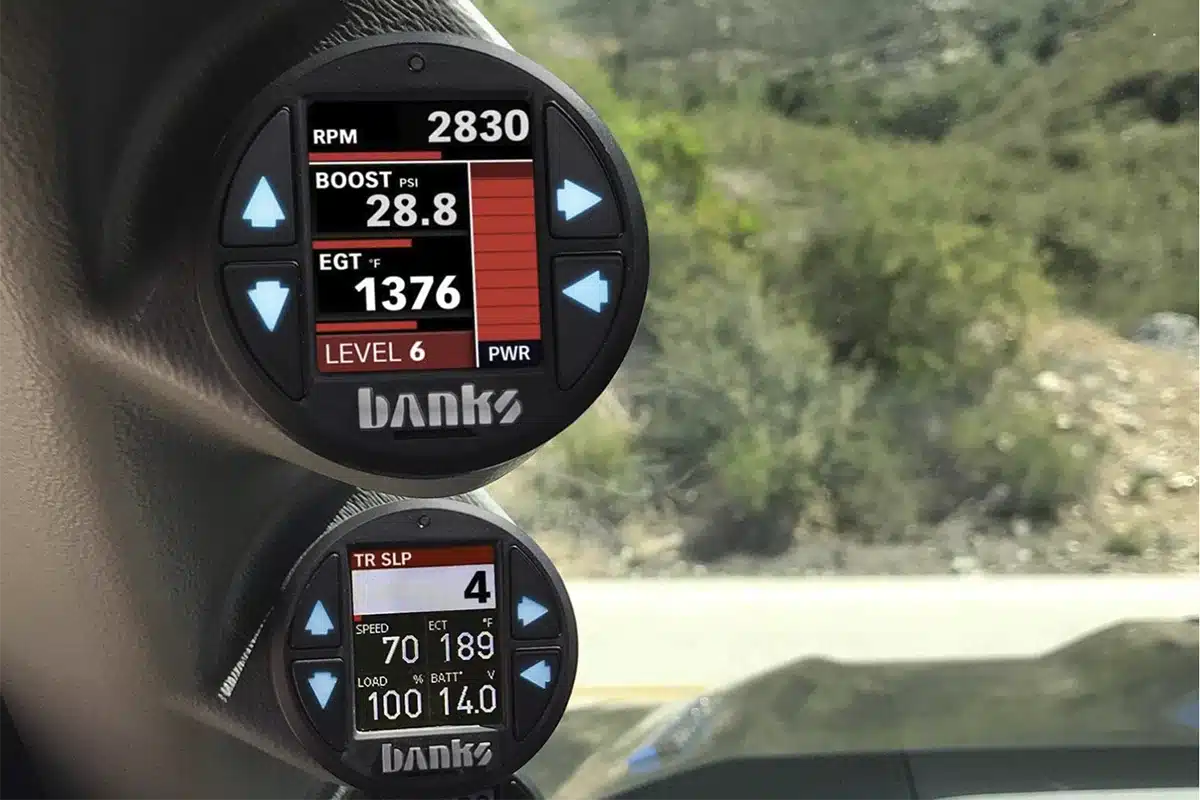
For Louis, I don’t think the answer is directly how often he should be forcing a manual regen based on miles, it should be on the DPF levels.
Instead, I’d recommend installing a Banks iDash, like he mentioned he wanted to install a monitor in his email. I installed one in the 2023 Chevy Silverado 1500 3.0-liter Duramax diesel I owned.
The iDash takes the guesswork out of diesel ownership by letting you monitor exactly what’s happening inside the emissions system. It displays DPF soot level percentage, regen trigger percentage, regen status, and time or miles since the last regeneration. Rather than wondering if your truck needs attention, you can see exactly how much soot has accumulated and whether the truck is preparing for or actively performing a regeneration.
One of its most useful features is the ability to set custom alerts. For example, owners can have the iDash flash a warning or sound a chime when soot loading reaches 80 to 90 percent. Instead of shutting the truck off after another short trip, you can take it out on the highway and allow the regeneration to complete naturally.
If the soot level is high or if you decide its high, the iDash can also initiate a manual regeneration.
To me, that’s the best middle ground in this debate.
GM says normal short trips won’t damage the engine. Diesel mechanics continue to tell me excessive idle time and interrupted regeneration cycles are the bigger concern. A Banks iDash lets owners monitor what the truck is actually doing instead of relying on mileage estimates, internet myths or guesswork.
What do you think? If you own a diesel, have short trips caused any DPF issues, or has your truck handled them without a problem?
The post Do Short Trips Really Hurt Modern Diesel Trucks? Engineers and Diesel Mechanics Weigh In appeared first on Pickup Truck +SUV Talk.
