
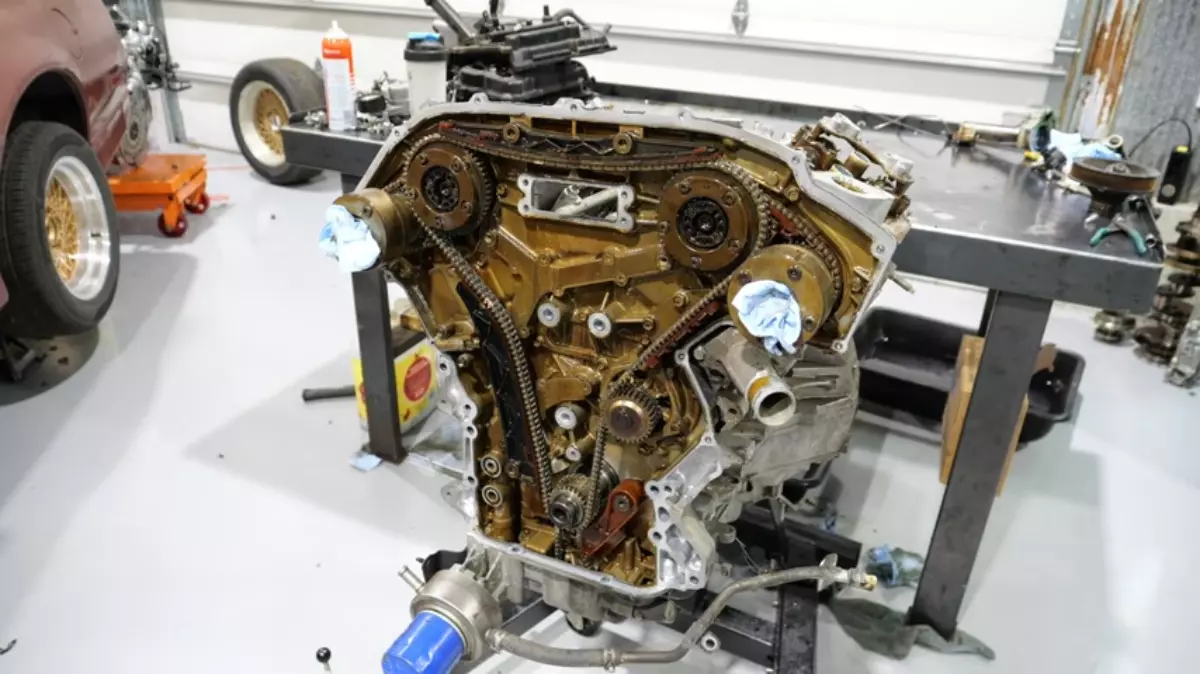
A teardown of a catastrophically failed Nissan Frontier VQ38 engine recently made the rounds online, raising fresh questions about the engine’s internal water pump. Did Nissan introduce a major weak point with its new 3.8-liter V6, or was this simply an isolated failure? After reviewing the I Do Cars teardown and comparing it with owner reports, the answer appears to be somewhere in the middle.
With that, it’s important to point out that the VQ38’s internal water pump isn’t proving to be a widespread failure point. The real story is that when it does fail, it’s far more expensive to repair than the previous VQ40 because of Nissan’s redesign.
The Nissan Frontier’s 3.8-liter V6 (VQ38DD) Engine
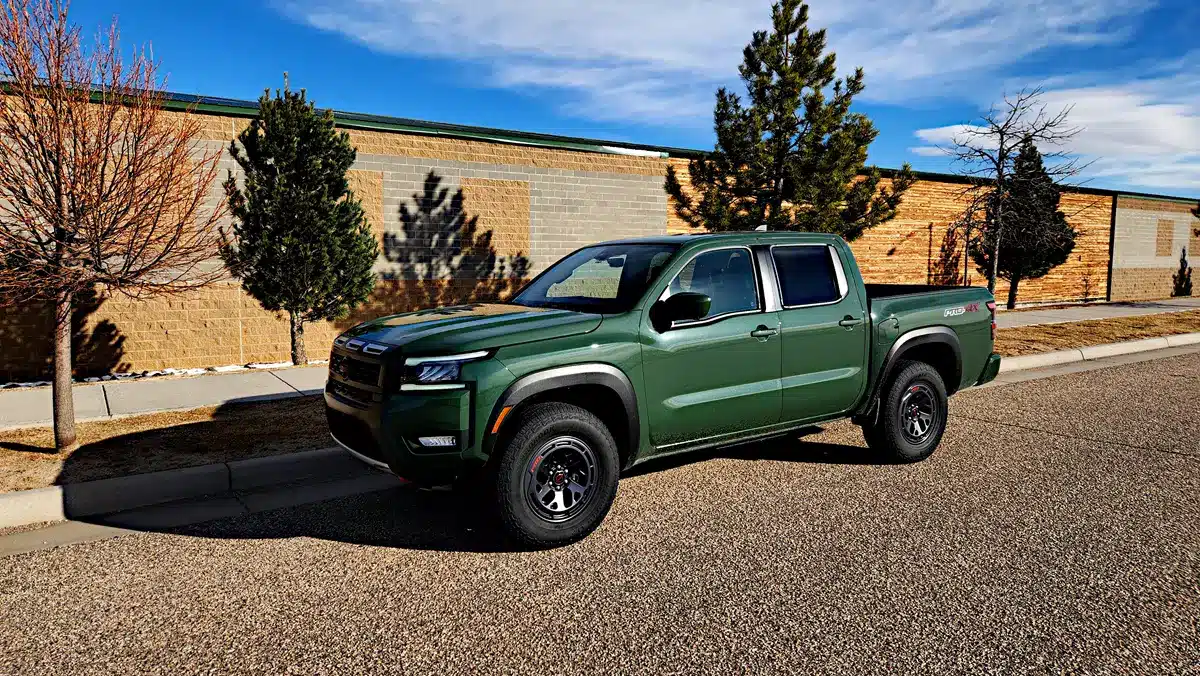
Introduced for the 2020 model year, Nissan’s 3.8-liter VQ38DD replaced the long-running 4.0-liter VQ40. Like other members of the VQ family, it uses an internal, chain-driven water pump rather than the more traditional external pump
The VQ series is a long-running, well-established, and respected engine family with a reputation for dependability. It’s one of the core reasons the Frontier has remained a steady-selling pickup. This engine is also one of several in Nissan’s lineup that includes an internal water pump in its design.
Why This Failure Happened
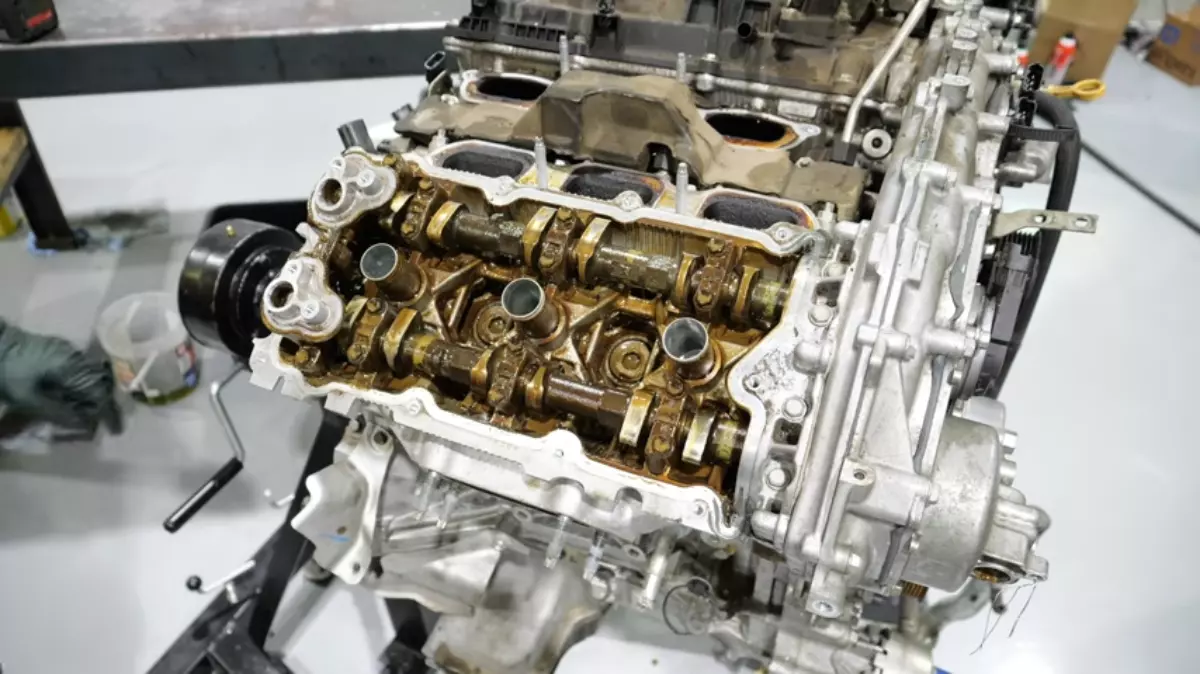
Evidence found during the teardown, especially on inspection of core engine elements, illustrated a pattern of neglect for this particular Nissan V6. It was clear that oil changes were often extended beyond recommendations on this 120,000-mile engine. This usually leads to what’s called burnishing on components which happens when the engine’s heat interacts with motor oil that has broken down with use.
The teardown found:
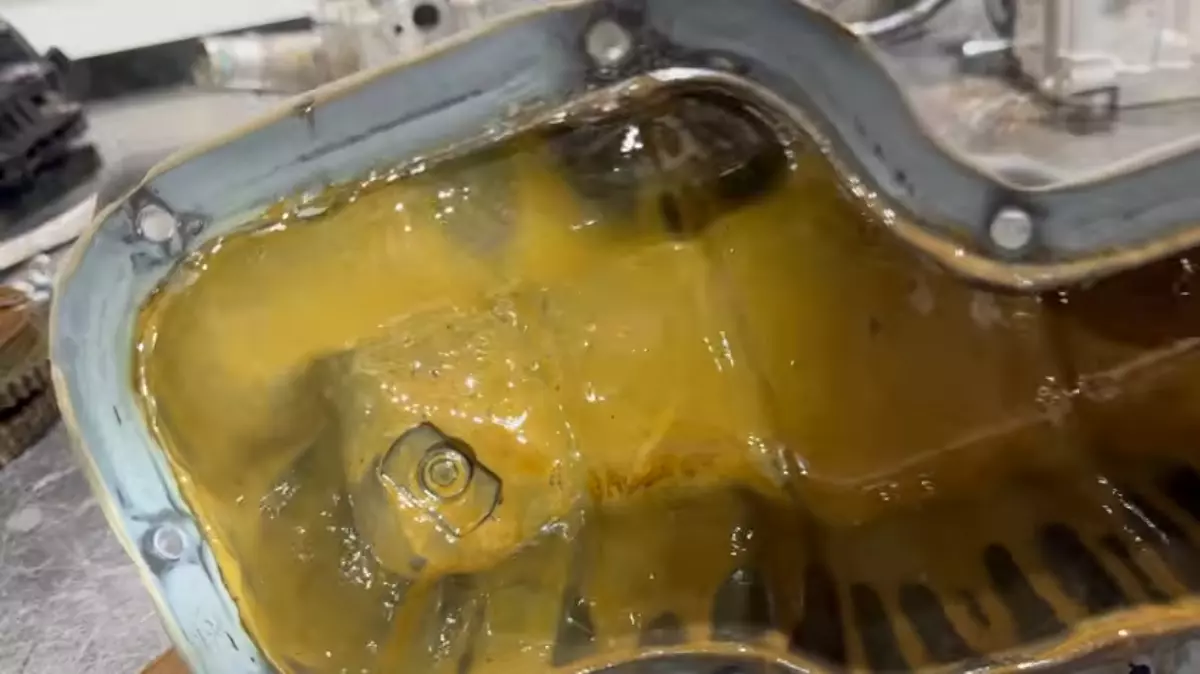
- Severe coolant contamination throughout the engine oil.
- A water pump with completely failed bearings and a fractured shaft.
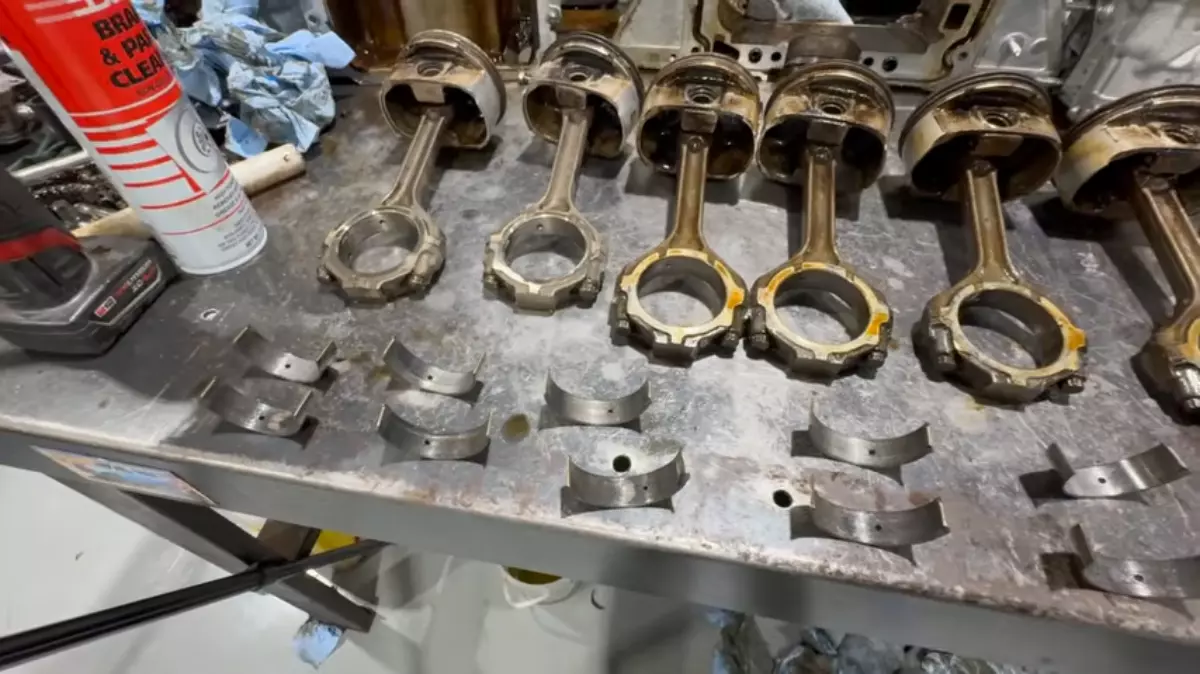
- The oil/coolant mixture this created destroyed engine bearings.
- Extensive main and rod bearing damage.
- Moderate camshaft journal wear indicating slow neglect over time.
- Contaminated oil passages with debris as well as coolant/oil mixture.
It’s very likely that this lack of proper lubrication, thanks to owner neglect, was a strong contributor to the water pump’s failure. The pump itself, on inspection, showed extreme wear as its shaft shifted and eventually fractured, causing it to gouge into its seat and break its seal. Allowing coolant to freely enter the engine’s oil distribution system.
The combination of water-based coolant and motor oil makes a milkshake that removes most of the lubrication properties of the oil and “steam cleans” engine components in the process, compromising protective coatings.
Is This Frontier VQ38 Water Pump Failure a Trend?
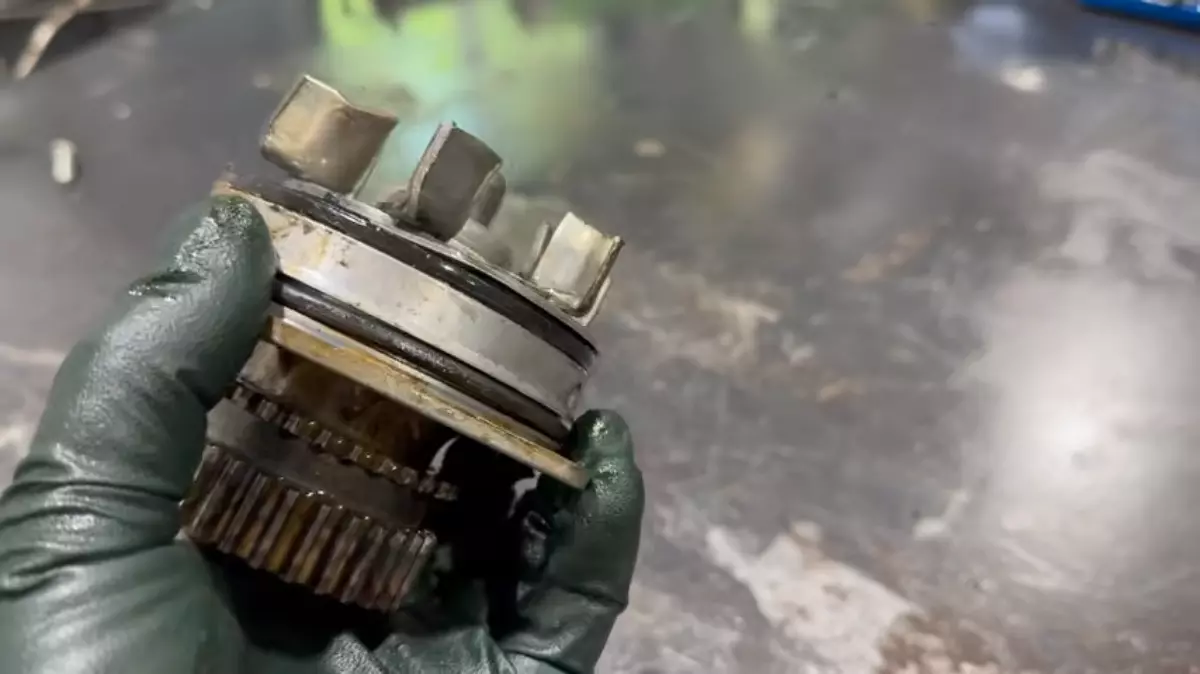
The water pump failure in this video does not establish a trend. Looking through owner’s forums like ClubFrontier, social media, and technician posts, there’s no clear trend of water pump failures for the VQ38. Or, frankly, for any of the previous renditions of the VQ series.
This does not mean that it doesn’t happen, but it does mean that it’s not a common problem. There are no official recalls or lawsuits regarding this issue. Most water pump failures are caught early thanks to the weep hole designed for that purpose. VQ38 water pumps seem to fail no more often than do pumps on other engines as an average.
The water pump’s location inside the timing cover where it’s turned by the timing chain is not unusual either. Many vehicles use this same design.
Why This Is Still a Concern for Frontier Owners
What’s concerning here is that cost-cutting in this engine’s design seems to have led to a potentially expensive issue for Frontier owners. The new engine, unlike its VQ40 predecessor, does not have an access port designed into the timing cover for that water pump. Which means that the entire timing cover and everything in front of it must be removed in order to service/replace the water pump.
This makes the replacement of the water pump a costly endeavor. According to Nissan’s dealership, repair estimates for the VQ38 water pump replacement is 11 hours of labor, plus parts. For the previous-generation VQ40 engine, the repair time is estimated at 2.75 hours of labor. That’s a cost difference of thousands of dollars, pushing the repair from about $800 to over $2,500.
That means a failure, even if it’s just a small seal leak, becomes very costly very quickly.
Nissan has not publicly explained the redesign. However, eliminating the service opening may have simplified manufacturing, improved sealing, or increased timing cover rigidity.
What Is Learned From All of This?
The teardown does not conclude that every current-generation Frontier will suffer this failure. In fact, the VQ38 still benefits from Nissan’s long-running VQ engine architecture, which has generally earned a reputation for durability.
A lack of consumer-side reporting of similar problems also indicates that this is not an issue most Frontier owners will face. With tens of thousands of these trucks on the road now and few complaints, that much is obvious.
What we do recommend is not to panic, but to be aware of the issue, monitor the cooling system closely, and investigate any unexplained coolant loss immediately before a failing water pump has the chance to destroy the engine. Once a leak starts, it will get worse.. and fast. That’s true of any engine and most any kind of leak. But especially true of water/coolant leaks.
Signs of a failing VQ38 water pump include:
- unexplained coolant loss
- coolant smell
- overheating
- milky oil
- low coolant warning
- unusual engine noise near timing cover
At this point, the VQ38’s internal water pump appears to be a repair-cost issue rather than a reliability epidemic. Owners shouldn’t assume their Frontier is headed for catastrophic engine failure, but they should take coolant loss seriously. Because replacing the pump is expensive, and ignoring it can be catastrophic, early diagnosis is far cheaper than waiting until coolant reaches the crankcase.
The post What About That Nissan Frontier VQ38 Water Pump? Big Fail Point or Big Nothing? appeared first on Pickup Truck +SUV Talk.
