
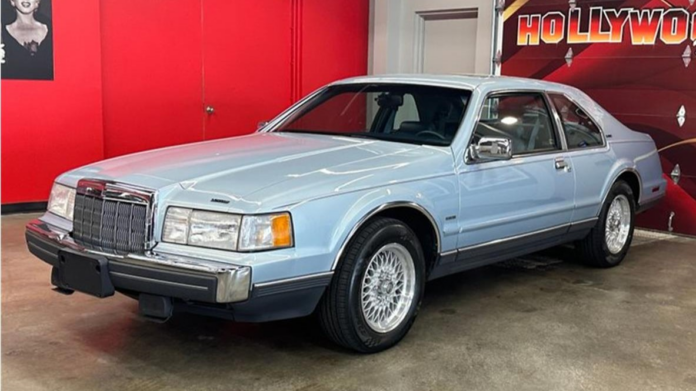
One of the many cars I remember testing with my dad is our Pick of the Day. This model was a complete transformation from versions that preceded it, yet I think few people would deny it’s a legitimate part of the lineage. Would you agree? This 1990 Lincoln Mark VII LSC is listed for sale on ClassicCars.com by a dealership in West Babylon, New York.
When the Lincoln Continental Mark VII first appeared for the 1984 model year, it looked like no Mark that preceded it. In fact, it practically looked unlike anything on the road aside from the Ford Thunderbird and Mercury Cougar, two lesser models that shared the same wind-tunnel inspiration. Was the Mark VIII a car worthy of its name?
The car that eventually became to be known as the Mark I was introduced for 1940 as the Lincoln Continental. Edsel Ford commissioned Ford design chief Bob Gregorie to develop a custom, European-inspired Lincoln-Zephyr for his Florida vacation home. Feedback from onlookers was great, provoking Edsel to push for production. The new Lincoln Continental was produced with few changes through 1941, then restyled for 1942; after the war, the same car — the last of America’s V-12s — was given more chrome up front and produced through 1948.
When Ford Motor Company decided to create an ultra-premium successor in the 1950s, it even created a new division (Continental) just for this specific model. Named the Continental Mark II, this vehicle featured the first use of the Mark name and was the inspiration for all Marks to follow. Positioned as a luxury coupe with a $10,000 price tag (Rolls-Royce territory), the Continental Mark II was quite majestic but could not sustain itself (or its division) in the market after 1957.
A Continental Mark III/IV/V appeared for 1958/59/60, but it was just a fancier Lincoln and not something produced or promoted in the same vein. However, in 1968, the Lincoln Continental Mark III was introduced. Though not priced like a Rolls-Royce, it nonetheless was a luxury coupe like before, though now the industry categorized it as “personal luxury.” A succession of models through the Mark VI carried on the theme (the latter even featuring a companion sedan), but the Mark VII was something different.
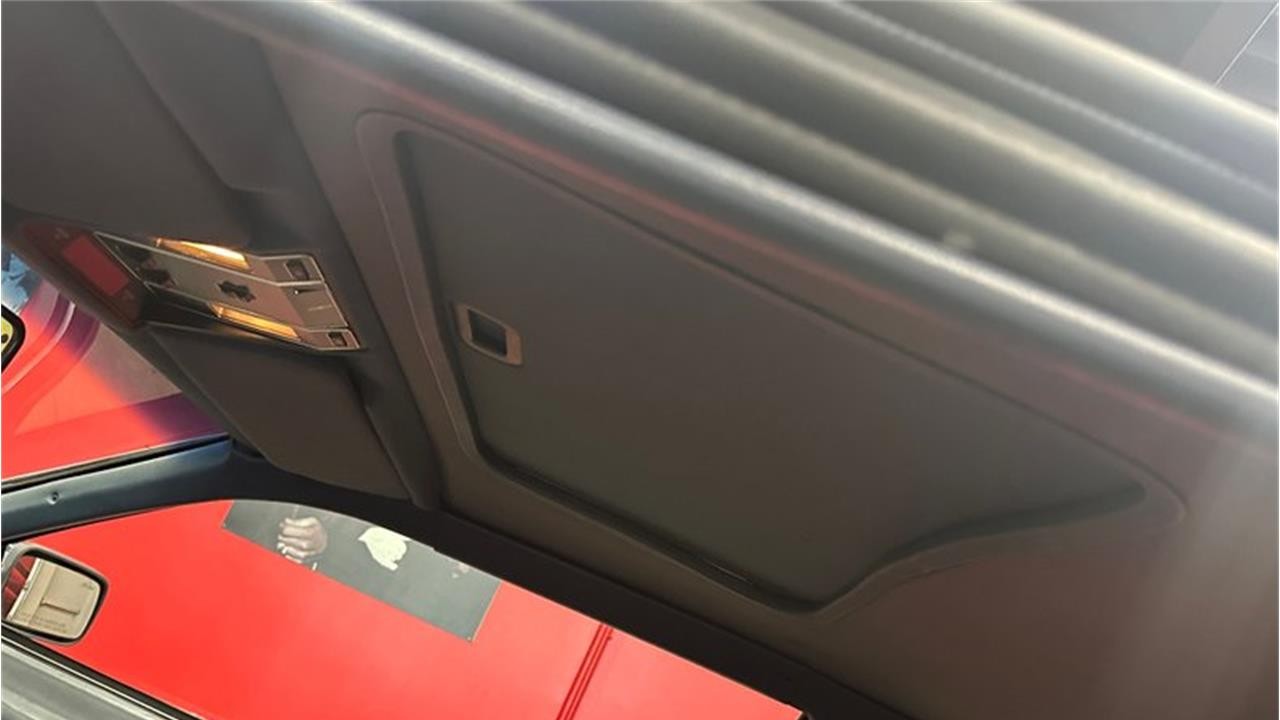
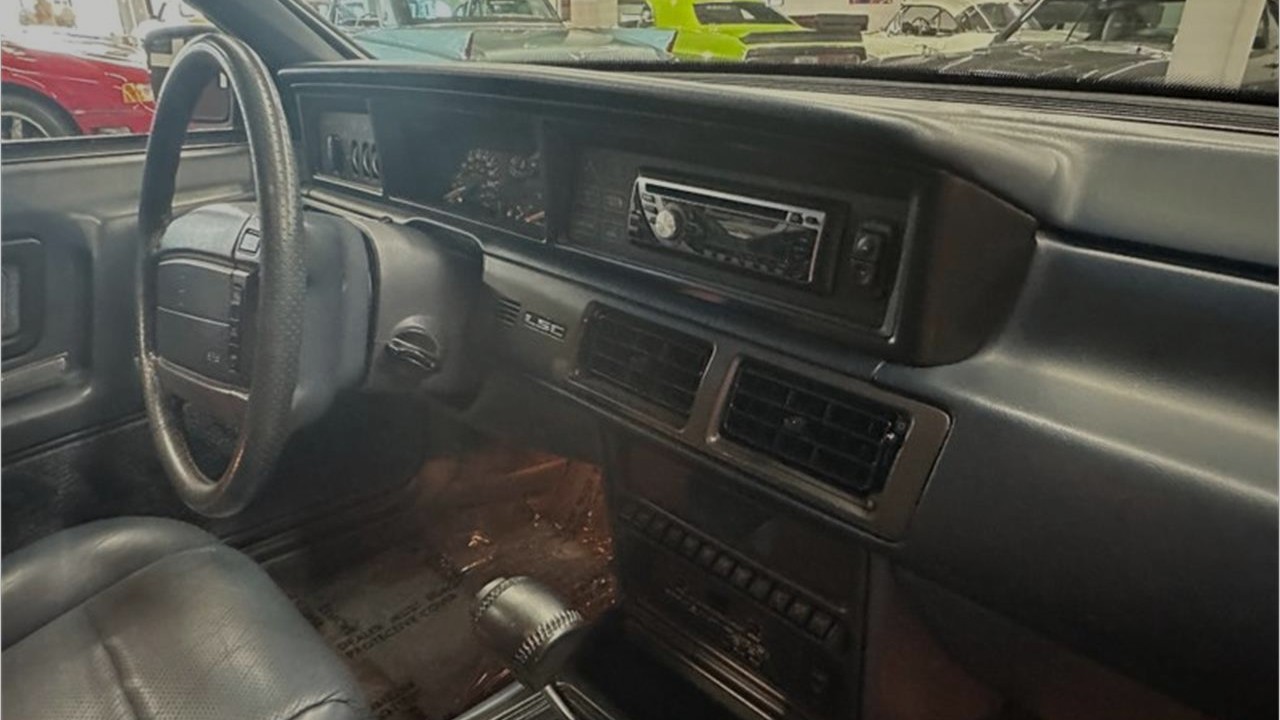
Based on the Fox platform and powered by a 140-horsepower 302ci V-8 (or an optional, BMW-sourced turbodiesel for 1984-85), the Mark VII featured an aerodynamic body with America’s first composite halogen headlights. In the Lincoln tradition, the Continental Mark VII was offered in base, Bill Blass, and Versace editions, plus LSC — that stood for Luxury Sport Coupe and gave the Mark VII a more sporting bent. Over time, the LSC lost its digital dashboard (which went analog), horsepower increased (first to 200, then 225, just like the Mustang), and the Continental name was dropped. By the end of its evolution for 1992, the Lincoln Mark VII was available as a Bill Blass edition or LSC, both more or less even in equipment and performance.
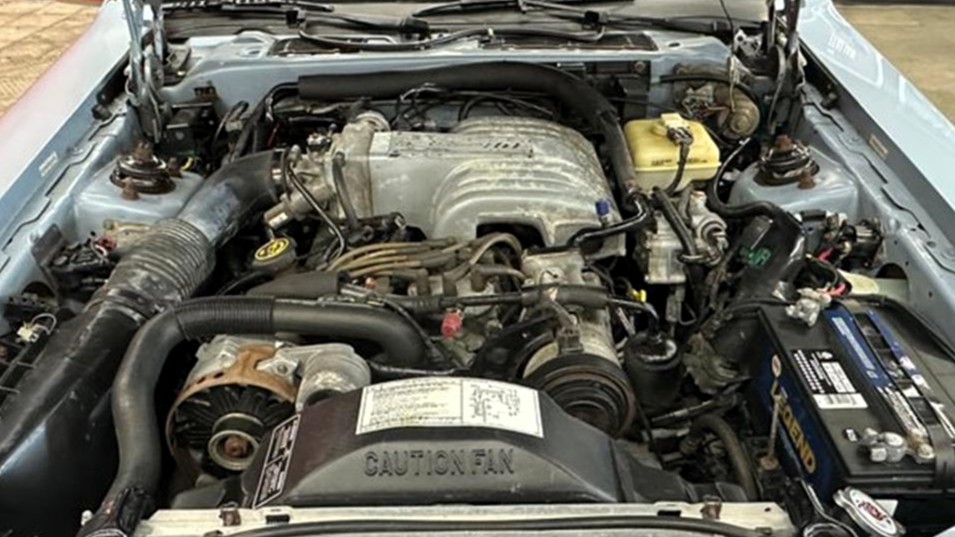
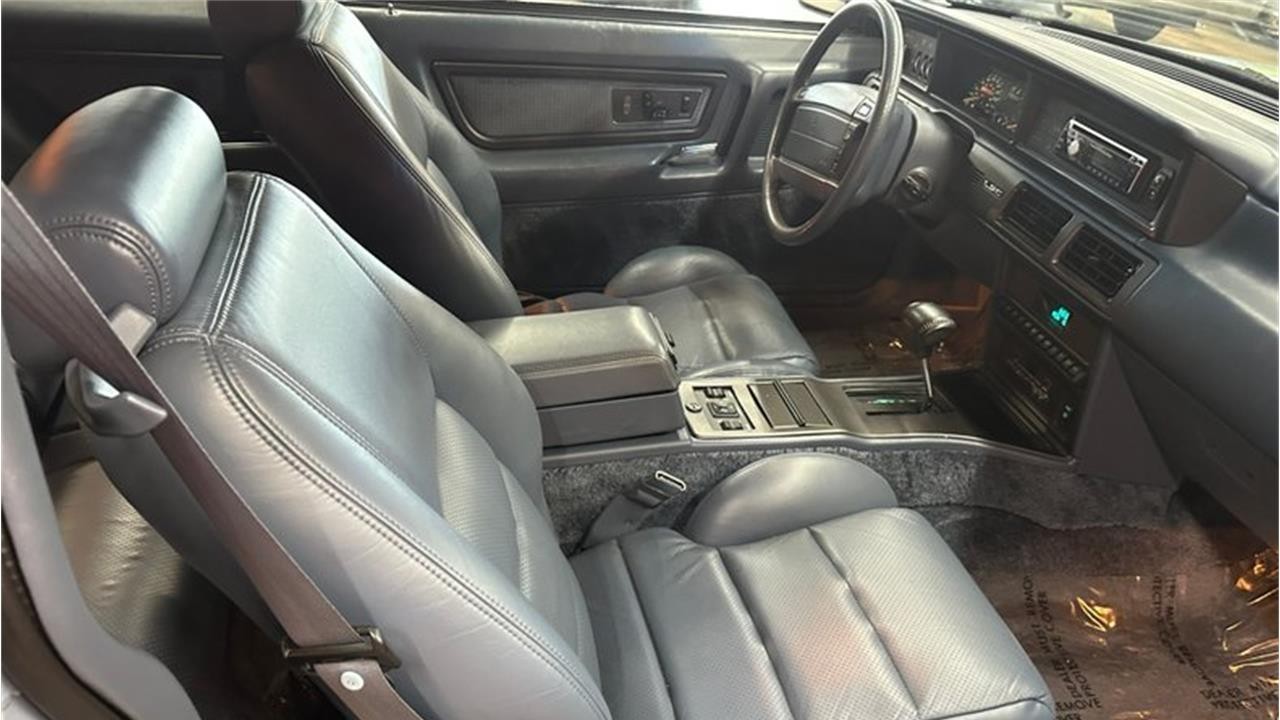
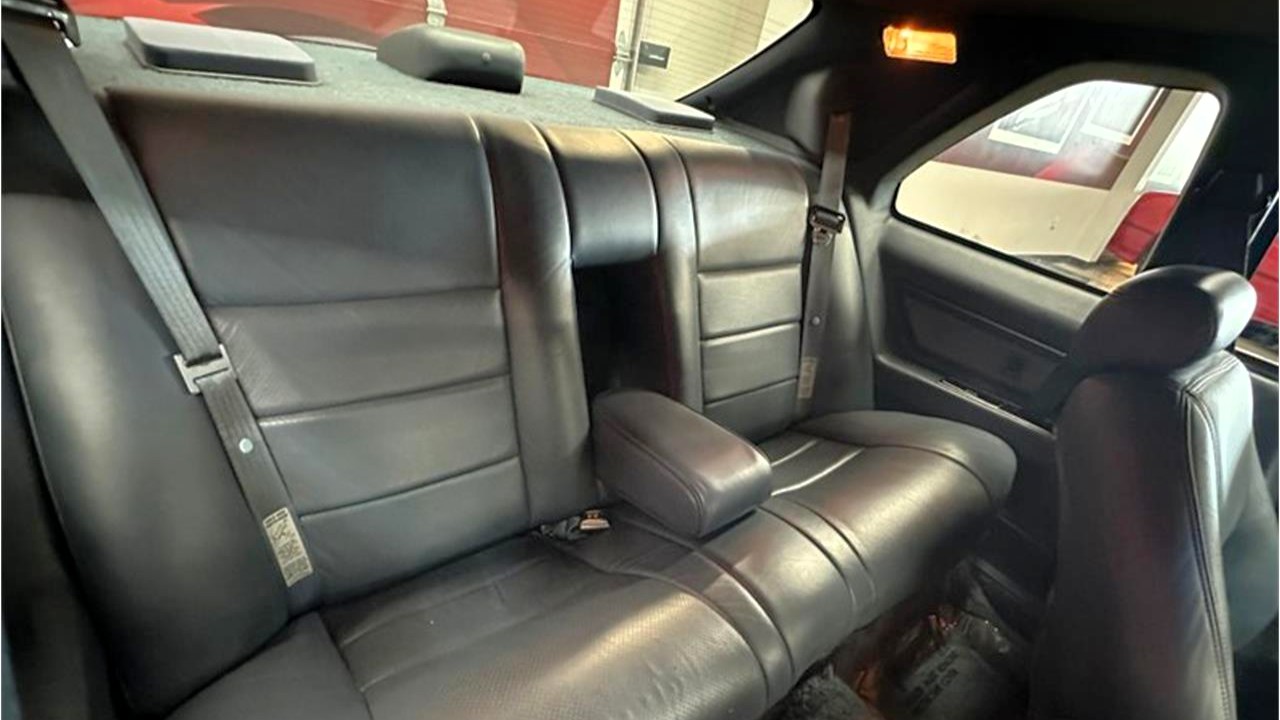
This Light Crystal Blue Metallic 1990 Lincoln Mark VIII LSC (one of three exclusive LSC colors) is in “mint original condition” with “low original 88,000 miles.” Like all Mark VIIs, it has the high-output 5.0 connected to a four-speed automatic with overdrive and dual exhausts. “Dark blue leather interior in excellent condition,” says the seller. Other features include buckets and console, moonroof, keyless entry, cast-aluminum wheels, four-wheel ABS brakes, electronic air suspension and level control, and driver-side air bag.
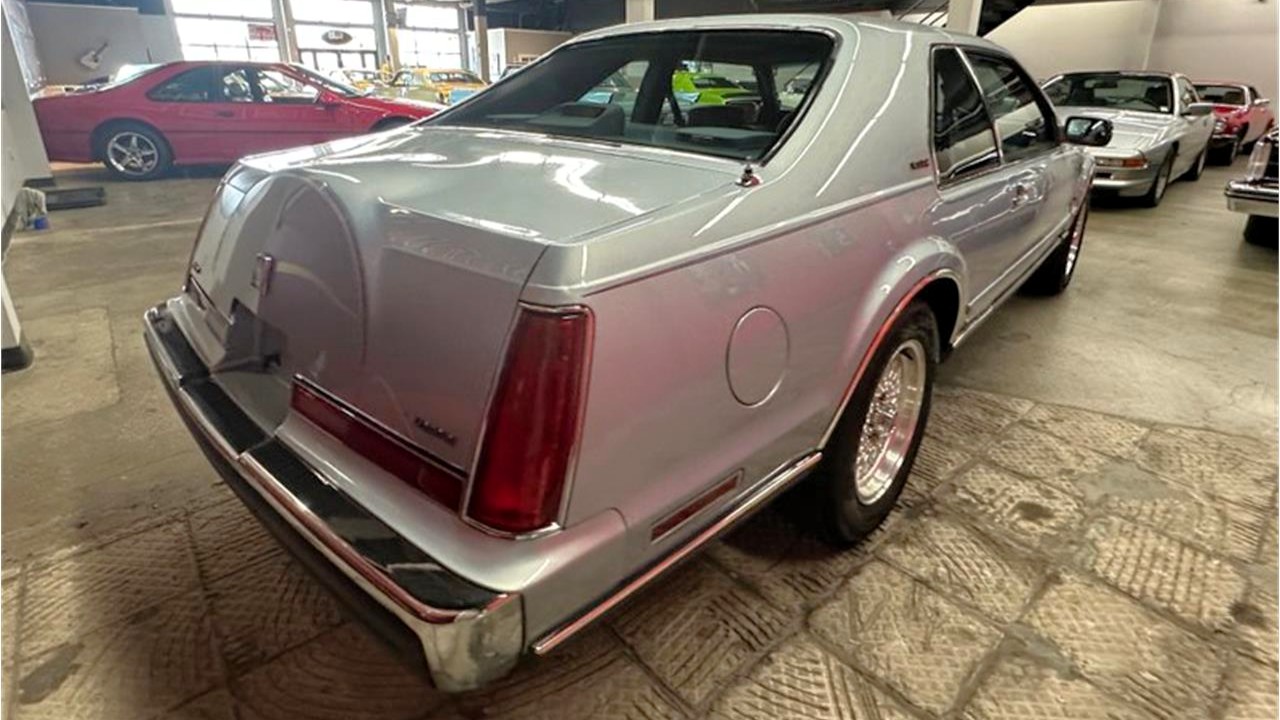
“High-tech instrument cluster controls fuel range, fuel economy, and real-time diagnostic system overlays,” adds the seller. But let’s not get distracted by evolution — the Lincoln Mark VII may have been more revolutionary than evolutionary, but it still qualified for the Mark designation, wouldn’t you agree?
Click here to view this Pick of the Day on ClassicCars.com

