

Shifter from a 1992 BMW 535i, just the way it used to be.
You may have heard the joke how a car with a manual transmission is the best theft-deterrent available. However, parents of teens are taking a different tack on the traditional standard transmission.
Everyone knows that distracted driving is a problem, but it’s out there front-and-center every day for me. As a motorcycle rider, I often have a good vantage point to notice the distracted that impair my safety. I even notice people in modern cars that have Bluetooth, yet drivers have their cell phone stuck to their ear. That’s unacceptable.
A small segment of parents understands this and wish to contribute to safer roads for their loved ones and the rest of us. They believe teaching their teens how to navigate a shifter and clutch will result in fewer opportunities to be distracted while driving. According to one parent, “Driving a stick shift requires constant focus and anticipation. You need to think ahead about when to upshift and downshift, coordinate the clutch and gas pedal and stay mentally engaged with every aspect of driving. There’s something about that engagement that makes you a better, more attentive driver. The room for distraction shrinks.”
Parenting certainly is different these days—sure, that could be said about any generation, but there is plenty of uncharted territory when it comes to cell phones, the Internet, and our children. As cell phones may appear as a natural extension of a teen’s persona, it is realistic to assume they will be a distraction behind the wheel (because, after all, it doesn’t happen with adults, right?). According to the Center of Disease Control, the risk of motor vehicle crashes for those 16-19 are high than for any other age group. If it’s nighttime or the weekend, the risk goes up. Males are three times as likely to be killed as females in the same age group. Passengers also increase the risk of crashing—no, not you, but your kid’s friends, even those considered “young adults” by you old fogeys. Each young passenger increases the crash risk.
This is not to say teens driving a car with a manual transmission cannot be distracted, as even we adults develop clever ways to multitask. “The manual transmission might keep your teens’ hands occupied and off their cellphone for some time, but it’s unlikely that this alone will prevent them from driving distracted long-term,” says Dr. Shimoji-Krishnan, a Kaiser Permanente child/adolescent psychologist.
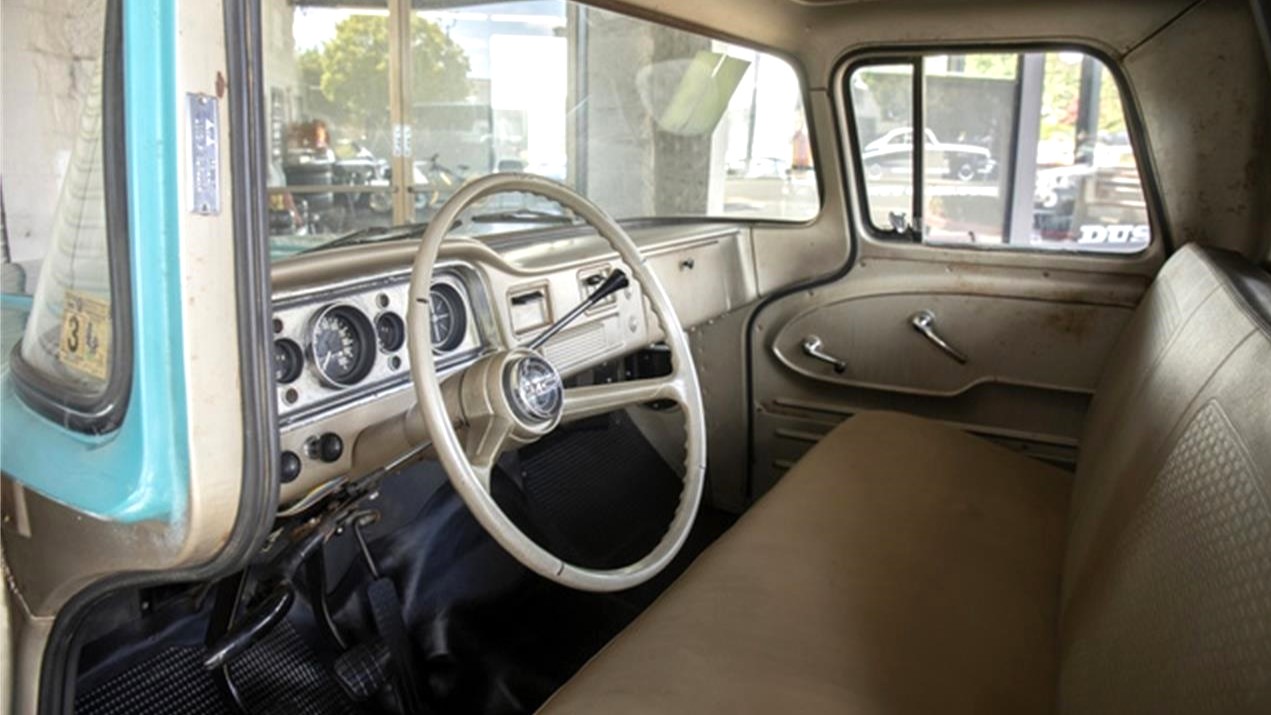
One parent raises the point that cars are more automatic than ever, giving teens the opportunity to use their phones for even more distractions. “There are so many functions the car does for you that it’s easy for [my son’s] mind to wander more.” Another parent adds, “Given today’s landscape, where teens often go through drive-throughs and eat in their cars while using their phones and talking to friends, it definitely forces [my son] to pay more attention to what he is doing behind the wheel than if he were driving an automatic.”
As enthusiasts, we know the take rate of stick-shift vehicles has been in decline for a long time. Several years ago, that number was 1.7 percent of cars sold in the U.S. That’s not to say many teens will buy new cars, but the pickings are quite slim. Nonetheless, one point of solace is that the ritual of obtaining a driver’s license has declined over the past 20 years—while I couldn’t wait to turn 16, many teens are “meh” about driving. And today we have Uber and Lyft as well, which provide a service that has proliferated on local roads.
This story was sourced from “Distracted driving is a real problem for teens. These parents think they’ve found the solution” on Yahoo.

