
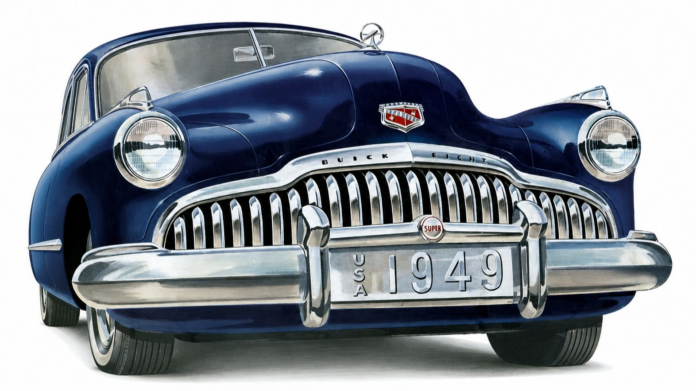
Have you ever seen two generations of the same vehicle produced concurrently? That’s something that I first experienced around 10 years ago: I was at a car cruise in Northridge, California and encountered what looked like a 1948 Buick Special, yet the owner told me it was from 1949. “Sure it’s a ’49? Buicks were redesigned for 1949!” I pointed out. Little did I know that Buick carried over the old version of the Special into 1949.
Today I know better, but it got me wondering if there are other examples of this. Do you know of others?
1949 Buick Special
For those of you not familiar with Buicks of this era, the Special was the brand’s cheapest model. For 1948, it rode on a shorter wheelbase (121 inches) than the Super (124) and Roadmaster (129), shared a straight-eight with the Super (but with lower compression), and used GM’s B-body instead of the C-body like superior Buicks.
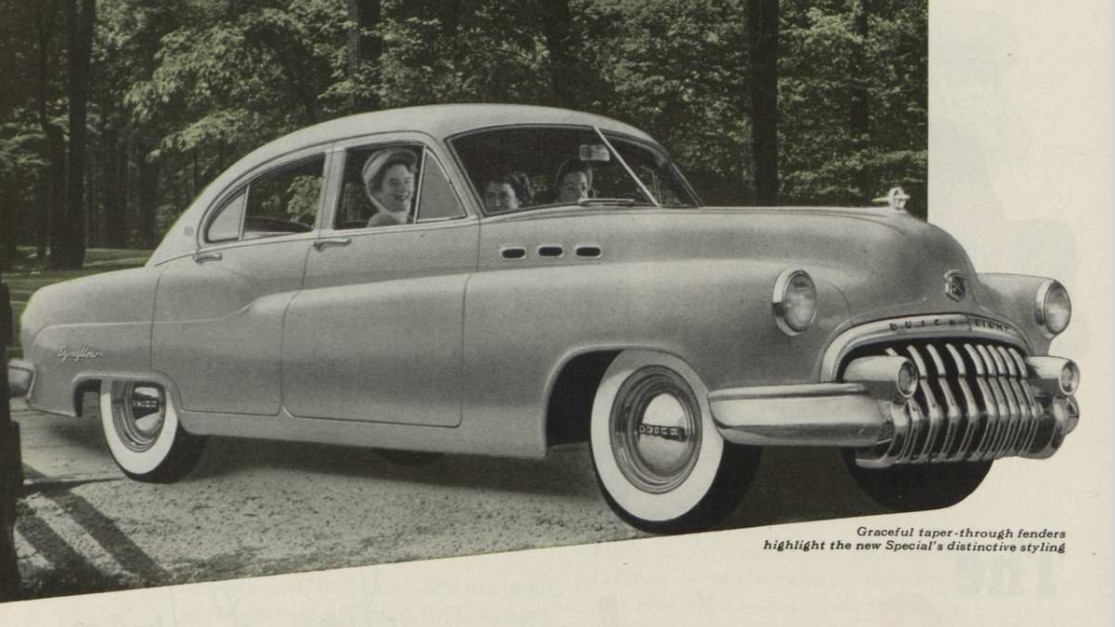
When the 1949s debuted, the Super and Roadmaster were completely redesigned, but the Special was a carry-over. In fact, the Special was not included in contemporary literature at the time. However, Buick eventually introduced what is generally characterized as a second-series 1949 Special, which was basically a restyled 1950 Special introduced before the 1950 Super and Roadmaster. Giving a peek into the future is a nice segue into the next vehicle…
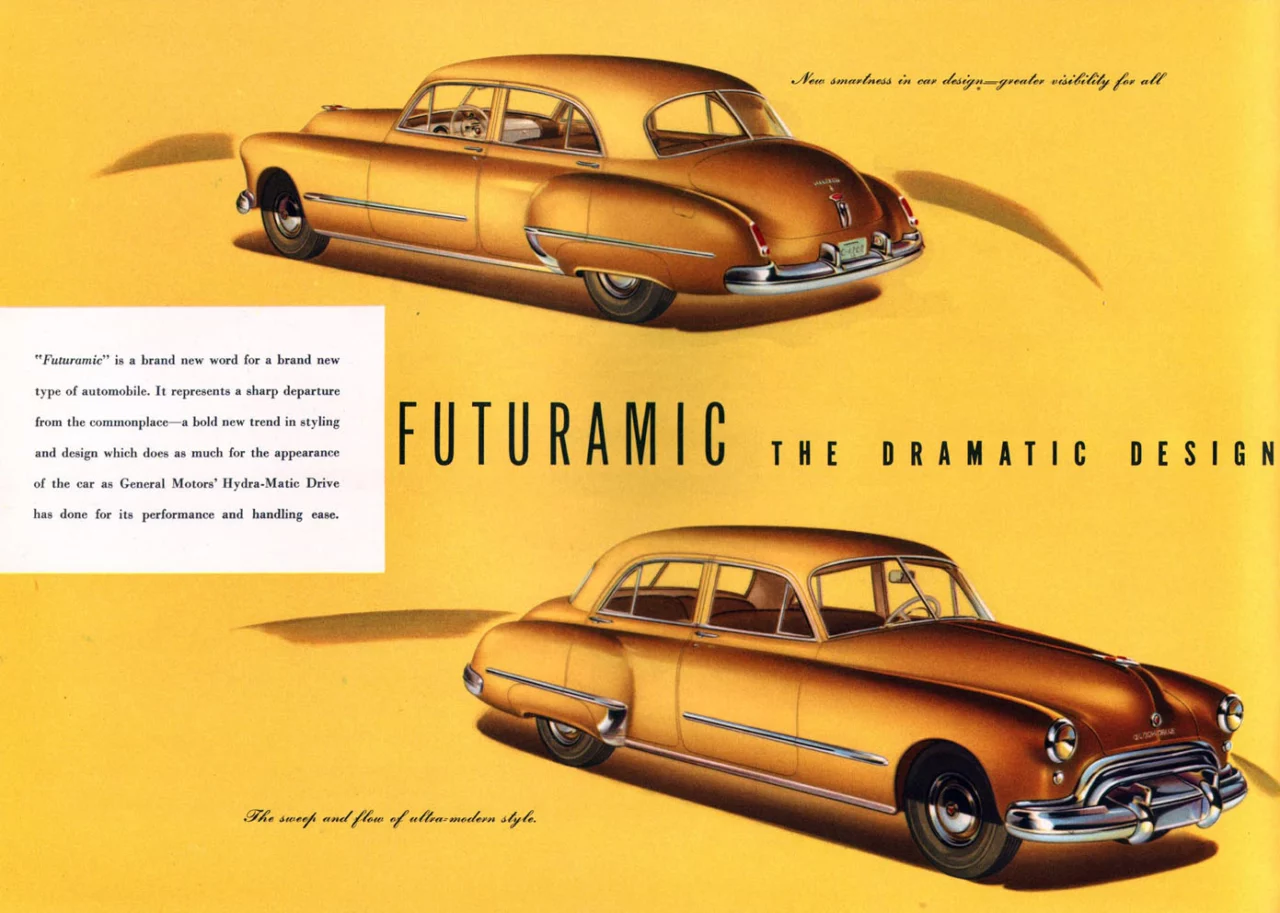
1948 Oldsmobile 98
Oldsmobile took the opposite approach in 1948: The redesigned, top-of-the-line 98 was all-new, while lesser series did not follow suit until 1949. The 98 was marketed as the “Futurmatic 98” because it gave a peek into Oldsmobile’s future (if not the future of automobiles in general). Though the 1948 98 used Oldsmobile’s carry-over straight-eight, Oldsmobile introduced an all-new high-compression V-8 for 1949 — another window into the future — the same year the rest of the Oldsmobile line was restyled in line with the 98.
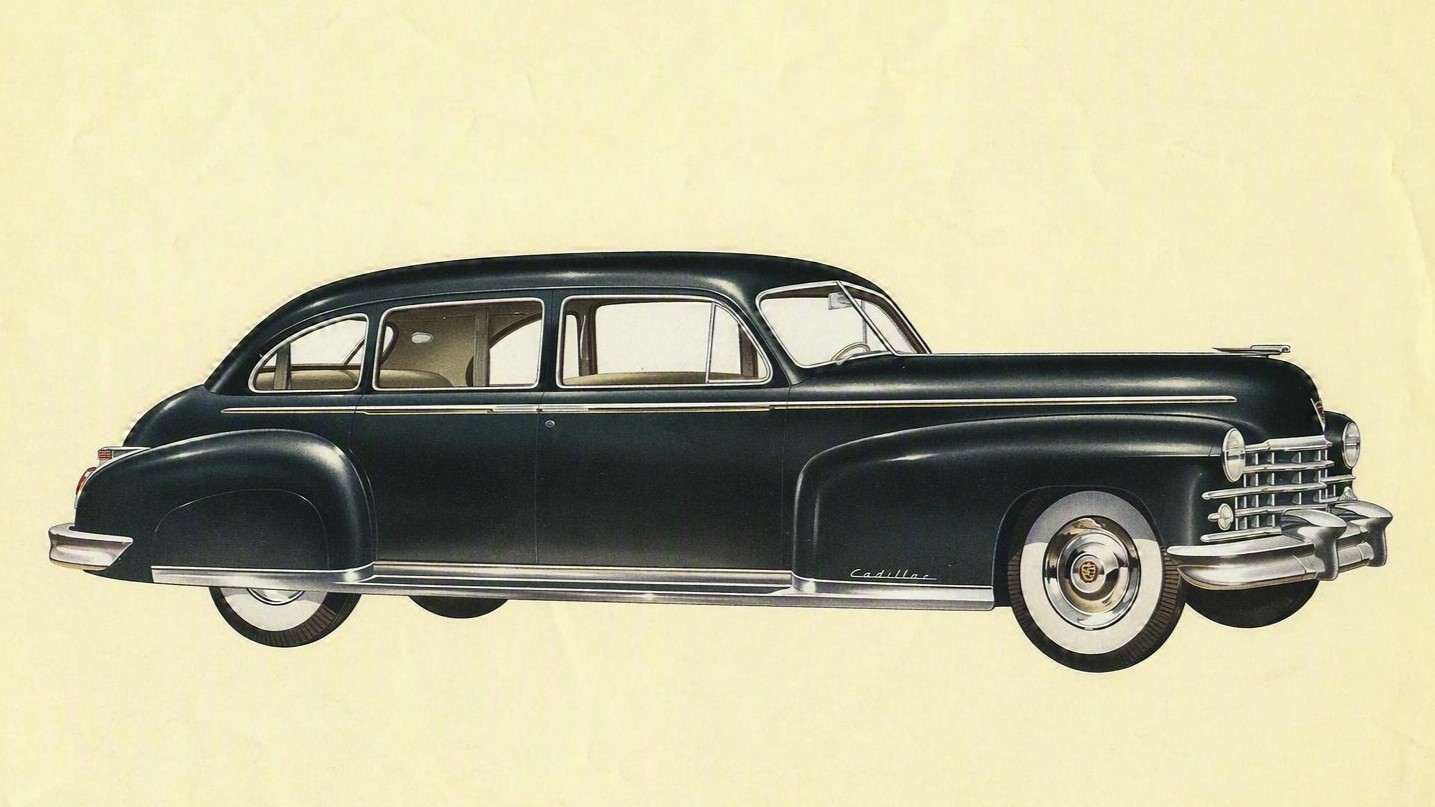
Cadillac Series 75 Fleetwood
Cadillac has traditionally handled the Series 75 Fleetwood two ways: as an in-house sedan or limousine with a 136-inch wheelbase, or as a custom-built professional vehicle with a 163-inch wheelbase. Regardless of the path a buyer chose, all Cadillac Series 75 Fleetwood models built for 1949 used 1941-48 bodies. Not until 1950 did the Series 75 Fleetwood join the rest of the Cadillac series in style.
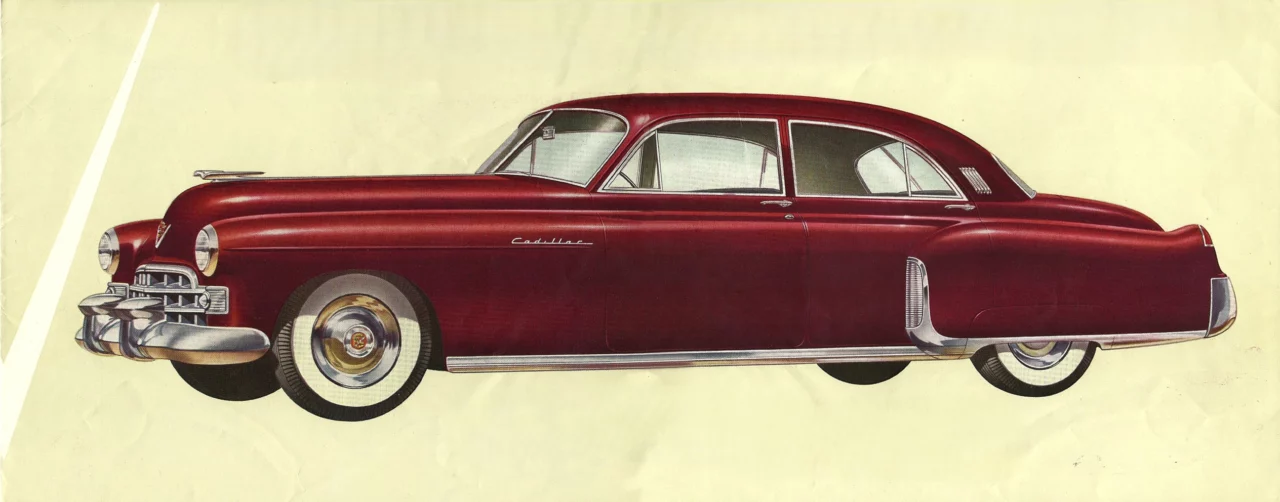
This process was repeated in 1965 when Cadillac redesigned its mainstream models, yet the Fleetwood Series 75 relied on the finned ’64 design. For 1966, the Series 75 Fleetwood’s joined the rest of the Cadillac line in terms of design and styling.
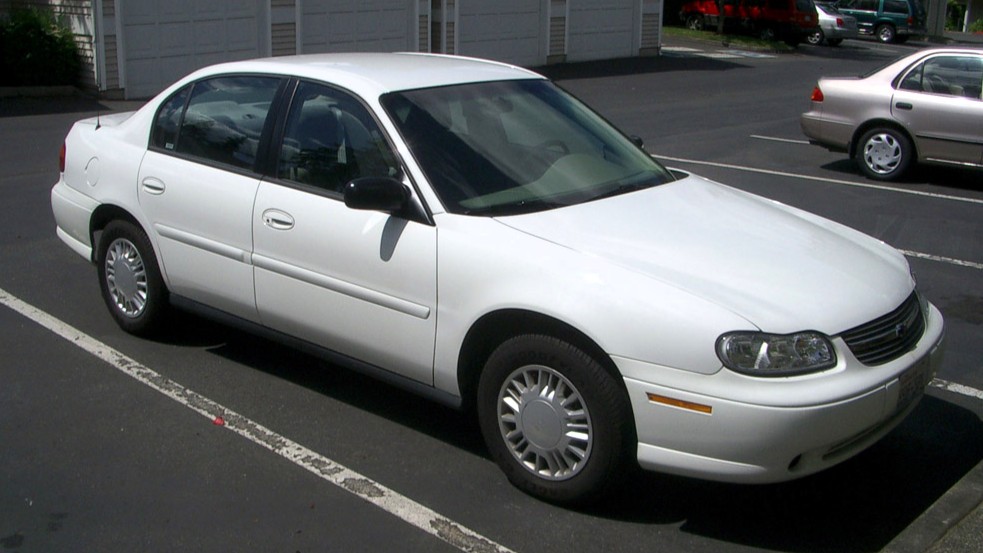
2004-05 Chevrolet Classic
From 1997-2003, Chevrolet produced the Malibu for the first time in over a decade. It was a ho-hum sedan that lacked excitement but was utterly reliable. Would you believe it even won Motor Trend’s Car of the Year award for 1997? The Malibu was redesigned for 2004, but Chevrolet ran the older version as the Chevrolet Classic for fleet orders for two more years.
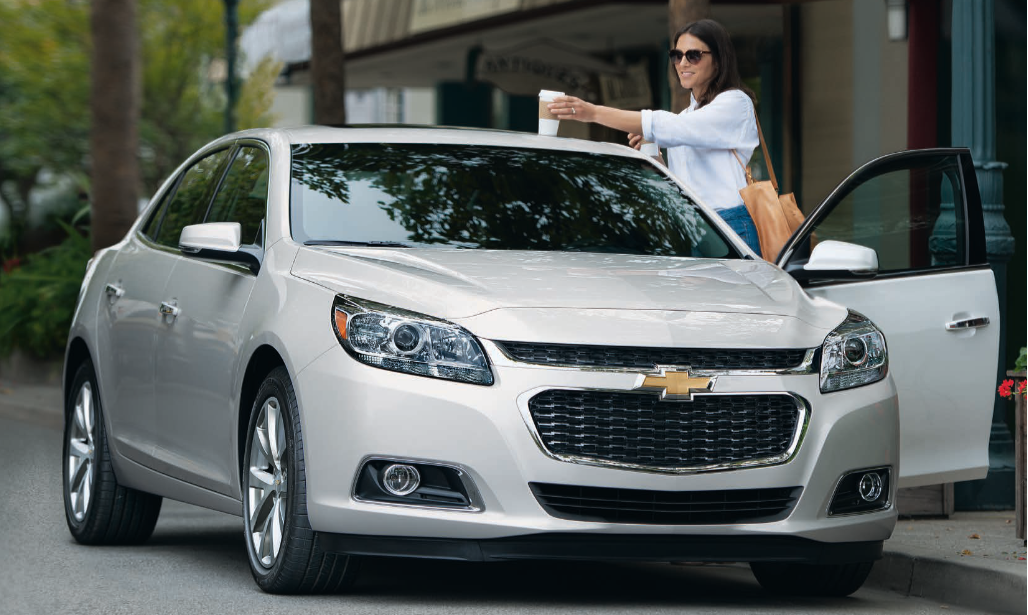
Chevrolet repeated the same with the 2004-07 Malibu, producing the 2008 Malibu Classic concurrently with the 2008-12 Malibu. Then, after the 2013-15 Malibu’s tenure, Chevrolet produced the Malibu Limited for 2016 when the 2016-25 Malibu was introduced.
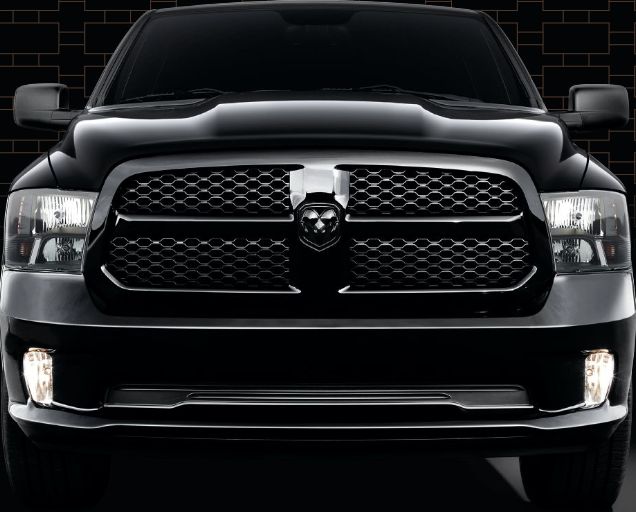
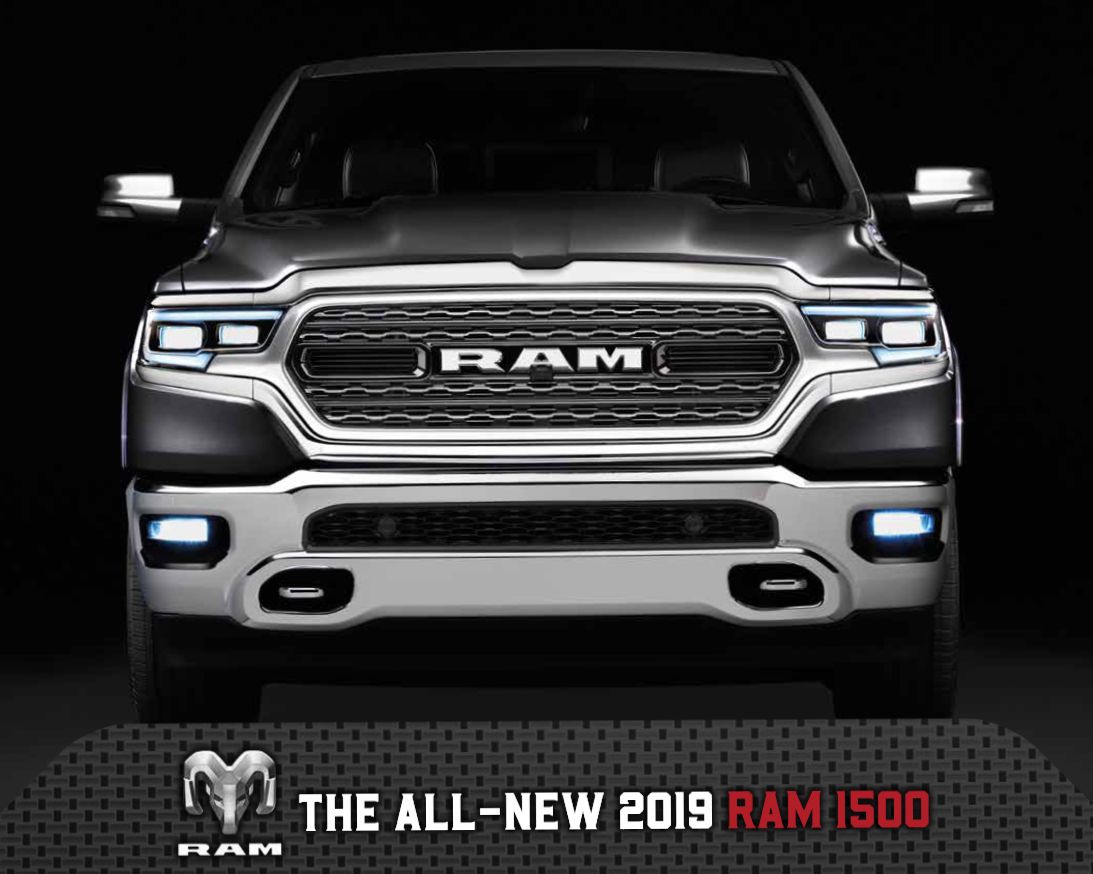
2019-24 Ram 1500 Classic
Notice a common theme here? “Classic” seems to be a common name used in the industry to signify a legacy model. In the case of the fourth-generation Dodge Ram, it was produced from 2009-18 (while changing its name from Dodge Ram 1500 to Ram 1500 in the process). When the fifth-generation Ram 1500 was introduced for 2019, the folks at Ram decided that were was a market for a cheaper pickup without the doodads that the new-gen pickup had, so Ram continued building the fourth-generation version and renamed it the Ram 1500 Classic. The Classic was available through 2024.

