
Honda Australia has a spring in its step after the launch of the born-again Prelude sports car and updates for its best-seller, the CR-V mid-size SUV, including an expanded hybrid lineup. Yet while rival brands are posting record sales, Honda’s growth has remained modest.
The company has also had to scale back its electric vehicle (EV) ambitions after the Japanese automaker axed most of its futuristic-looking 0 Series models shortly before their planned release.
At the same time, the introduction of Australia’s New Vehicle Efficiency Standard (NVES) and record fuel prices have made market conditions even more challenging.
Even so, the brand is finally on track to reach the 18,000 annual sales target it set when it controversially switched to a fixed-price agency sales model in 2021, eliminating price negotiation across its now 84-strong national dealer network.
Looking for your next car? We’ll help you research and compare so you choose with confidence.
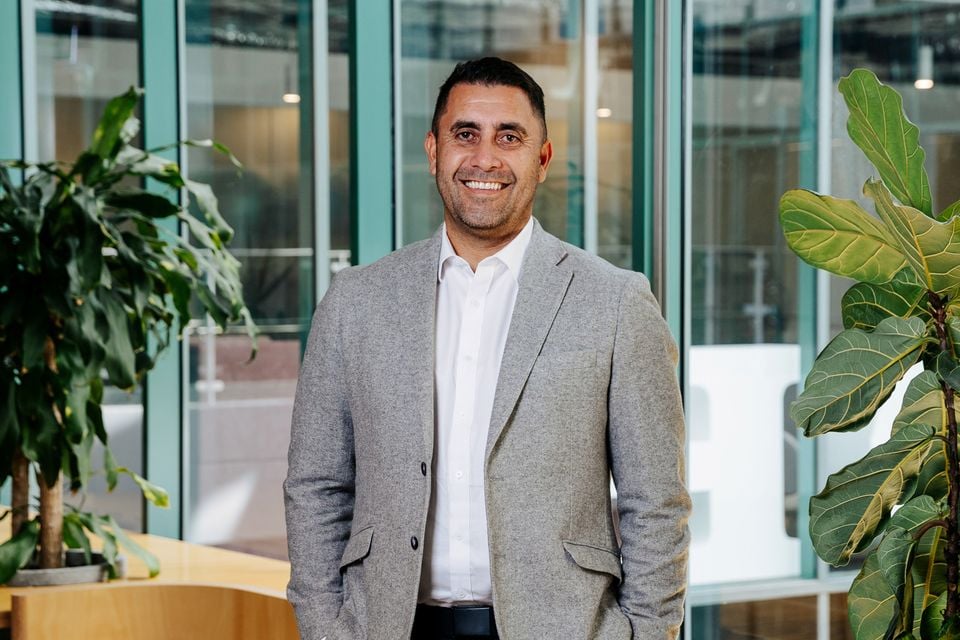
Honda Australia’s current CEO Jay Joseph arrived from Honda’s US operations at the same time Robert Thorp was promoted to the position of director in April 2025. After more than a year with new leadership, has the brand finally turned a corner? We sat down with Mr Thorp to find out.
Honda Australia posted just 0.8 per cent year-to-date sales growth after June 2026, a record month for new-vehicle sales in Australia. So why are you so happy?
Yes, when you look at the year-on-year growth, we are up maybe one per cent, but it doesn’t always reveal the full story.
The underlying business is really strong at the moment, and June in particular was our highest order intake in four years. They were real customers at the end of those orders – it wasn’t us relying on non-private purchased business.
So whilst the year-on-year growth doesn’t look strong, the health of the underlying business is really good, and the fact we’ve got that high order intake gives us a lot of confidence that what we’re doing within the business, and the improvements we’re making, are starting to deliver rewards.
I guess for us it’s sort of further validation that what we’ve got planned for the second half of the year, where we do expect to see some retail growth year-on-year, means we’re trending the right way.
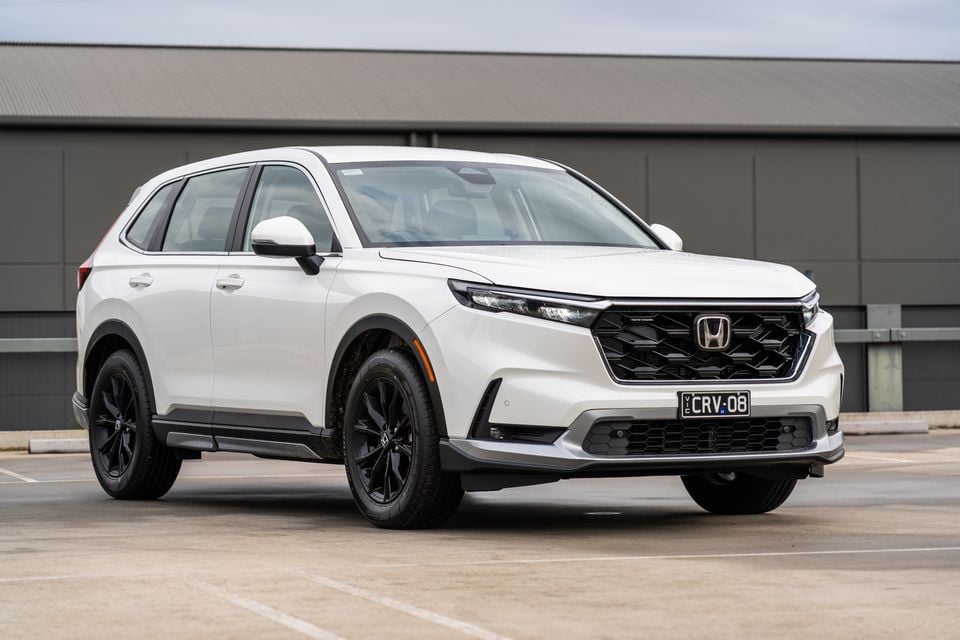
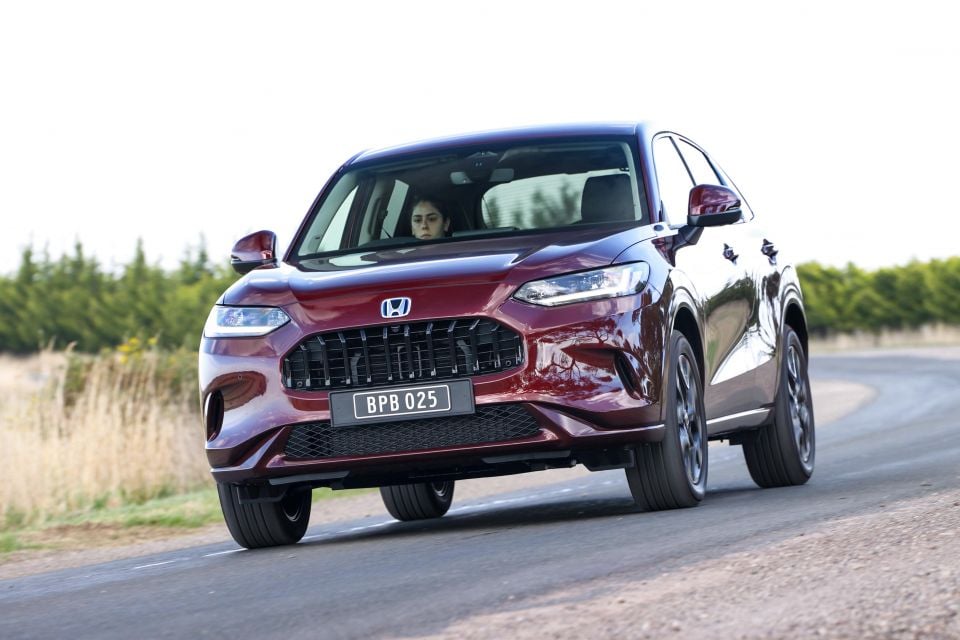
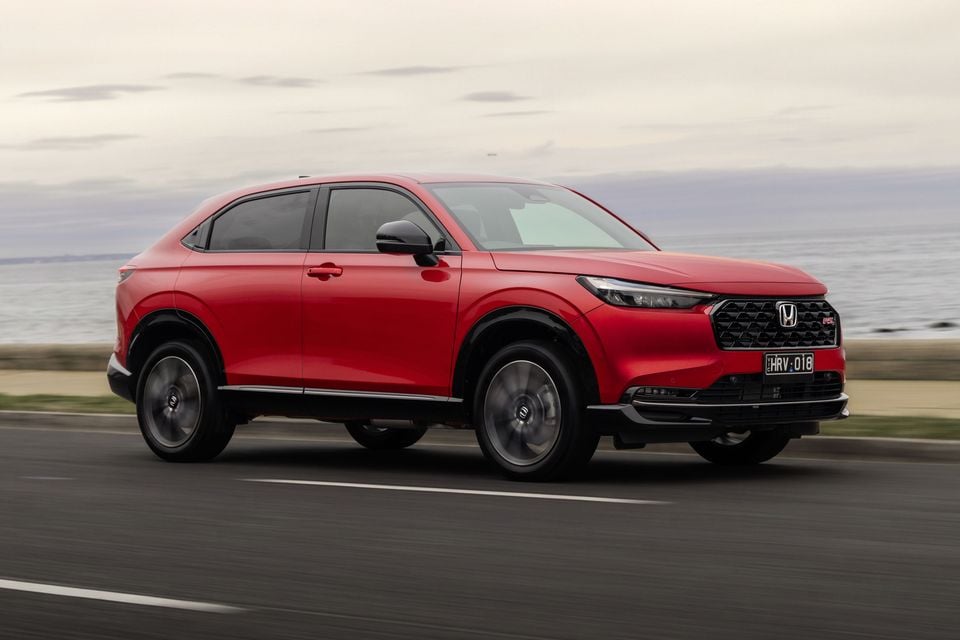
So we’ve just launched the updated CR-V and ZR-V, both of which have expanded hybrid lineups. Prelude has added some incremental growth, and then we’ve got Super-One, so each of those models we think will start to translate to genuine year-on-year growth by the time we get to the end of the year.
How much were sales up by last month?
The order intake was about 20 to 25 per cent higher than this time last year.
What do you put the growth down to? Because the two models you mentioned, the CR-V and ZR-V, were the only two Honda models to see sales increase – and only by small margins
The numbers are factually correct. Don’t get me wrong, because that’s actually what we delivered in June, but the underlying order demand, some of which hasn’t been delivered to customers yet, is what’s actually giving us cause for joy.
I think it’s not really just one thing that we’re seeing drive that sort of performance, it’s a combination of factors. That’s an improvement in the business that we’ve been driving for some time. New product – which absolutely helps – and the expansion of the hybrid range have been really important for us.
Launching a model like Prelude generates a lot of interest, and it’s added incremental levels of demand, but it’s also things like our ongoing relationship with our network, which we’re investing quite heavily in and trying to ensure they’re engaged with the Honda business.
It’s things like we’ve really expanded our network training programs to ensure that when you walk into a Honda centre, there’s genuine help and support there for you.
It’s our ownership programs, which I think are finally getting a bit of traction in the market, and our low-price servicing is a great example of that. You know when you purchase a vehicle with Honda, you’ve got that certainty of care for years to come.
So it’s a combination of these things, but they all add layers of incremental improvement to the business. I think that June number, that underlying demand that we’re talking about, is validation of the improvements we’re making. We’re starting to see some results come through.
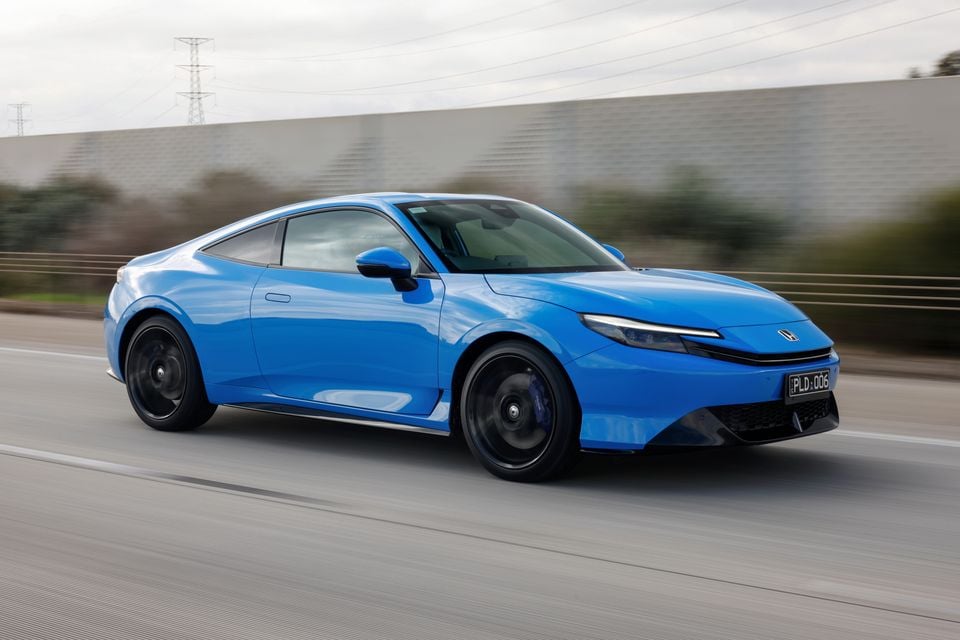
The new Prelude found 86 customers last month, and 228 buyers since orders opened in April 2026. Are you happy with Prelude sales so far?
To be honest, I think the first couple of metrics that were really important for us were just the level of inquiry and interest in the model itself, and we had a huge number of EOIs [expressions of interest].
We’ve had so many people walk into showrooms, the website traffic’s been enormous, and Honda centres have had a lot of people come in. Admittedly, not everyone’s there to buy, but they’re curious, and they’re kicking a few tyres.
But the level of demand and interest in it has been extraordinary.
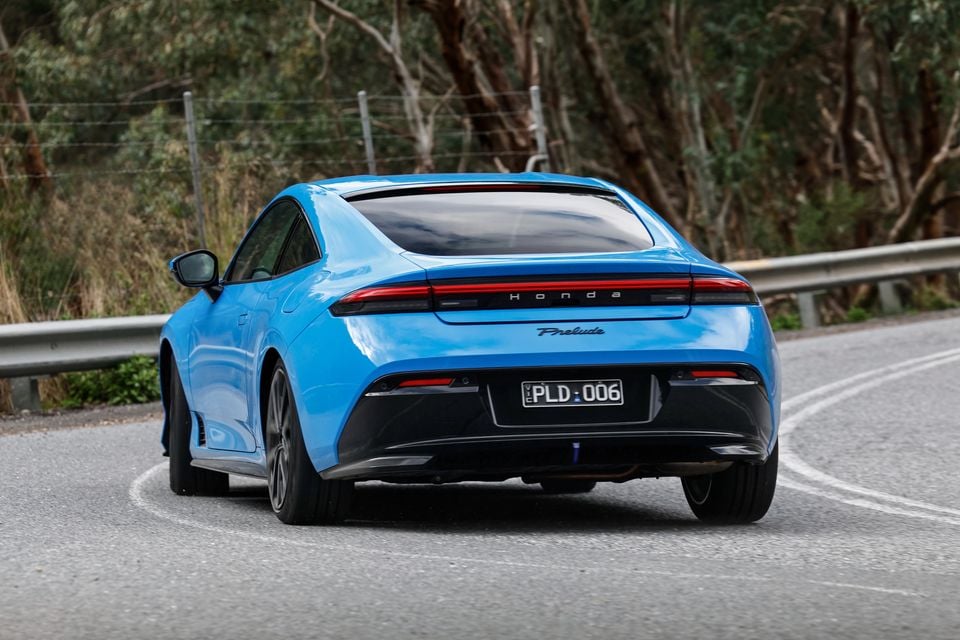
We always knew that it would take a bit of time to curate that audience and then convert it into retail, so it was going to be a bit of a slower build-up. That being said, the conversion metrics, the test-drive metrics and the pure delivery metrics are pretty much all on-point, and it’s been a very successful launch for us thus far.
Do you believe the Prelude’s $65,000 drive-away price is right?
Everyone does this too, but we’ve taken care with all of our model launches recently to try and ensure we arrive at the right price in the market.
The way our model works is that it’s a drive-away price, so it’s all-inclusive. We don’t play games with a retail price and then all the add-ons, which sometimes gives the perception that we’re more expensive than the competitors.
But from a drive-away price point, we’re very careful to make sure the number is the right one for consumers in the market, and that number isn’t just what you pay for the product, but the ownership experience as well.
That low-price servicing, as of today, is $199 per service for five years, which I think is pretty much the best in the market, and if you do that you automatically extend it to an eight-year warranty, which I think is a wonderful package.
So, whether it’s the Prelude, the CR-V or the ZR-V, we’ve taken real care to make sure we get those price points right within the market, while also protecting customers’ investments from a residual value point of view, which is a really important aspect of our business model.
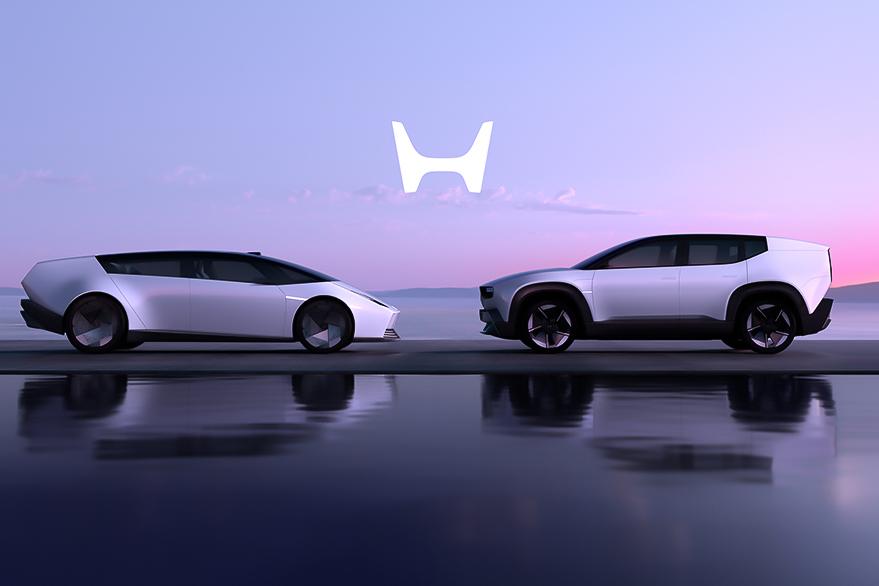
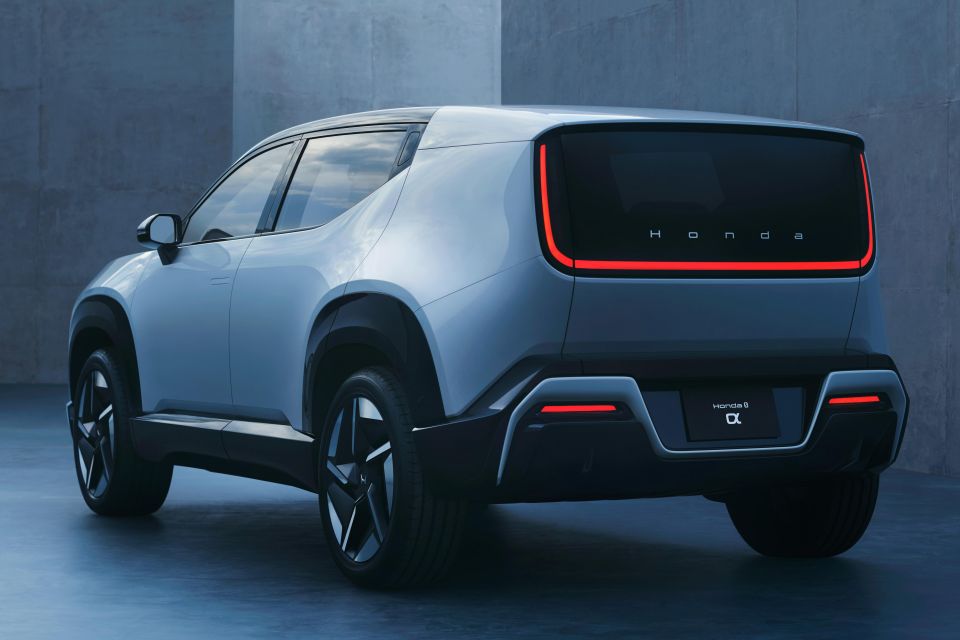
Where are you at with adding more EVs to the lineup? You mentioned the 0 Series Alpha might be a candidate. Is that any closer?
Yeah, we’re looking at that. I’m not in a position to confirm anything product-wise in the future, whether that’s EVs or hybrids or anything else for that matter. But what I can say is that we’re very actively putting our hand up to be in the conversation for any model that is produced globally, as to whether or not we can bring it here locally.
Not everything is going to work every time, for various reasons. Whether it be manufacturing or R&D, it’s very expensive, as you can appreciate, bringing a car to market.
So there’s got to be a market here – it has to make economic sense – but anything that’s available globally, we’re definitely in the conversation to see whether or not we can make it work, and that’s across every type of powertrain, body shape, style, segment, fast and slow.
Is the focus still hybrids? Has the fuel supply crisis changed you strategy?
Not really. I think our strategy has been actually pretty firm and consistent for a while, in that we had always had the approach that we would want to expand into hybrid before pushing into EVs.
That hasn’t really fundamentally changed and, you know, pre-fuel crisis, post-fuel crisis, that strategy does remain consistent.
Certainly, these moments do require you to pause and think, and there are some small pivots, certainly for the remainder of this year.
Just by virtue of hybrid sales strength, our ICE [internal combustion engine] demand has really pulled away, and so we’re changing our product mix and arguably leaning harder into that strategy with hybrid, and for us that’s working.
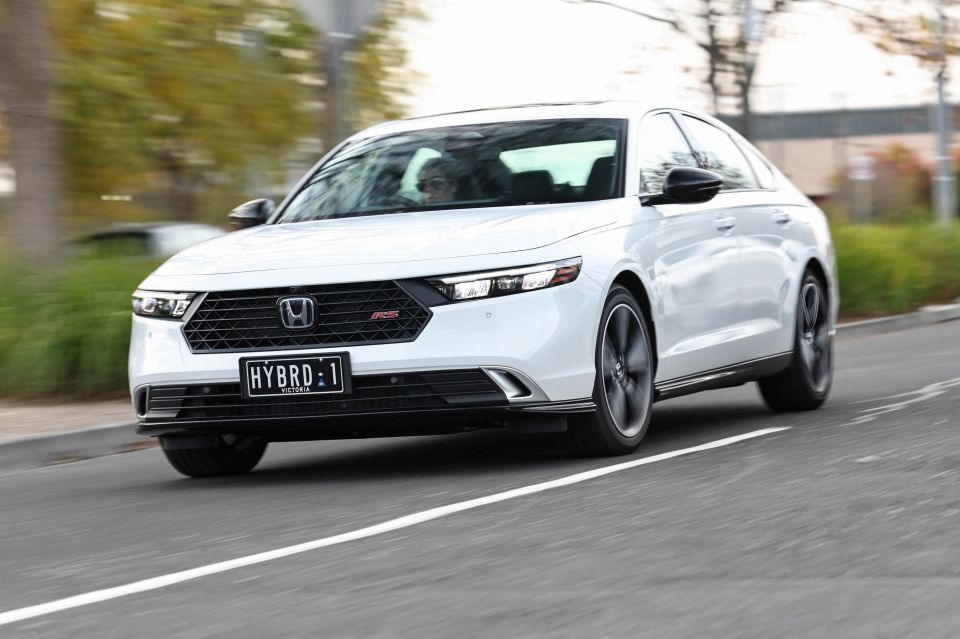
To look at the new CR-V and the new Honda ZR-V, in June itself, 96 per cent of our sales of those two models were hybrid in nature, which just shows that the strategy for us is actually working.
If we had a BEV [battery-electric vehicle] that’d be great. We just don’t have one available at the moment. Super-One will hopefully fill that gap, but the fuel crisis hasn’t caused us to make fundamental shifts to our product lineup or strategy.
It does require some micro-adjustments with our plans, I guess. Where it does add layers of difficulty is just the cost base of the business, whether it be logistics, supply and so on, which is very difficult to manage.
How to manage that inflated cost base is awkward, because there are some elements consumers may be able to absorb, but there are other parts where ultimately your profit gets squeezed, and that’s where it gets quite tricky. We’re having a battle at the moment.
You mentioned it’d be nice to have an EV. Given the record growth in EV market share to almost a quarter of the market, do you feel Honda’s missing out?
Certainly, if I could wave my magic wand, would I have one in that sort of medium or small SUV segment? Probably, yes. But that being said, I can’t wave that wand.
We’ve got to deal with what’s in front of us. We still fundamentally believe in our hybrid strategy.
I still believe fundamentally that, for the vast majority of people, the transition to hybrid is still a more natural transition than going from an ICE environment to a BEV.
I still think that there’s going to be a sizable market for both to be successful, and so for us hybrid is where it’s at, and that’s what our priority is.
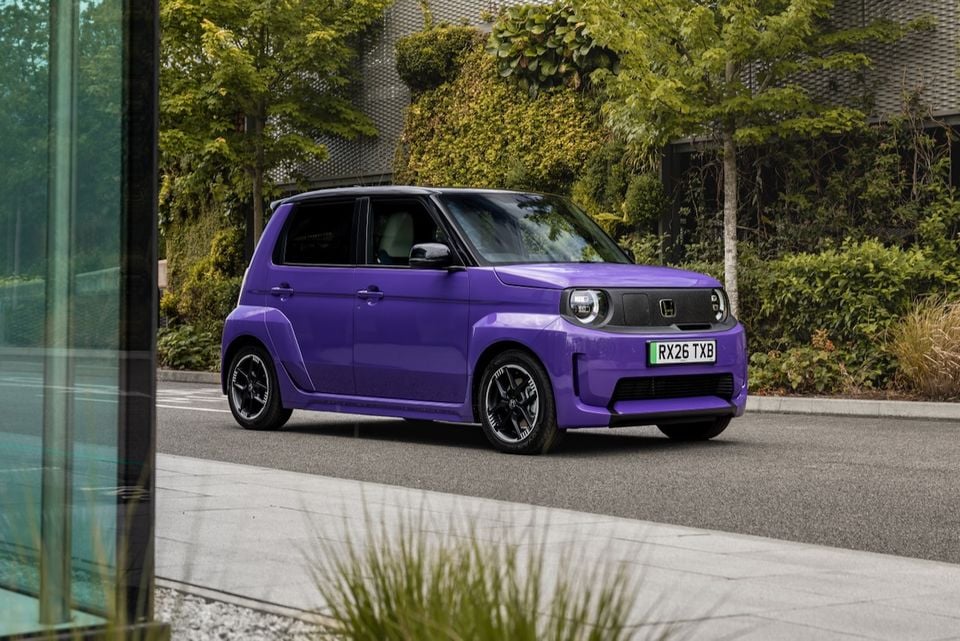
Speaking about EVs, you mentioned Super-One. How close are you to announcing the price? Any indication of where it will be positioned in the market?
I would love to [tell you] because I’m very eager to get this one going. The interest has been phenomenal, and I can’t say anything today, but we’re not far away.
I can say that we’ve done a fair bit of work. It’s probably not too dissimilar to our pricing approach with Prelude, CR-V and Honda ZR-V.
We spent a fair bit of time studying the market, speaking to our network. We’ve even spoken to some consumers, we’ve listened to a lot of media commentary, as well as observed pricing overseas.
We’re very comfortable that when we announce pricing, which will be very soon, it will be the right number for the market.
I can say that, in speaking to a number of our close network partners, and where we’re planning to pitch it, they’re very confident that it’ll attract a significant number of customers to showrooms and convert into a good volume of sales.
Why do you think BYD is currently so successful? Honda only has a few nameplates relative to Toyota, and BYD is ramping up its model range. Does that make you want to expand the lineup?
I don’t really want to comment too much on BYD or other brands. I think, to be fair to them, what they’ve done has been pretty extraordinary, and I must admit it is difficult to really put a finger on why, in the space of a handful of years, they’ve been able to just explode in terms of their numbers.
I think one day it’ll make an interesting case study for a university course on marketing or something else, I reckon.
So, look, I don’t want to speak to that too much, but my hat’s off to them all, they’ve done a great job. For us, I think, to answer that sort of question – model expansion or focus – actually our strategy is a bit of both.
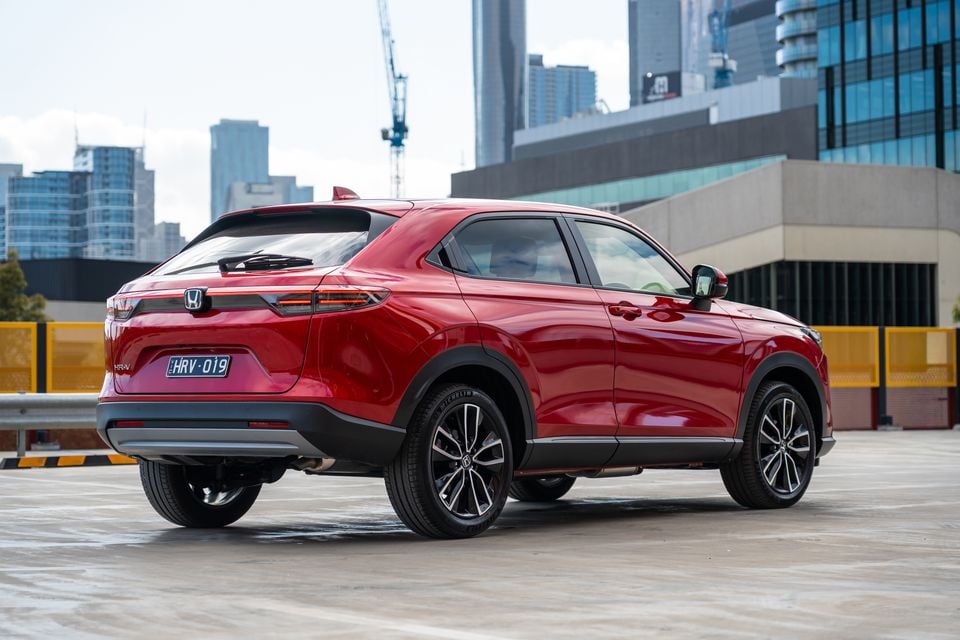
I’d say in the short term, over the next 12 to 18 months or so, our priority is to really solidify our current lineup, and I think we’ve got, in CR-V and HR-V in particular, really well-known, established and trusted nameplates that have a history of real success in those segments.
I think those two models in particular do have growth potential in the current environment.
I think our biggest challenge is just getting more people to test-drive them, because once you drive them, there’s an innate quality that a spec sheet doesn’t really explain properly. You have to go and feel it.
MORE: Explore the Honda showroom

