
There are a few things worth checking under the hood if your car’s windshield washer isn’t working the way it should. It could be that the wiper fluid is spraying weakly, that the fluid dribbles and doesn’t reach the windscreen, or that the thing just quits spraying entirely. Knowing how the system works will make it easier to diagnose the problem, and it’s not as complicated as it may seem.
There’s a small yet brawny washer pump under the windshield cowl (or near the reservoir) that draws washer fluid from the tank. When you press the washer button, the pump routes washer fluid to thin rubber hoses that connect to the wiper arms, windshield cowl, or nozzles on the hood. The washer dispenses onto the windshield, acting as a cleaner and lubricant for the wipers that finish the job.
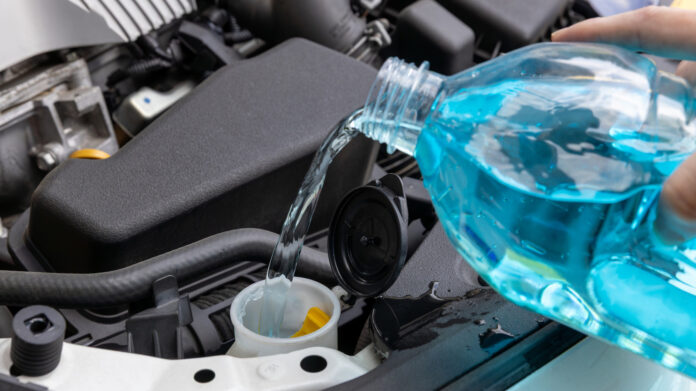
With that in mind, the first thing to check is the washer level in the reservoir, since low or empty fluid is one of the main reasons why it could stop working. Open the hood and look for a translucent tank with a plastic cap. Pop open the cap and see if there’s washer fluid inside. Some vehicles have washer fluid sensors that will illuminate a warning light on the dashboard if the fluid level is low. Either way, fill the tank with washer fluid and test the windshield washer to see if it’s working. Keep in mind it’s highly advisable to stop using tap water in the washer reservoir to prevent sediment from clogging or damaging the system. Washer fluid is more complicated than you might think. It has additives and detergents that easily dissolve dirt, grime, and dead insects while preventing the liquid from freezing in cold weather.
The pump might be broken
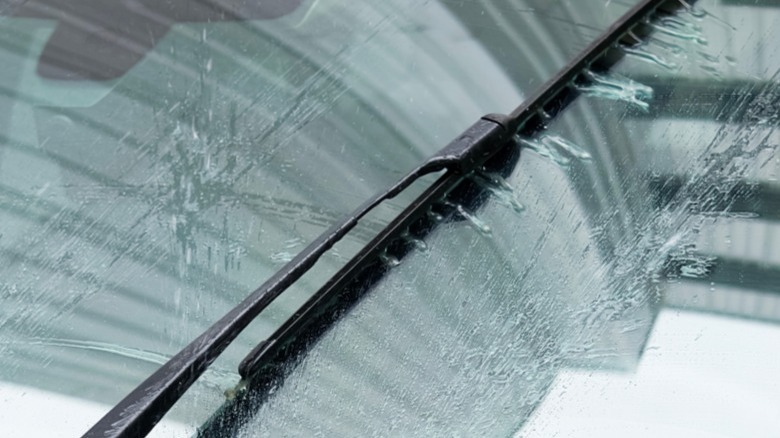
If the washer is still not working after adding fluid, the next thing to check is the washer pump. Get inside the vehicle, turn the ignition ON (without starting the engine), and push the washer button. You should hear a slight whirring sound if the pump is working. If not, you might be dealing with a busted washer pump or a blown fuse.
The fuse for the washer pump may be either in the engine bay fuse box or in the fuse box panel on the driver’s side, depending on the vehicle. When in doubt, check the owner’s manual. Find the fuse, pull it out, and check if the thin metal filament inside is burnt or snapped. If the fuse is busted, replace it with a new fuse of the same ampere rating. If you’re not comfortable checking and replacing fuses in your car, consult a mechanic or auto electrician.
If replacing the fuse has awakened the motor and the washer starts working, you’re in the clear. If not, you could be dealing with a broken washer pump, and replacing it is the only option to restore proper operation. It’s best to have a mechanic do the job if you’re not handy with tinkering under the hood. You can expect to pay $63 to $88 for the part and around $114 to $167 or more for labor.
Inspect the hoses and washer nozzles
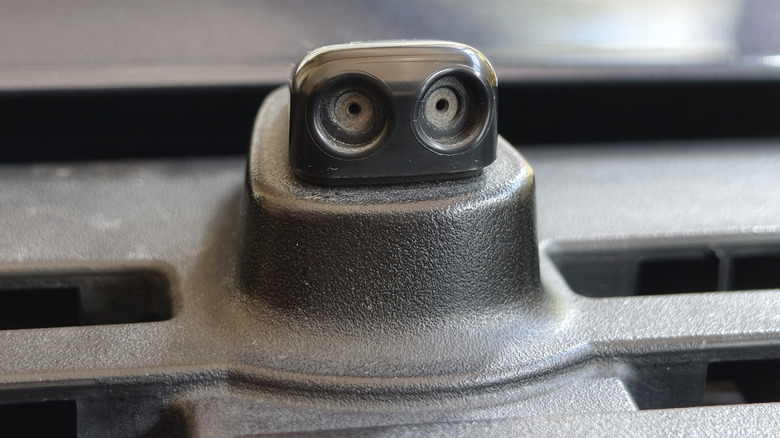
If you can hear the pump running and are still having problems, there may be a problem with your washer hoses. The washer hoses run from the reservoir to the nozzles. Inspect the hoses for cracks, leaks, or loose connections, and replace them when necessary. If you do the job yourself, prices will range from $10 to about $35. If you’ve determined the hoses could be the issue and have replaced them, test the system again and see if the washer is working. If it does, you’re all good. But if the washer still doesn’t work (or the fluid dribbles), the washer nozzles are likely the culprits.
It doesn’t take much for the washer nozzles to clog from dirt, mud, or wax residue. Fortunately, they’re easy to unclog using a paper clip or sewing pin. Simply insert the pin to probe the nozzle, but avoid going too deep to prevent damage. You can also remove the nozzles from the hood or wipers and use compressed air or brake cleaner to remove the clog. Reinstall the nozzles, reconnect the hoses, and test again.
If it still doesn’t work (and the pump and hoses are fine), you might need to replace the nozzles. Depending on the vehicle type, new washer nozzles could cost anywhere from $11 to $42 each. It could cost more if you have an expensive luxury car, crossover, or SUV, or if you elect to have a professional mechanic take care of it for you.

