
Certain Republican states keep trying to weaken child labor laws in the U.S., but even so, it shouldn’t be too controversial to say child labor is bad. It was bad when Hyundai’s third-party labor supplier got caught using child labor, and it’s still bad when cobalt mine owners use child labor in the Congo. Considering modern lithium-ion batteries require cobalt, that’s also bad news for EV owners, since (as previously mentioned) child labor is bad. Unfortunately for all the anti-EV folks feeling incredibly smug right now, your gas or diesel vehicles depend on cobalt, too. At least if you want to drive them anywhere.
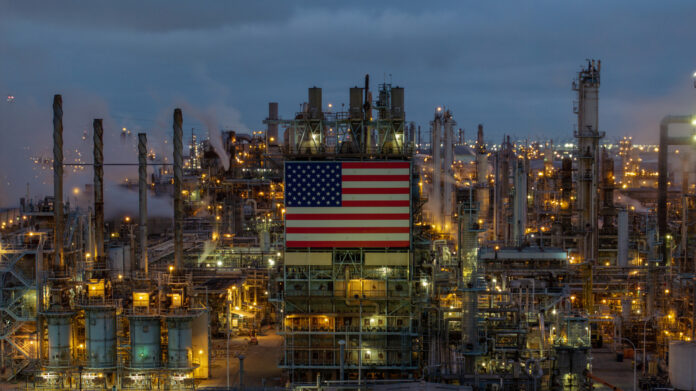
The good news is, neither gas nor diesel engines spew cobalt into the air in any significant quantity, so you’re good there. The problem is, cobalt necessary for “the extraction-catalytic oxidation process for the desulfurization of octane,” aka stripping nasty sulphur compounds out so your car’s fuel doesn’t pump them into the air we all breathe. The catalyst can usually be reused a few times, so some recycling is involved, but that’s still not great. Determining the exact percentage of global cobalt mining that’s currently used for catalyst production can be tricky, but this paper from 2017 suggests it’s at least 5%. Additionally, it appears to show that 91% of cobalt used to make batteries wasn’t used in EV batteries.
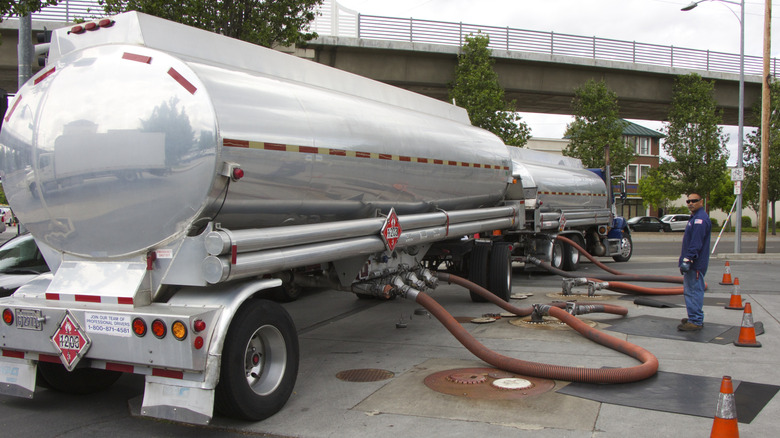
How those figures have changed over the last decade isn’t clear, but at least we have a rough estimate. Maybe catalyst use is currently higher than it was. Maybe not. But it’s still a significant enough percentage of global cobalt production to be noteworthy. Every gallon of gasoline or diesel you buy was refined using cobalt that was possibly extracted by one of the estimated 40,000 child laborers employed by such mines. Over 15,000 miles at 25 mpg, you’re buying at least 600 gallons of child labor-tainted gas every year, and you’ll most likely be doing it until you get too old to drive.
Batteries won’t need cobalt forever
It would be easy to turn this into a debate over whether the child labor-extracted cobalt in EVs is better or worse than the child labor-extracted cobalt used to make gasoline and diesel. It would also be pointless, because even if we somehow determined a “winner,” everyone still loses when child labor is involved. The only way to win is to get rid of child labor. While we work on that, though, getting cobalt out of the supply chain feels like the next-best alternative.
The thing is, even though most modern EVs use cobalt-containing batteries, not all battery chemistries use cobalt, and it’s only a matter of time before sodium-ion, lithium manganese oxide, lithium iron phosphate batteries, and other cobalt-free chemistries show up in new EVs. Plus, the cobalt in old EV batteries can be recycled, so it doesn’t have to constantly be mined fresh. That won’t do anything about the child labor problem, but it does make it far easier to ensure EV manufacturing involves less child labor. As for gasoline and diesel, the oil and gas industry already has a cobalt-free catalyst alternative in the form of nickel-molybdenum.
Still, whether EVs go cobalt-free before gas/diesel or after, neither change will get the kids out of the cobalt mines. Making that happen, however, is a little trickier, since it would likely require extensive international cooperation. And yet, as much as I disagree with Trump and Republicans on almost everything, if they really found a way to end child labor overseas and get the kids out of the cobalt mines, I’d like to think we could all agree that would be good, right? No one’s arguing in favor of more child labor, are they?

