
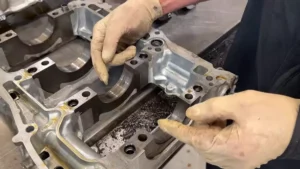
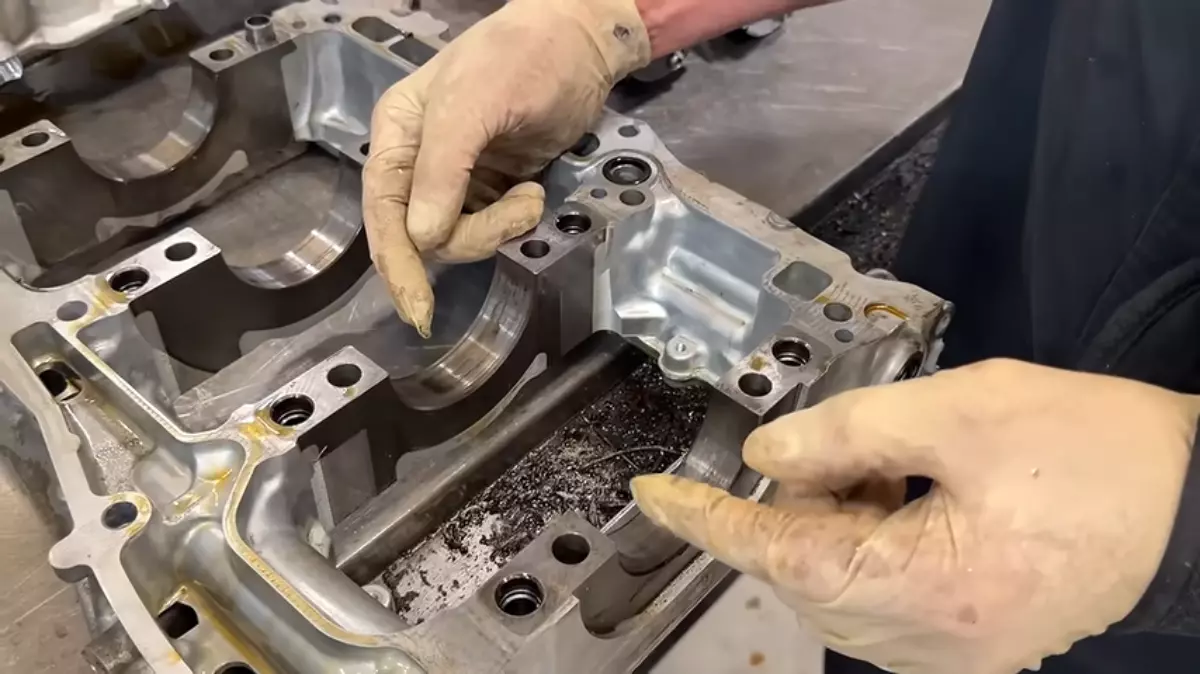
Recently, Toyota has been embroiled in a significant recall due to manufacturing debris (aka “swarf”) left inside V35A-FTS 3.4L twin-turbo V6 engines. These engines are used in the Tundra, Sequoia, and Land Cruiser plus several derivative Lexus models, though not all of those models are subject to recall The defect caused severe engine damage, including seized motors and bearing failures. A recent teardown of a recalled V35A-FTS shows the impact of debris on engine components and confirms Toyota’s diagnosis for recall.
The recall, a very unusual situation for Toyota (a manufacturer known for its reliability), marks a significant lapse in both manufacture and quality control for the company. Swarf left inside the engine during manufacture caused internal damage, leading to engine seizure and bearing failures.
Is Your Truck Affected?
This engine recall affects all Toyota Tundra models equipped with the 3.4-liter twin-turbo V6 engine manufactured between 2022 and 2024. It also includes Lexus LX and Lexus GX models. Some vehicles using this engine but not subject to recall currently include the Sequoia, Land Cruiser, and other Lexus models as well as the Tundra i-Force Max.
Inspection and Teardown of the Defective Engine
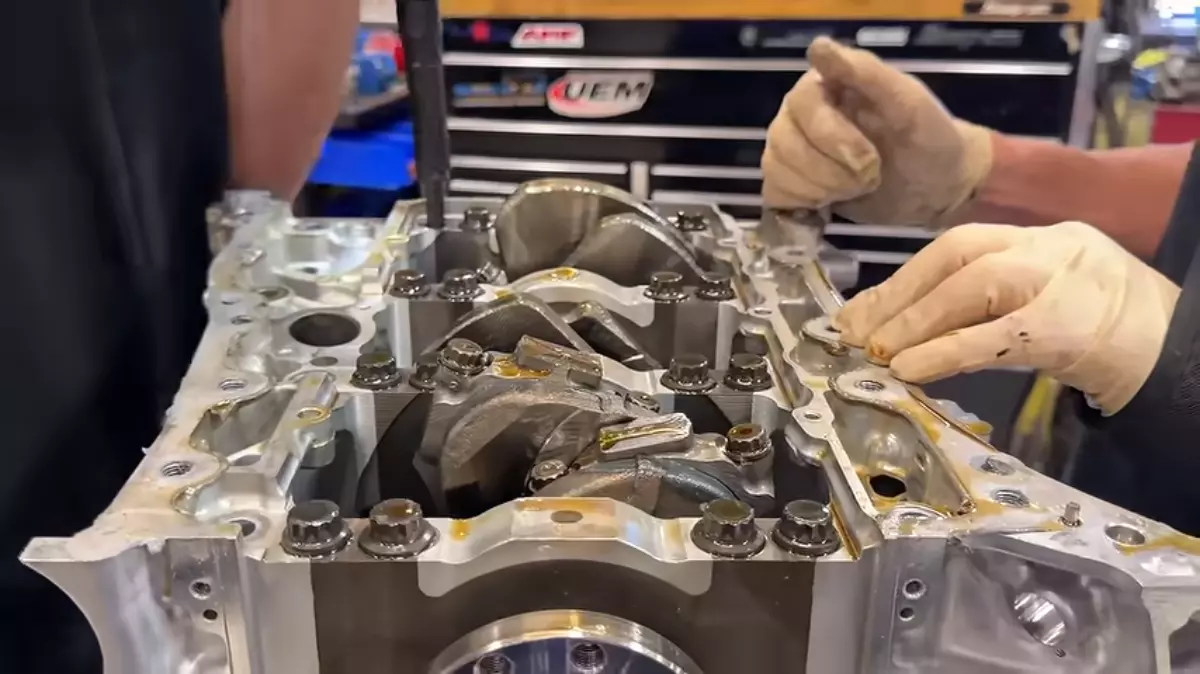
A customer brought in a seized engine to Dave’s Auto Center for inspection and possible rebuild. The teardown process revealed several critical issues:
- The engine was frozen and would not turn over normally.
- No black rods were visible, indicating the seizure likely occurred during cranking rather than while running.
- The oil pump pickup was missing, preventing inspection of debris in the pickup screen.
- Upon disassembly, fine metal debris was found inside the hydraulic tensioner orifices and oil passages.
The engine’s oil passages and hydraulic tensioners have very fine orifices (often less than the thickness of a piece of paper) that can easily become clogged by debris. This debris can cause improper oil flow, leading to tensioner failure and engine damage. Proper oil changes and cleanliness during assembly are vital to prevent such failures.
Findings Within the Engine
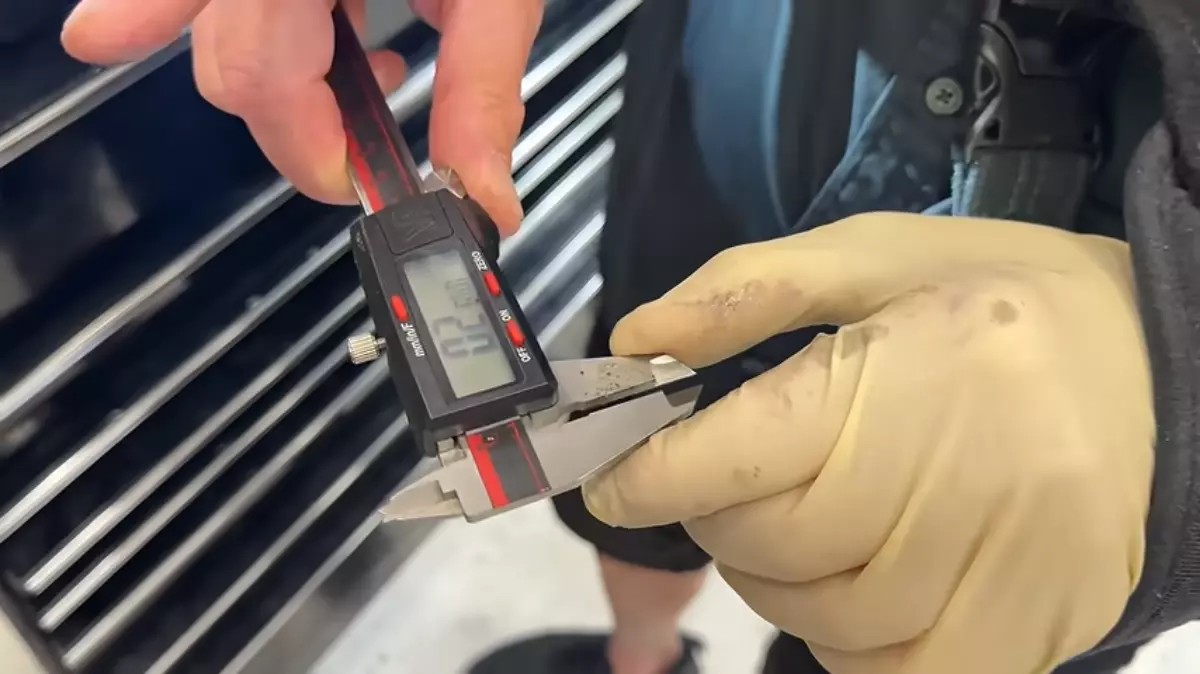
Some detailed findings inside the engine:
- The oil pump showed wear and had picked up metal particles, indicating contamination.
- The oil pickup screen contained significant debris, which is problematic given the extremely tight oil clearance tolerances in the engine (approximately 0.001 to 0.002 inches).
- Debris size was comparable to or larger than the oil clearance, which would cause bearing damage and eventual engine seizure.
- Cam journals and hydraulic lifters showed signs of contamination and wear.
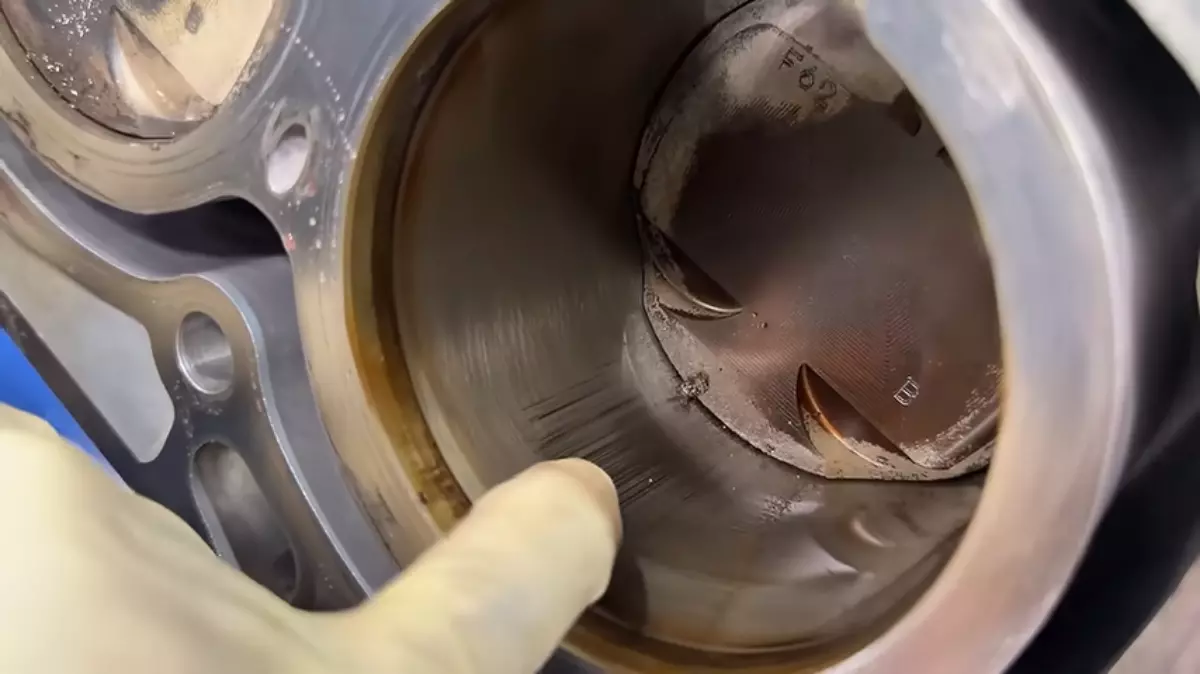
- The engine’s cylinder walls exhibited scuffing and scoring, likely due to overheating and lack of proper oil cooling.
Challenges in Rebuilding the Engine

Dave concludes that rebuilding this engine would be complicated due to the need to align-bore the main bearing housings because the bearings had spun, which deformed the housing. There would also be the necessity to mill the block deck to restore flatness and proper dimensions. Further, a thorough cleaning of all oil passages and removing debris from tiny orifices and passages would need to be undertaken. Including those sealed by small steel balls (BBs) used by Toyota.
These processes are costly and time-consuming, often making a rebuild uneconomical. In this case, we would surmise that the customer’s choice would come down to whether or not he or she would want to wait for a replacement engine from Toyota. These are currently on long backorder by most accounts.
Lessons Learned From This Tundra Engine Teardown
If you own a vehicle with this engine, a quick diagnostic is to check the oil filter for metal debris. Proper maintenance or other measures would not have prevented this catastrophe. The engine, and others on this recall, was doomed from the start because of the lack of quality control at manufacture. It’s unlikely that this problem can be avoided because it is not something that can be “worked around” or delayed.
Toyota’s V35A-FTS engine recall (NHTSA recall numbers 24V-381, 25V-767, 26V-320) highlights the critical importance of cleanliness and quality control in engine manufacturing. Machining debris left inside the engine caused severe damage, leading to costly recalls and repairs.
The teardown by Dave’s Auto Center confirms Toyota’s explanation for the defect and massive recall on these engines. To check your vehicle’s VIN number to see if it’s subject to this recall, visit the National Highway Transportation Safety Administration’s recall search page here.
The post Looks Like Toyota Might Have Been Right: Tundra Engine Teardown Finds Manufacturing Debris appeared first on Pickup Truck +SUV Talk.
