
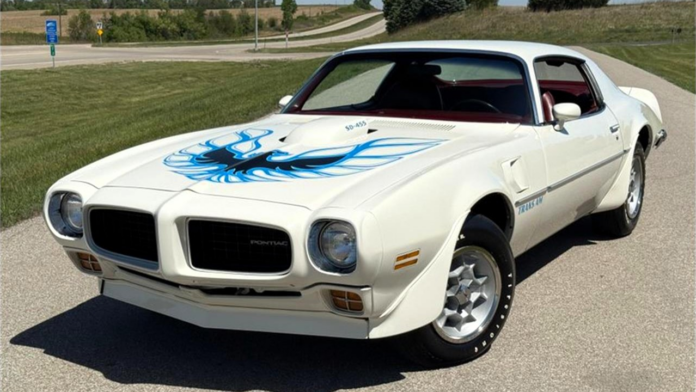
Cars built for the American market for the 1973 model year lacked the purity of the designers’ original vision thanks to a federalized five-mph front bumper. However, our Pick of the Day looked practically the same as it had always looked. This 1973 Pontiac Firebird Trans Am is listed for sale on ClassicCars.com by a dealership in Lincoln, Nebraska.
The world started to feel like it was ending for performance enthusiasts in 1971, while automotive designers had an extra two years until their expertise began to be compromised by federal edict, in particular, a new front bumper mandate required cars to withstand a front five-mph crash into a flat barrier. The goal was to eliminate costly fender-bender repairs by protecting critical safety components such as lights, fuel systems, radiator, and even horn(s).
To absorb the impact without damaging the body, engineers added shock absorbers (with oil- and nitrogen-filled cylinders) behind bumpers that extended several inches further than before. Bulky bumper guards were also common. Of course, all this equipment added weight.
Yet look at any 1973 Firebird and it looks just like the ’72 aside from minor model year updates like the grille (which also was moved forward in the Endura nose to make room for the new safety hardware). Is there a 1973 vehicle sold in America that came off better than the Firebird?
Plus, the Trans Am matured from the 1970-72 versions that preceded it. For those three years, the Trans Am was available in white with blue or blue with white, but now the paint schemes were more basic and limited to three colors: Buccaneer Red, Cameo White, or Brewster Green. It was a welcome update that was complemented by an optional huge graphic for the hood featuring the Firebird logo that had been used in a much smaller form since 1970. Today, it is affectionately known as the “Screaming Chicken.”
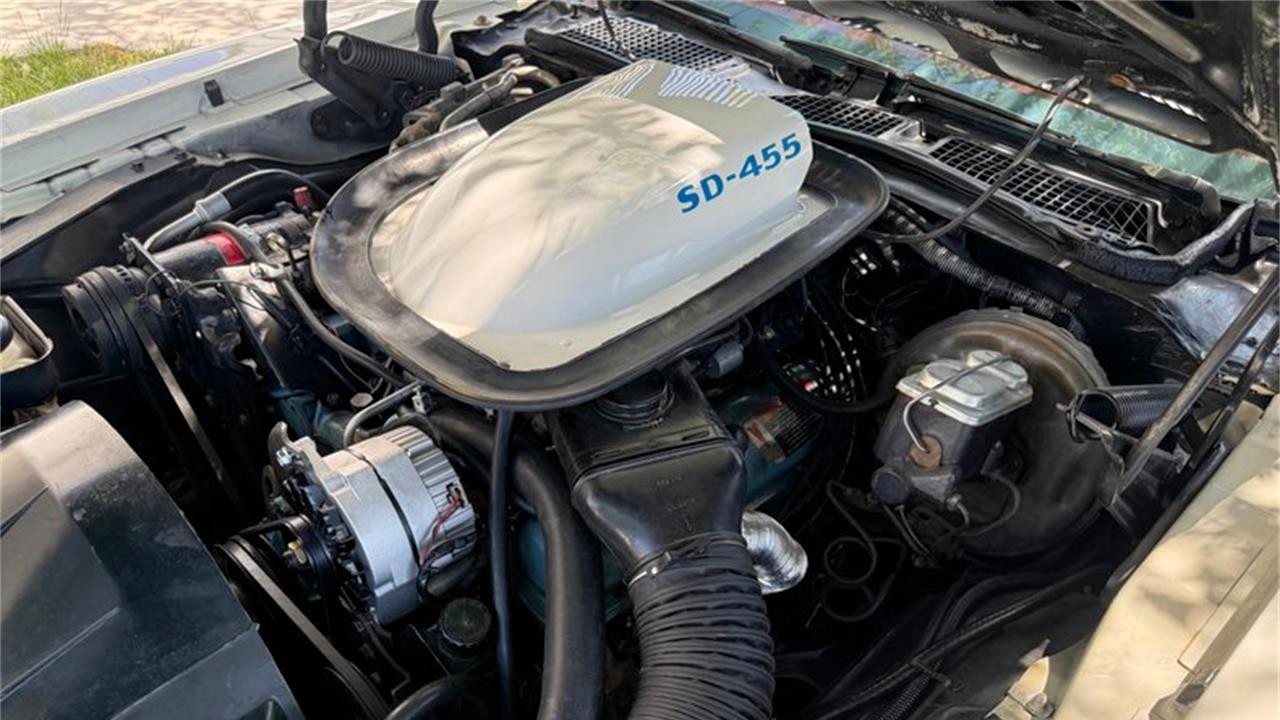
Power plants for the Trans Am were also updated. For 1970, there was the 400 Ram Air III and round-port Ram Air IV. With the advent of low-compression engines, Pontiac developed the round-port 455 HO (code LS5) for 1971-72. For 1973, the D-port 455 (code L75) became the standard engine. A successor to the 455 HO, the 455 Super Duty (LS2) was promised early in the 1973 model year but had several hoops and hurdles to deal with before Uncle Sam gave his blessing. One of the issues was a 308/320-degree camshaft (identical to that used by the Ram Air IV). This is the camshaft that resulted in Pontiac touting 310 net horsepower, which was much more than what other brands were offering. However, with the project already delayed and customers becoming impatient, Pontiac engineers did not have time to find a solution, so in their haste, they went with the proven 301/313-degree camshaft. If you ever noticed the 290-horsepower rating of the ’74 version, that’s really what was used for 1973. (To learn all about Pontiac’s 455 SD emissions issues, read Pontiac expert Rocky Rotella’s blog.)
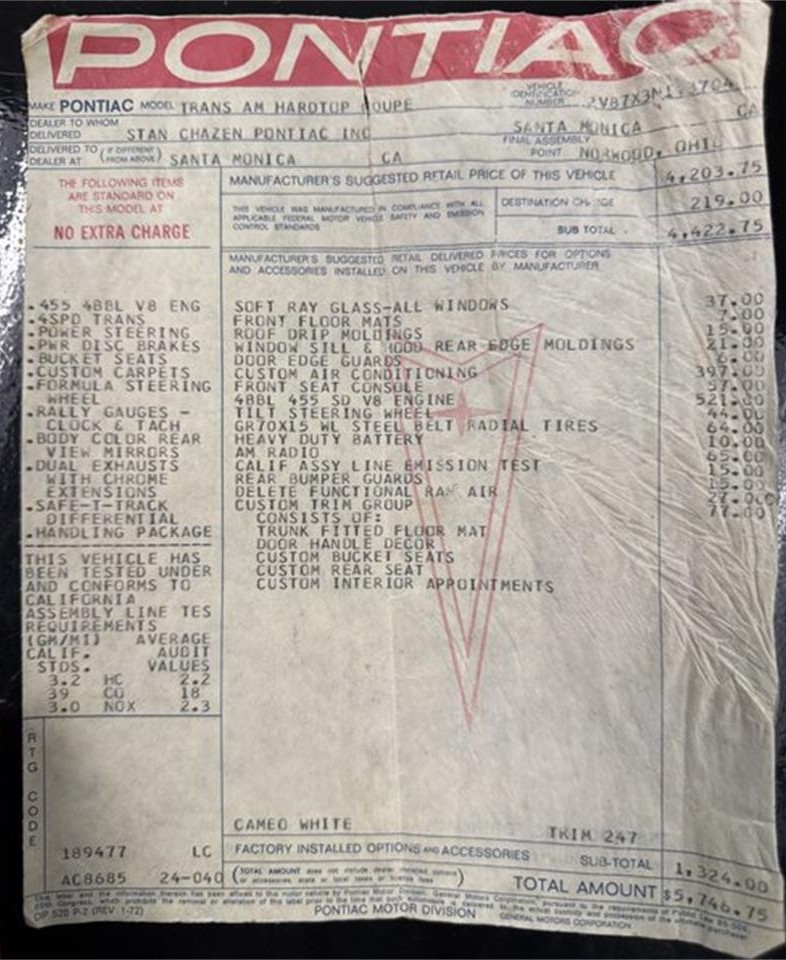
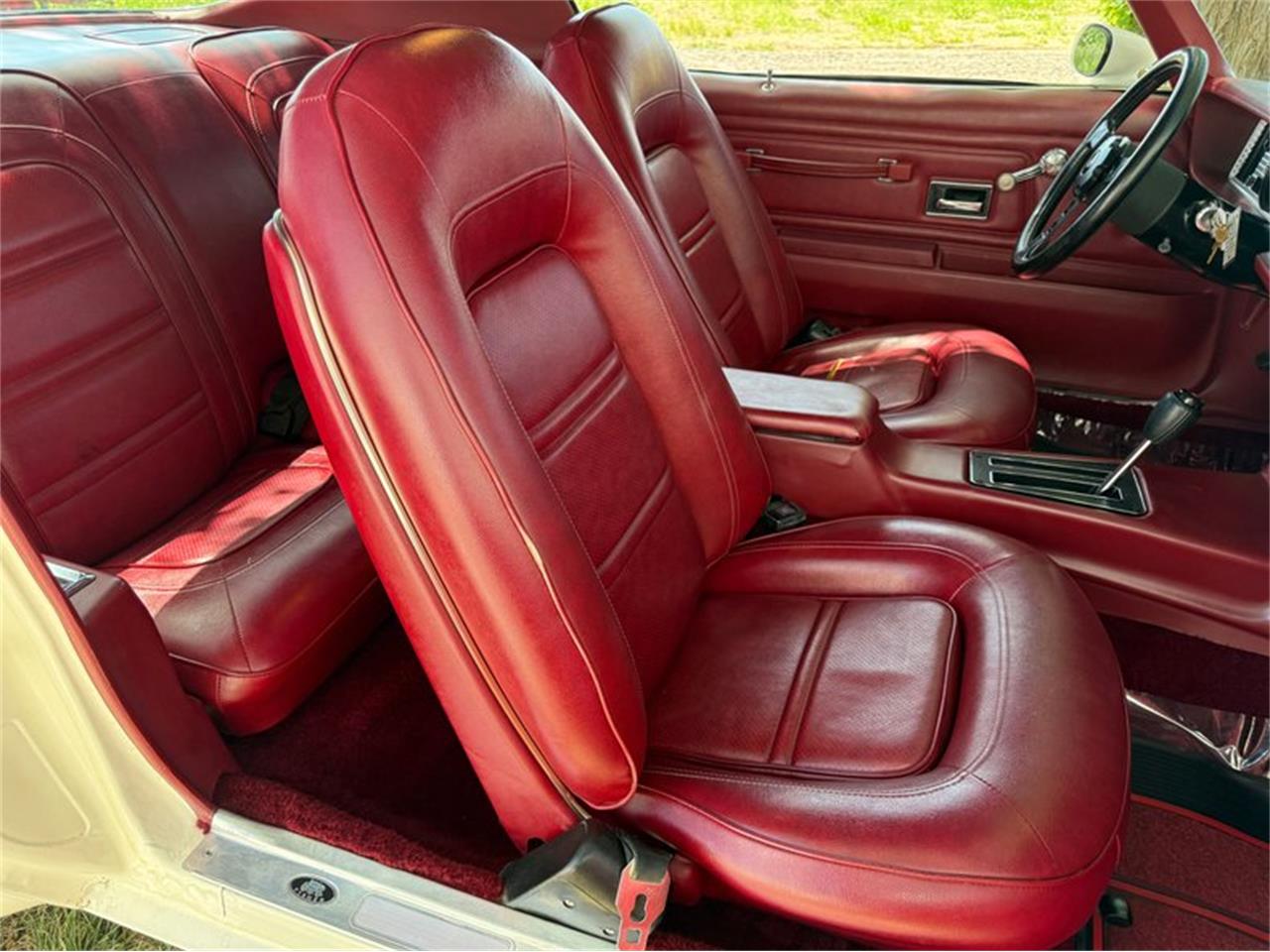
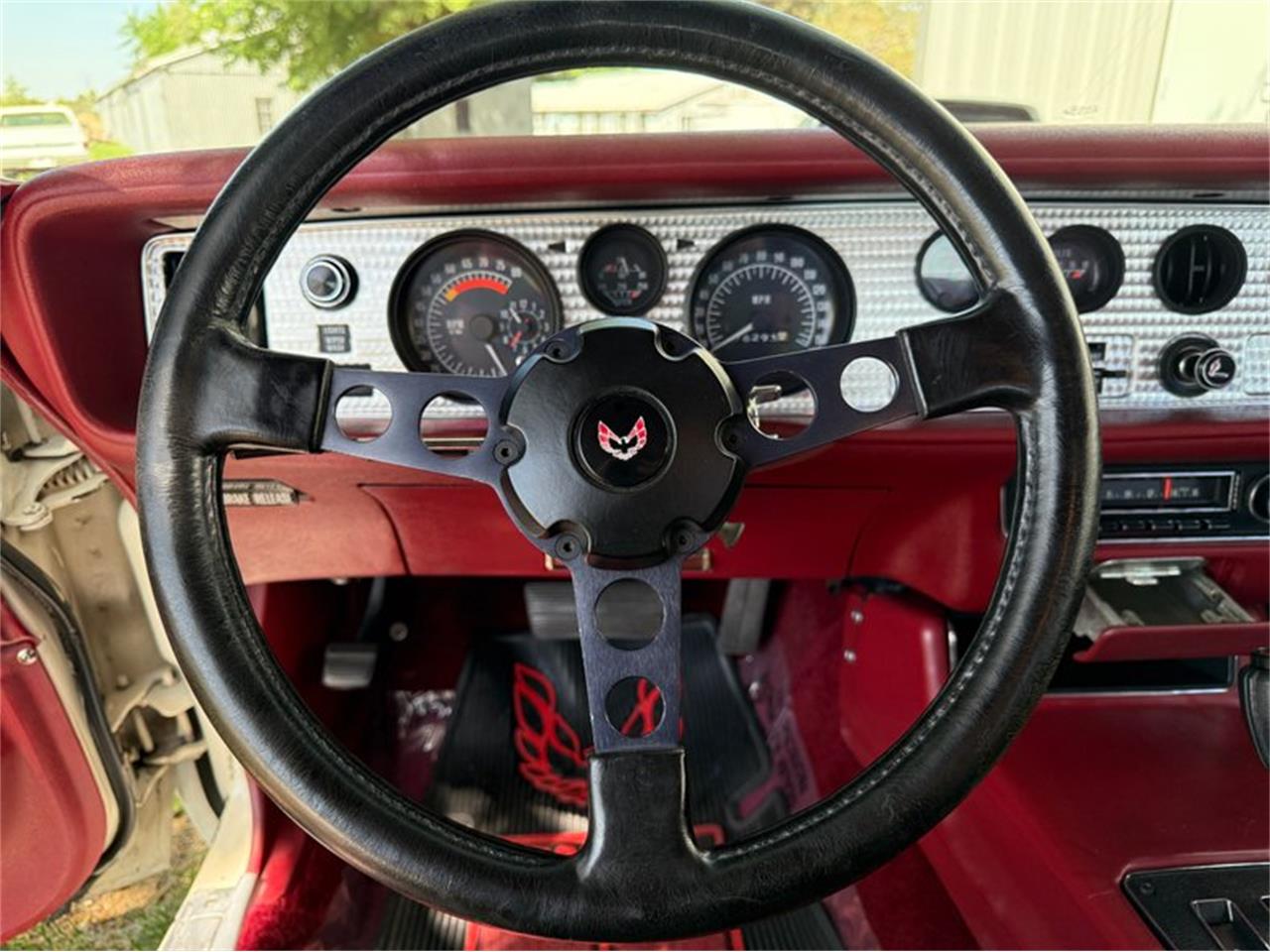
This Cameo White 1973 Pontiac Firebird Trans Am is one of 180 built with the 455 Super Duty and automatic transmission, and one of 295 Super Duty Firebirds built for the 1973 model year. It’s a 76,293-mile, one-family-owned car that spent its entire time in the Golden State. “It has all its original panels and mostly original paint with just minor touch-ups here and there to keep it looking good,” says the seller. “The interior is original and in exceptional condition. That interior speaks volumes to the good care this car has received throughout the years.” Of course, the Super Duty is the one that was installed at the assembly line. Options and features include air conditioning, Safe-T-Track, 15-inch Honeycomb wheels, center console, hood decal, rear window defroster, AM radio, Burgundy Custom interior, and more.
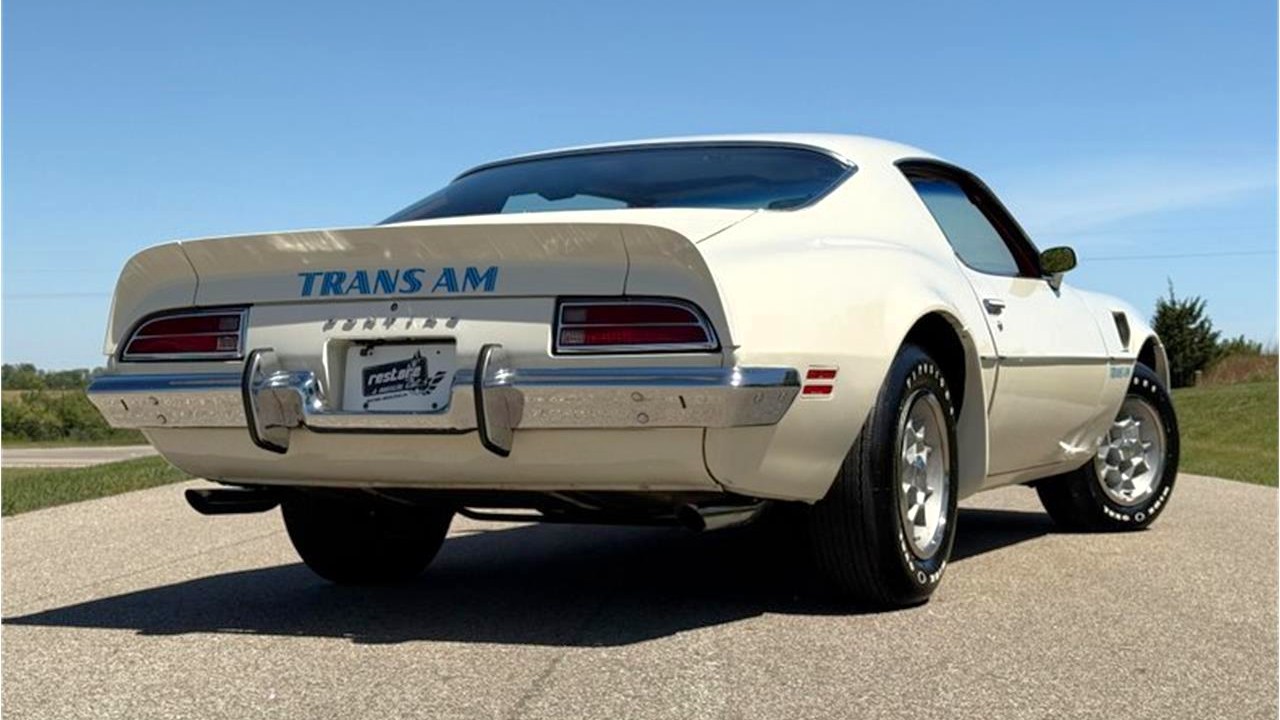
Yes, the Super Duty Firebird deserves credit for capping off the muscle car era, but the 1973 model, in particular, also deserves credit for outsmarting the feds and their draconian regulations on two levels — all those emissions standards stood no chance against Pontiac engineers. For the honor of thumbing your nose at the government, it will cost you $149,900.
Click here to view this Pick of the Day on ClassicCars.com

