
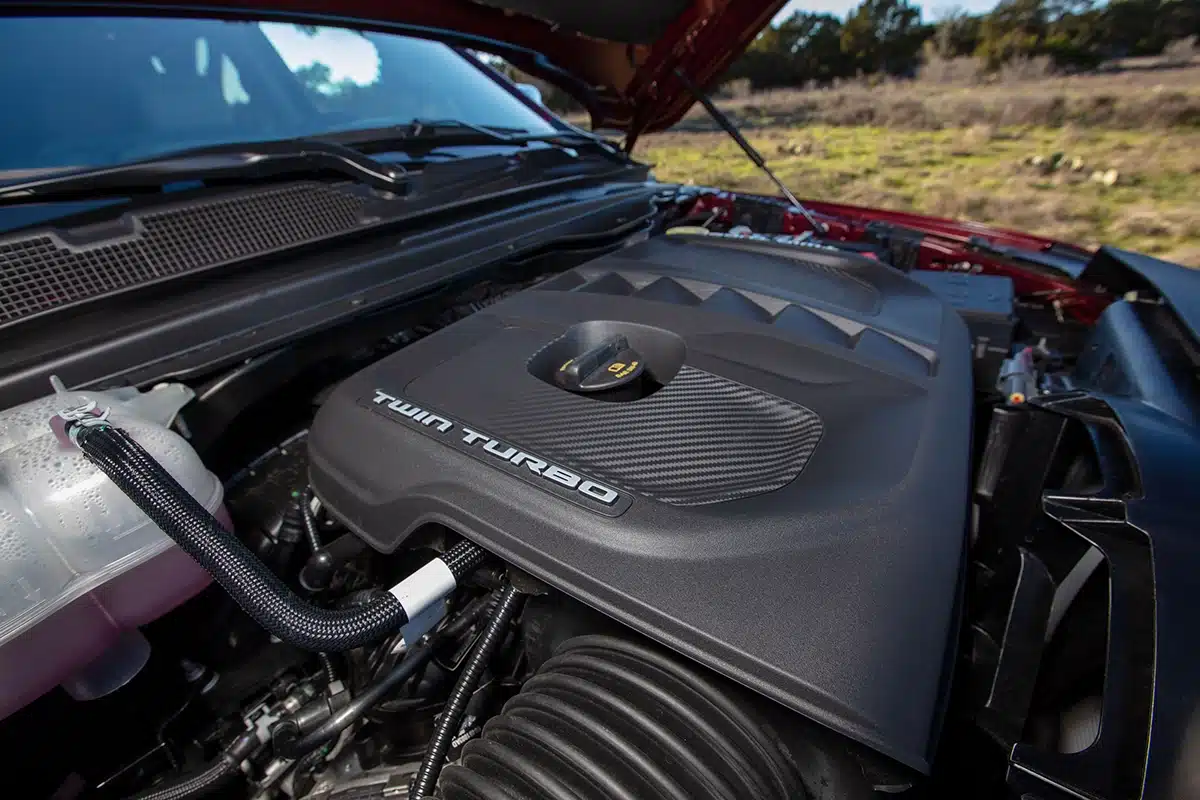
The replacement of the Hemi 5.7L V8 as Ram’s top engine remains one of the most controversial decisions in recent Ram truck history. Yet according to the Ram Hurricane engine chief engineer responsible for both the Hemi engine and the new Hurricane inline-six, the move wasn’t simply about emissions regulations.
In an interview, Stellantis Director of Propulsion Systems Alan Falowski explained why the company developed the 3.0-liter Hurricane twin-turbo inline-six, how it was engineered to replace the Hemi and why many common concerns about turbocharged engines may be rooted in outdated thinking.
Why Ram Chose an Inline-Six Instead of Another V8
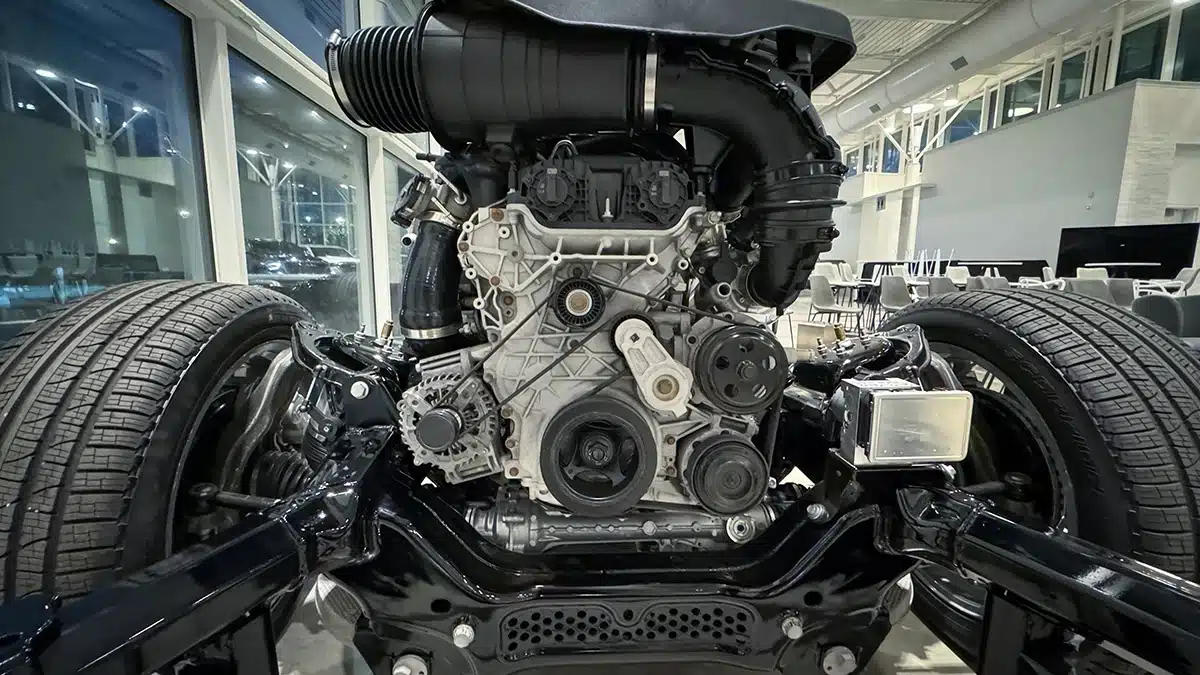
Falowski said the Hurricane program began with a simple objective: create an engine that could outperform the Hemi in every meaningful category.
According to Falowski, engineers established three primary targets:
- More horsepower
- More torque
- Better fuel economy
After determining those goals, the engineering team concluded a turbocharged engine offered the best path forward. The next question became what engine configuration would deliver those results.
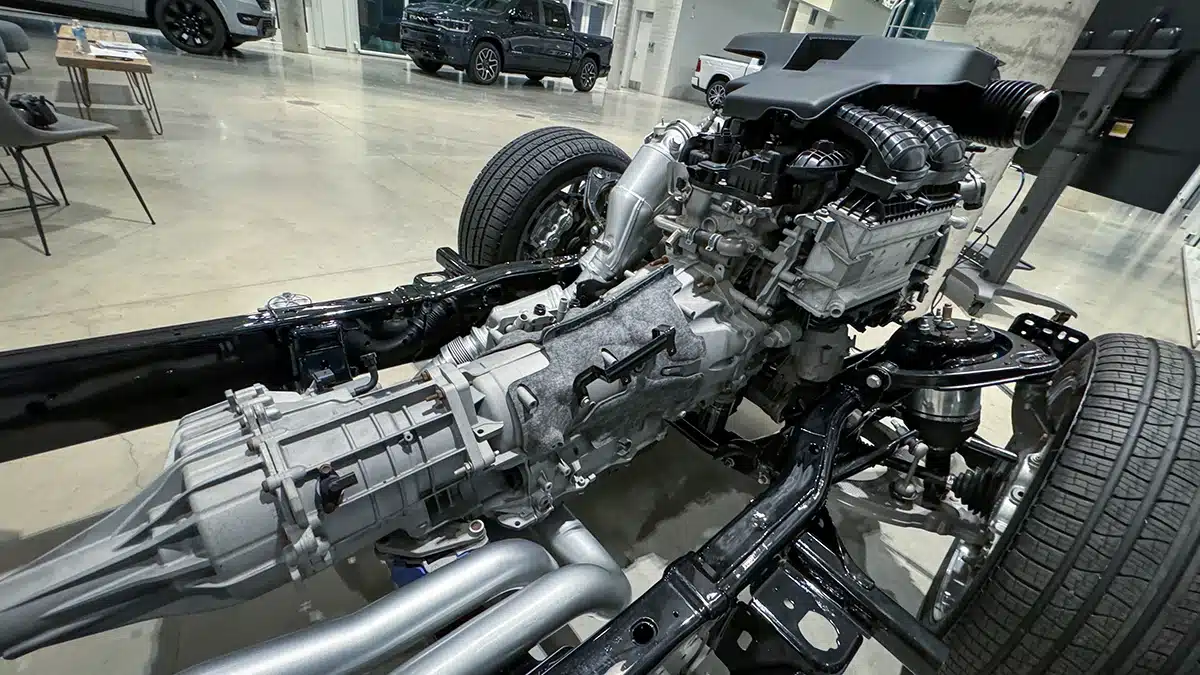
Rather than developing another V8, Stellantis chose a 3.0-liter inline-six because it could meet power targets while also offering inherent balance advantages.
“In an inline six they’re perfectly balanced,” Falowski explained. “They’re smooth, they feel great whether you’re idling or racing all the way to redline.”
He also noted the smoother operation fit well with luxury-oriented trucks like the Ram 1500 Tungsten, where refinement is increasingly important to buyers.
Stellantis Says Turbo Reliability Concerns Are Based on Old Technology
One of the biggest criticisms of the Hurricane engine has been its twin turbochargers.
Falowski acknowledged many consumers still view turbocharged engines as less reliable than naturally aspirated engines, but said that perception largely comes from earlier turbo applications where manufacturers simply bolted turbos onto engines that were never designed for boost.
The Hurricane, he said, was engineered from the beginning as a turbocharged engine.
Engineers modeled cylinder pressures, temperatures, cooling requirements and material specifications before production began. The same durability and design principles used for decades in turbocharged diesel engines were applied to the Hurricane gasoline engine.
Extreme Durability Testing Includes Simulating a Race Track
Falowski provided new details on how Stellantis validates Hurricane durability.
Rather than simply accumulating miles, engineers use damage accumulation models that simulate the stress customers place on engines throughout their ownership experience. The company then creates accelerated tests that generate the same amount of wear in significantly less time.
One example involves running the engine at sustained high output for hundreds of hours, far beyond what most owners would ever experience.
Stellantis also uses a specialized gimbal-mounted dynamometer capable of tilting the engine to simulate extreme cornering conditions while monitoring oil flow.
The goal is to ensure the engine never experiences oil starvation even under aggressive driving conditions.
How Stellantis Solved a Common Turbo Problem
Another interesting detail involved turbocharger cooling.
Falowski said the Hurricane uses a dedicated low-temperature cooling circuit that not only cools compressed intake air but also continues cooling the turbochargers after the engine is shut off.
The system uses an electric water pump to continue circulating coolant after shutdown when necessary.
According to Falowski, this helps prevent oil coking inside the turbochargers, which was a common failure point on older turbocharged engines.
Hurricane Oil Requirements and 10,000-Mile Oil Changes
Perhaps the most controversial topic involved oil.
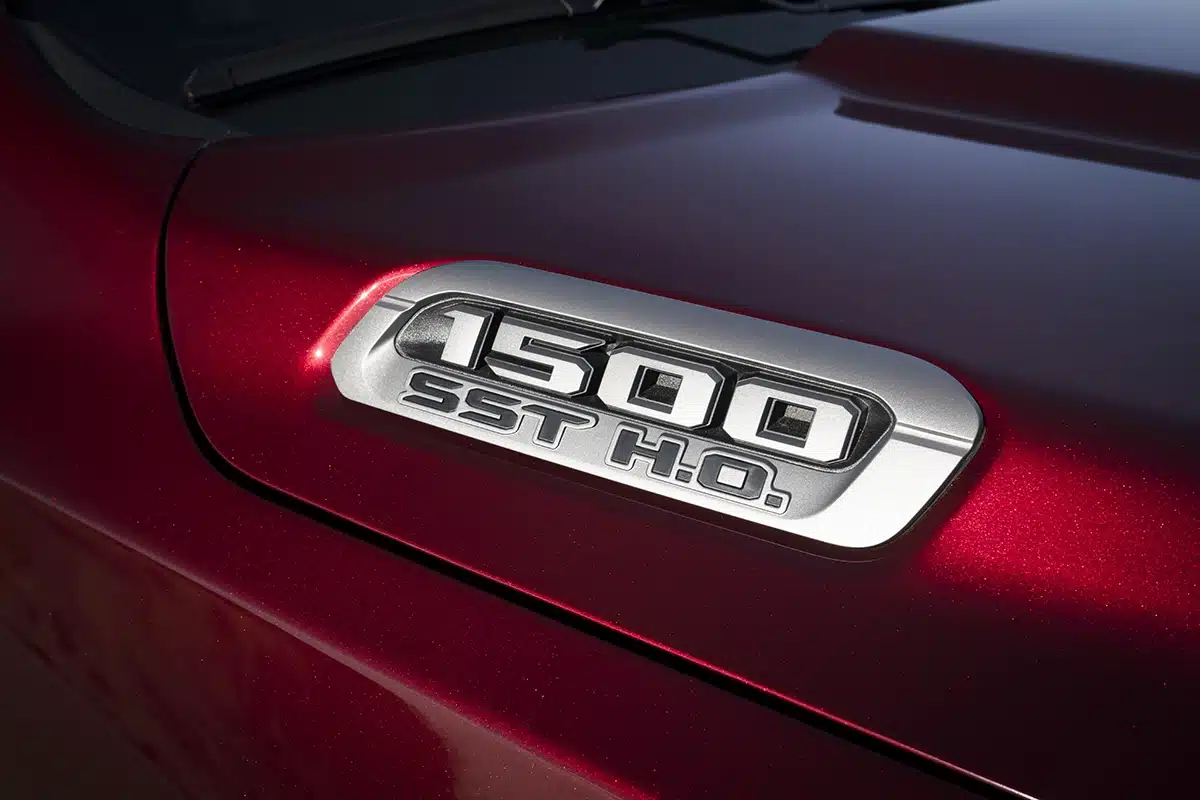
Falowski confirmed the Hurricane Standard Output engine uses 0W-20 full synthetic oil, while the High Output version requires 0W-40 because of its higher boost pressures and bearing loads.
He also defended the engine’s 10,000-mile oil change interval.
According to Falowski, modern synthetic oils and additive packages are dramatically more advanced than oils available even a decade ago. The Hurricane’s oil life monitoring system continuously evaluates engine operation and can request earlier service if the vehicle experiences severe use.
He went even further near the end of the interview, calling the 10,000-mile recommendation a conservative number.
“The 10,000 miles that we recommend, it’s a very safe number,” Falowski said.
No Dipstick? Stellantis Thinks That’s Better
Another surprising revelation involved engine oil monitoring.
While many truck buyers dislike the disappearance of traditional dipsticks, Falowski said newer Stellantis vehicles, like the 2025 Ram 1500 with the Hurricane engine, use oil level sensors that continuously monitor oil levels. If the oil level falls below a specified threshold, the system alerts the driver immediately.
His argument is straightforward: most owners never checked their oil anyway.
By continuously monitoring oil levels electronically, Stellantis believes the system actually offers better protection than relying on drivers to remember periodic checks.
Bottom Line from the Ram Hurricane Engine Chief Engineer
Whether Ram fans like it or not, the Hurricane wasn’t developed simply because someone wanted to kill the Hemi.
According to the engineer who helped develop both engines, the Hurricane program focused on delivering more power, more torque, improved fuel economy and greater refinement while meeting increasingly stringent global requirements.
The bigger challenge may not be convincing customers the Hurricane is capable. It may be convincing lifelong V8 owners that modern turbocharged technology, longer oil change intervals and electronic monitoring systems have evolved far beyond what they remember from decades ago.
!function(),g.googletag.cmd=g.googletag.cmd();var _bp=_bp||[];_bp.push(“div”:”Brid_2654014″,”obj”:”id”:”47232″,”width”:”1280″,”height”:”720″,”stickyDirection”:”below”,”video”:”2654014″,”poster”:”https:\/\/pickuptrucktalk.com\/wp-content\/plugins\/tpd-addons\/blocks\/featured-video\/src\/img\/1×1-white.png”);
The post Ram Hurricane Engine Chief Engineer Explains: Why Hemi 5.7L V8 was Replaced, Stop Changing Oil Every 3,000 Miles appeared first on Pickup Truck +SUV Talk.
