
I recently spent two weeks in Argentina to help my elderly mom visit relatives. I’ve managed to visit the country every few years, so it’s been a seminal part of my automotive education due to the different vehicles I’ve witnessed.
These days, the rate of attrition has killed all of the cars that piqued my interest in the past; cars that I once saw several times a day or more I saw once (at best) during my recent stay. Some were destined to be collectible, while others were disposable, but they all are MIA. Here’s a few that I caught in the wild.
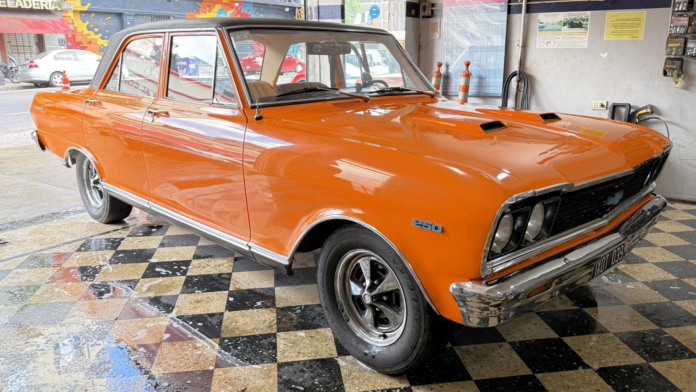
1974 Chevrolet 400 Super Sport
The early Chevy IIs were called 400s in Argentina for some reason (though, to be clear, it had nothing to do with the urban legend of “Nova” meaning “it doesn’t go”). There were several trim levels in its lifetime such as Special, Super, Super Deluxe, Super Sport, and Rally Sport. Like the Chevy II, it was introduced in 1962, built outside of the city of Buenos Aires. Quad headlights arrived for the 1967 400 Super (the Special kept the duals), and the 1967 400 Super Sport added a 250ci straight-six with 155 horsepower backed by a four-speed manual. This ’74 shows the faux hood scoops that would eventually appear on Super Sports.
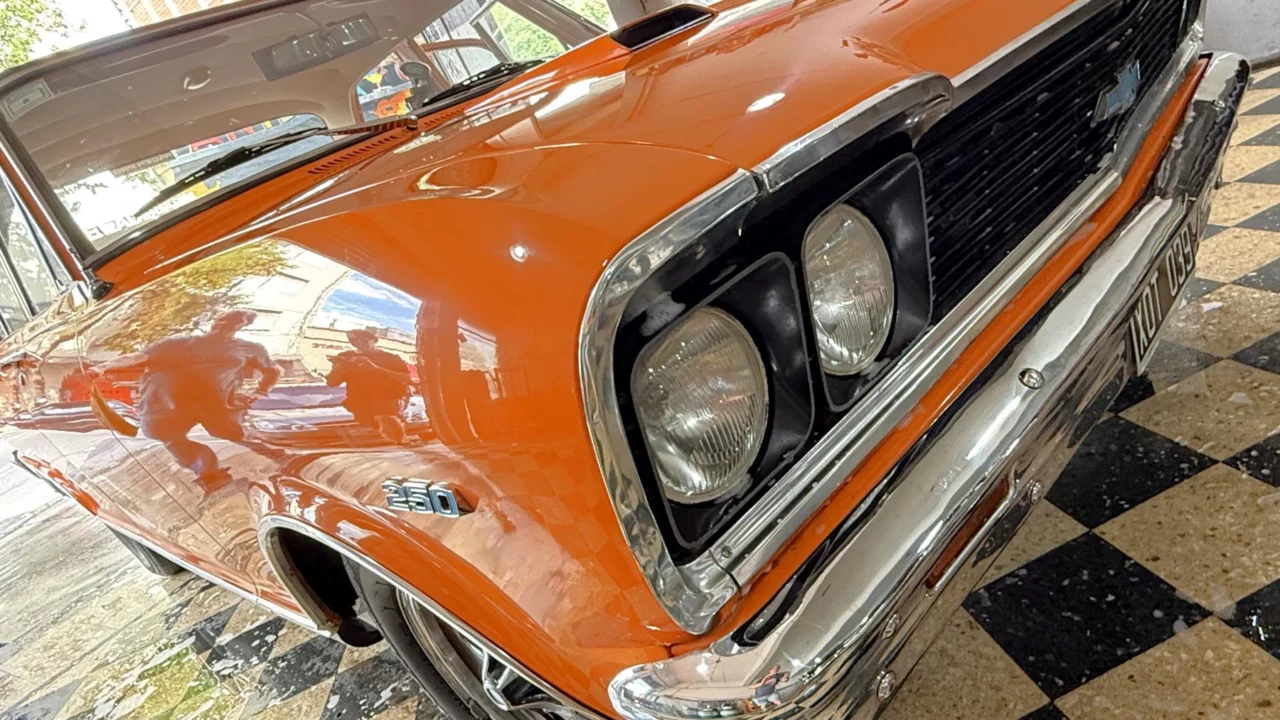
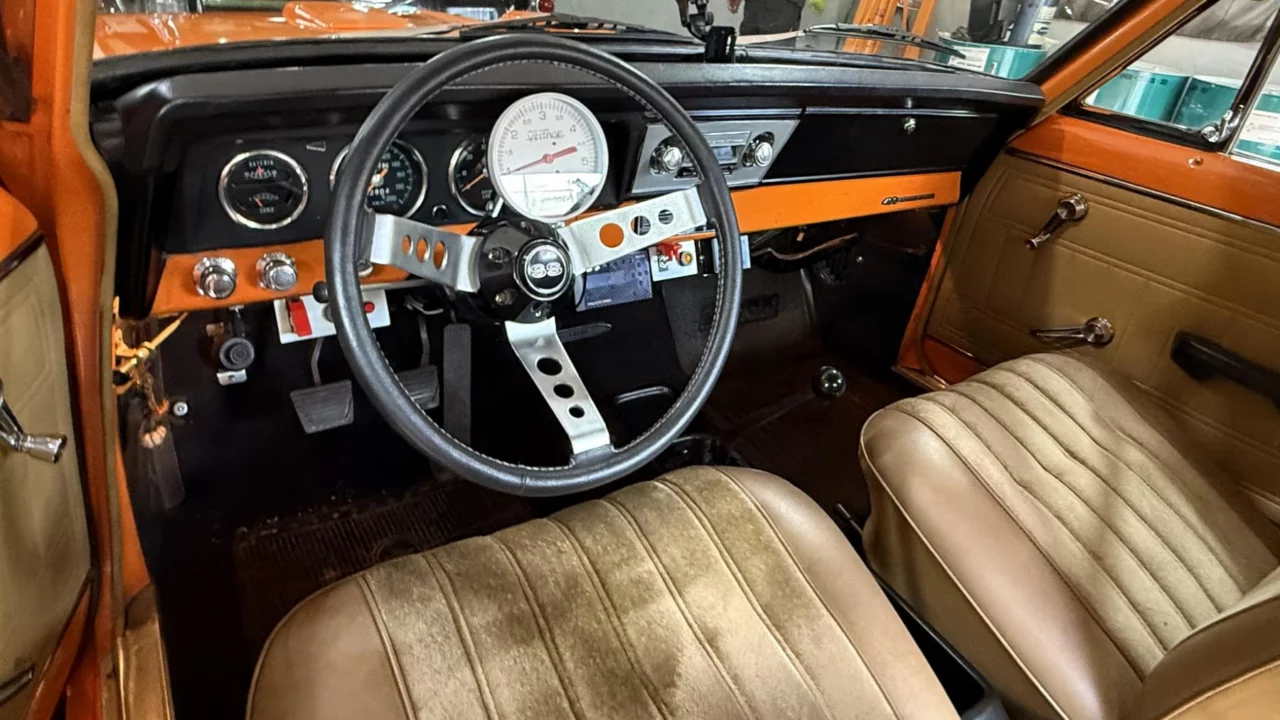
The 1968-74 Nova as we know it was introduced in August 1969, though both compacts were produced concurrently through 1974, upon which the 400 was discontinued. The new car was called the Chevy (so, yes, it was a “Chevrolet Chevy”) and available in both coupe and sedan variants. The fanciest sedan was called the Malibu, while the sportiest coupe was called the Super Sport Serie 2. I believe these cars were produced through 1978.
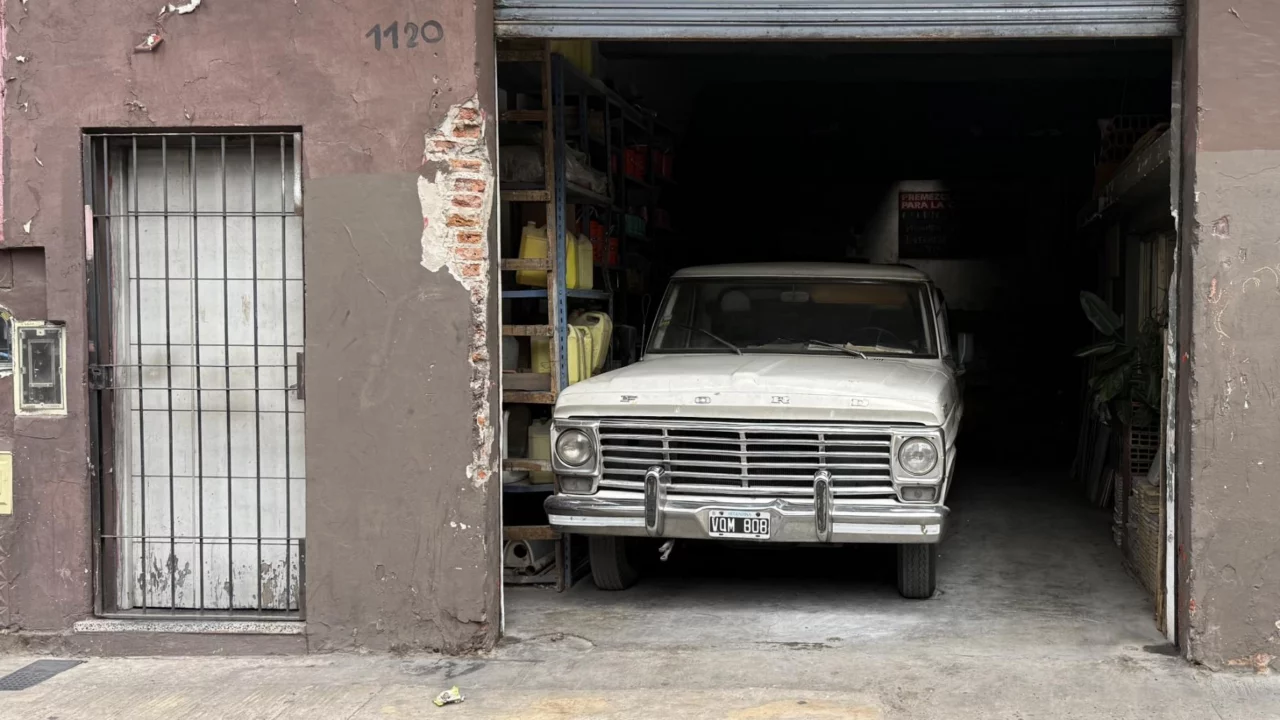
Ford F-100
I never really paid attention to the trucks in Argentina, but I saw this one and thought it was a nice photo opportunity. It seems this generation F-100 was introduced in 1968 and produced through 1973.
Ford Falcon
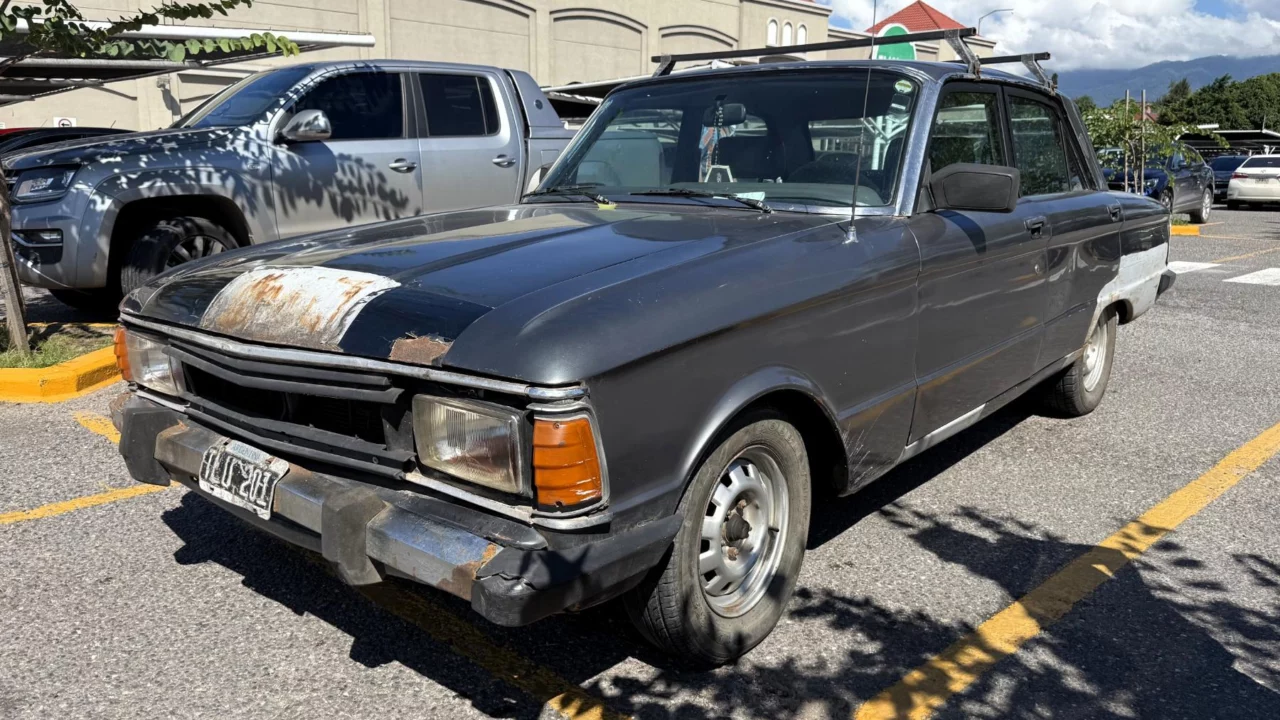
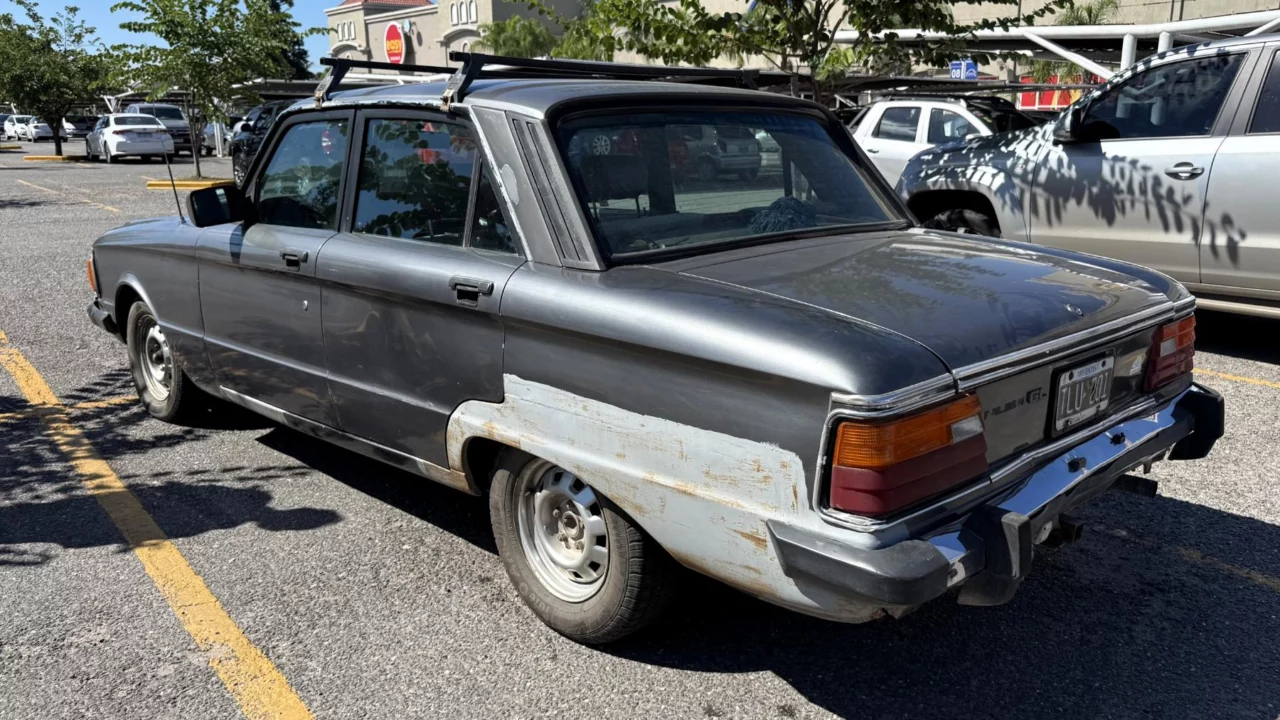
The first trip that I can remember as a kid involved my grandpa picking us up in his Falcon, which was a 1960-61 model per the front end. I believe this was an American-built car because I don’t think the Falcon was produced in Argentina until 1962. Depending on the model year, the grilles were distinct from the American Falcon, and quad headlights appeared in 1970 for more deluxe models — yes, still based on the 1960 design, which was produced through 1991.
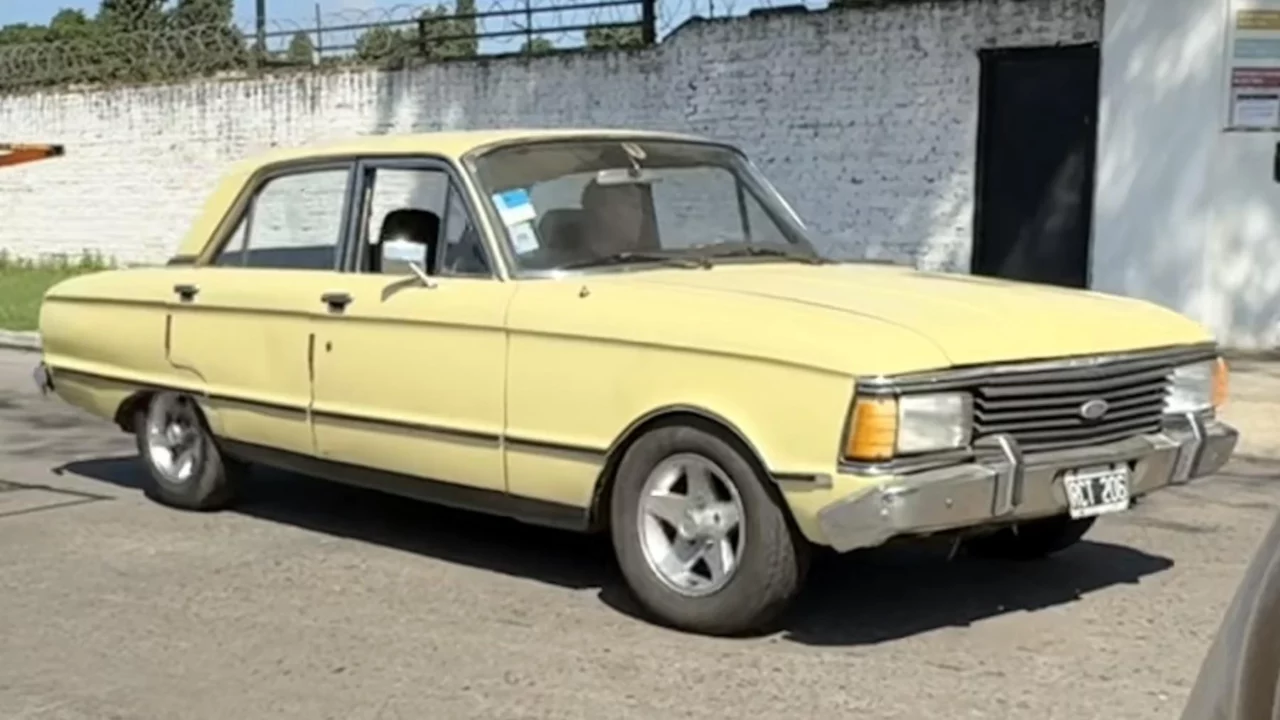
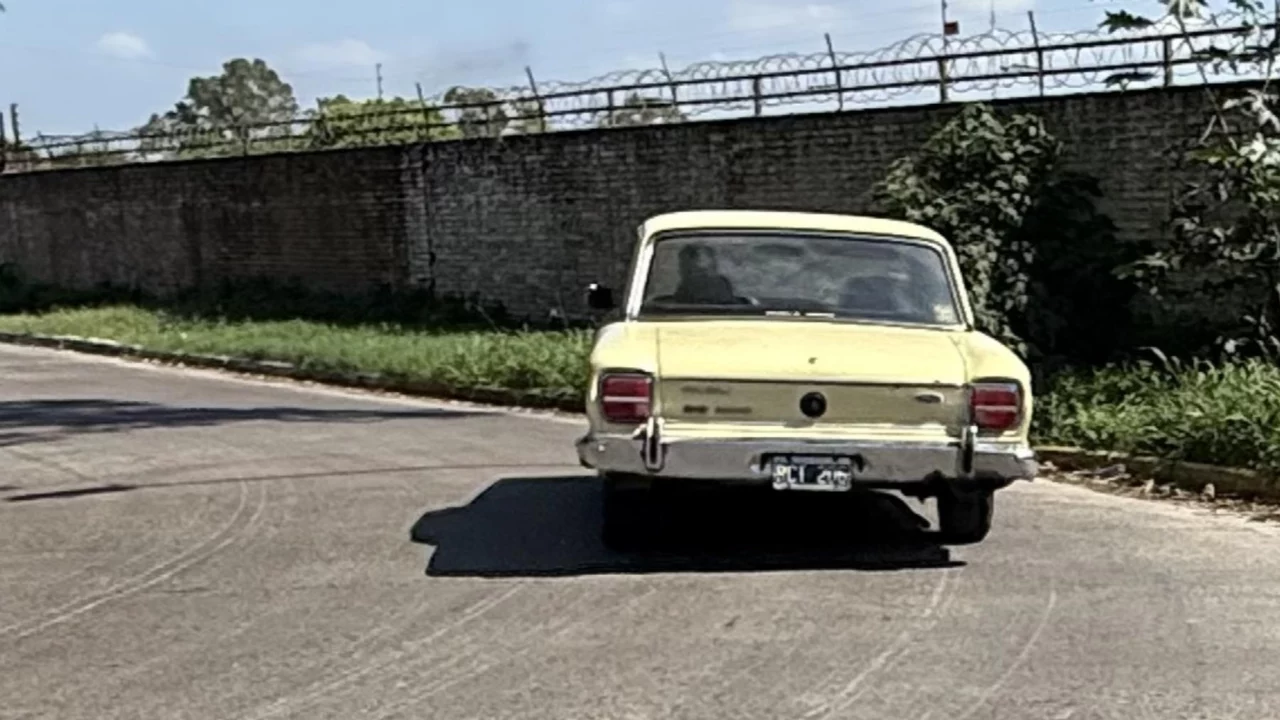
A 1973 facelift gave the Falcon new styling that was distinct from its origins, and another in 1978 implemented flush headlamps. For 1982, the taillights ditched the evolutionary ones used since 1973 (more oval than circular), and this configuration lasted through 1991. The only body styles available were a four-door sedan, four-door wagon, and Ranchero. It would not have been unusual to see a wagon with a six and a four-speed.
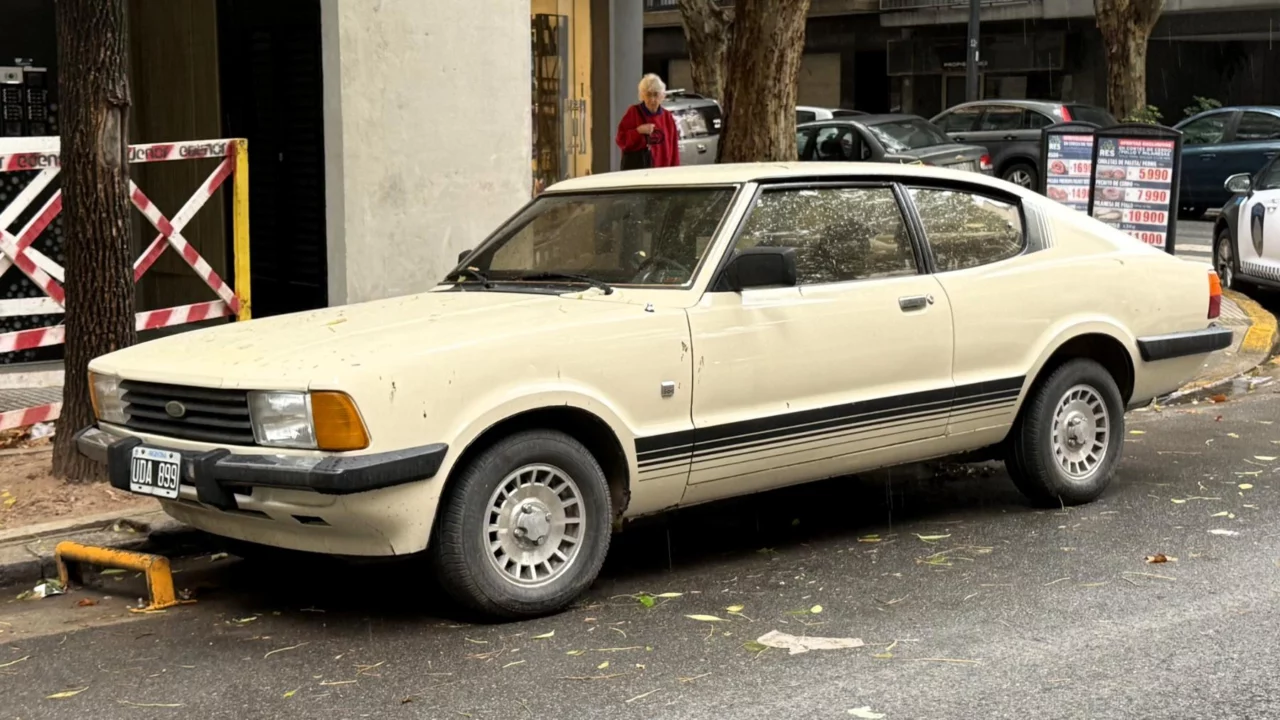
Ford Taunus SP
The Ford Taunus was a German sedan and coupe that was built in Argentina since 1974, though the German version was introduced for 1970. While this generation was available as a fastback, the generation that was introduced in 1980 was not … except in Argentina. I didn’t know this until researching the topic now.
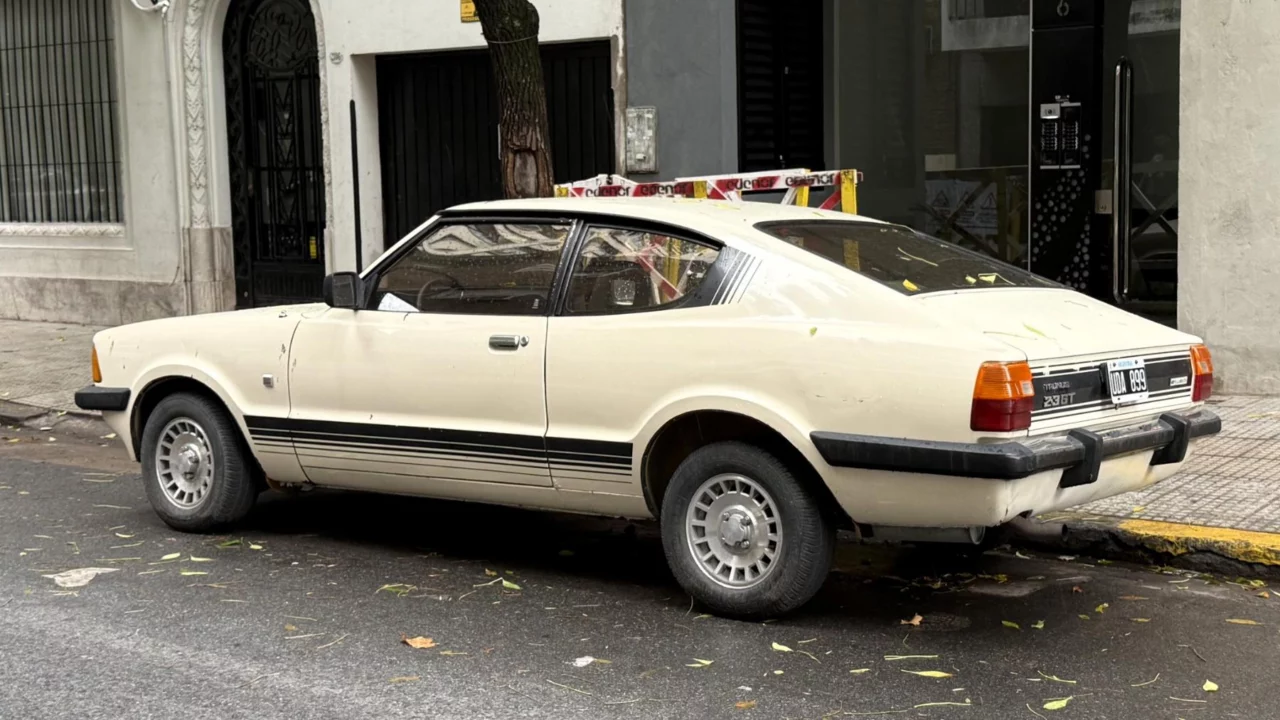
Like many of the cars mentioned here, they were a constant sight in Buenos Aires, but I barely saw any (of any generation) during my visit. In fact, I didn’t even see its successor, the Ford Sierra, which should be more familiar to Americans as a fancy version was sold in the States as the Mercur XR4Ti.
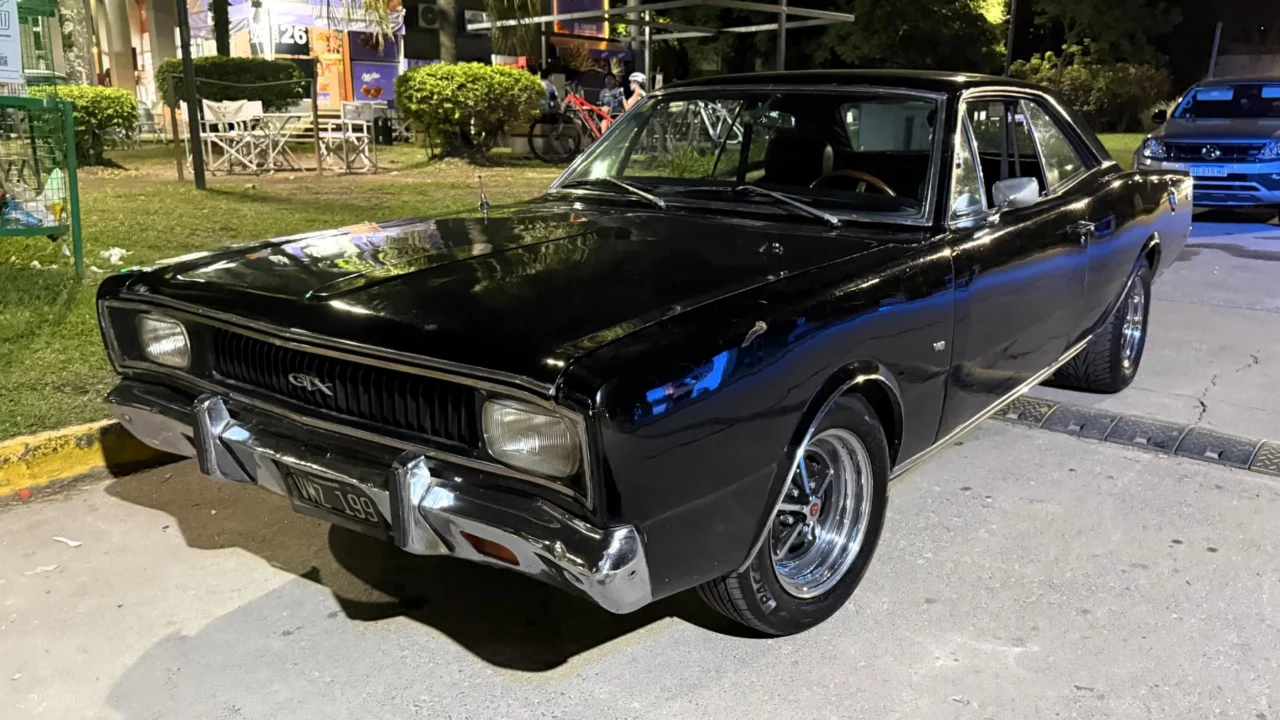
Dodge GTX
This one has always been a favorite of mine, though good information has been hard to come by. It looks like a custom B-body Dodge, but it is actually an A-body. I believe the four-door sedan was introduced in the fall of 1968 as a Valiant, Polara, Coronado, and GT, all powered by the “Slant Six.” Towards the end of 1970, a GTX hardtop coupe was introduced, replacing the GT sedan; all were powered by the “Slant Six” though the 318 V-8 became the GTX’s exclusive powerplant for 1972. It was also joined by a Polara coupe powered by the Slant Six. A sporty, striped Polara R/T (powered by the Slant Six) joined the lineup for 1974.
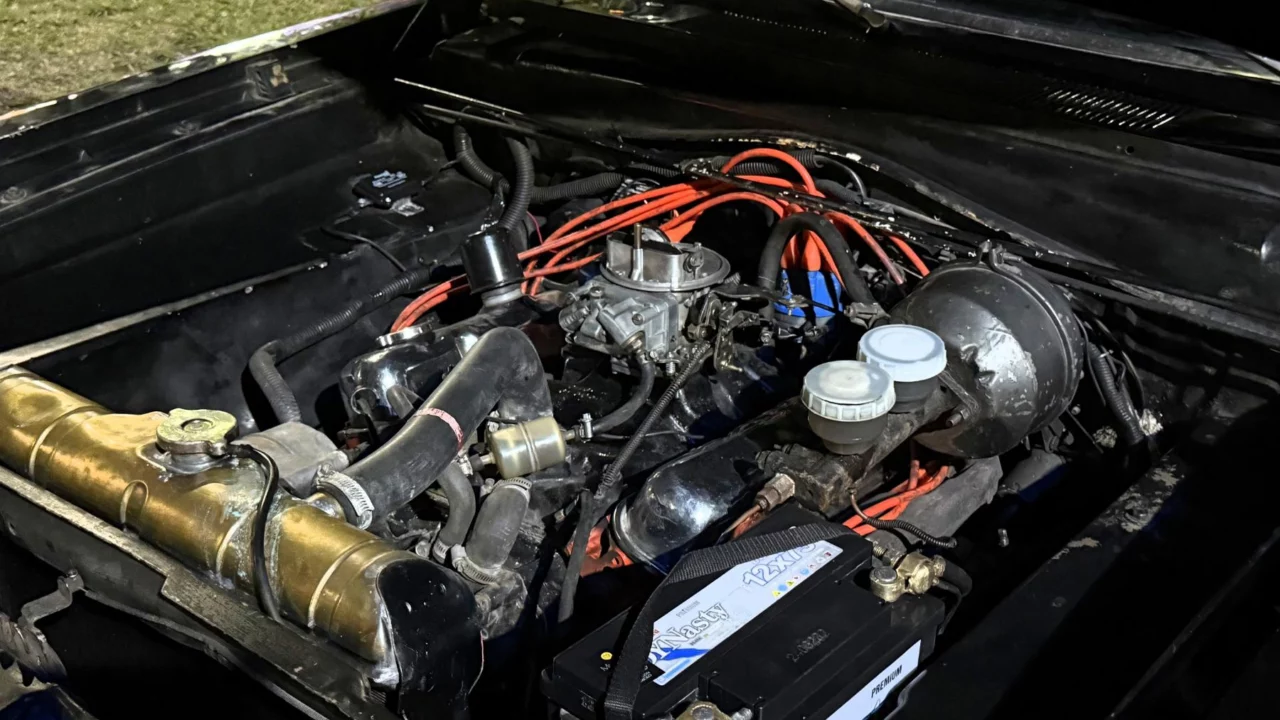
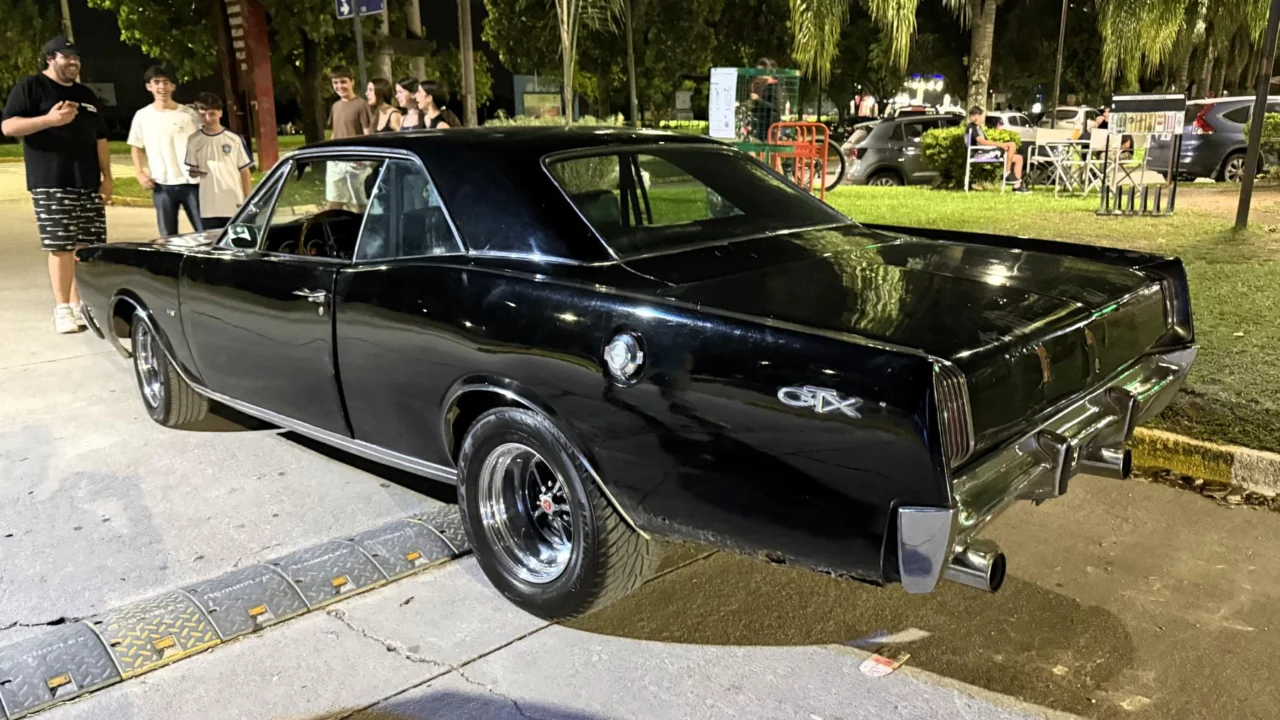
There were two generations of this car, mainly differing in grille and taillights, with the updates instituted for 1972. In this configuration, the Dodge was produced through 1979.
Dodge 1500
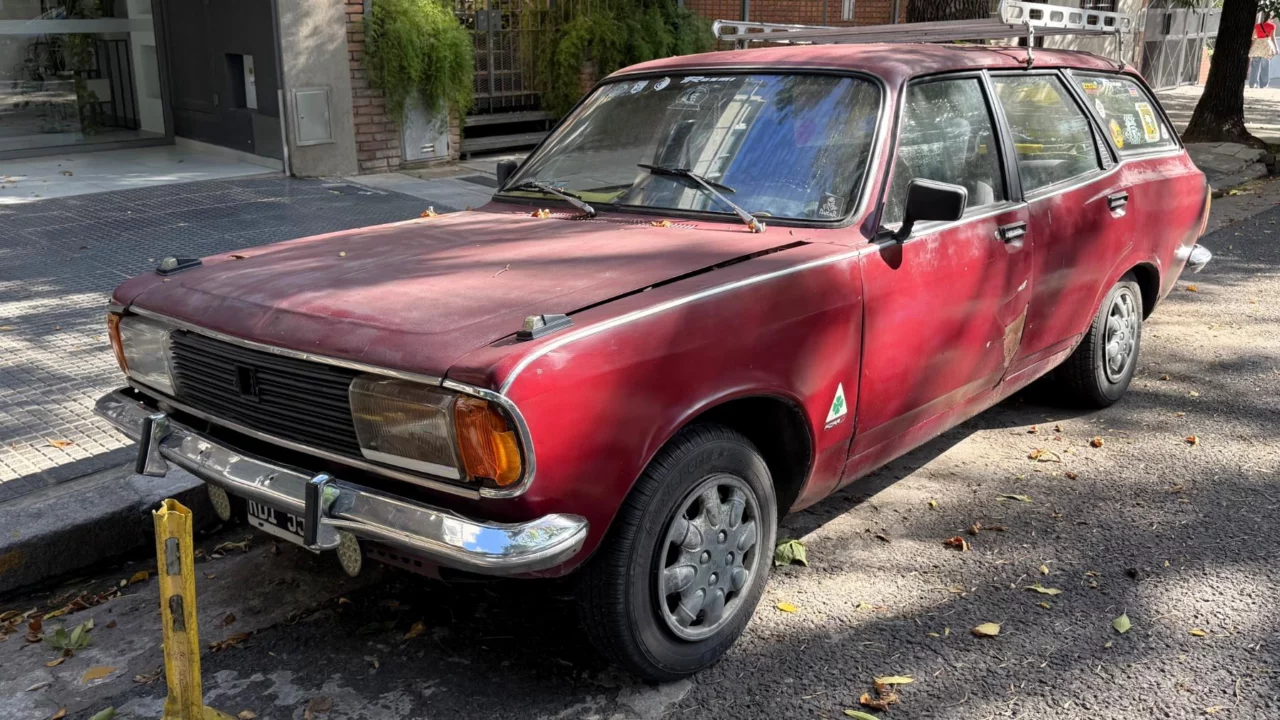
You may be familiar with the Plymouth Cricket as the Chrysler Corporation’s captive import from the UK. In its native market, it was known as the Hillman Hunter. The similar Dodge 1500 entered production in August 1971.
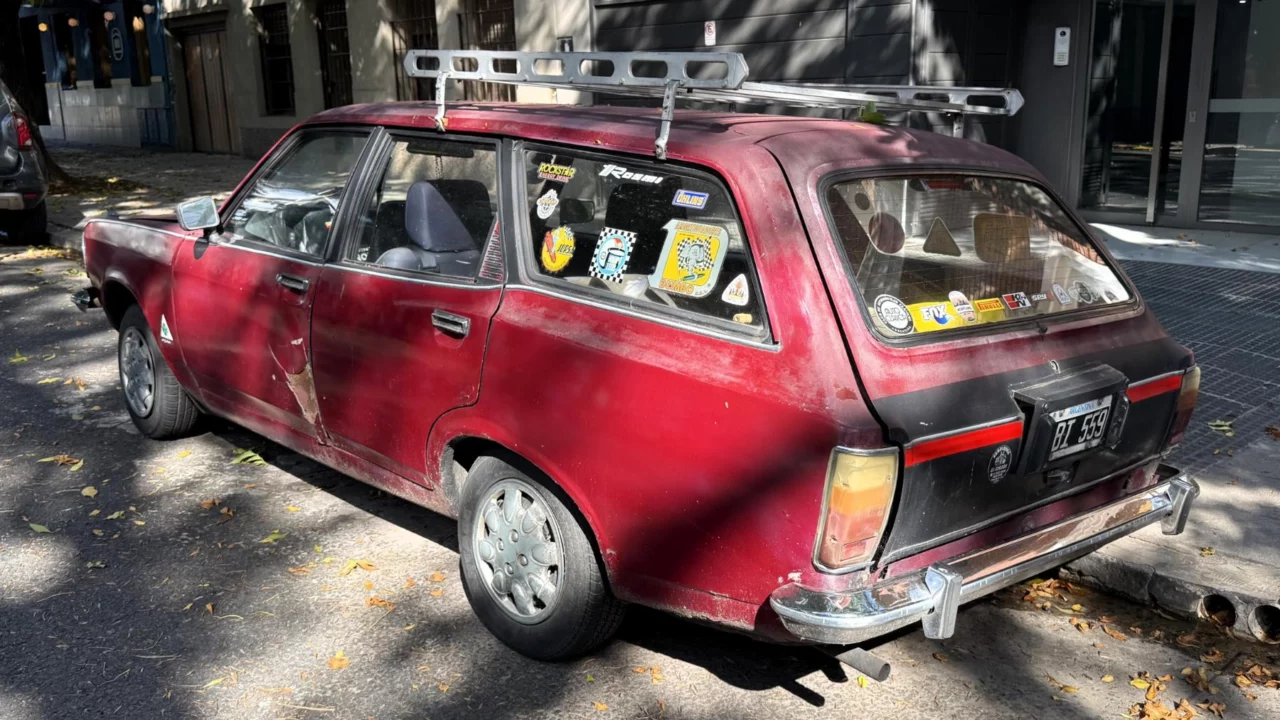
For 1978, it was facelifted with wrap-around parking lights, but the most unusual thing happened in 1980 when Volkswagen acquired remnants of Chrysler International and continued producing the 1500 as the Dodge Volkswagen 1500. I believe Volkswagen restyled the front and rear of the 1500 for 1982, and this Volkswagen 1500 was produced through 1990.
Citroen 3CV
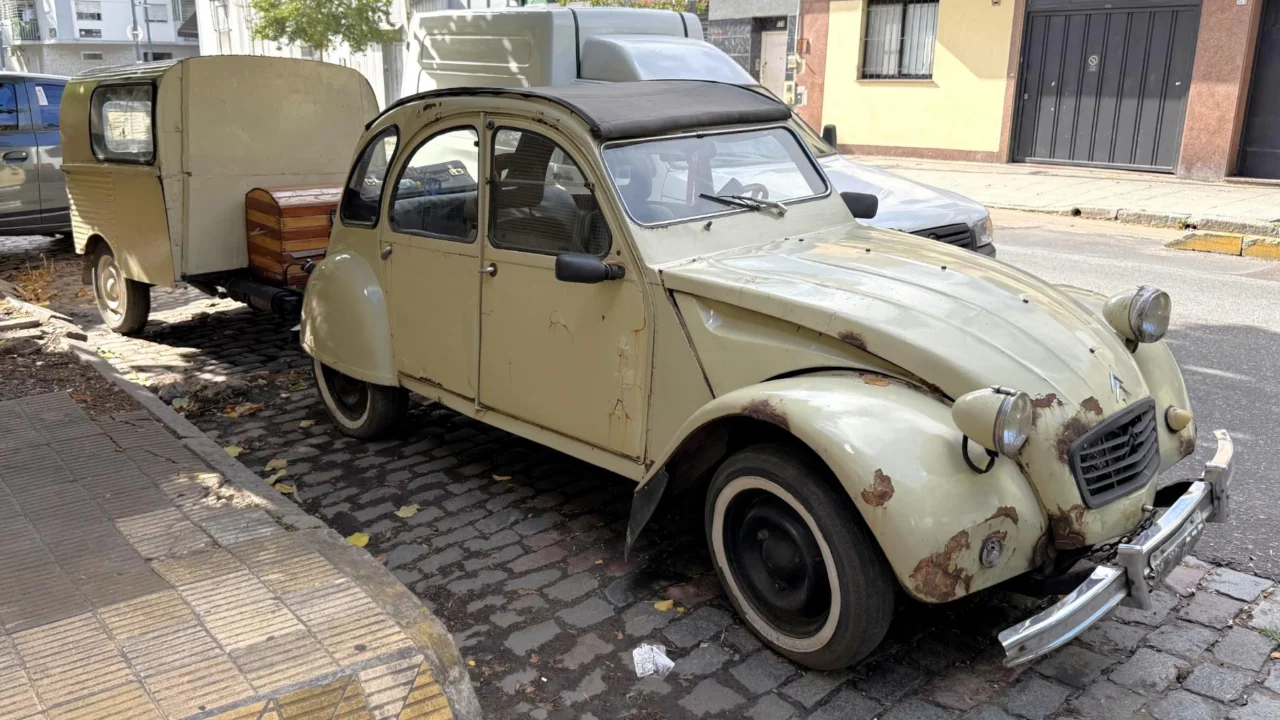
You may know about the 2CV, but what’s the 3CV? I cannot say this with certainty, but it seems the 2CV was produced in Argentina starting in 1959 and, over time, it became the 3CV when Citroen Argentina began producing the Ami 8. During my visits, I would notice that certain versions lacked a rear side window and had turn signals on the upper portion of the sides, but I believe in 1966 that both the rear window and fender-mounted turn signals found their proper places, and that’s how the 2CV ended production in 1990 … except in Argentina, as the 3CV ended production in 1979. A local company bought the factory and rights to this model and produced a facelifted version of the 3CV through the 1980s.
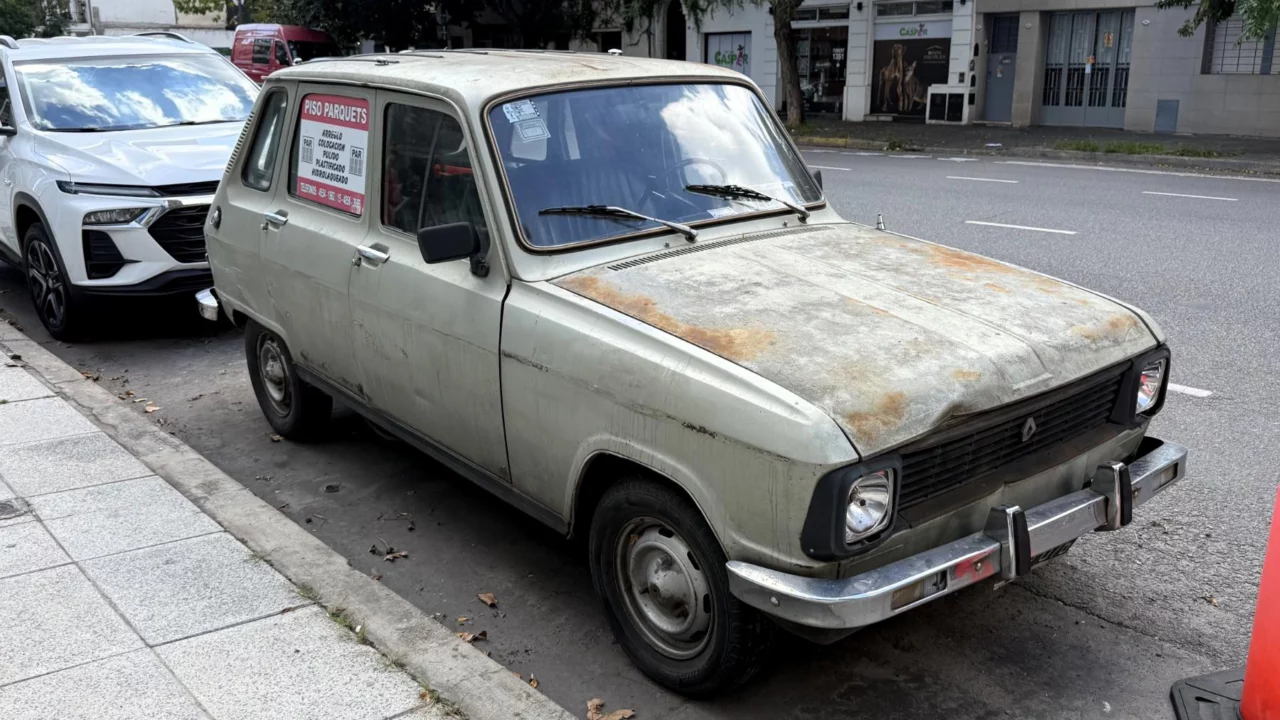
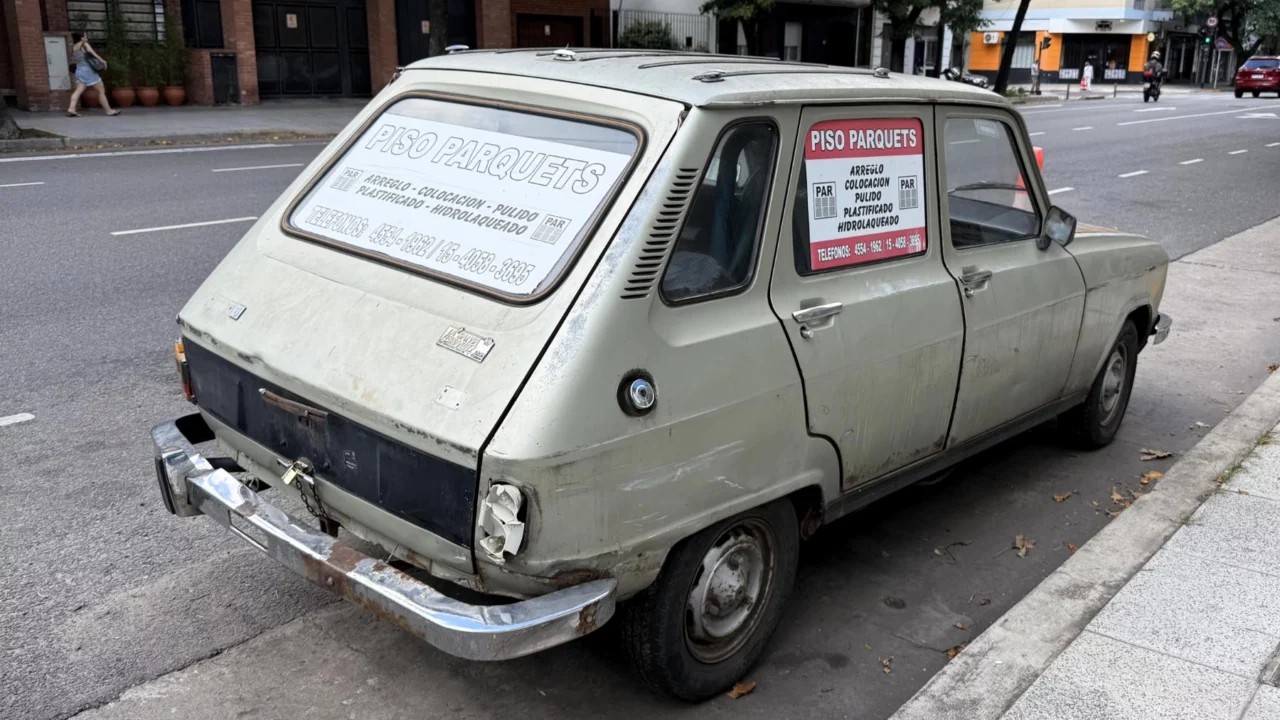
Renault 6
Before my grandpa passed away, he owned one of these. It reminds me of an updated version of the Renault 4, much like the Citroen Dyane was supposed to be a 2CV successor. Produced by IKA-Renault (Industrias Kaiser Argentina, a company that produced the Kaiser Carabela), it seems to have been built from the end of 1969 through 1986.
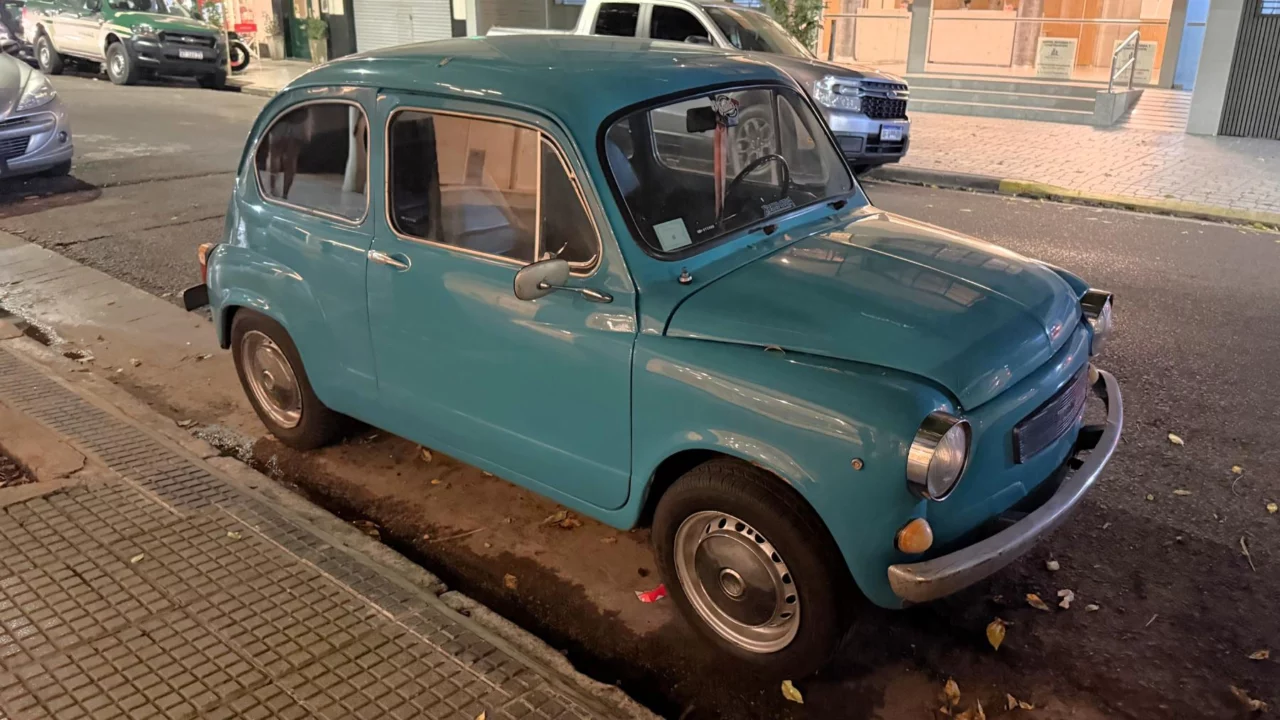
Fiat 600
Where did they all go? Produced from 1960-82, the Fiat 600 was a two-cylinder, rear-engined minicar that actually was slightly bigger than the more famous Fiat 500 (aka “Topolino”), which never had a local build in Argentina as far as I know. Based on the trim, I think this was one of the later versions closer to the 1980s.
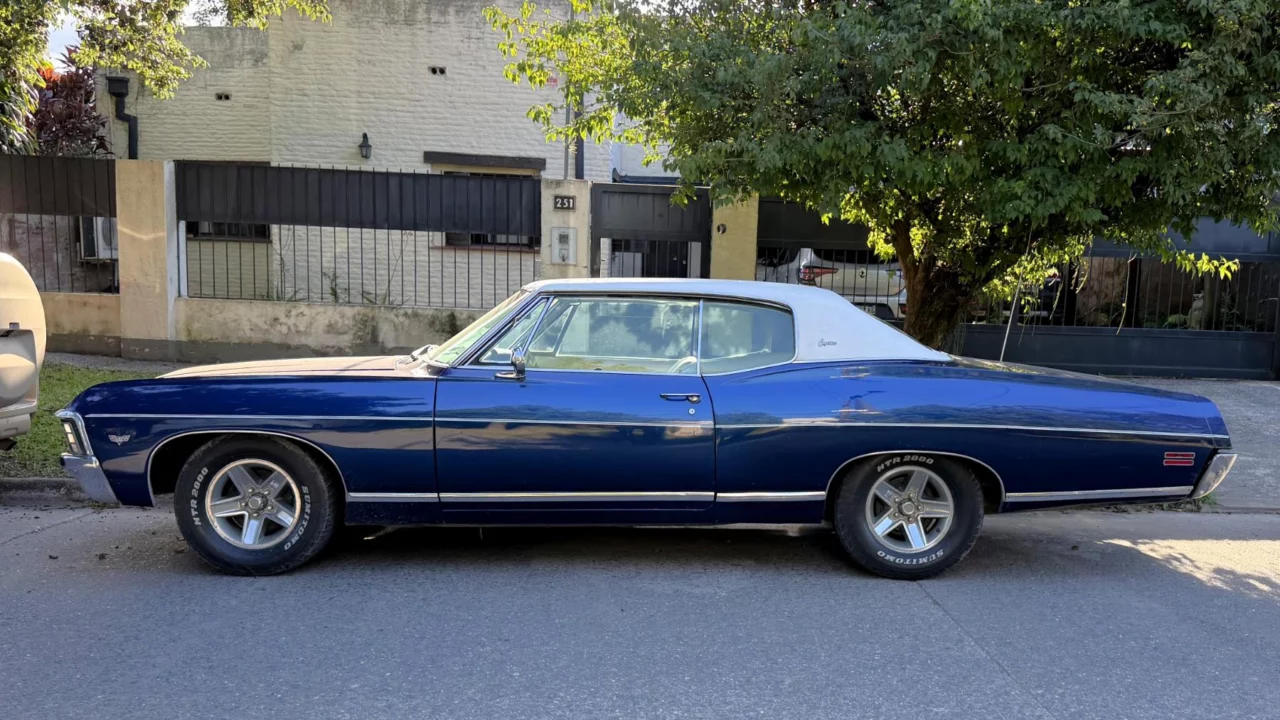
1967 Chevrolet Caprice
I was visiting family in Tucuman (not a city most tourists visit) and we went for coffee after a large lunch. Driving through the neighborhood, I caught sight of this 1967 Caprice. I knew what it was because the Caprice had distinctive taillights, but I wasn’t prepared for this sighting because normally, I would have expected an Impala sedan.
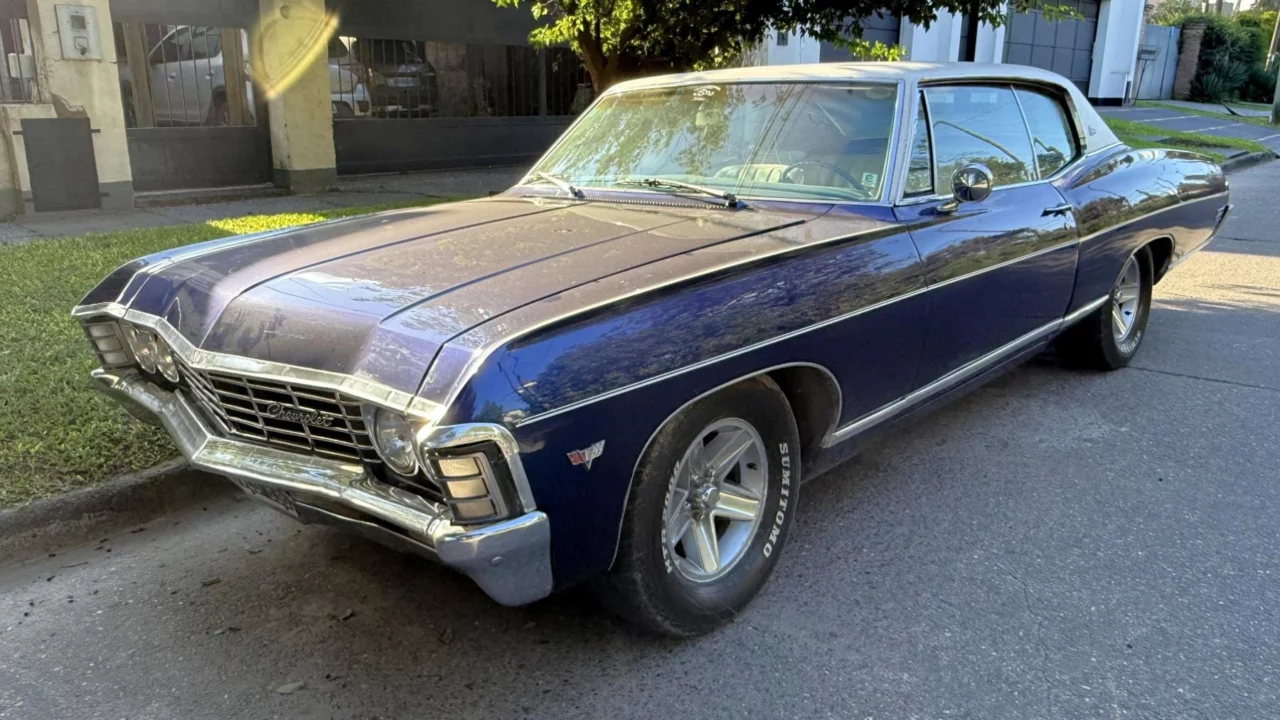
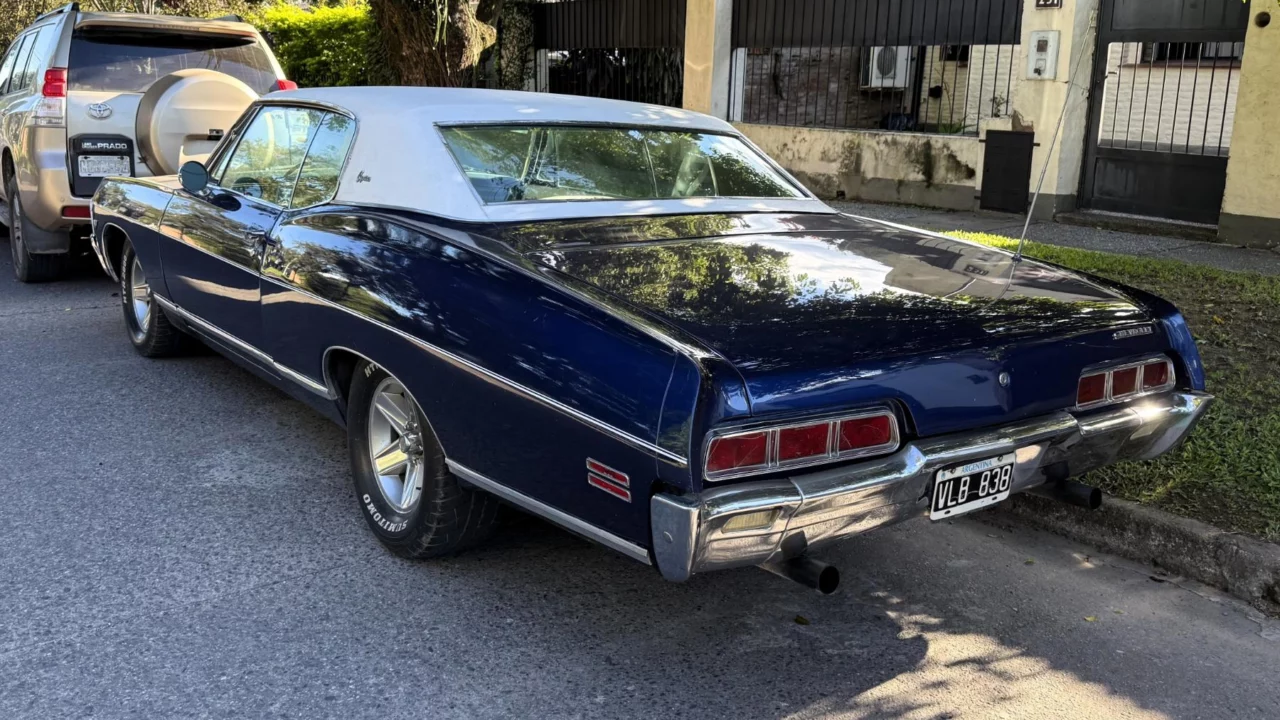
This Caprice was a coupe with bucket seats and console! Better yet, the speedometer was in kilometers, so this was an honest-to-goodness export car.

