During my trip to the Muscle Car and Corvette Nationals in Chicago, I rented a car and drove with my bud Alan Munro to South Bend, Indiana. It’s an easy two-hour trip to visit the Studebaker National Museum, which is a more interesting attraction than any Notre Dame gridiron game (RIP Lou Holtz).
Even when I was a kid, I knew Studebakers were special. I remember seeing a Hawk in Rehoboth Beach when I was eight, and a babysitter’s friend had a 1964 sedan that earned him this response when he visited a mechanic: “Don’t call it a car — it is an automobile.” I had several occasional Avanti (or Avanti II) sightings throughout my youth and, when I started buying magazines, Raymond Loewy seemed to be mentioned constantly and with reverence.
Studebaker was never a first-tier interest for me, but the company that once was America’s oldest automobile manufacturer always commanded respect. Fast-forward to around 2000 and several die-hards of the Studebaker Drivers Club showed up at the Pure Stock Muscle Car Drag Race and educated the masses on the performance potential of the 289 and 304.5ci V-8s.
Clearly, it was high time to visit this South Bend homage to automotive history.
The Studebaker National Museum is more than just cars, as the facility shares space with The History Museum. Over there, you’ll find exhibits like Rockne: Life & Legacy, Great Lakes Shipwrecks, and more pertaining to local and regional interests. But let’s not forget that Studebaker built buggies well before cars appeared on the radar. As such, the Studebaker National Museum is as much about American history as it is about automobiles.
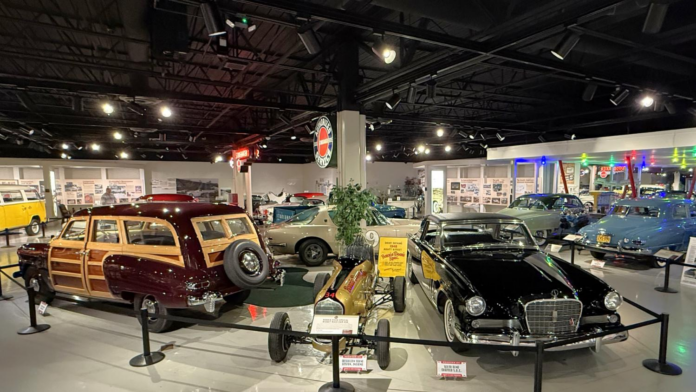
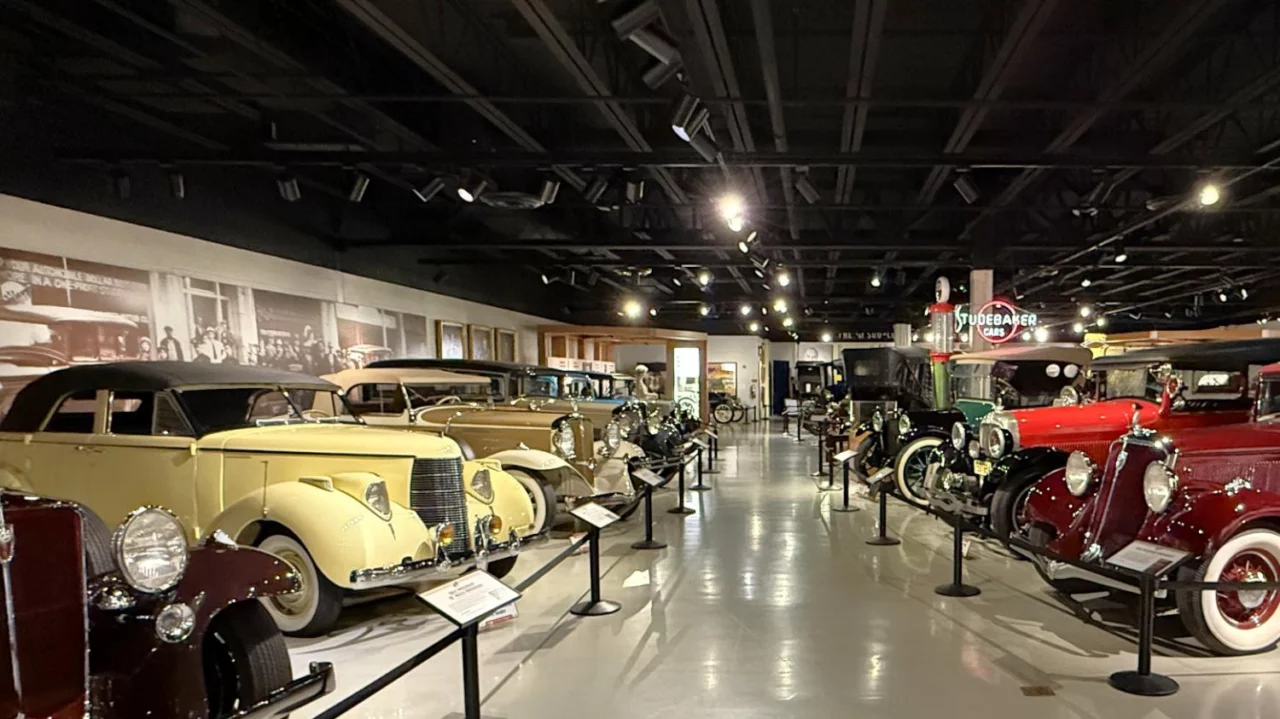
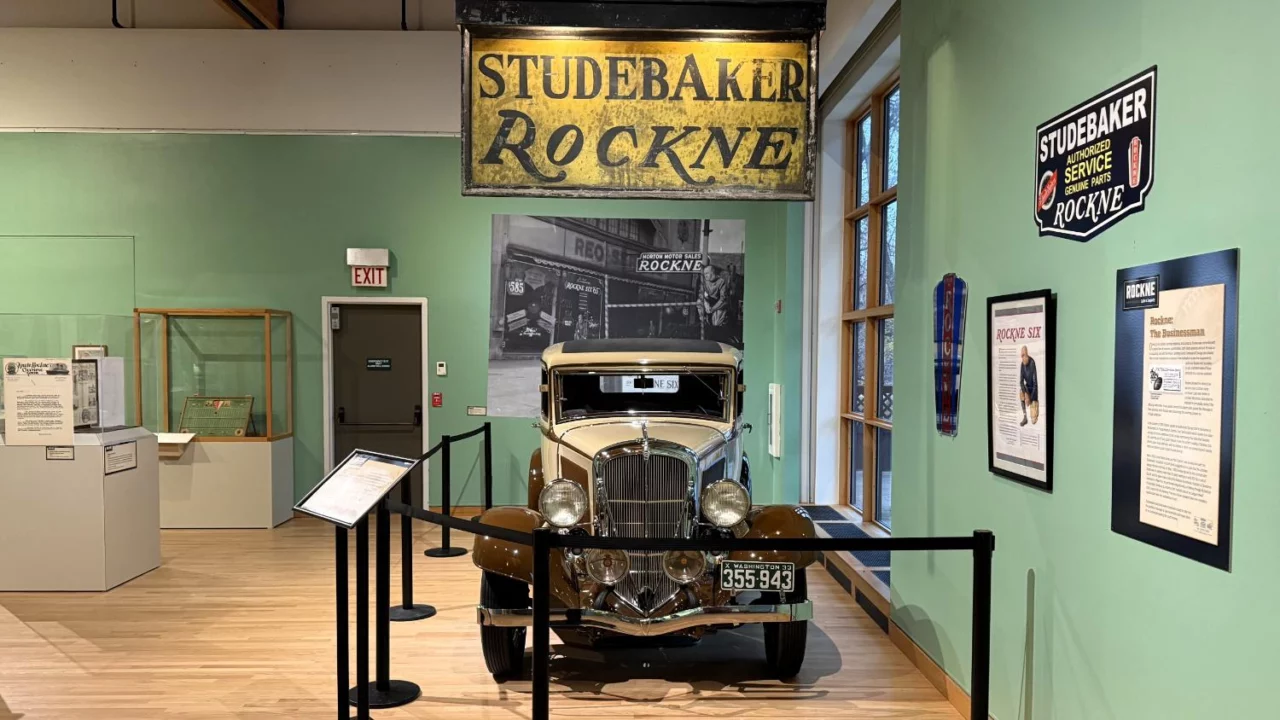
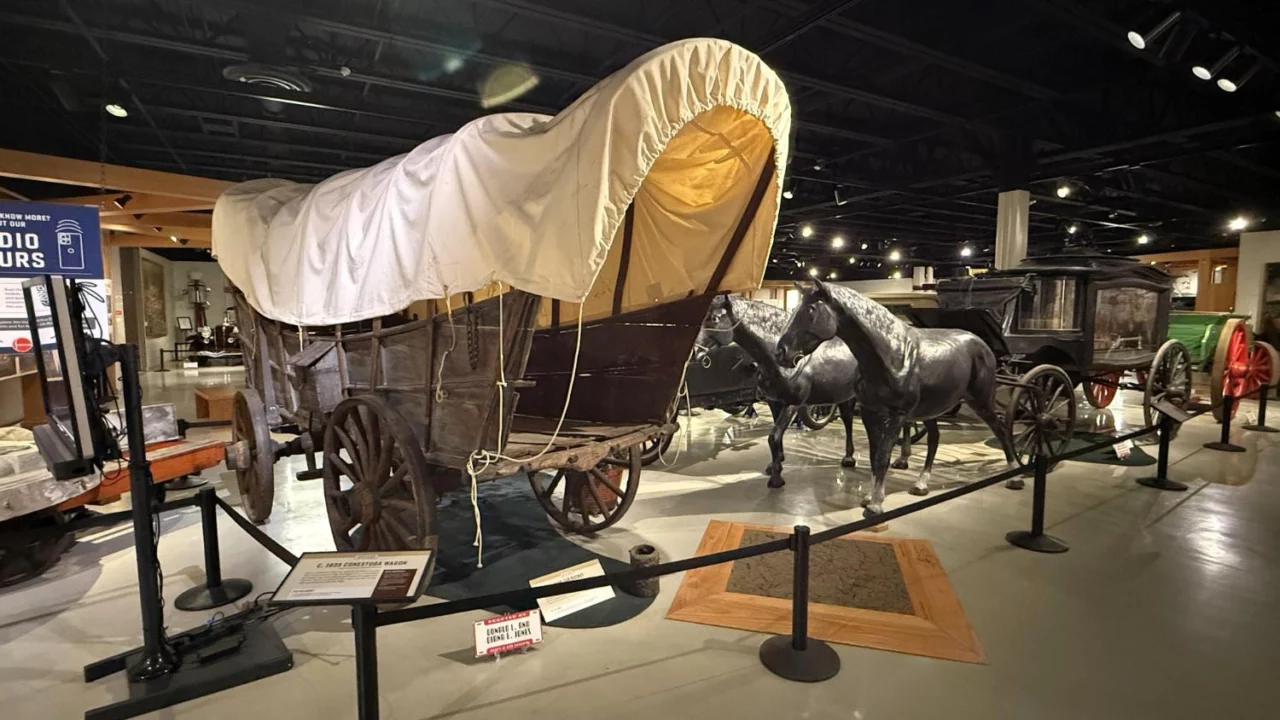
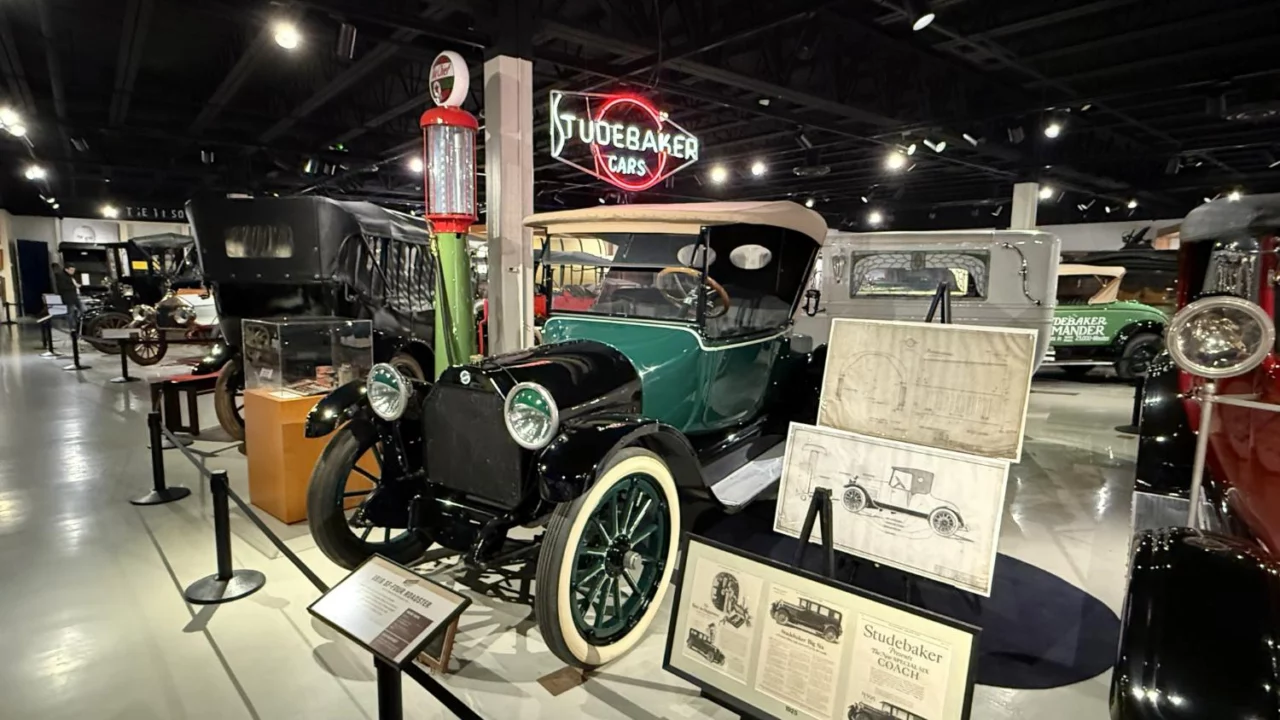
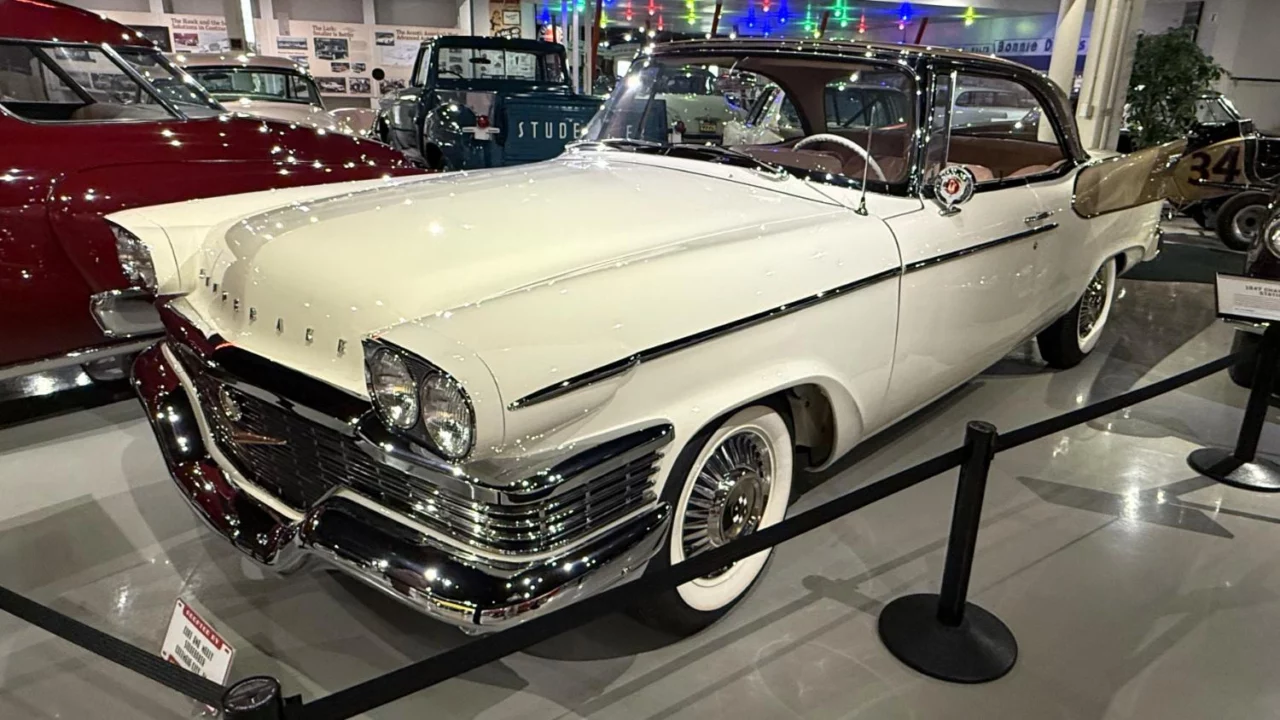
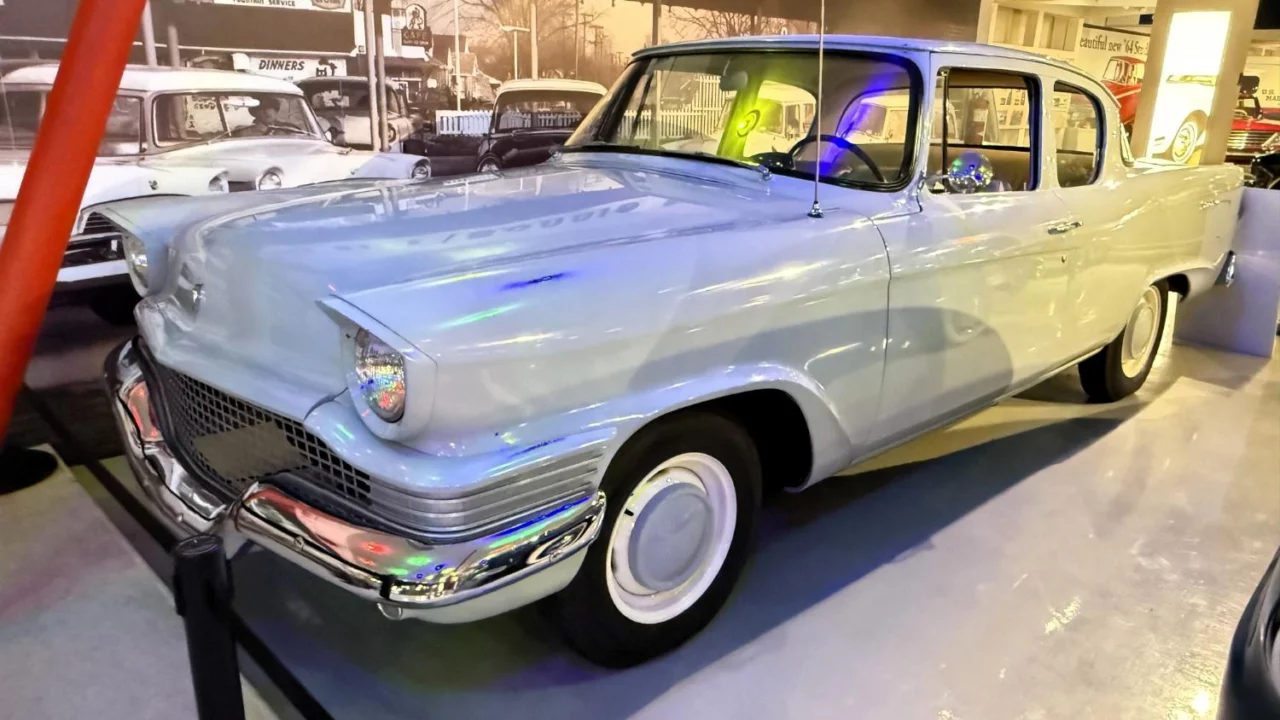
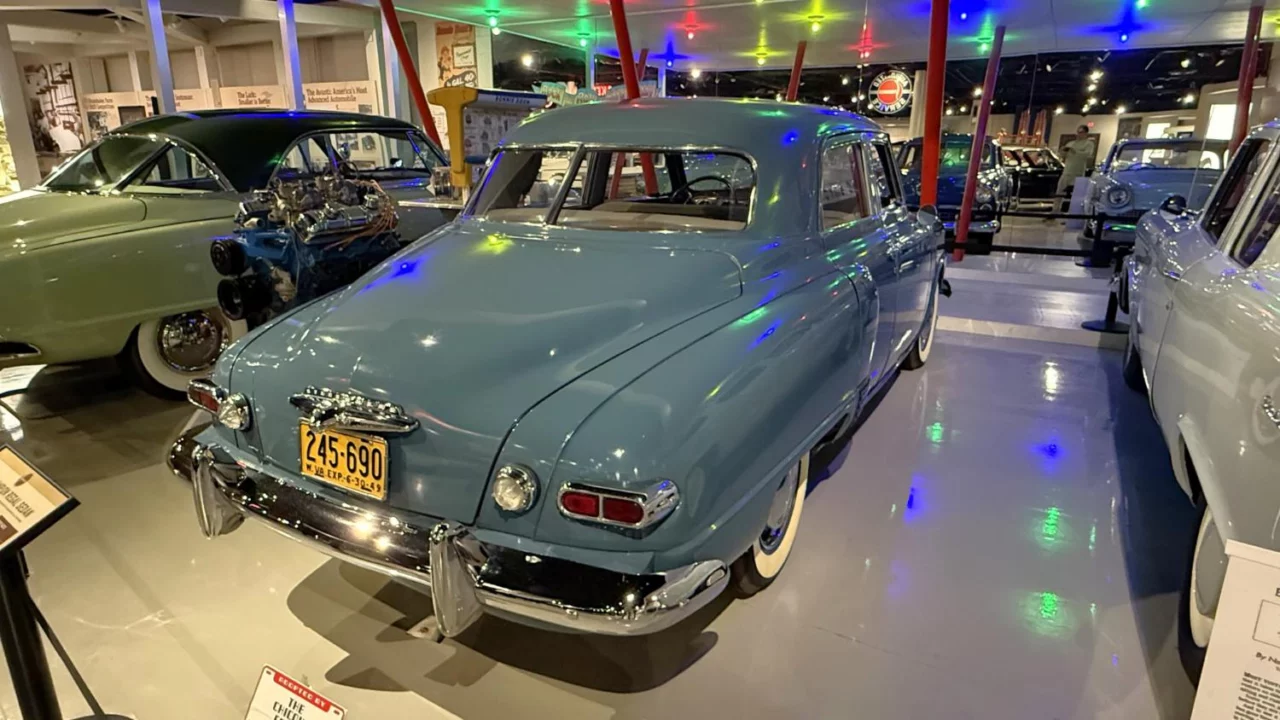
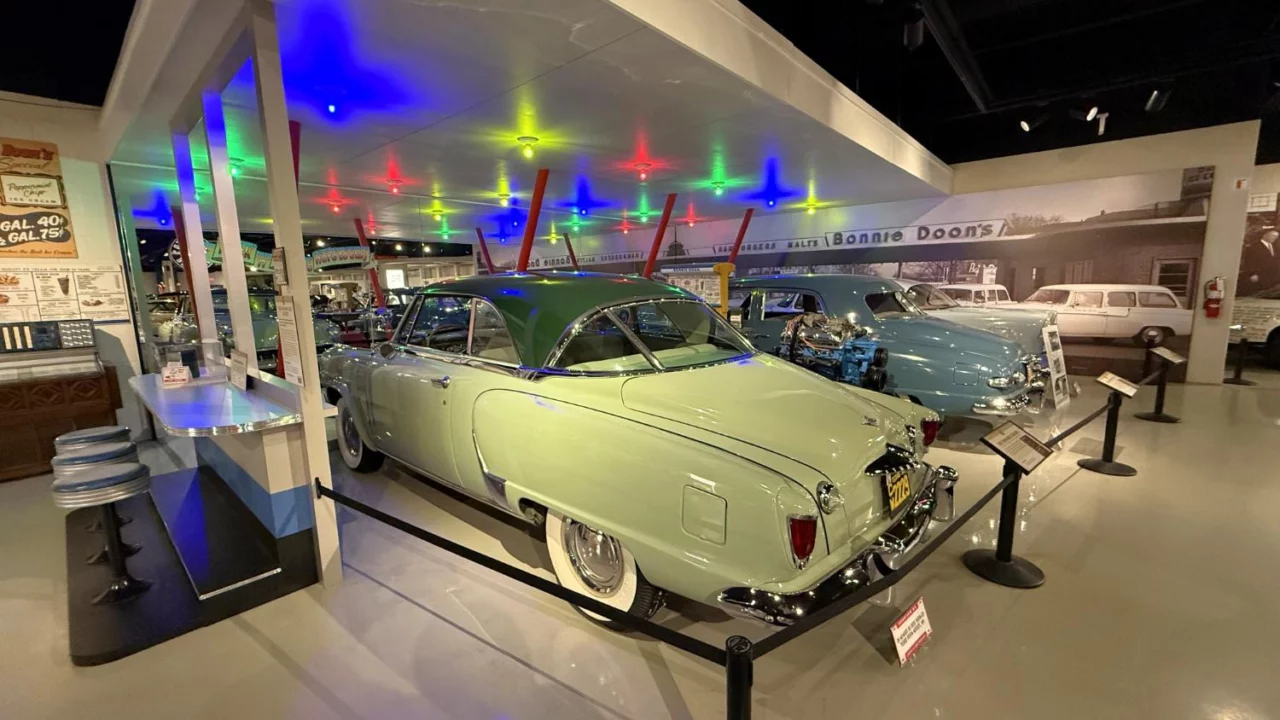
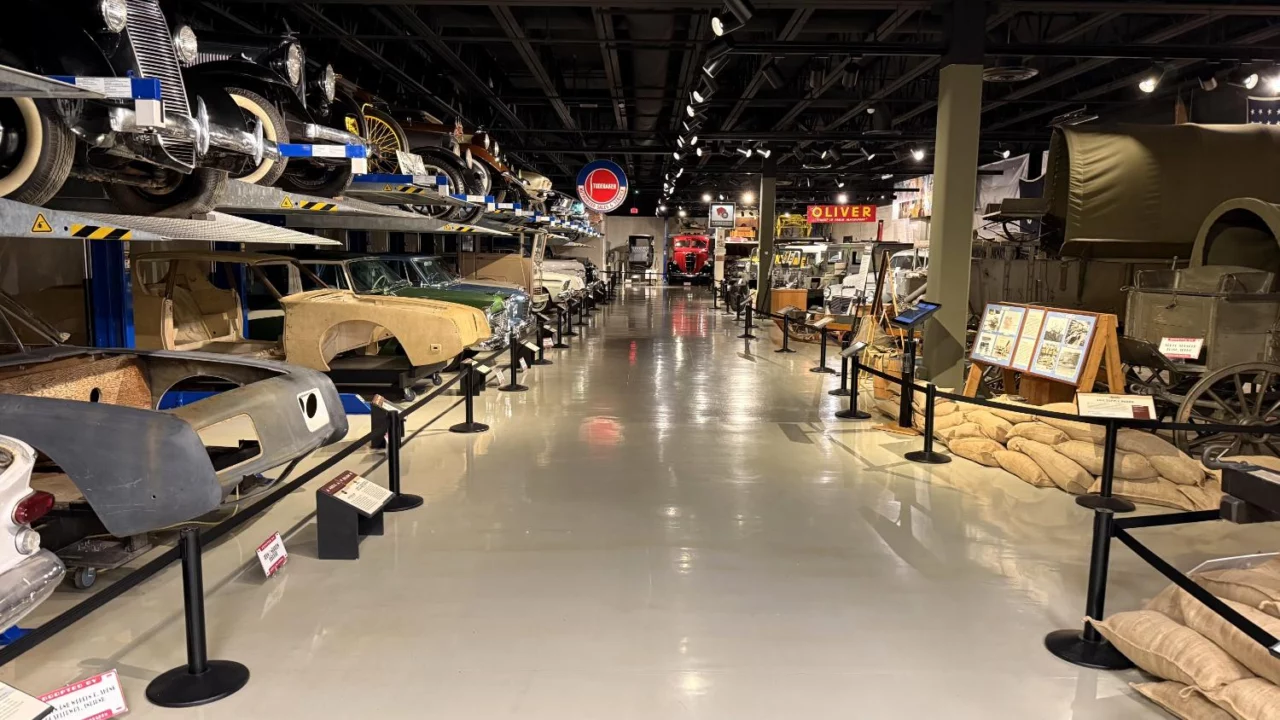
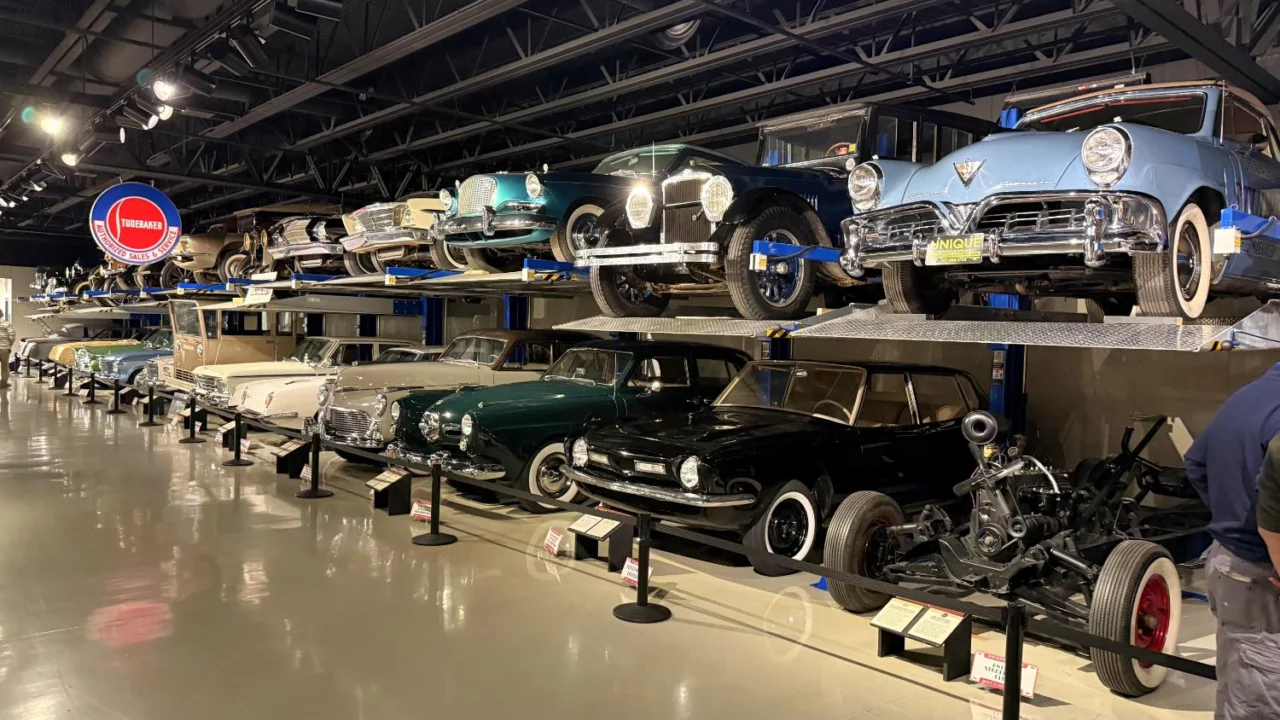
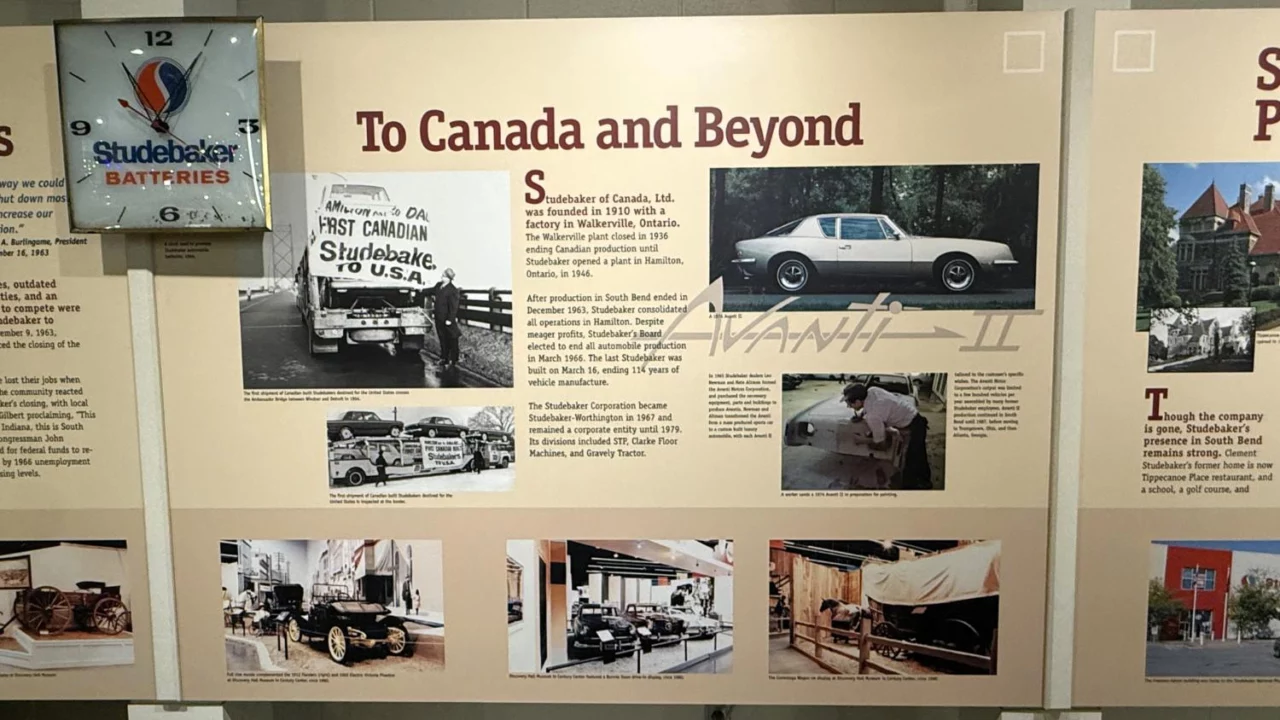
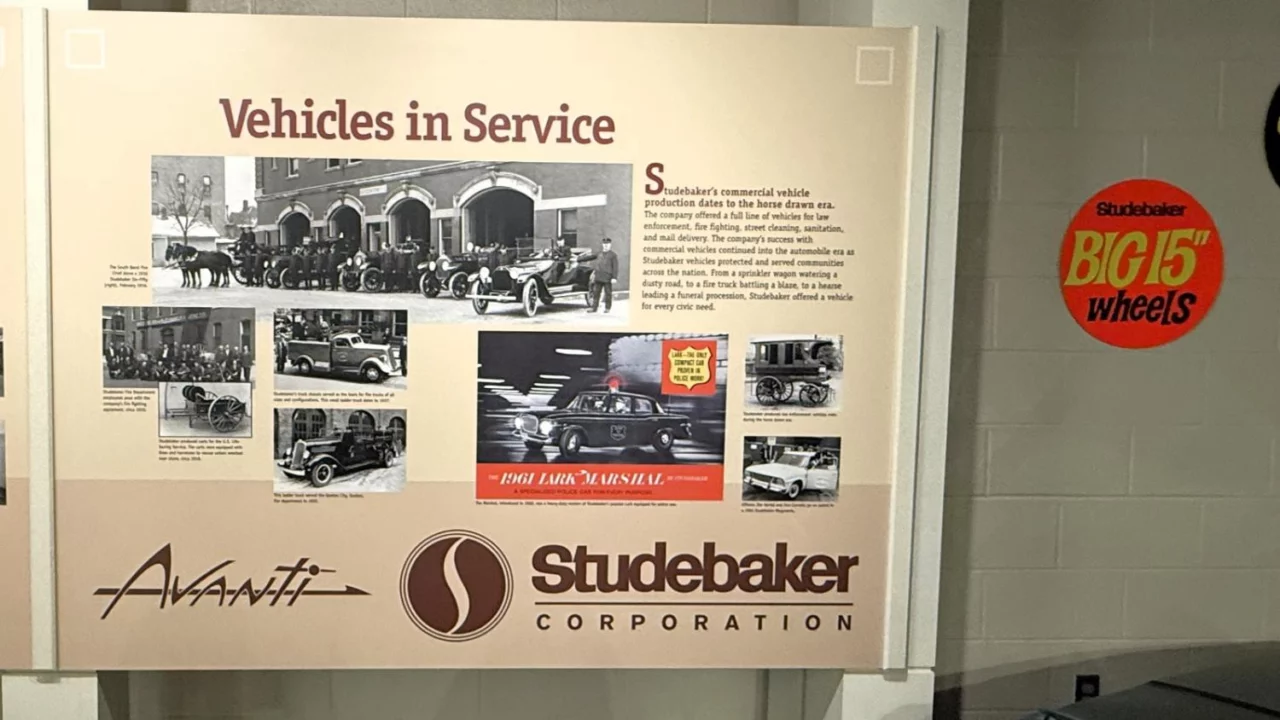
Below you can find photos that cover all three floors of the Studebaker National Museum, plus an extra from the Knute Rockne exhibit as Studebaker built a vehicle named after the football great. This museum is mandatory for anyone interested in automotive, industrial, or Indiana history — visit www.studebakermuseum.org for information.
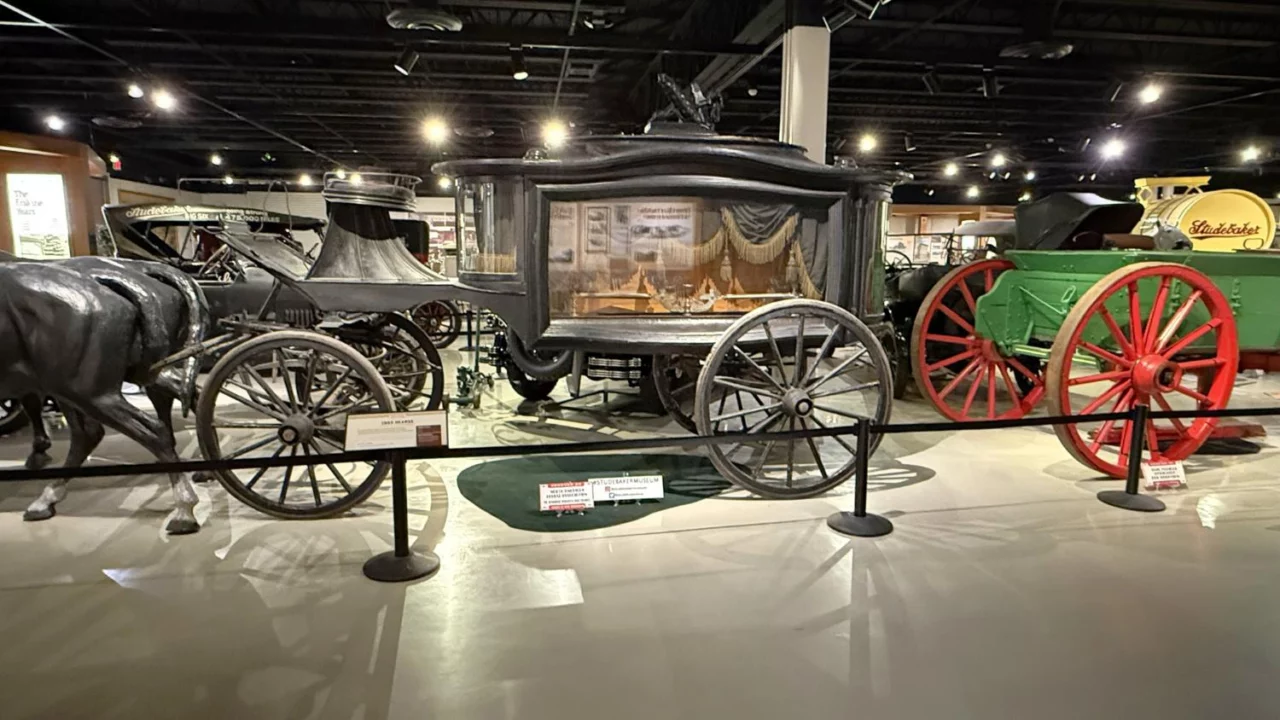
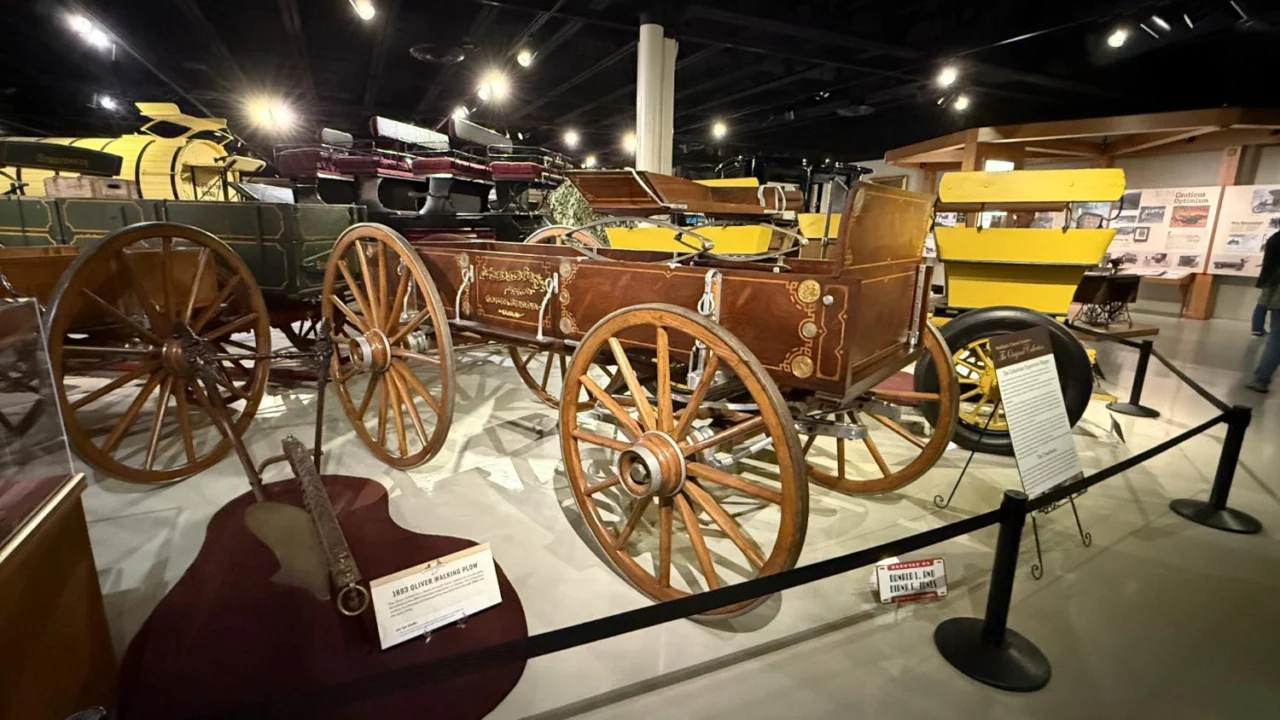
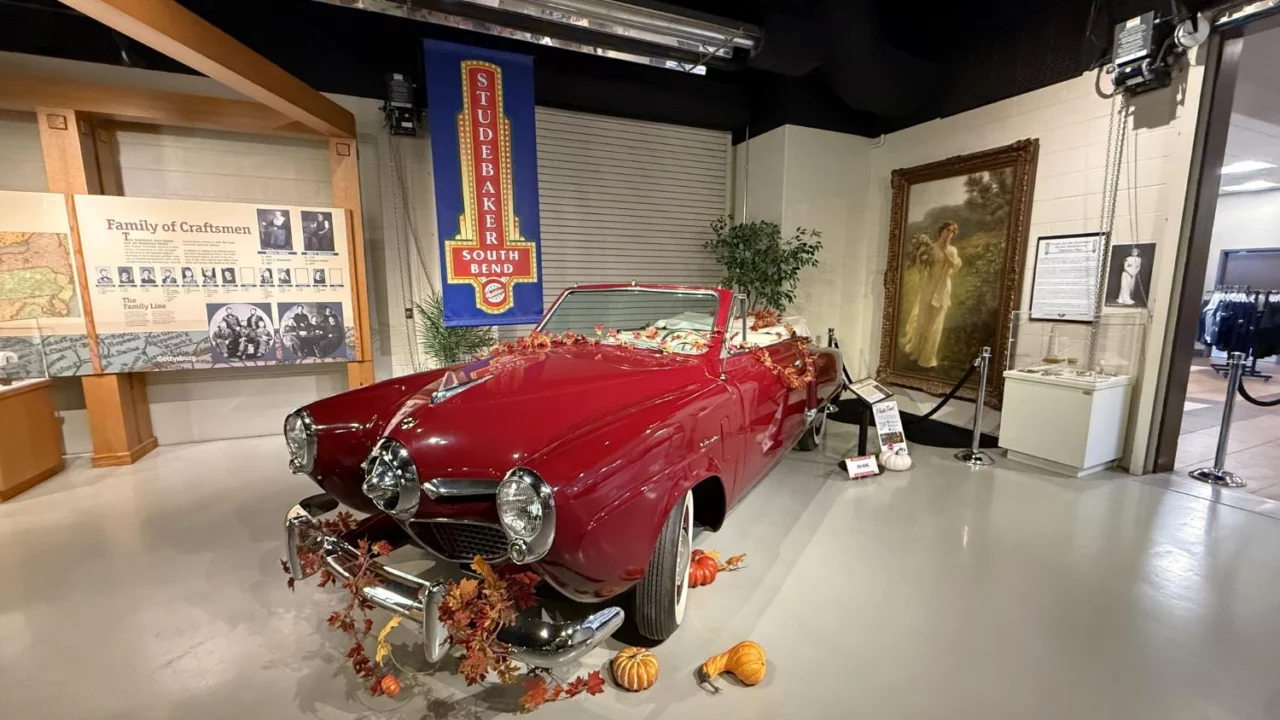
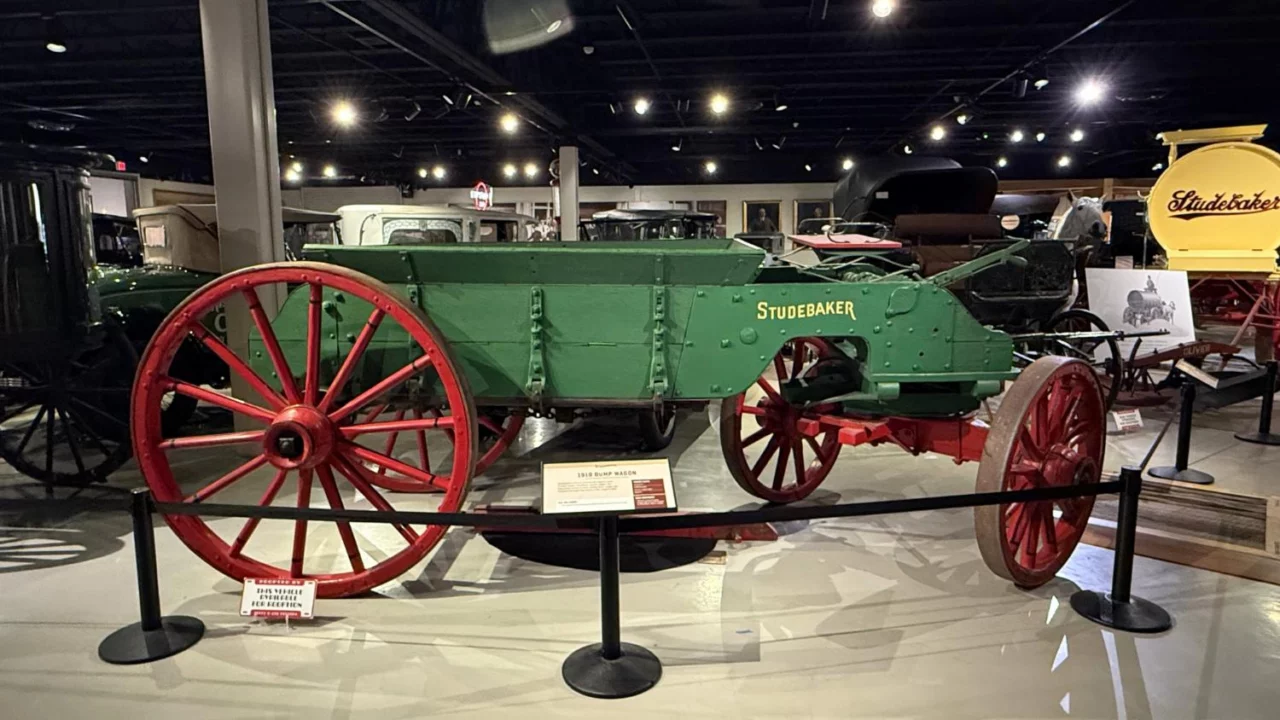
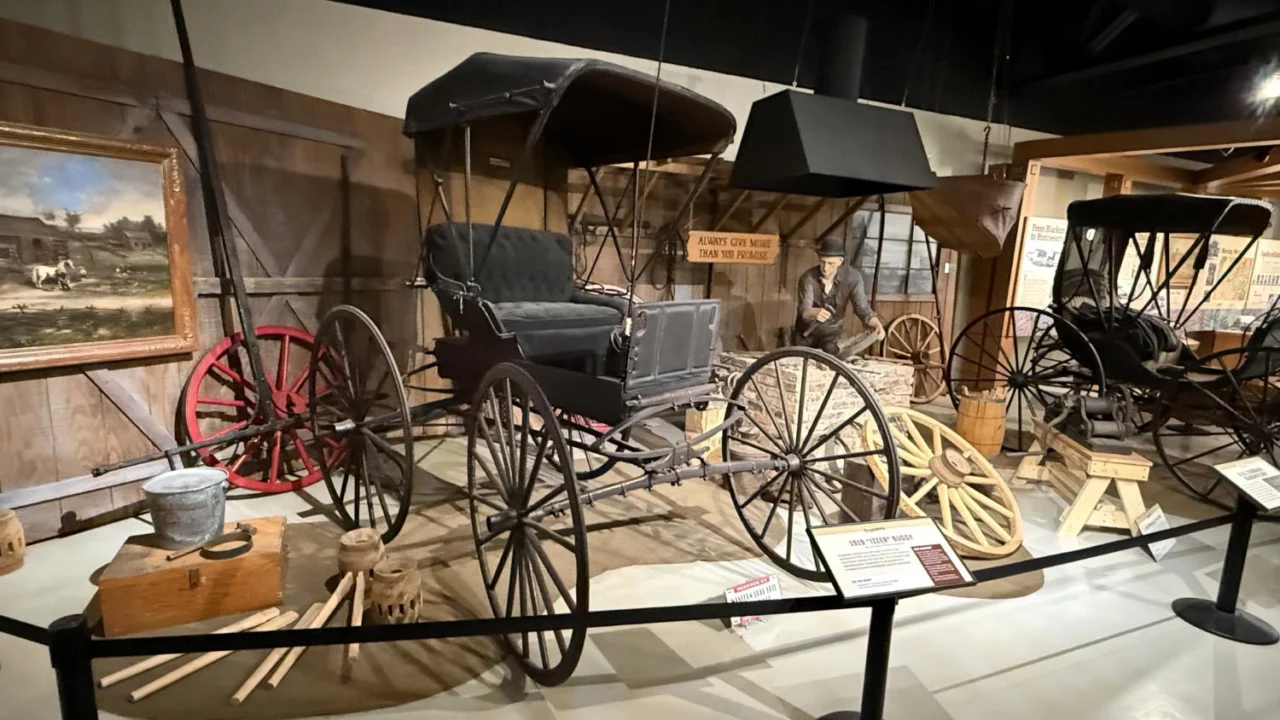
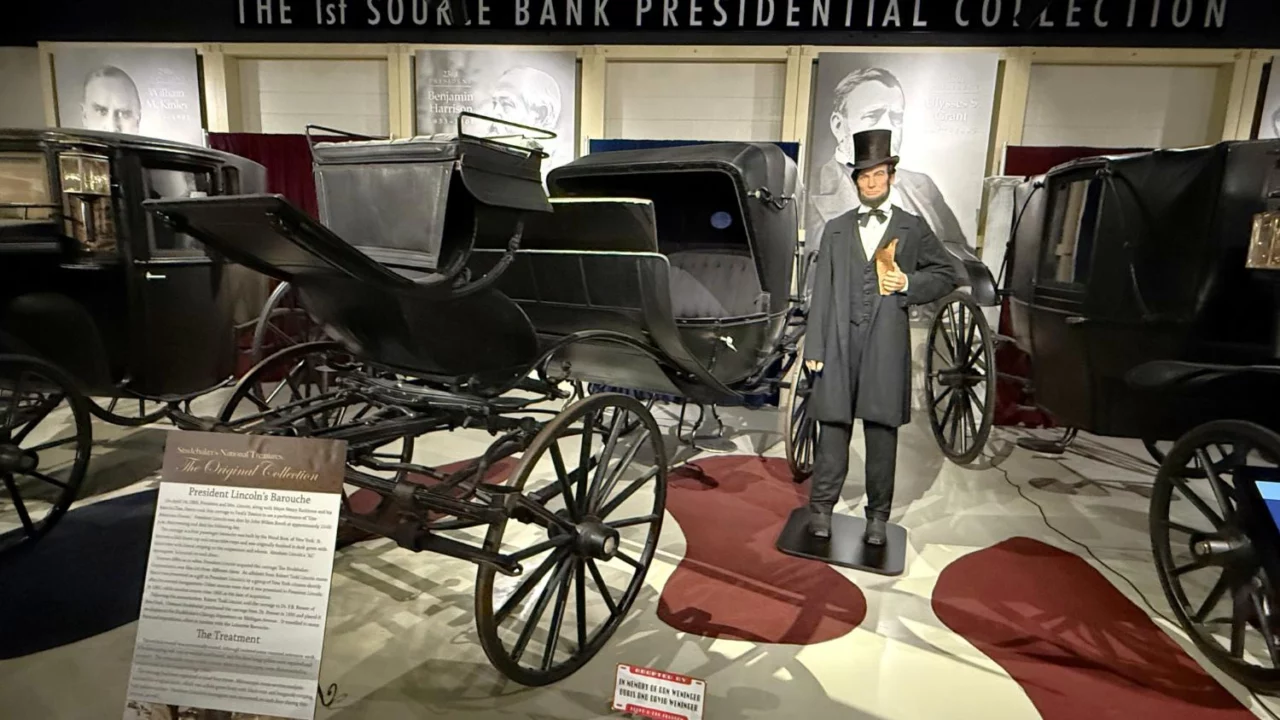
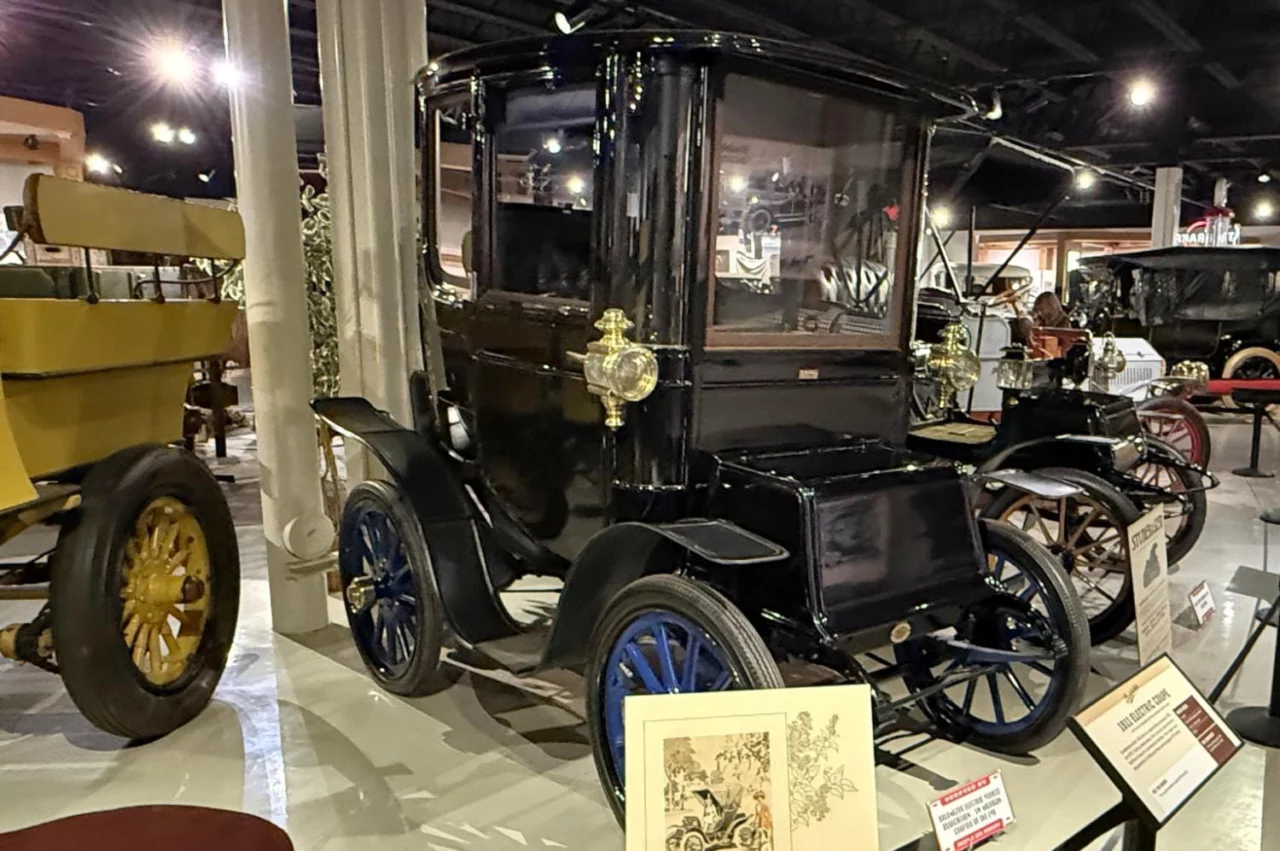
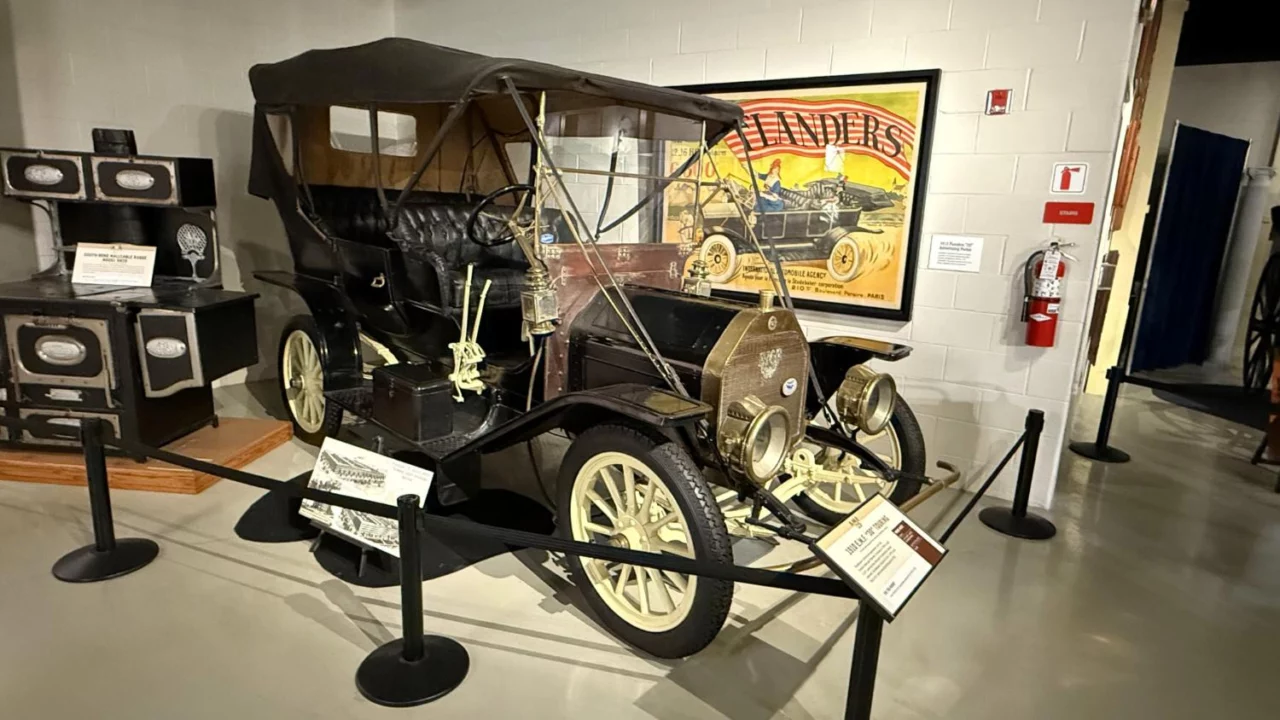
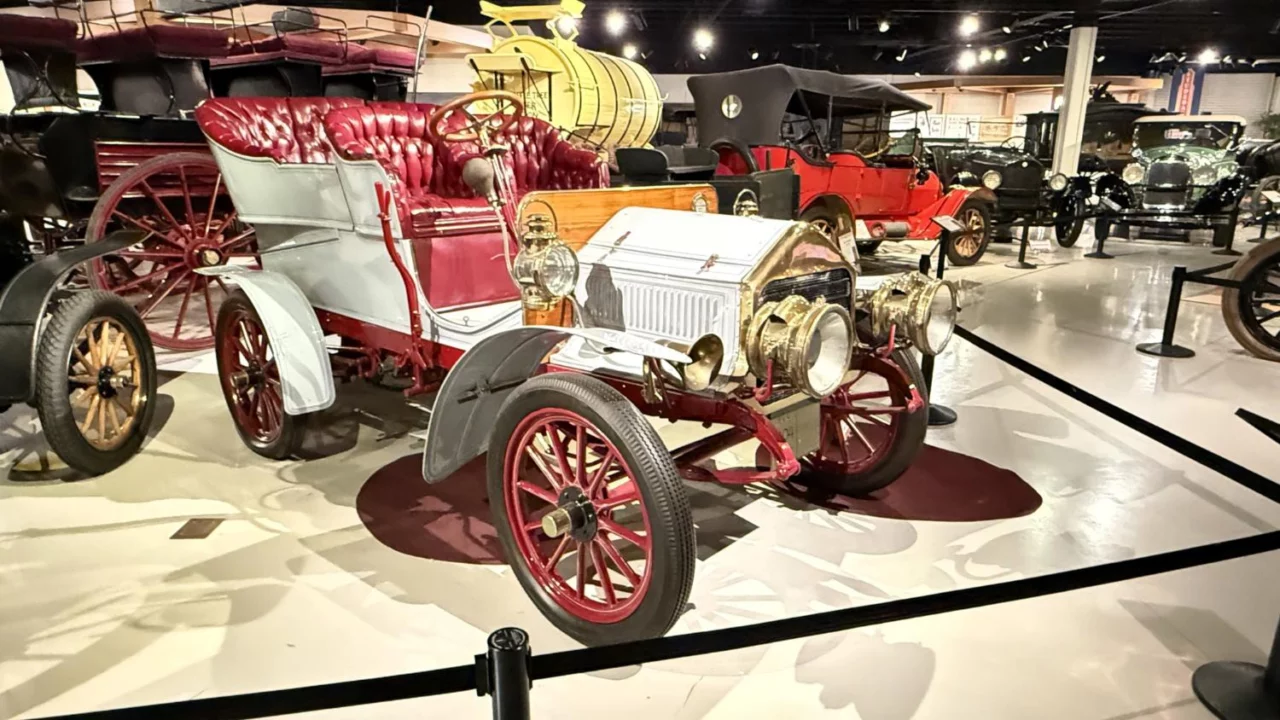
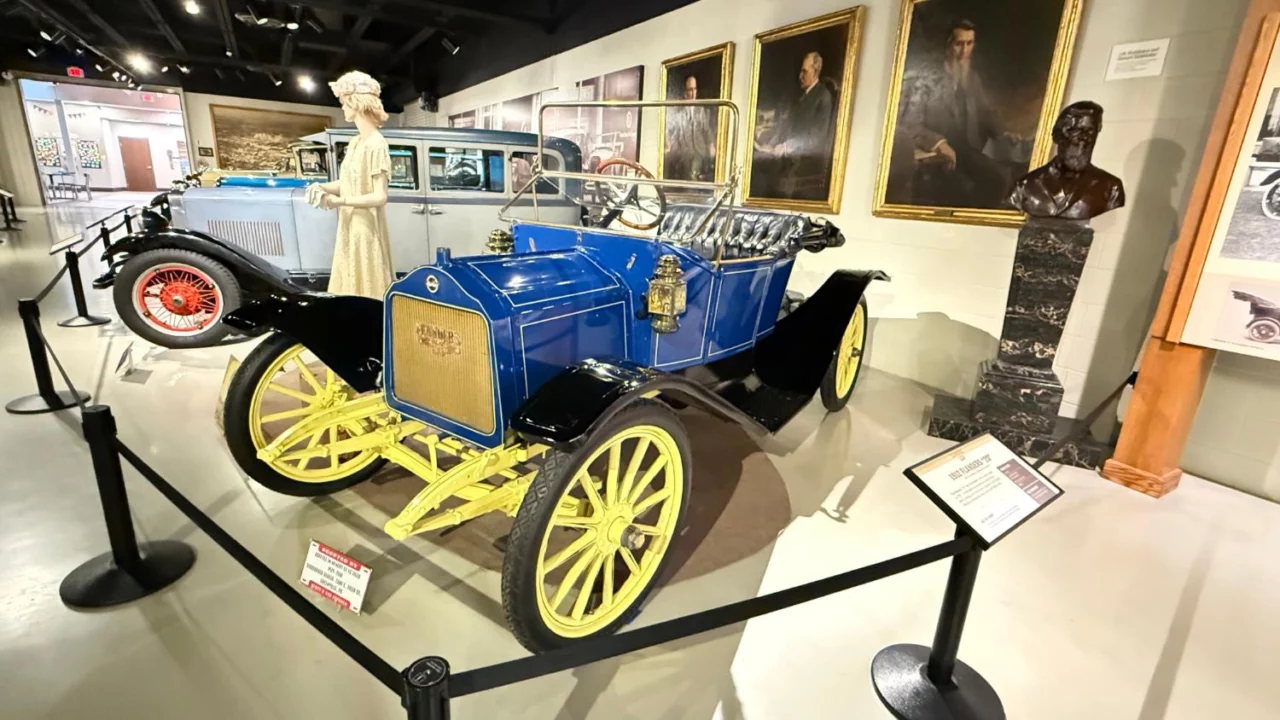
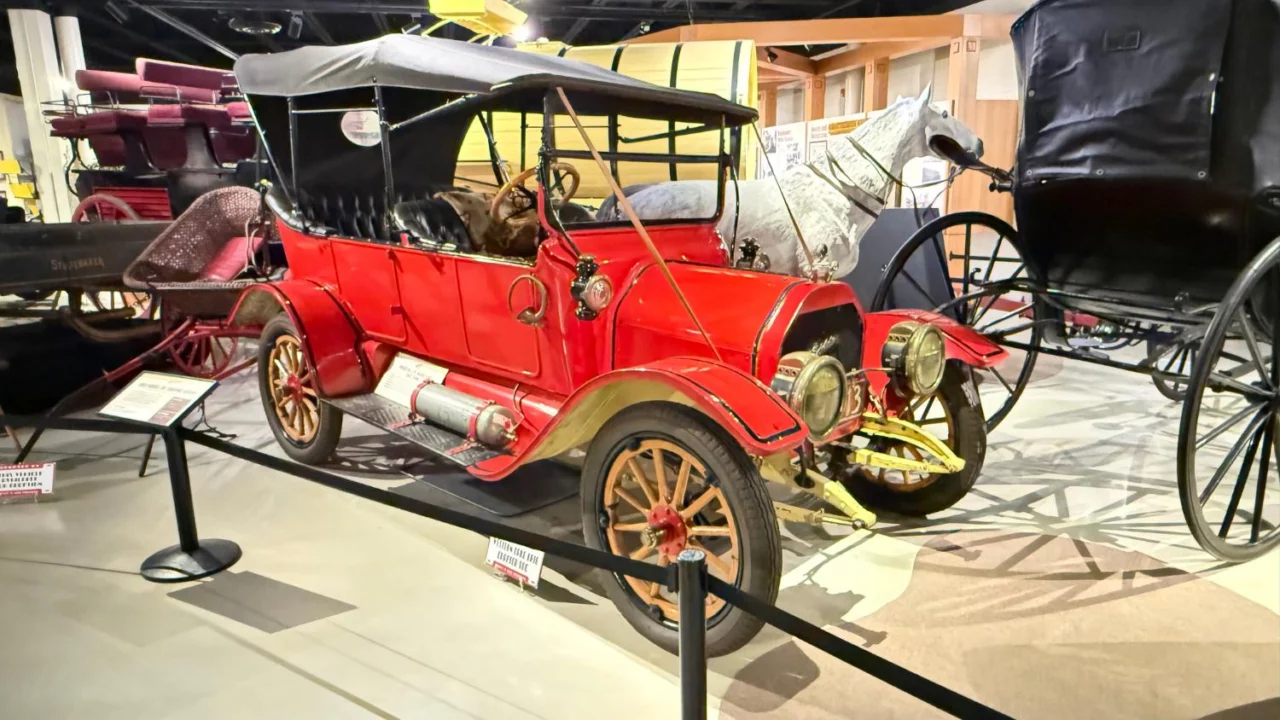
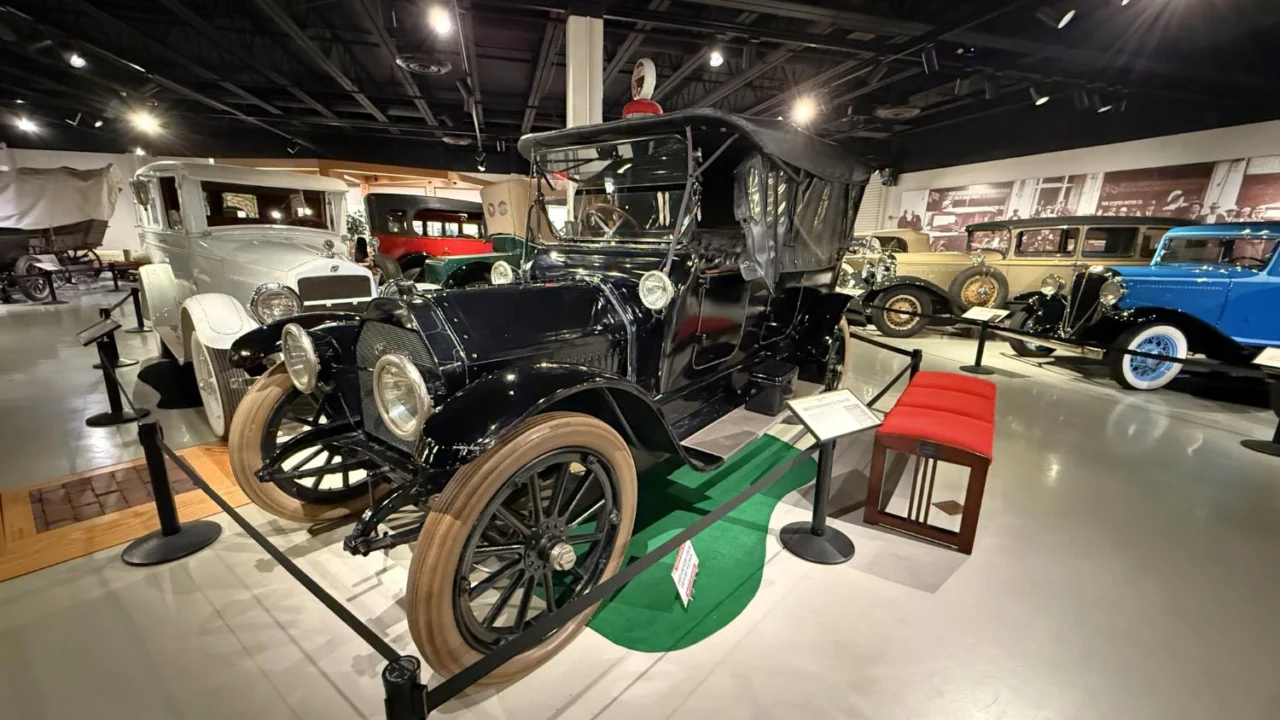
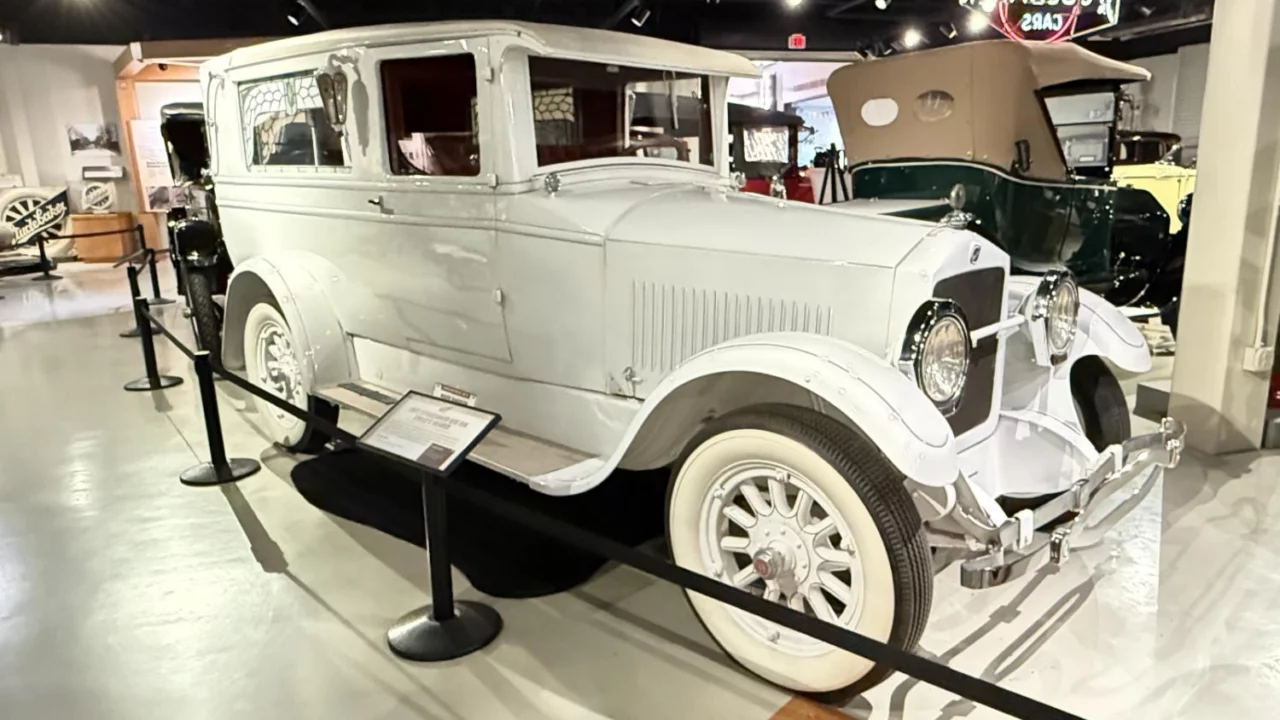
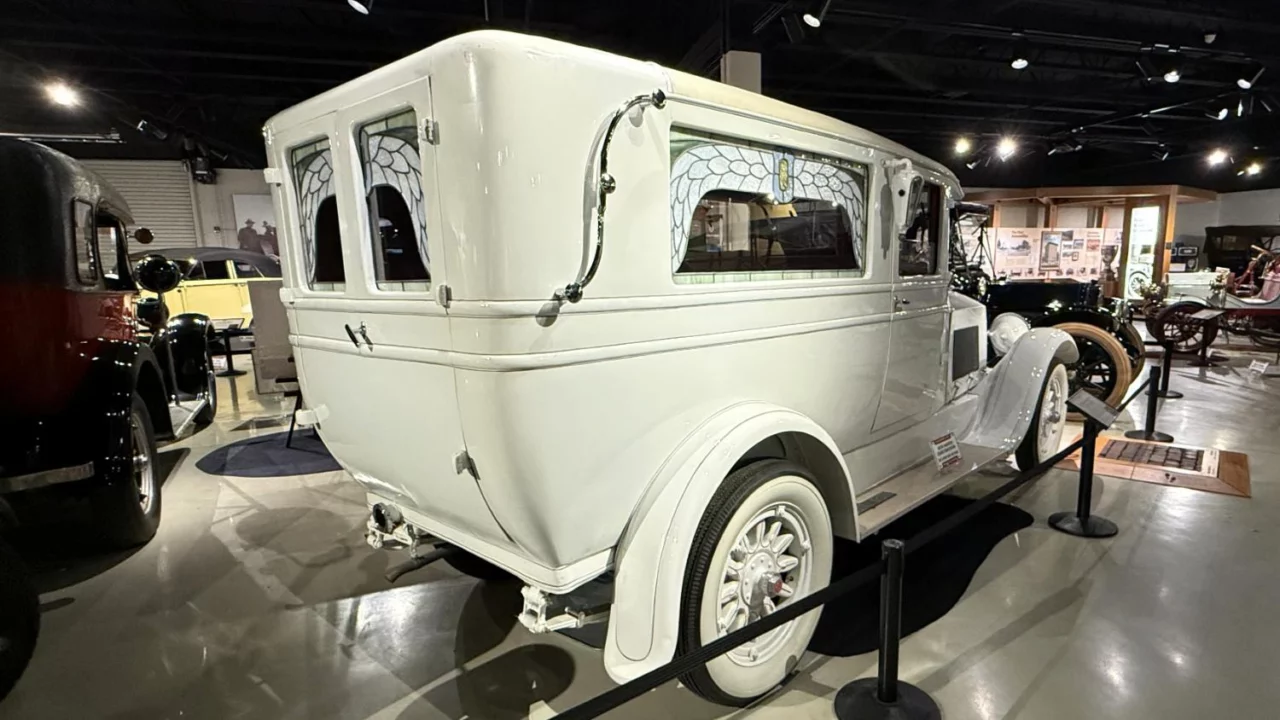
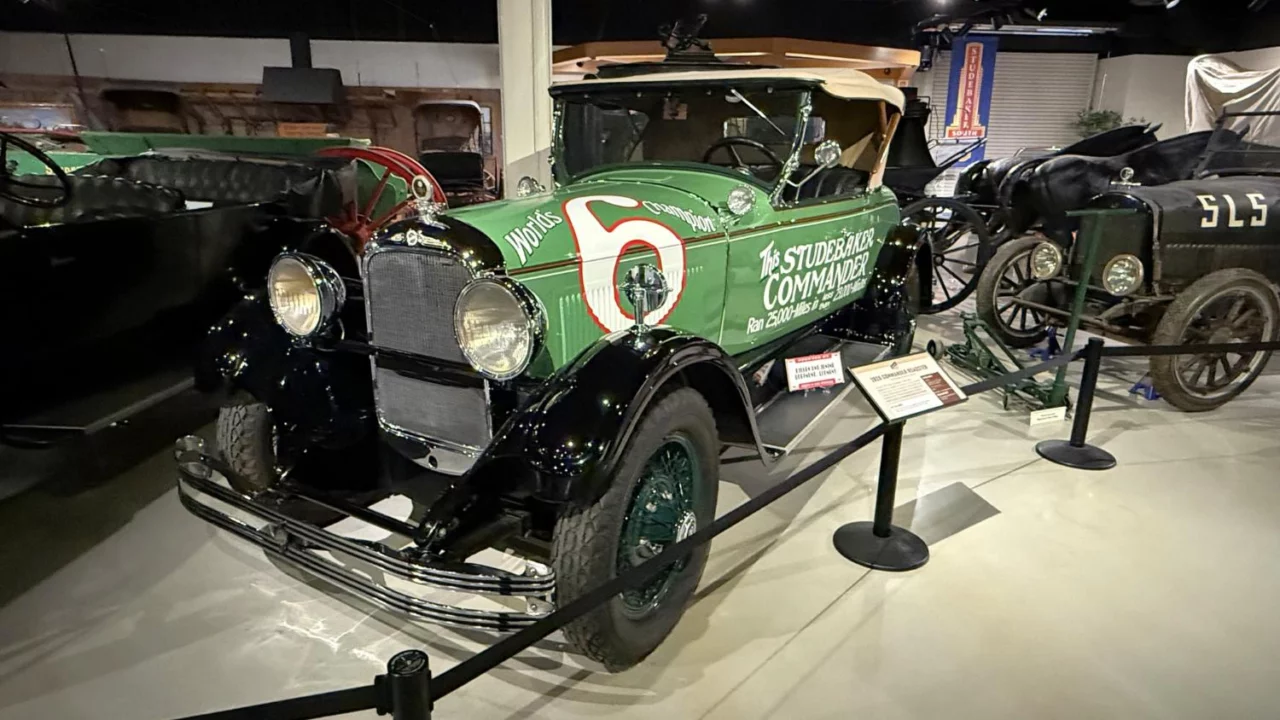
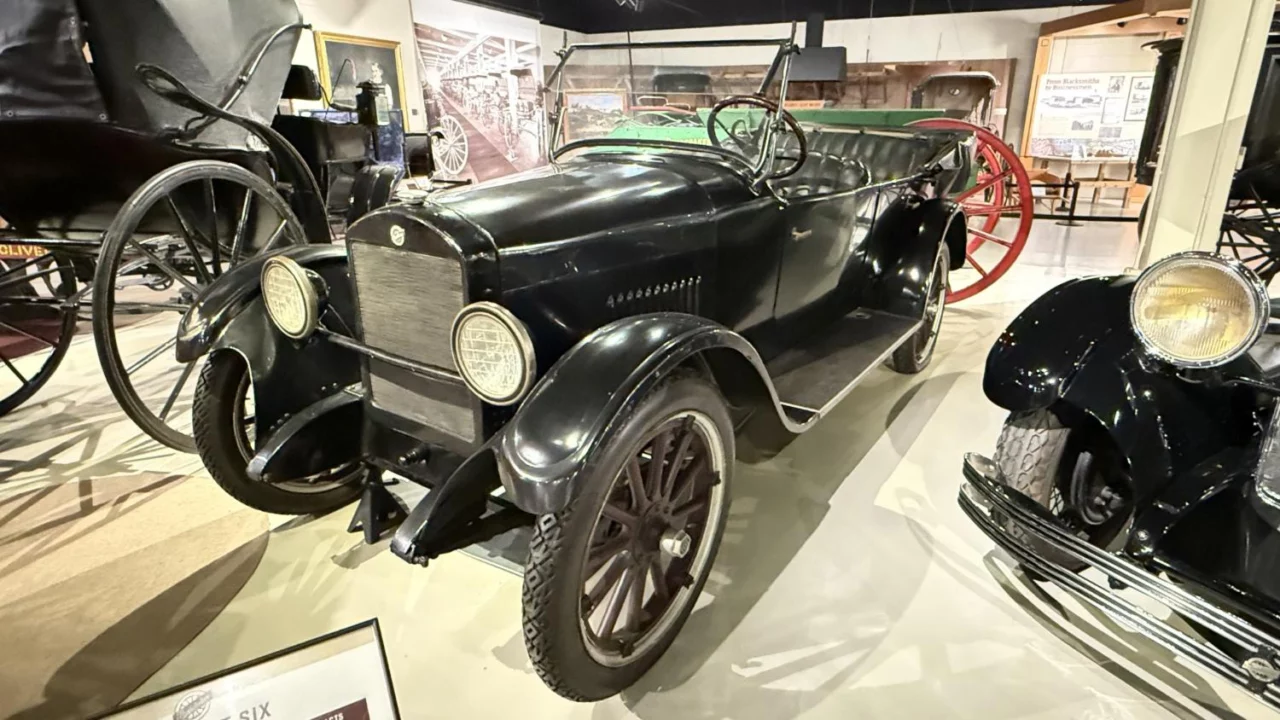
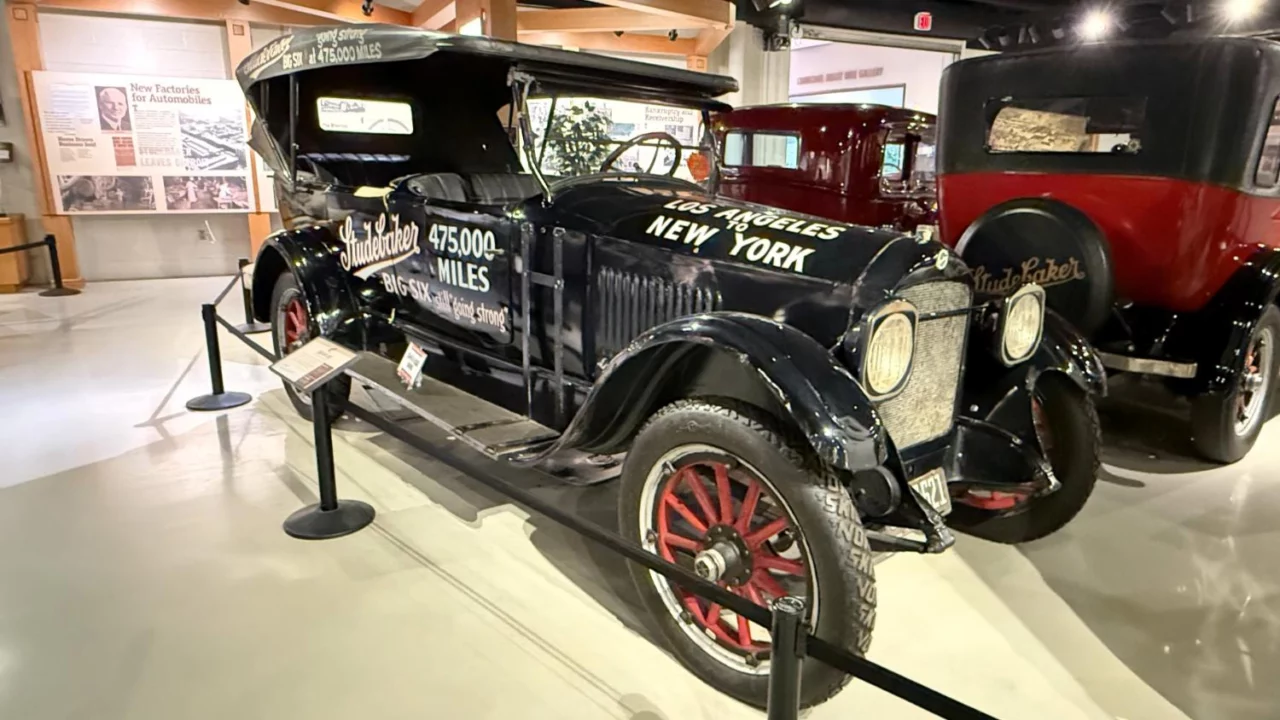
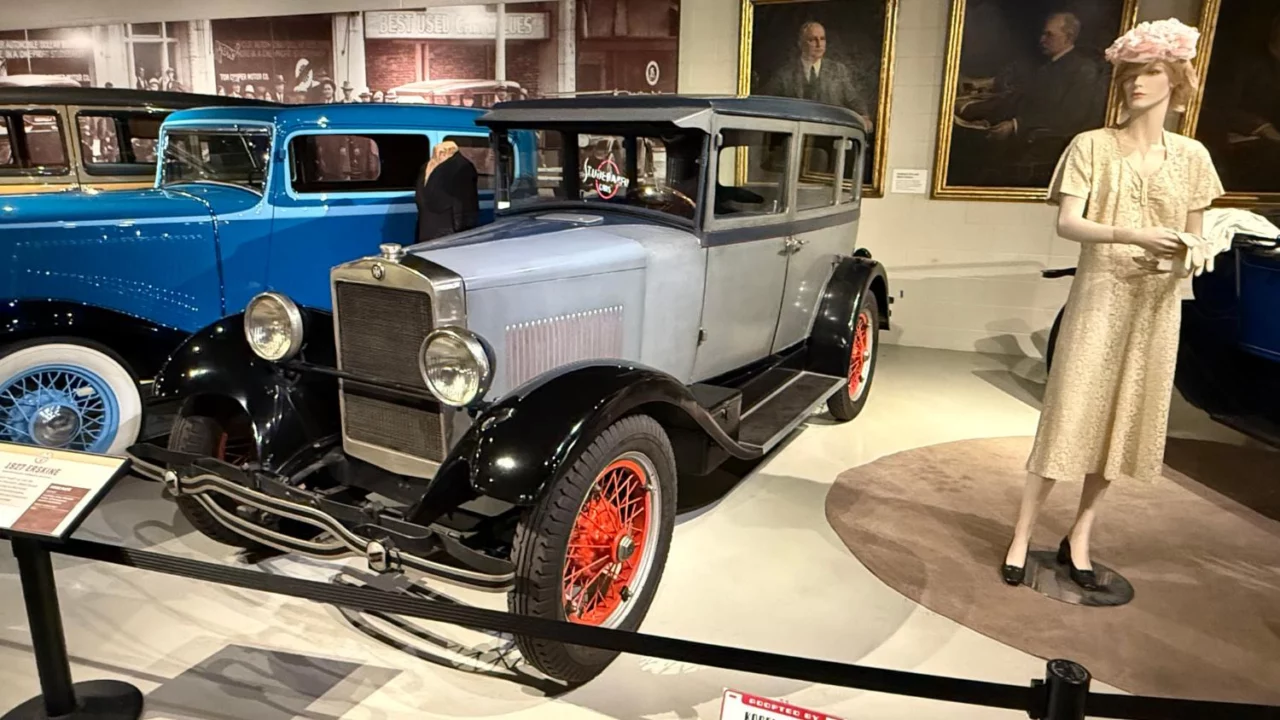
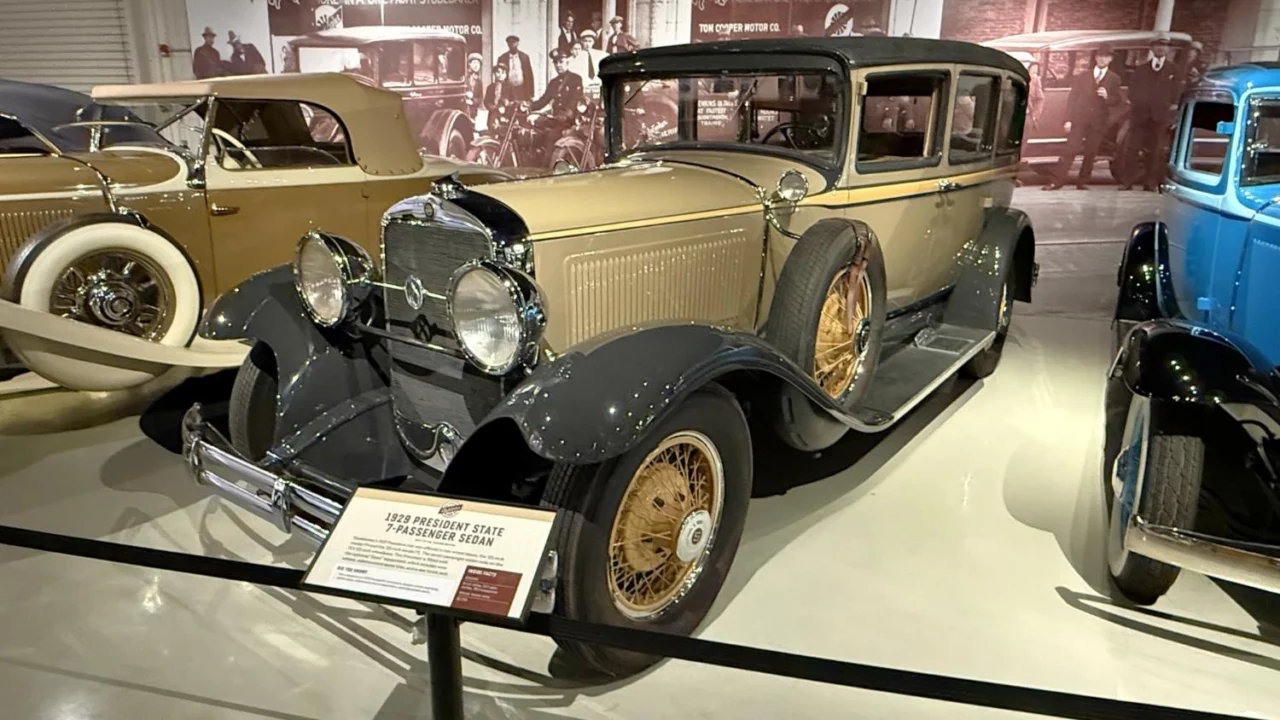
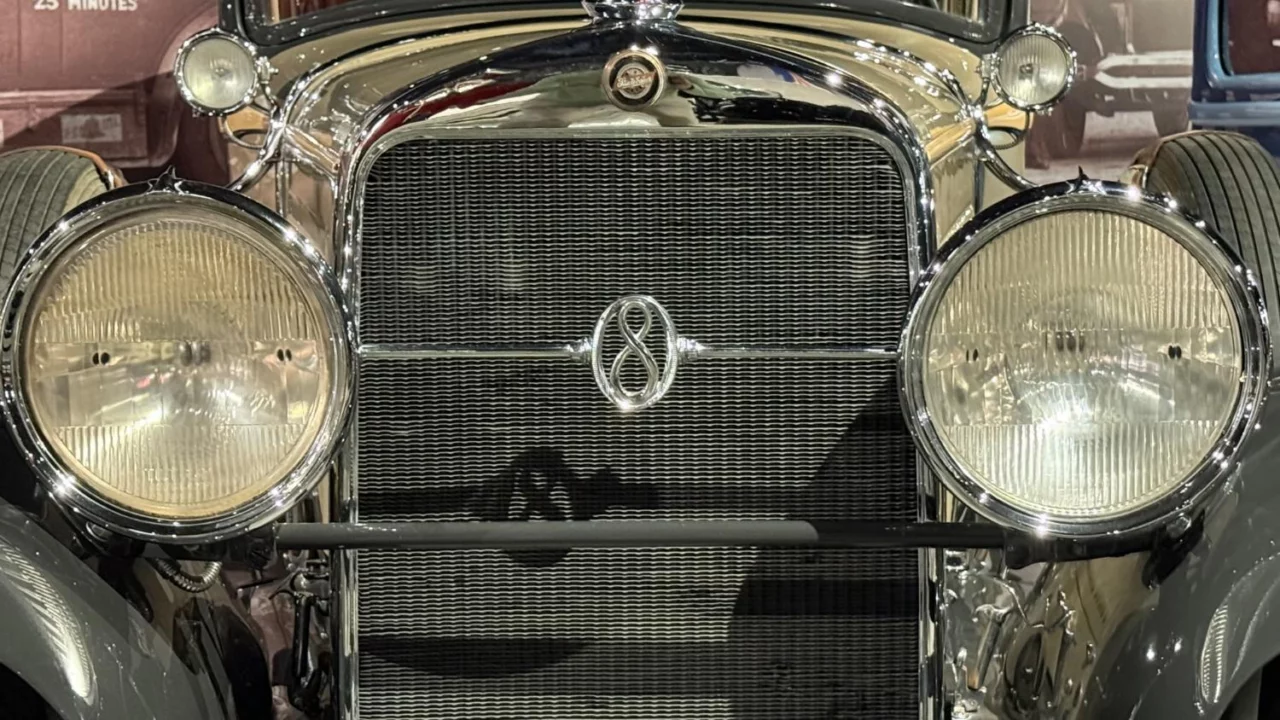
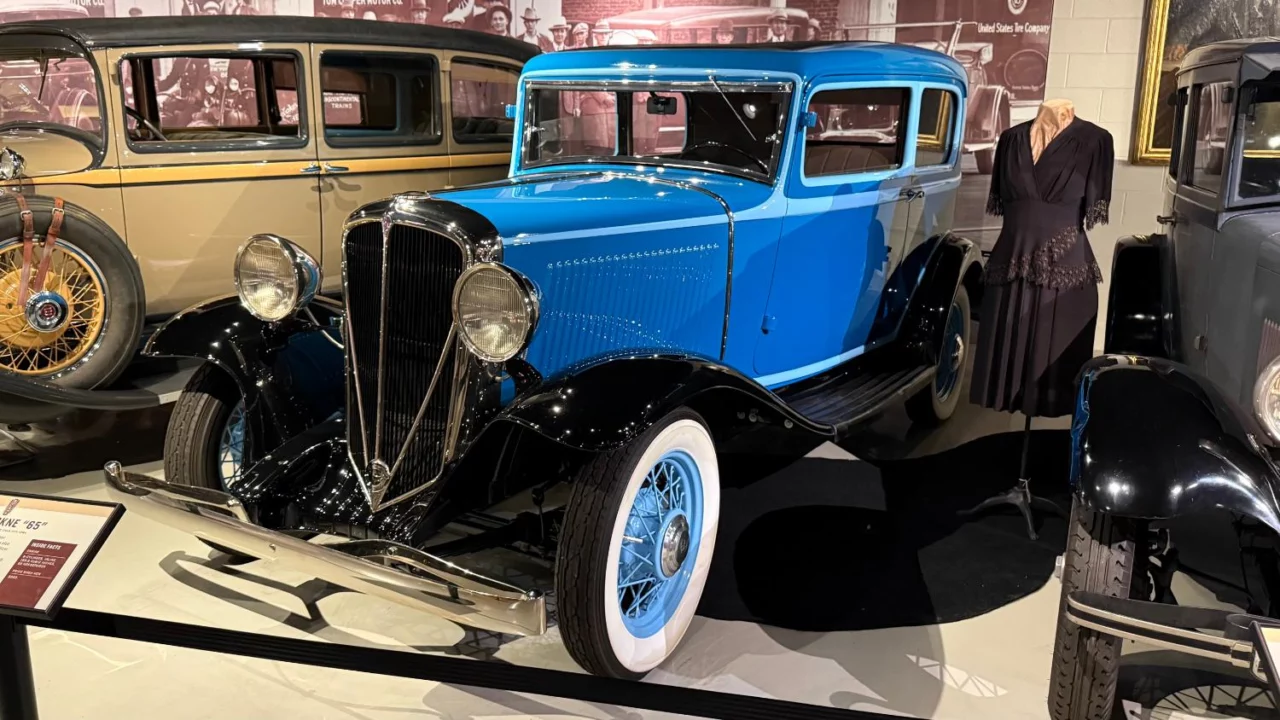
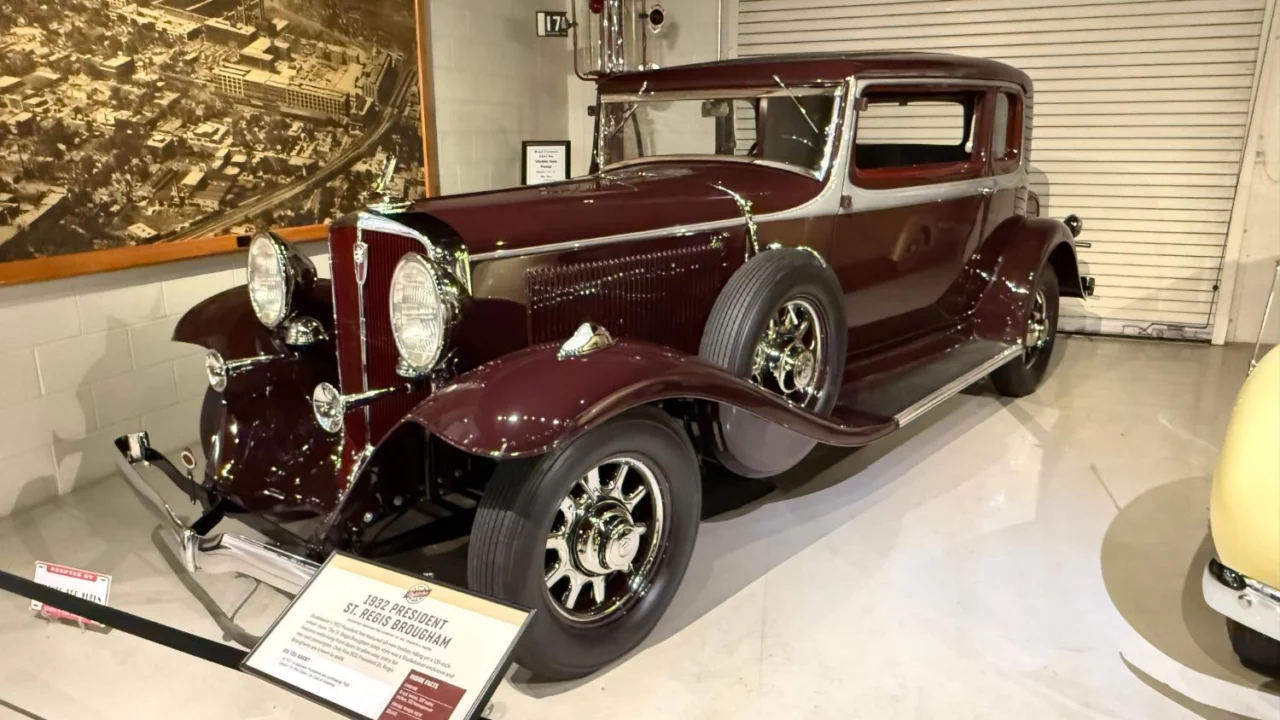
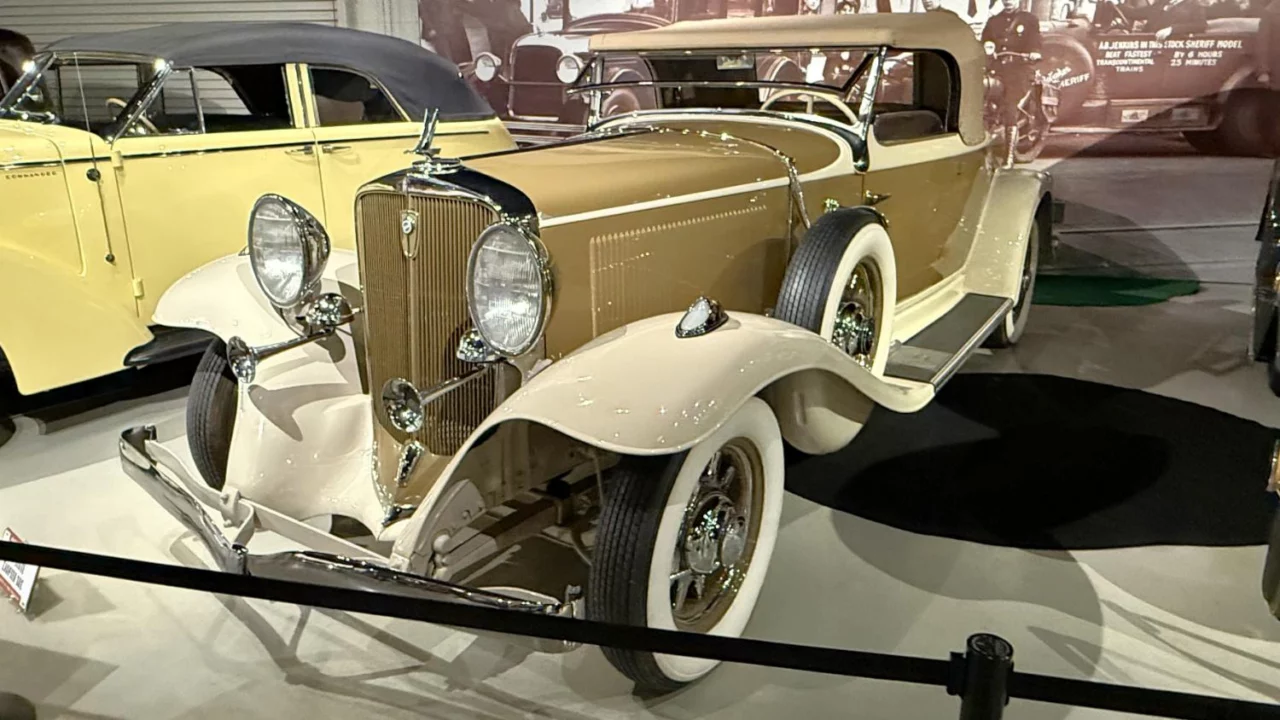
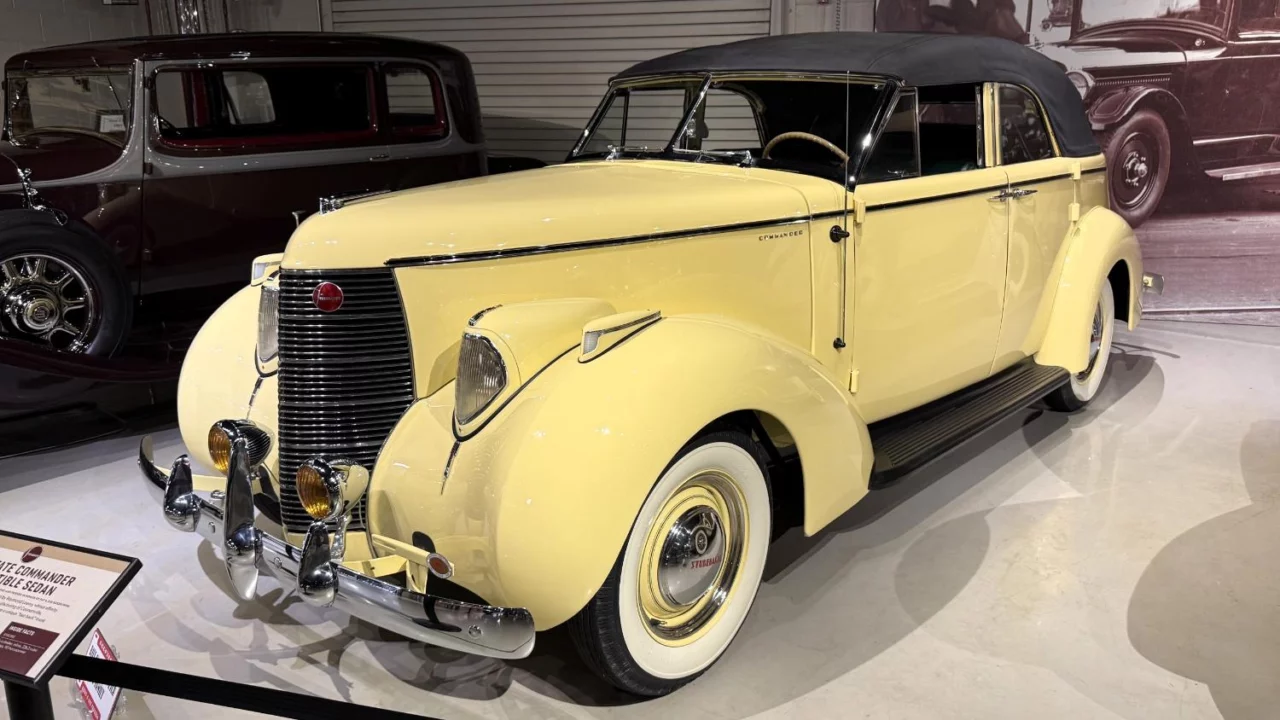
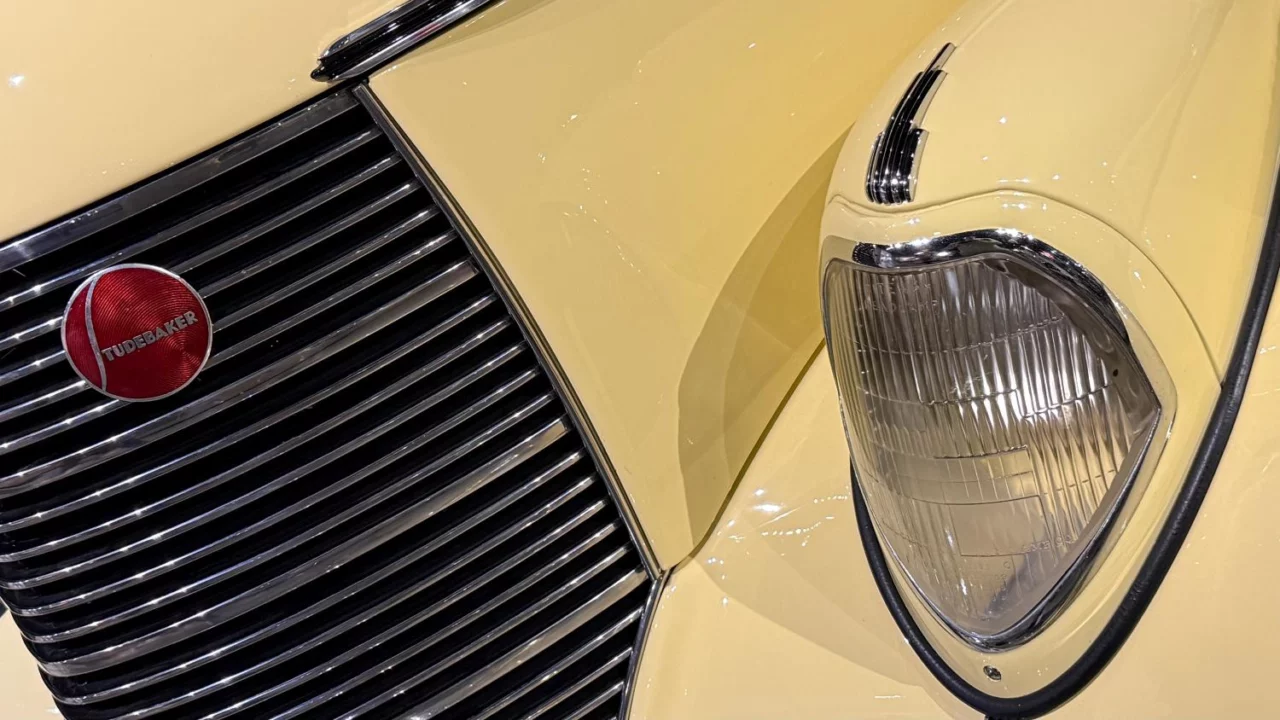
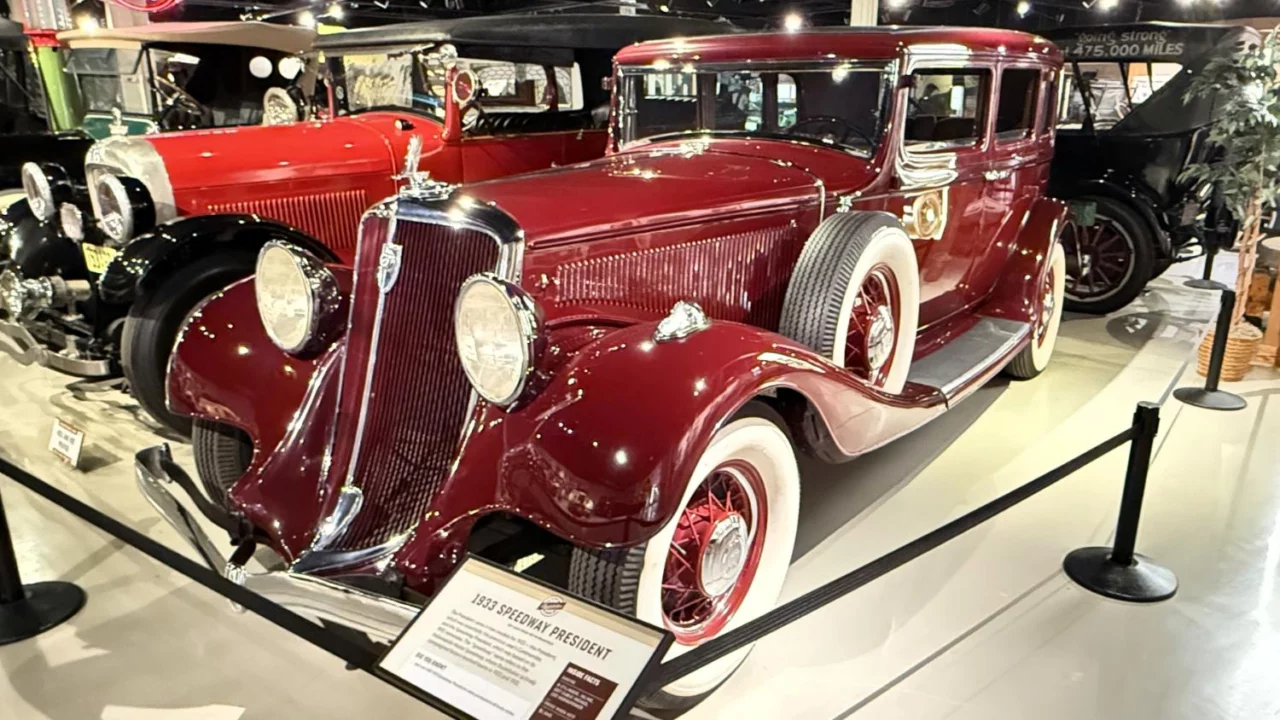
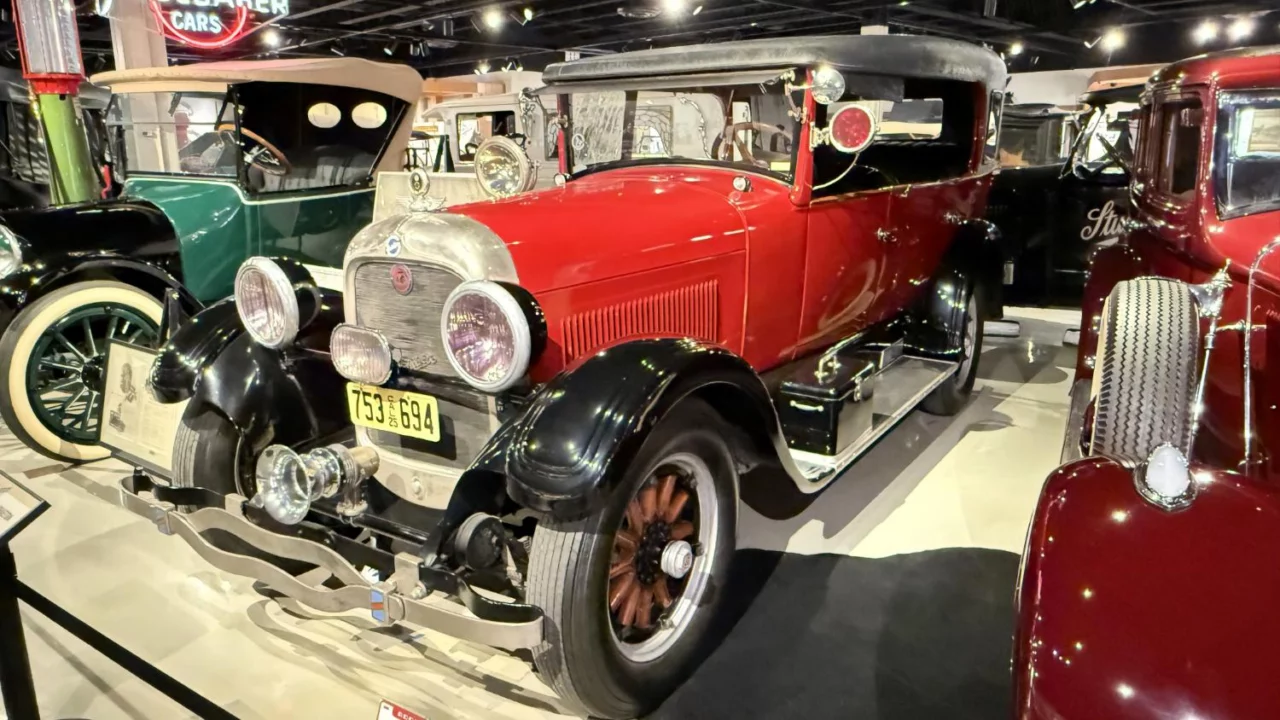
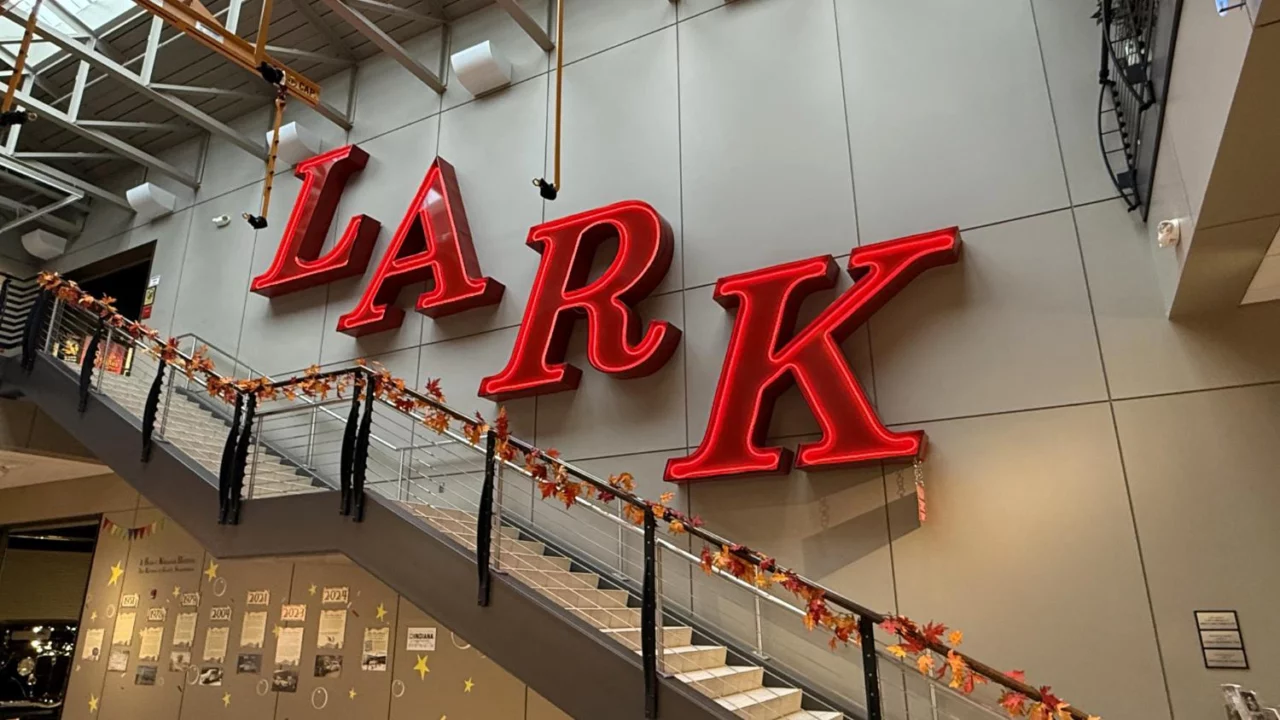
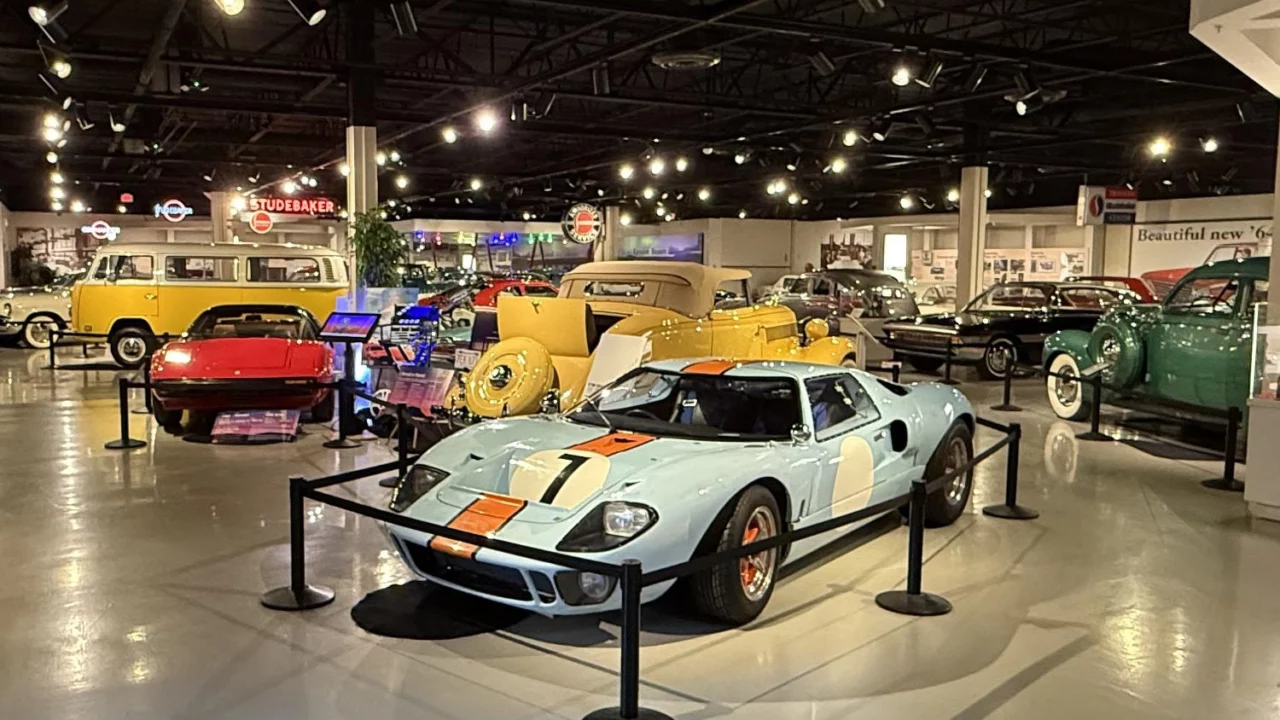
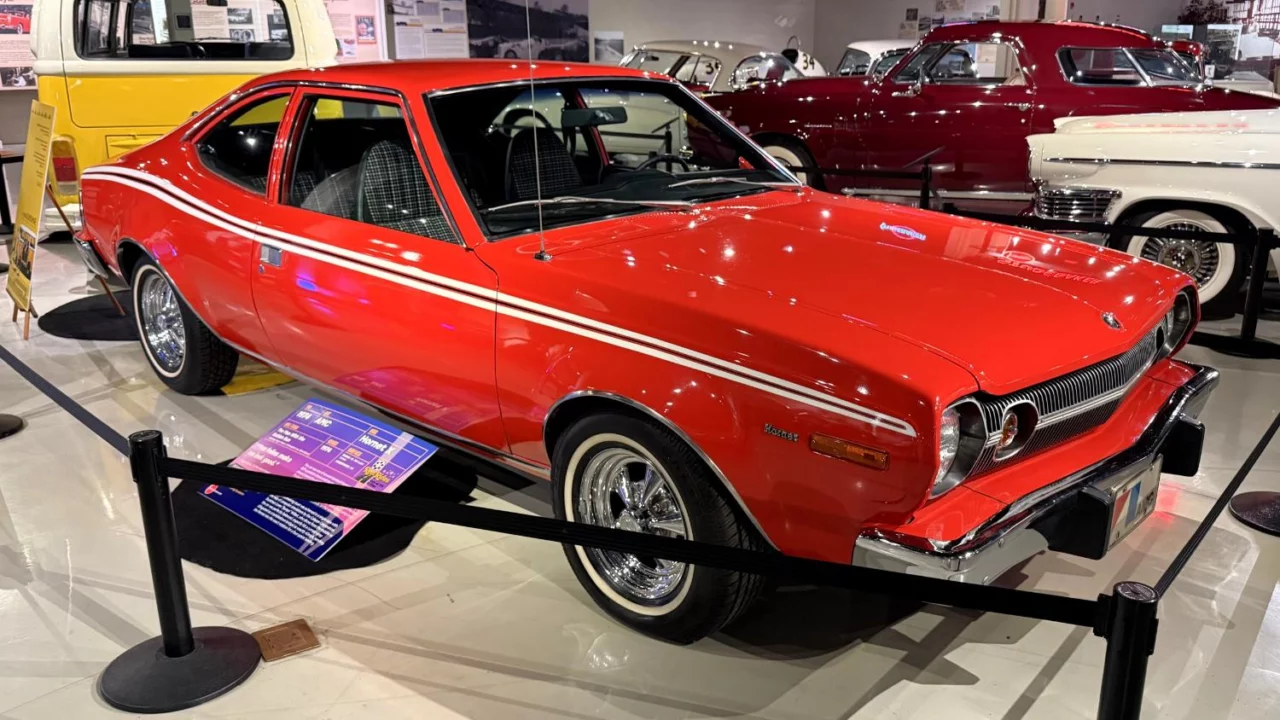
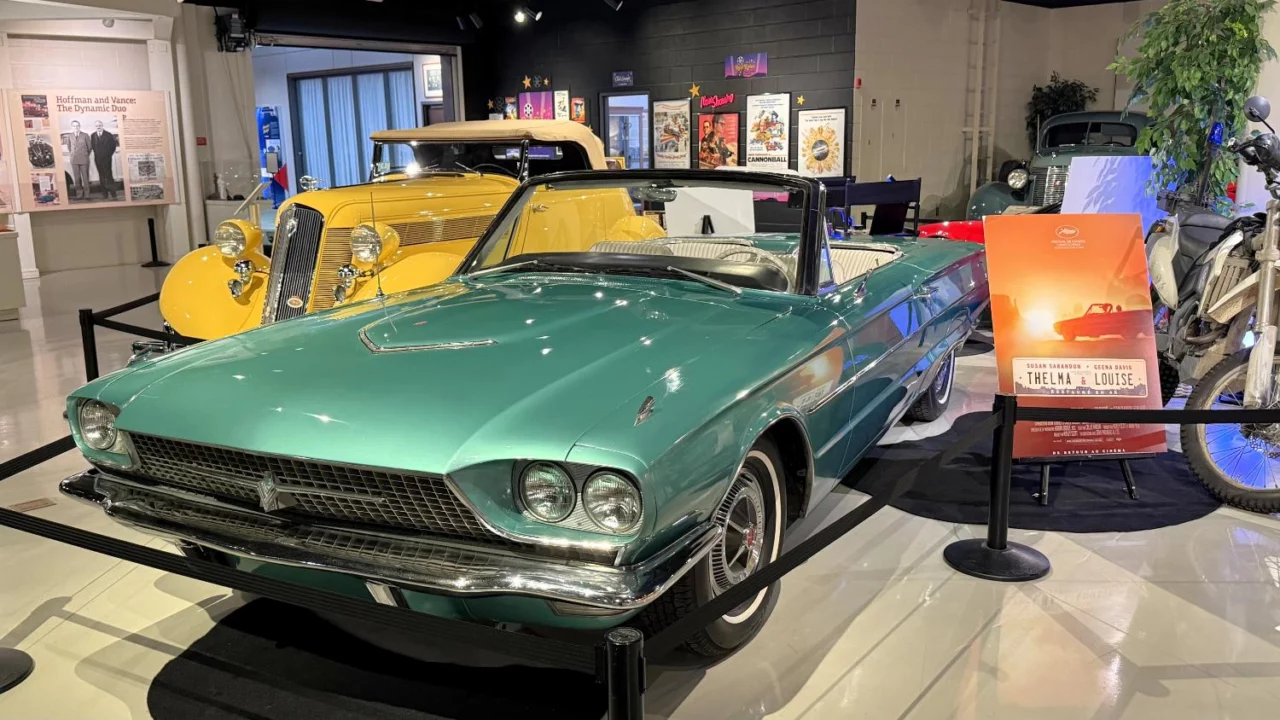
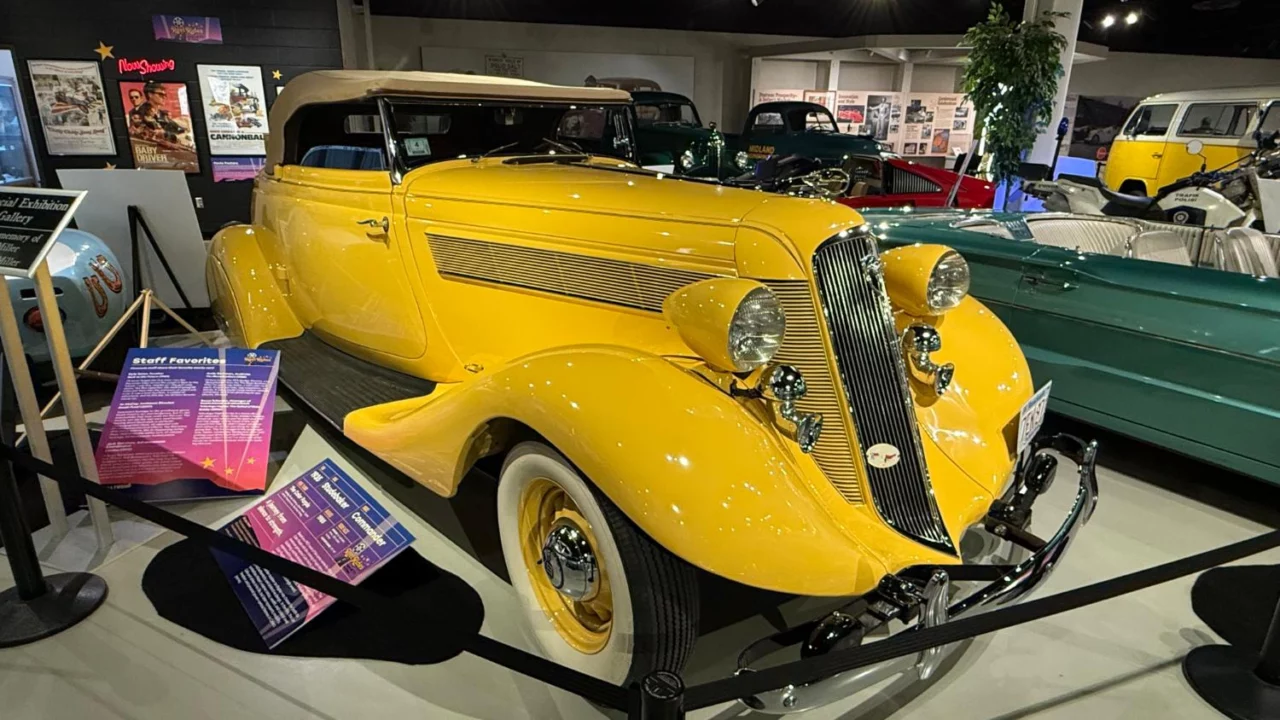
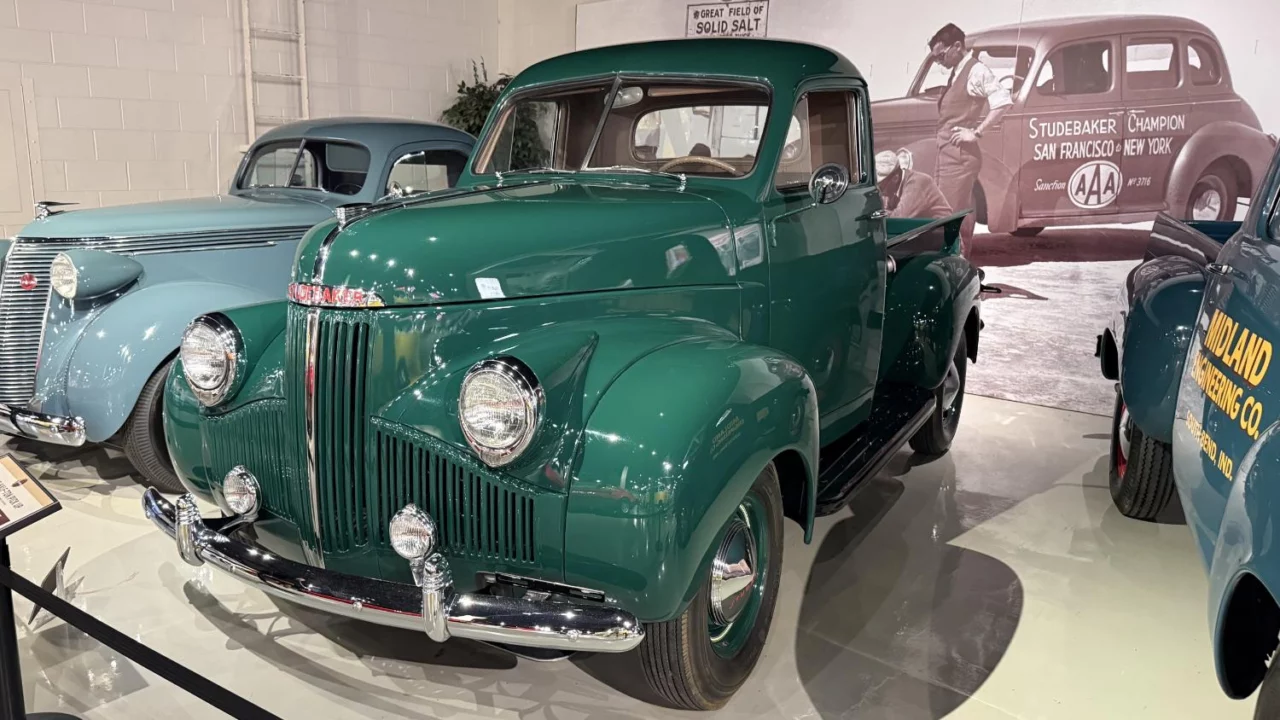
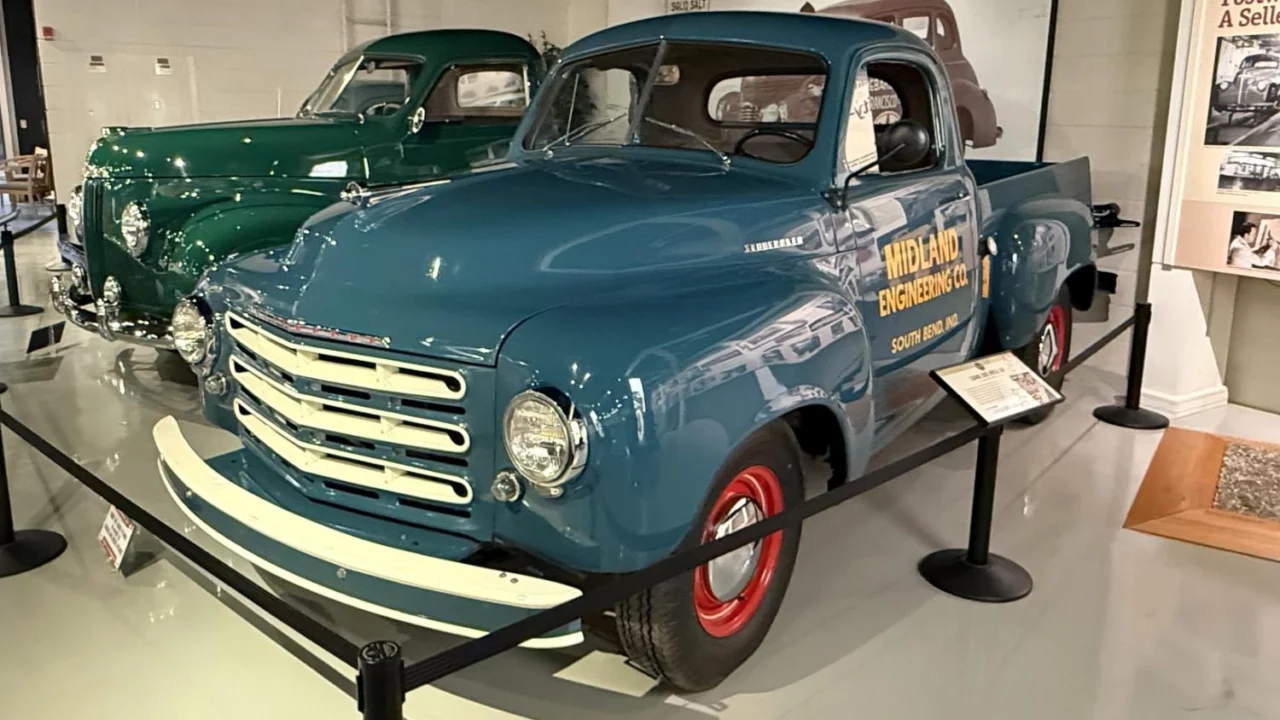
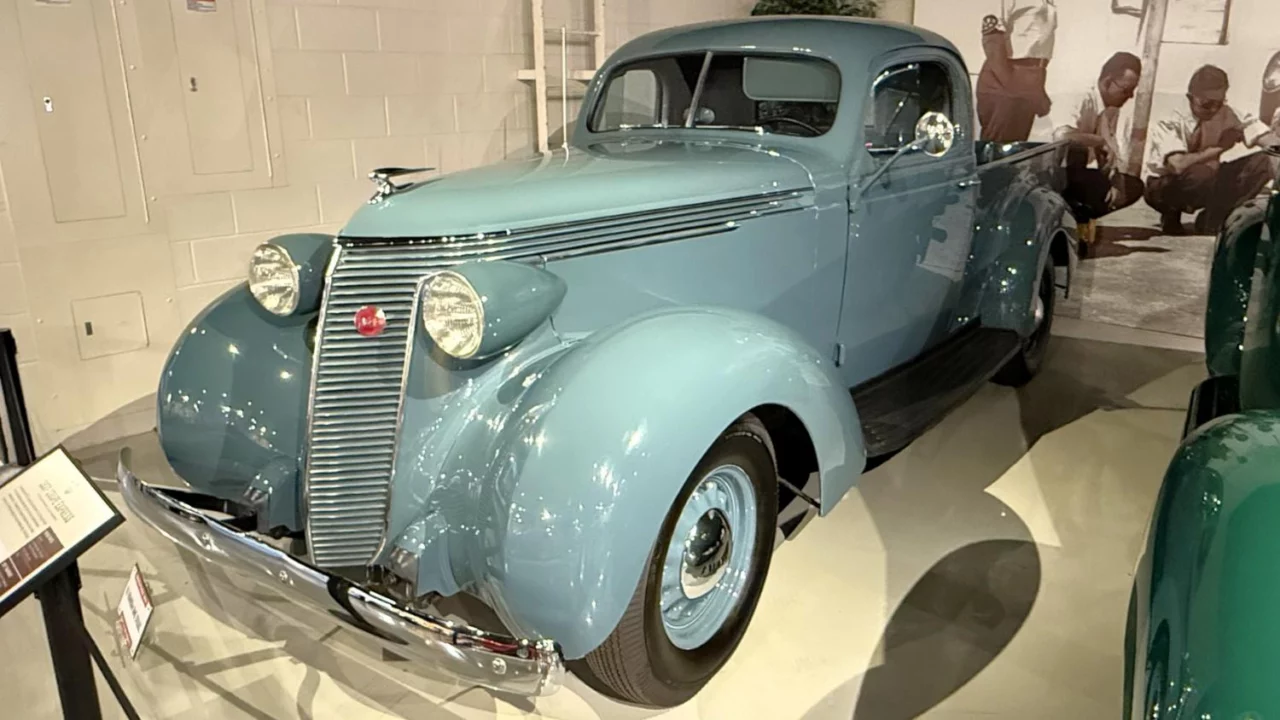
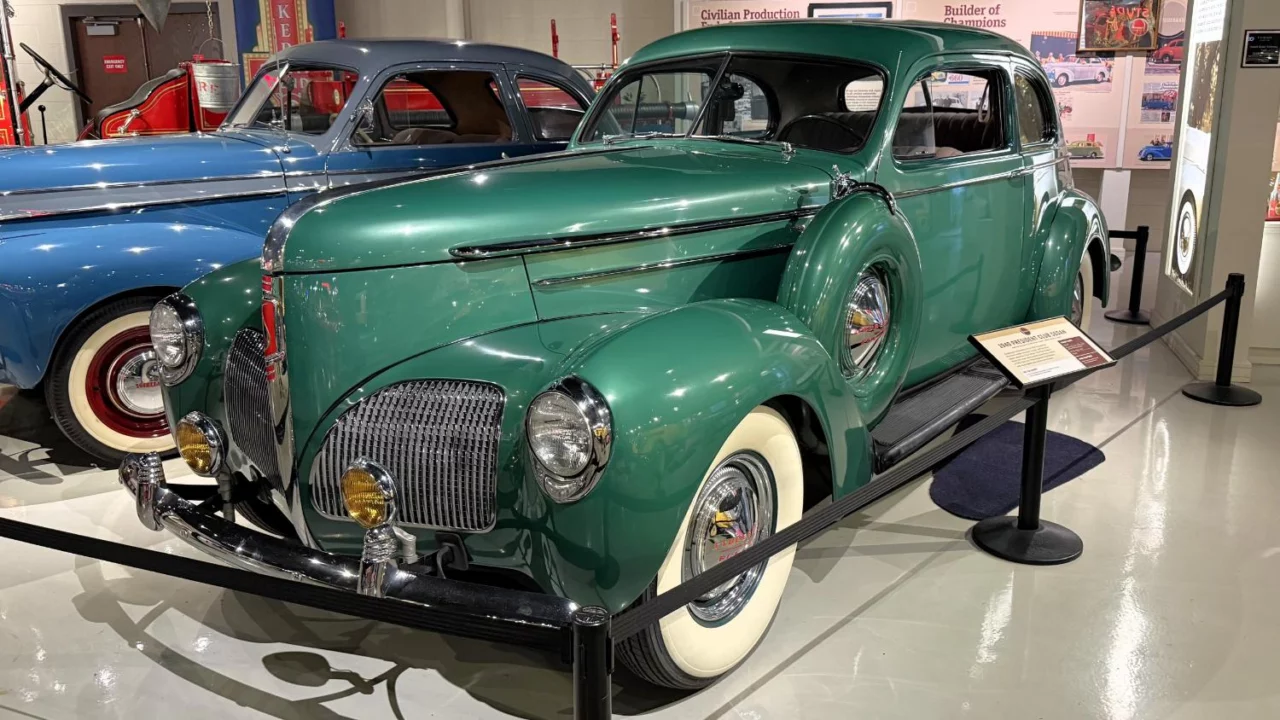
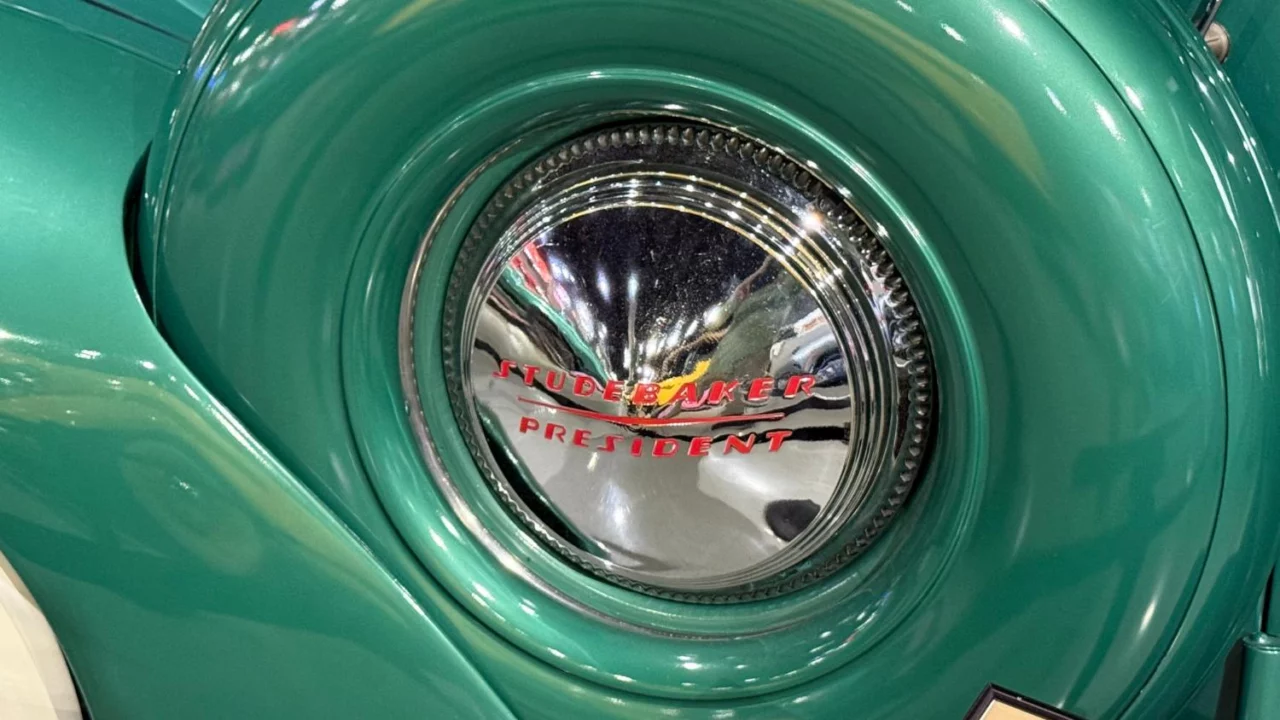
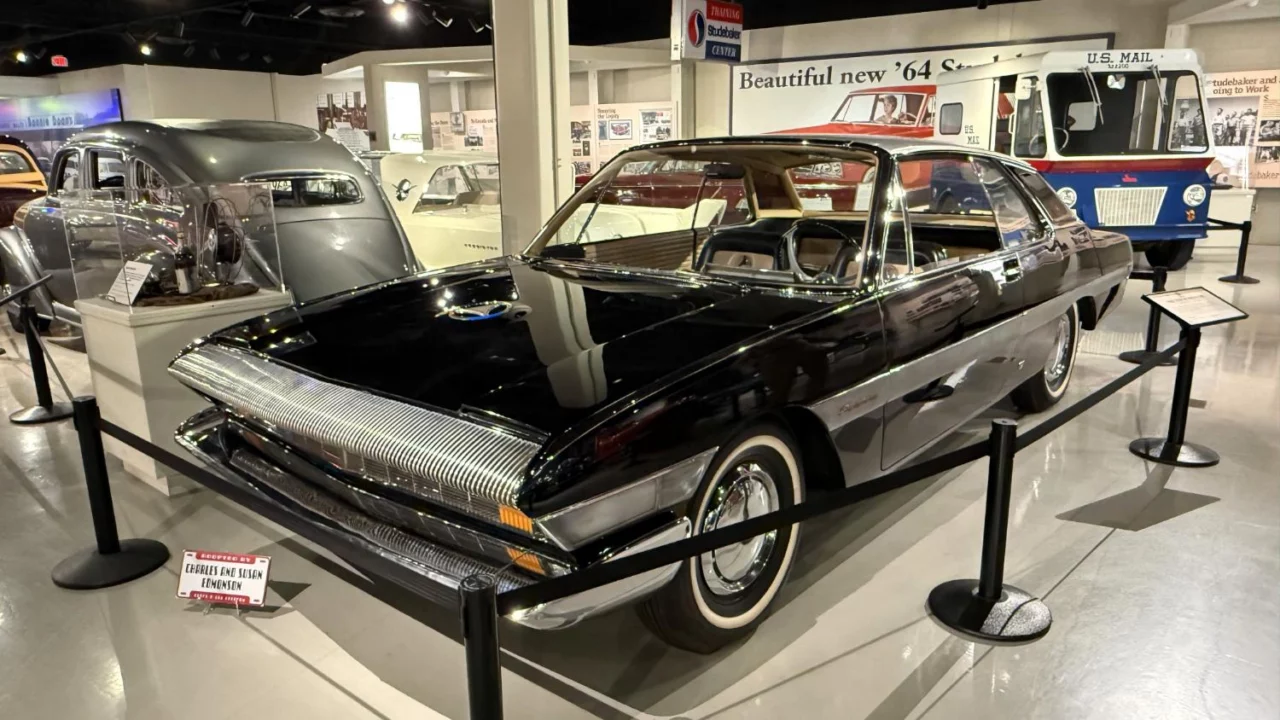
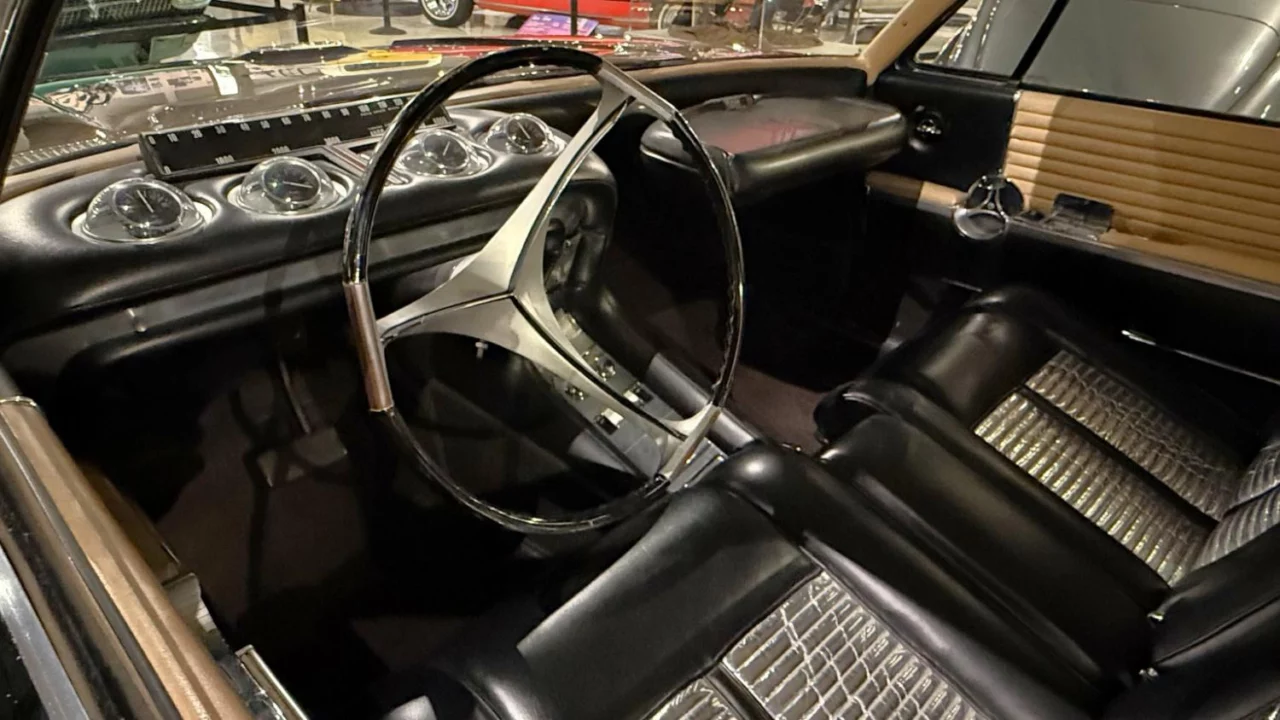
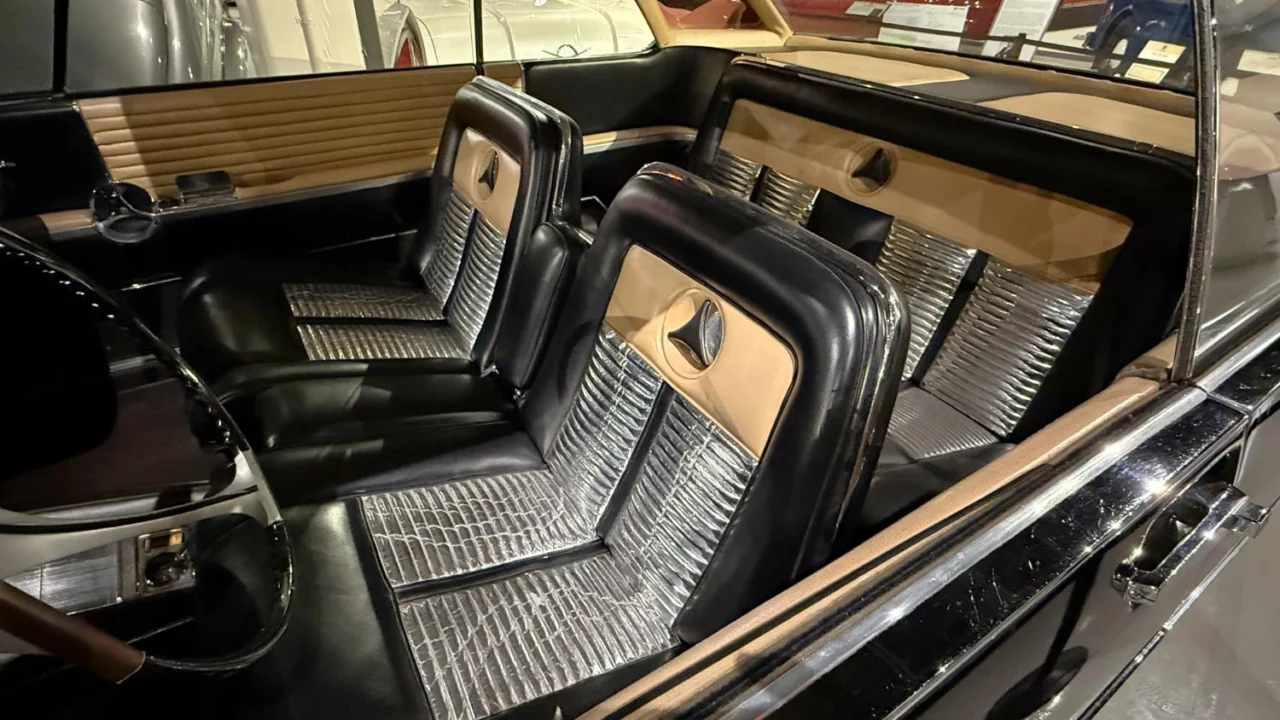
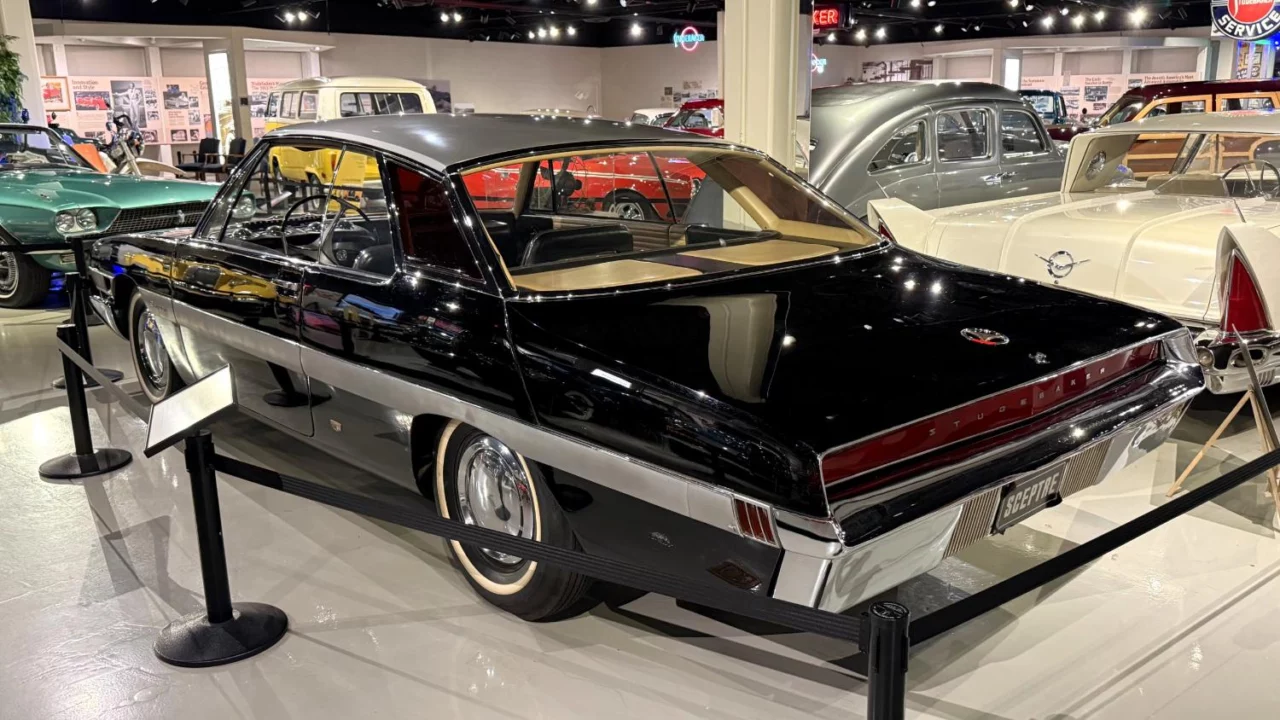
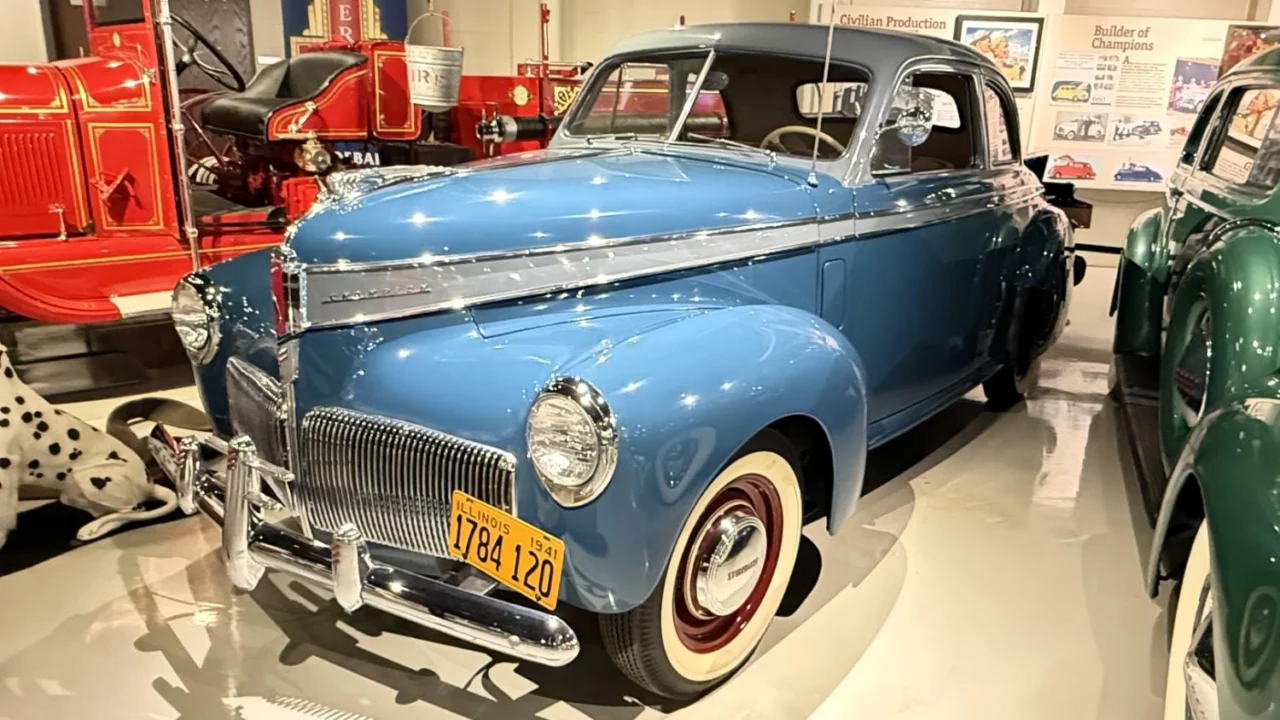
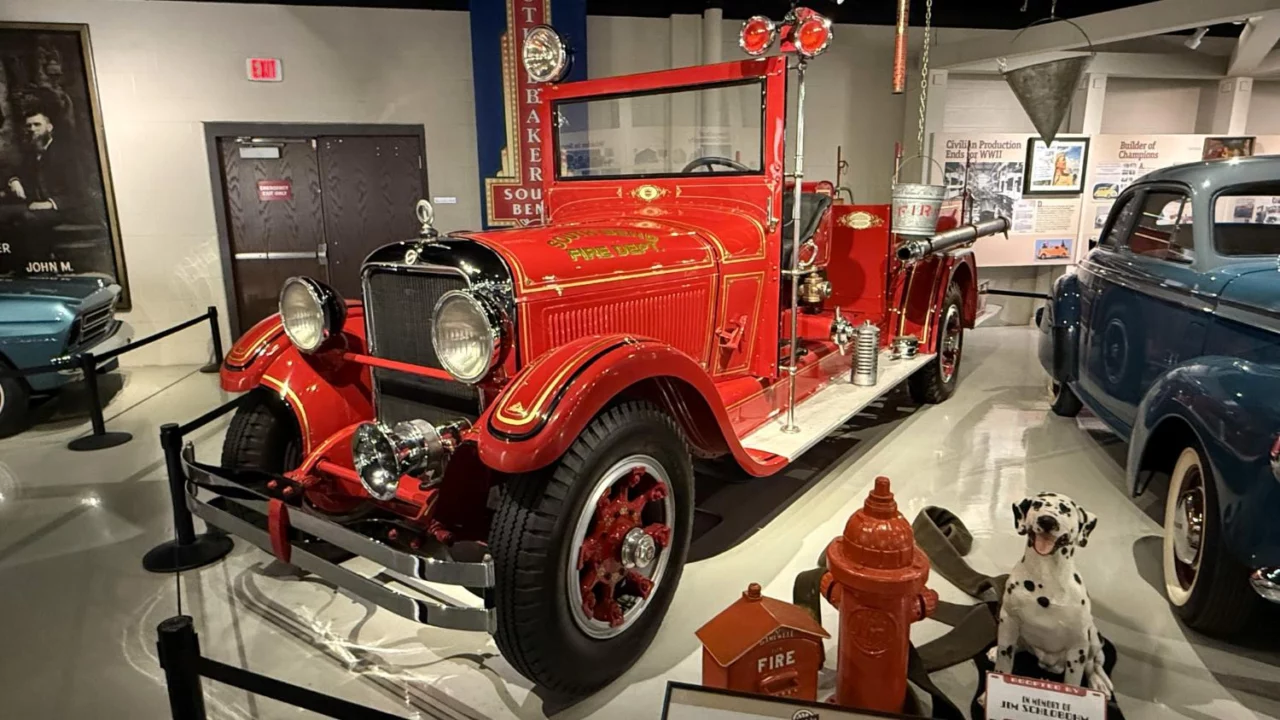
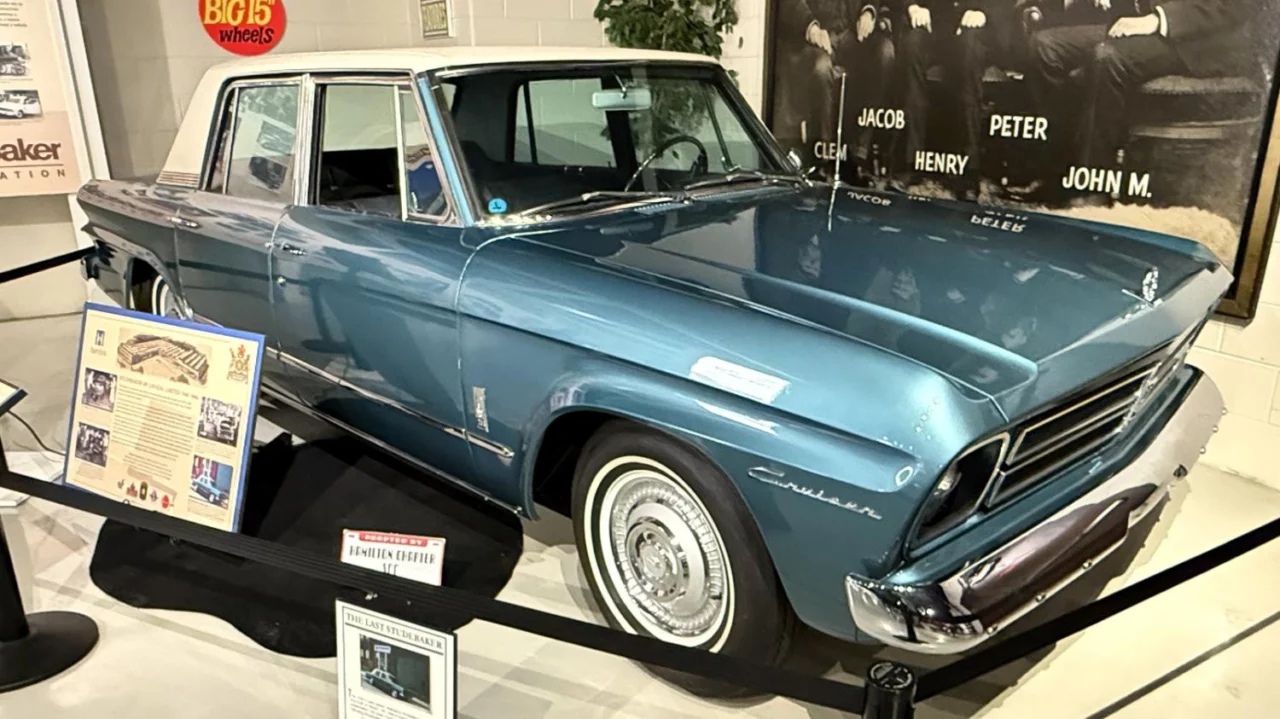
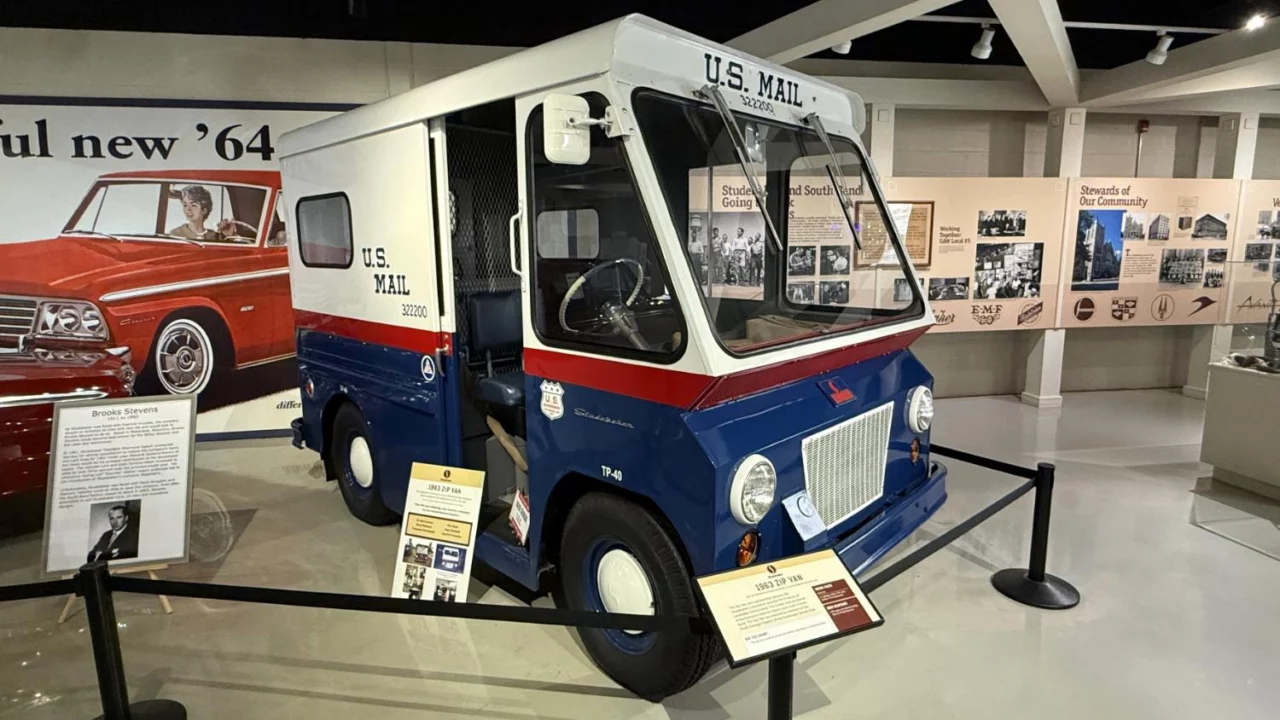
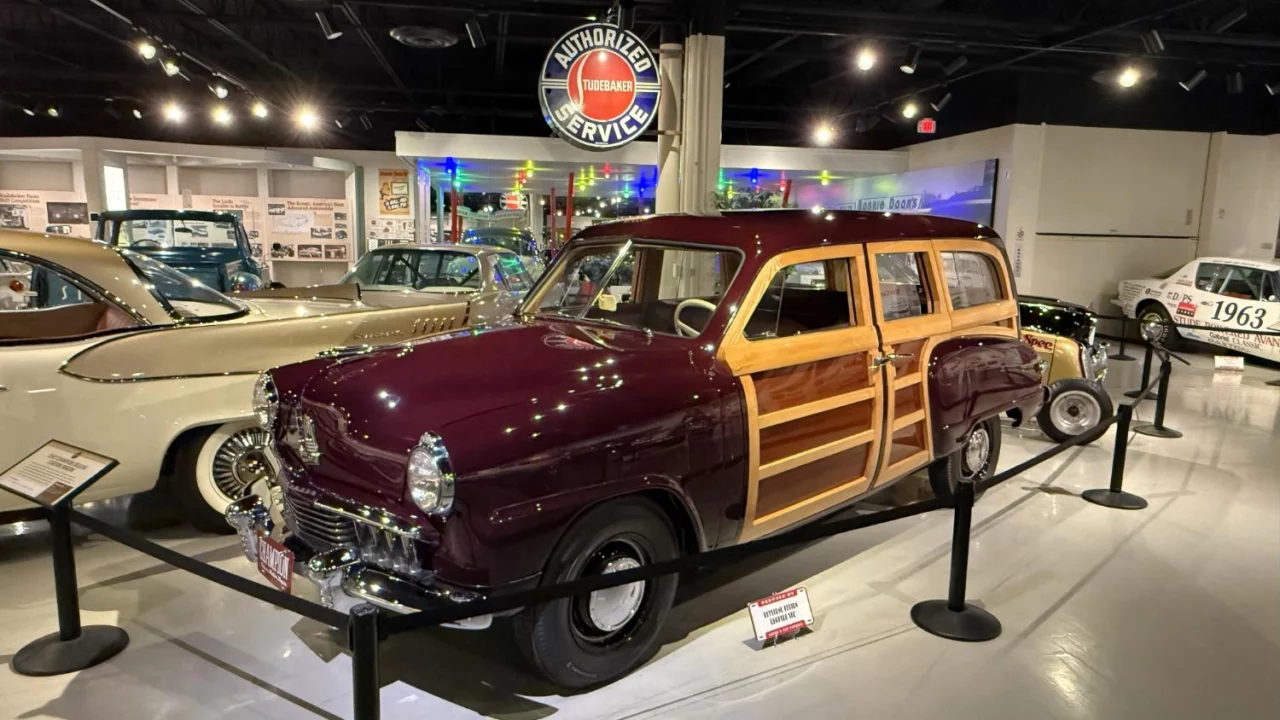
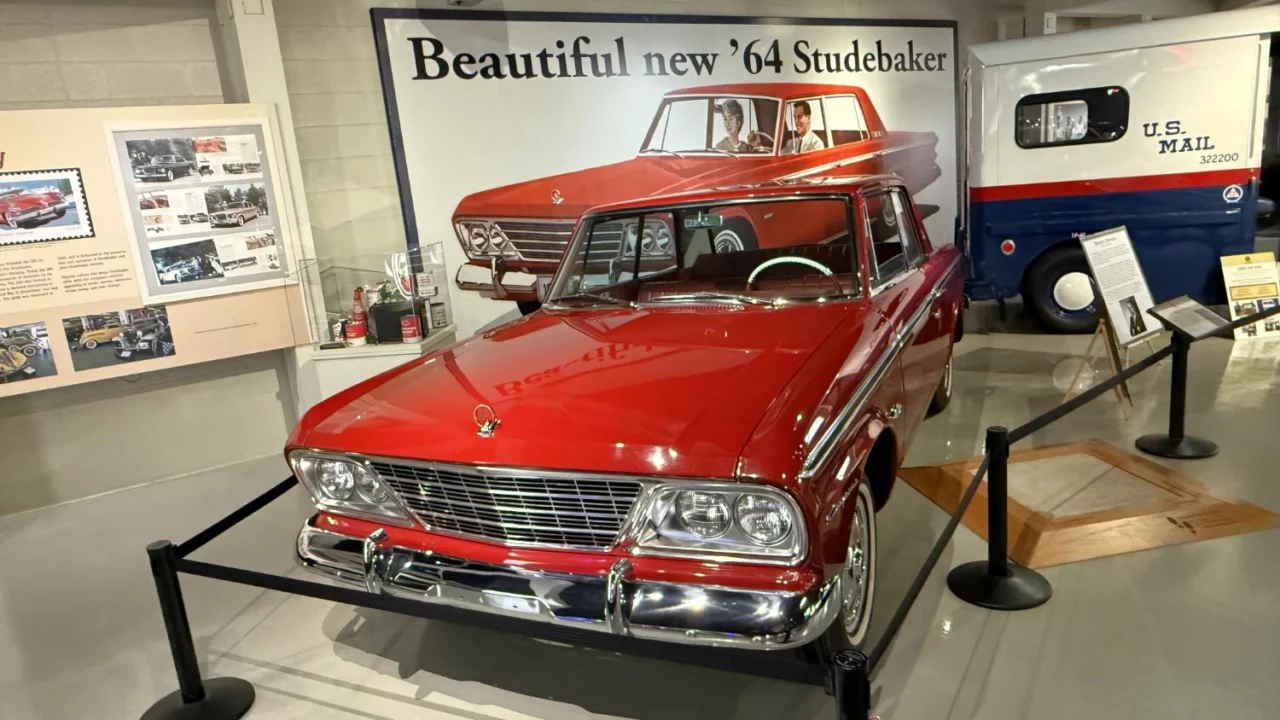
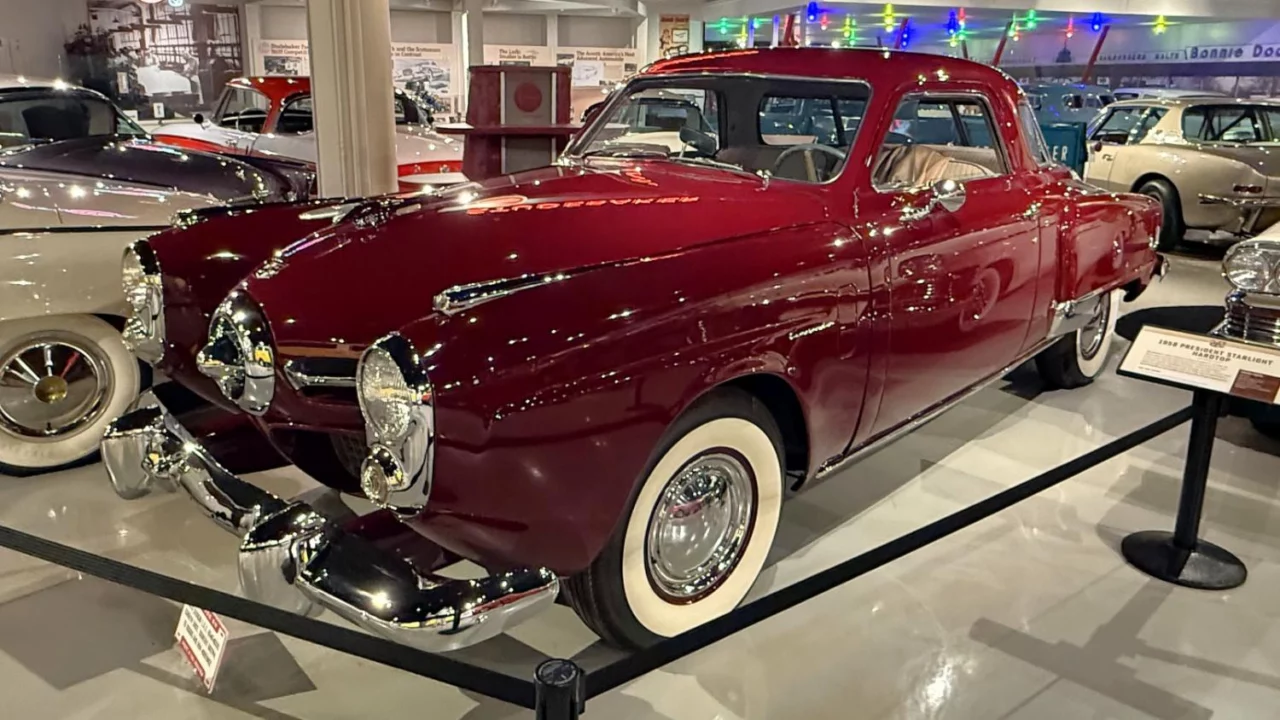
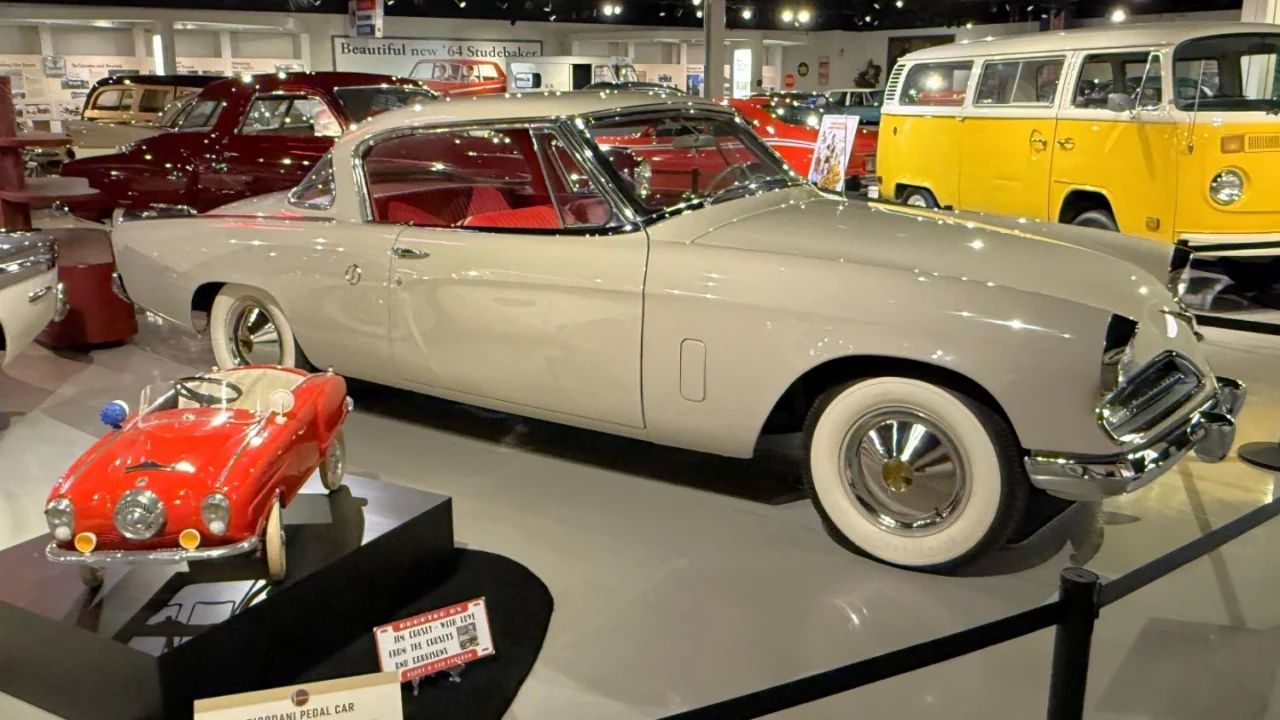
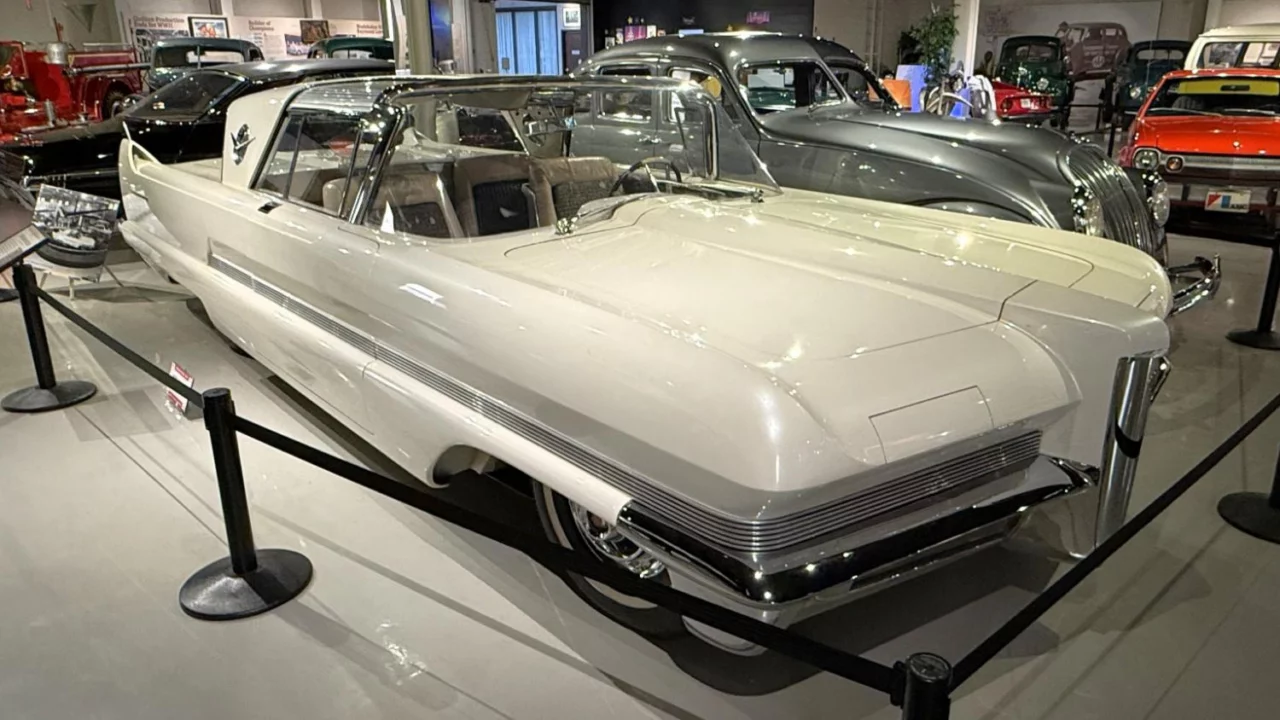
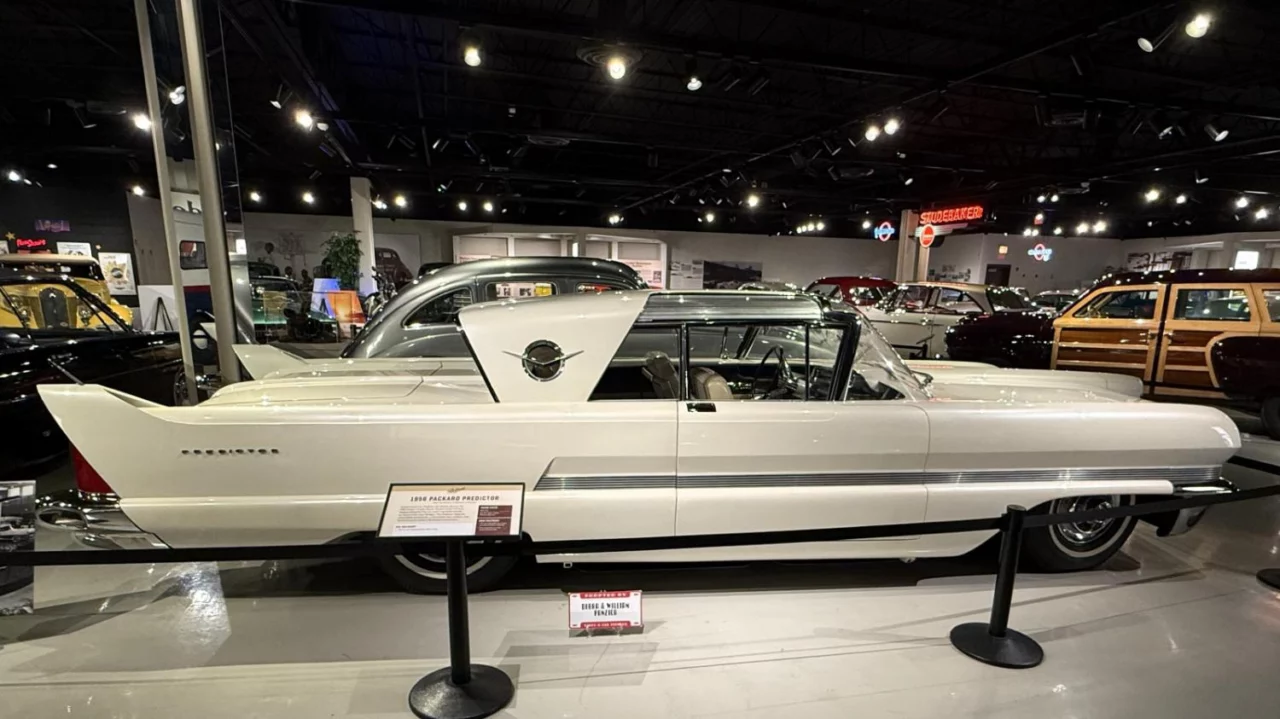
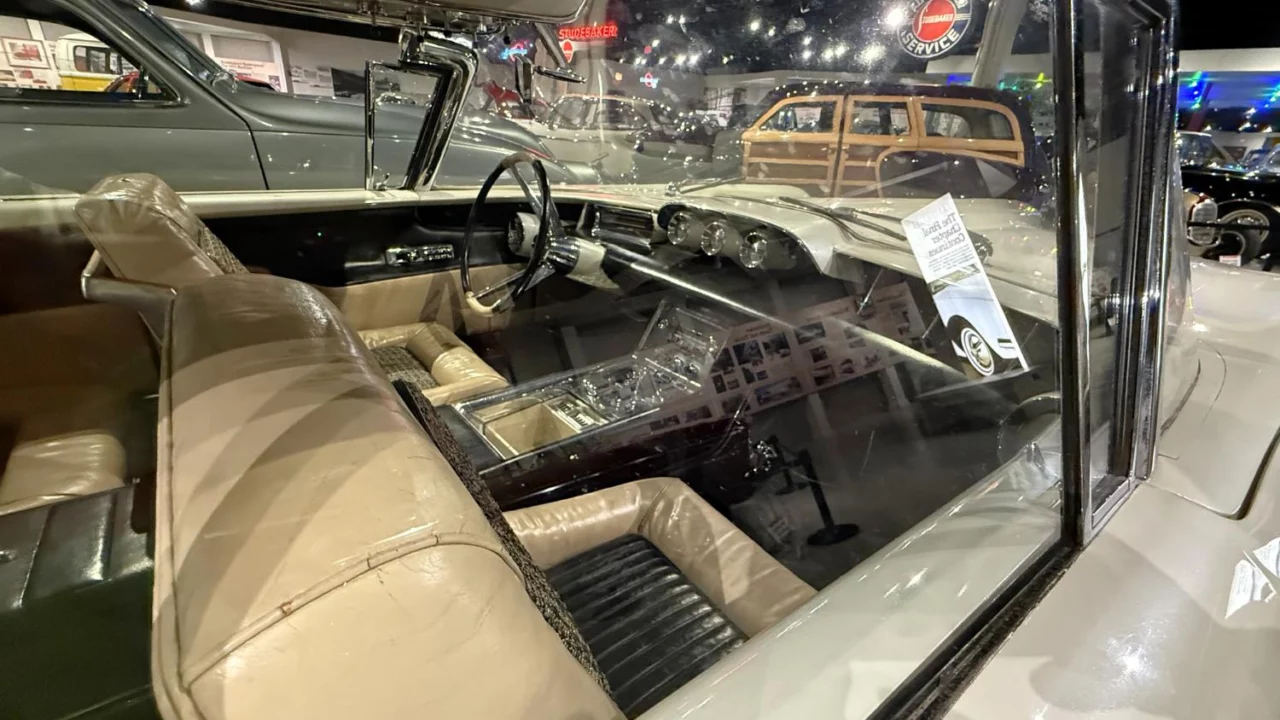
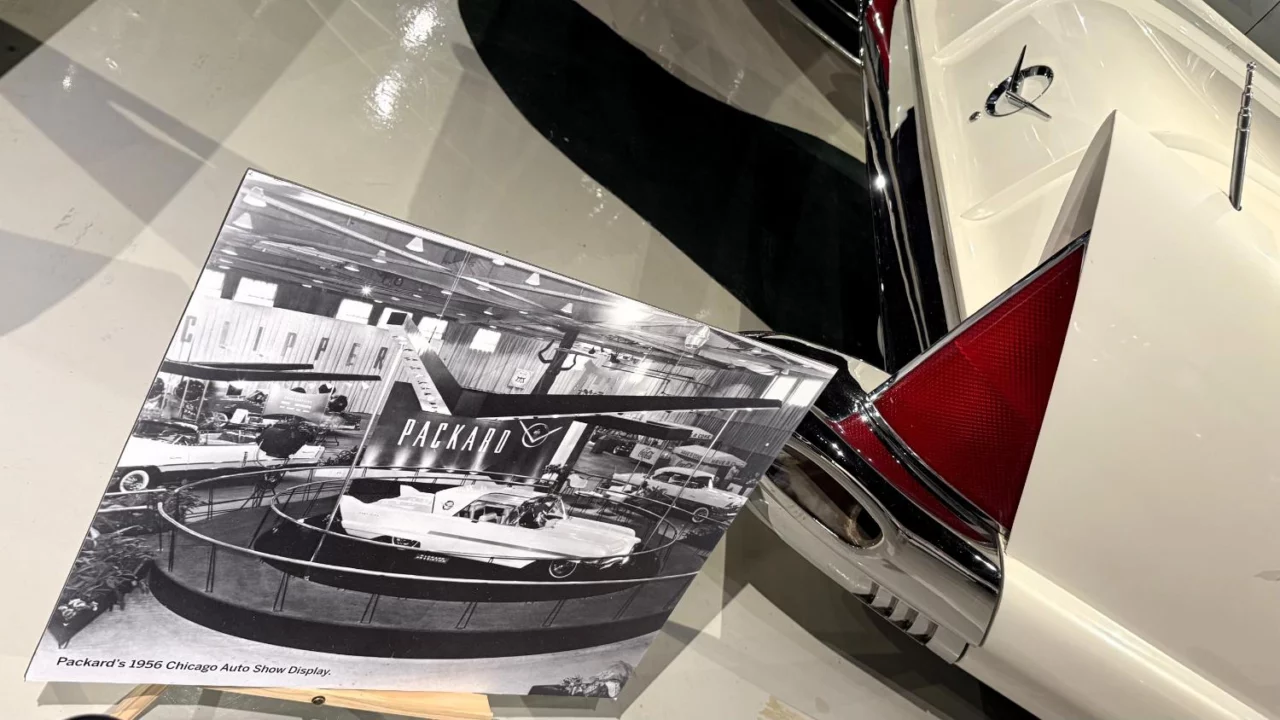
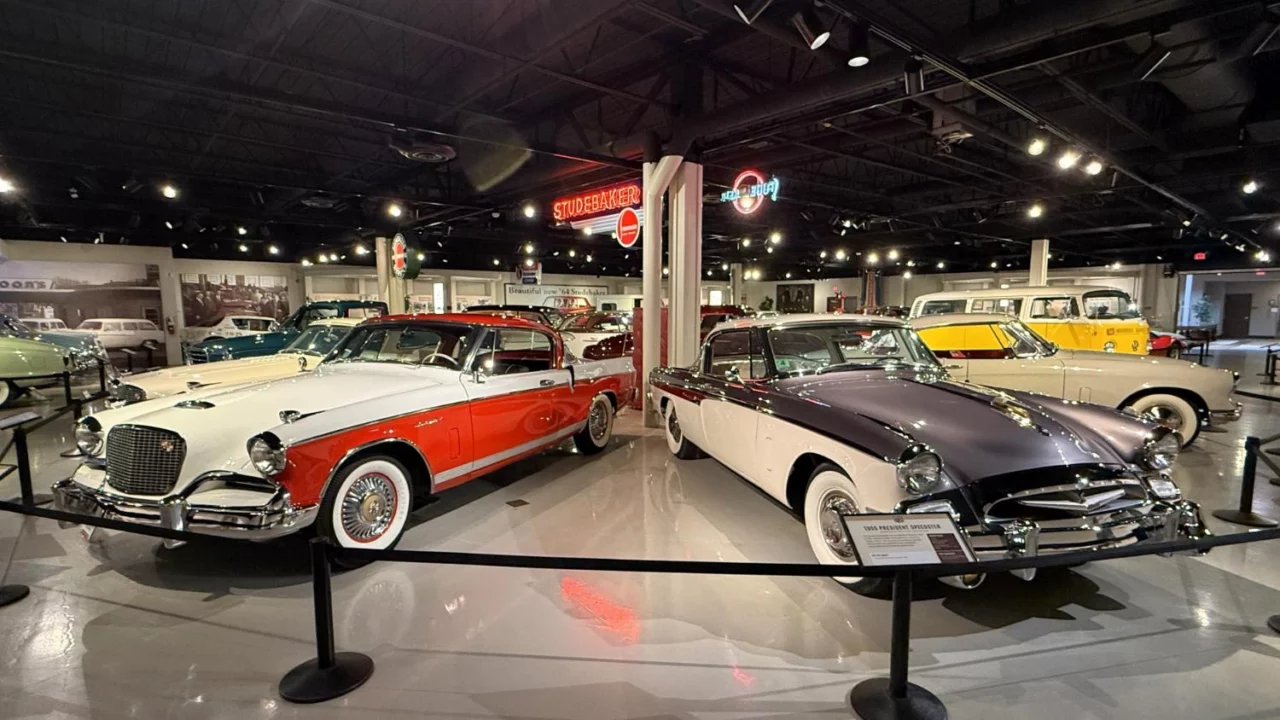
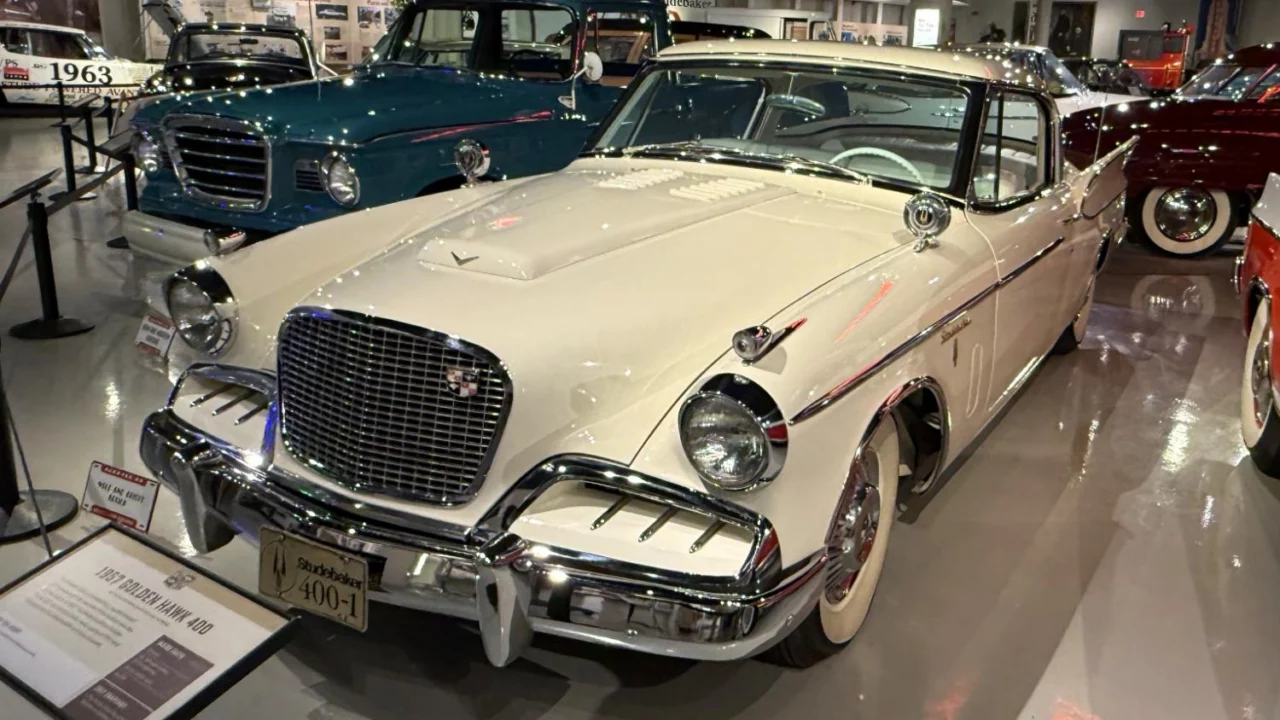
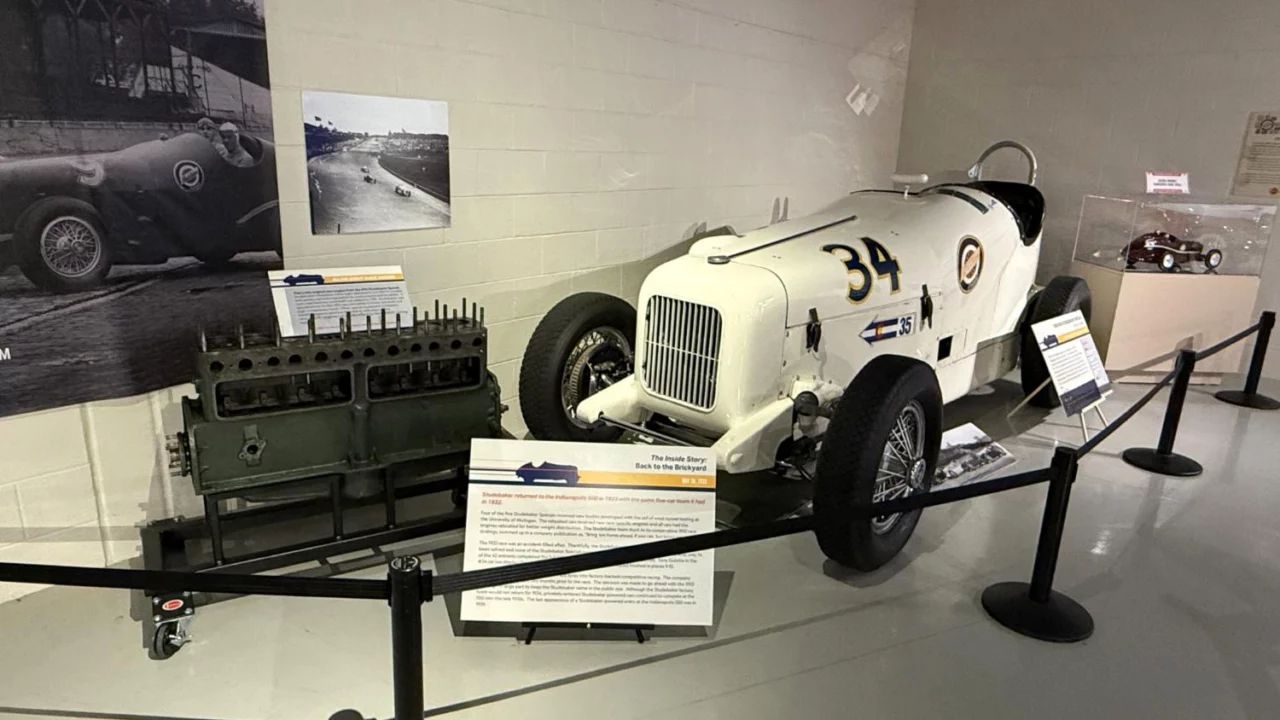
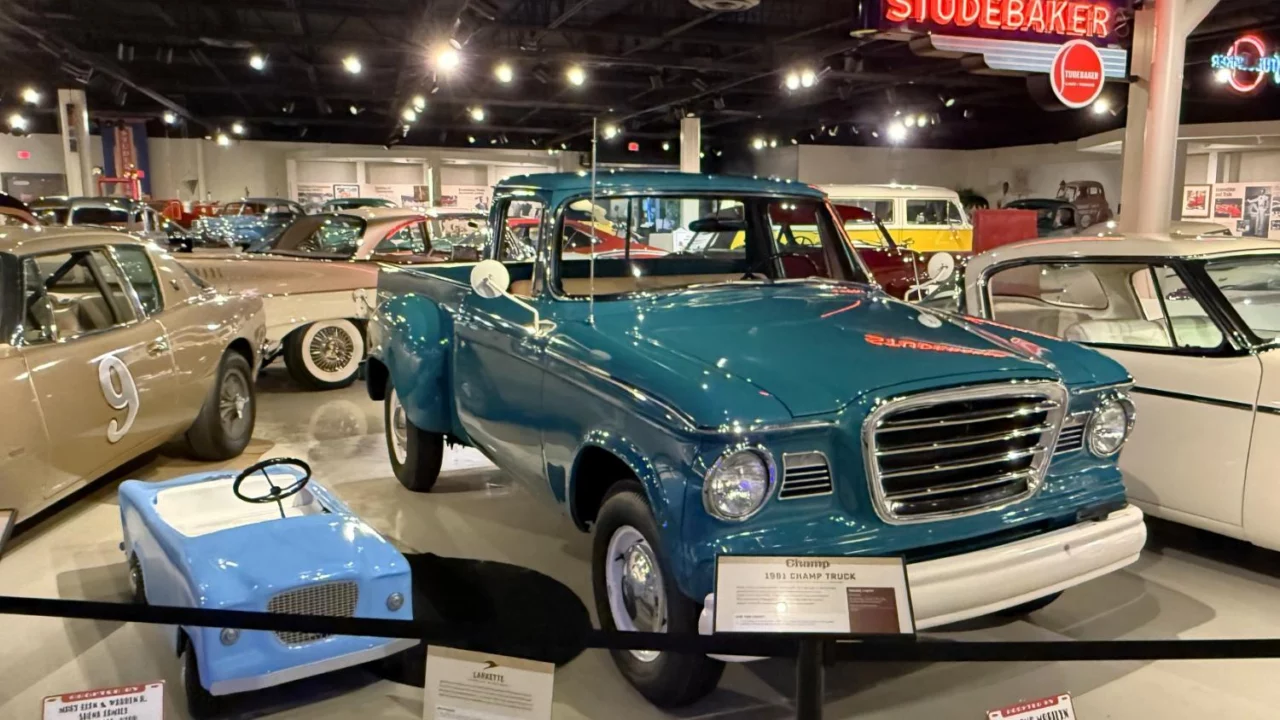
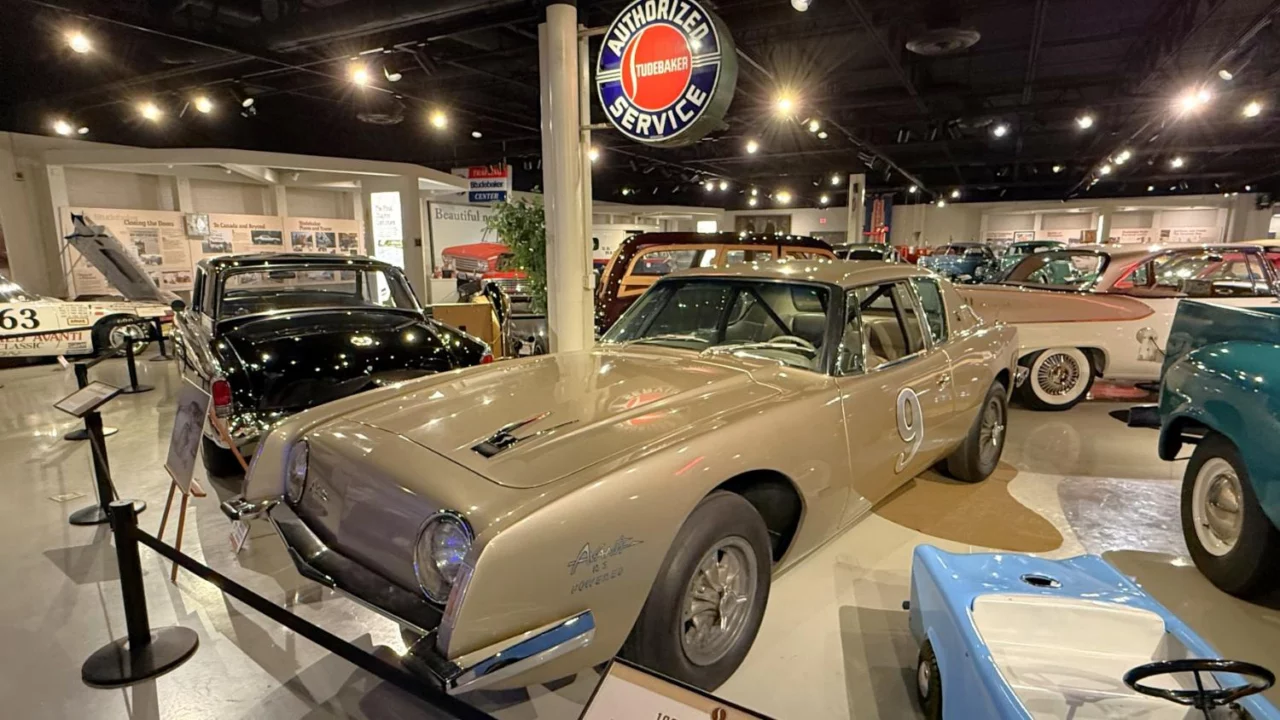
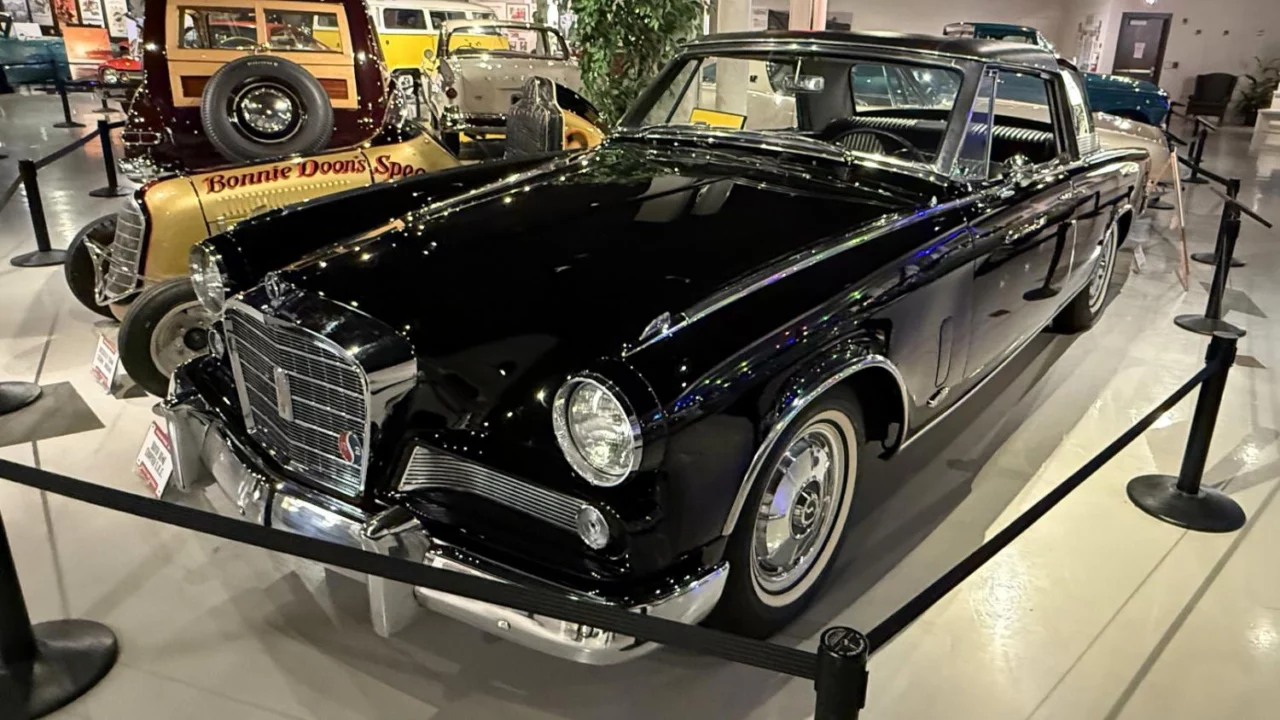
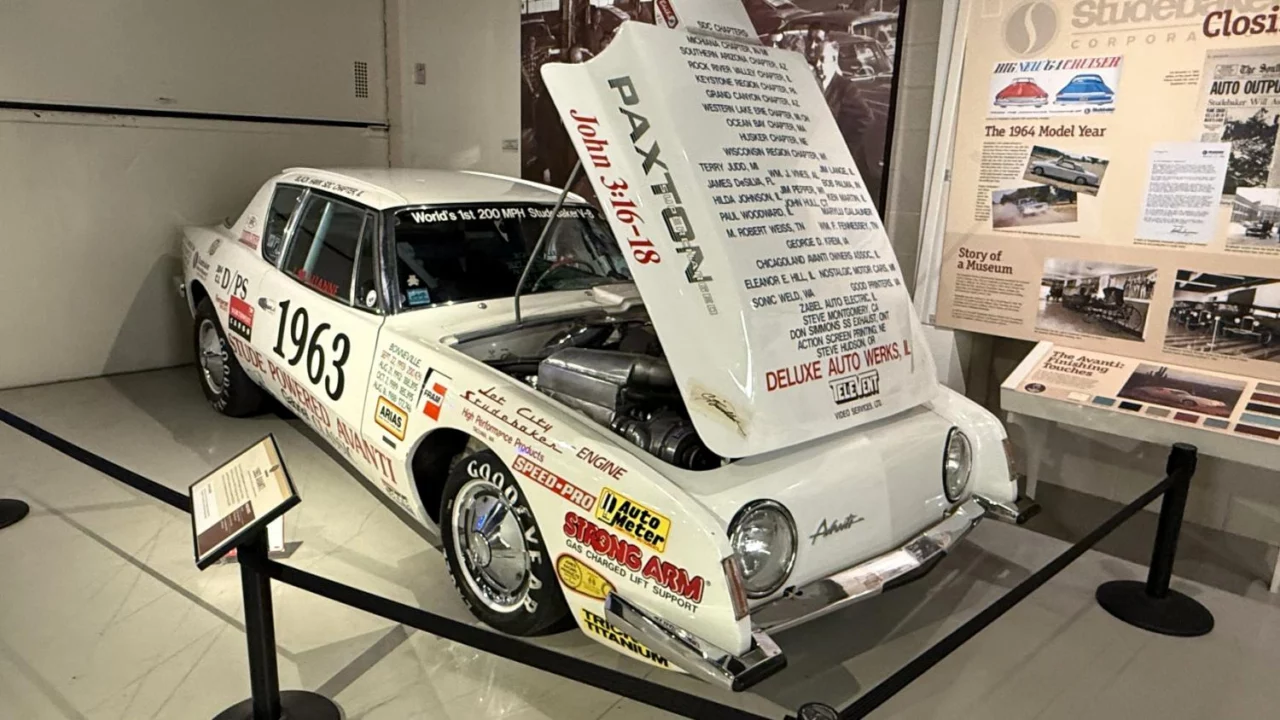
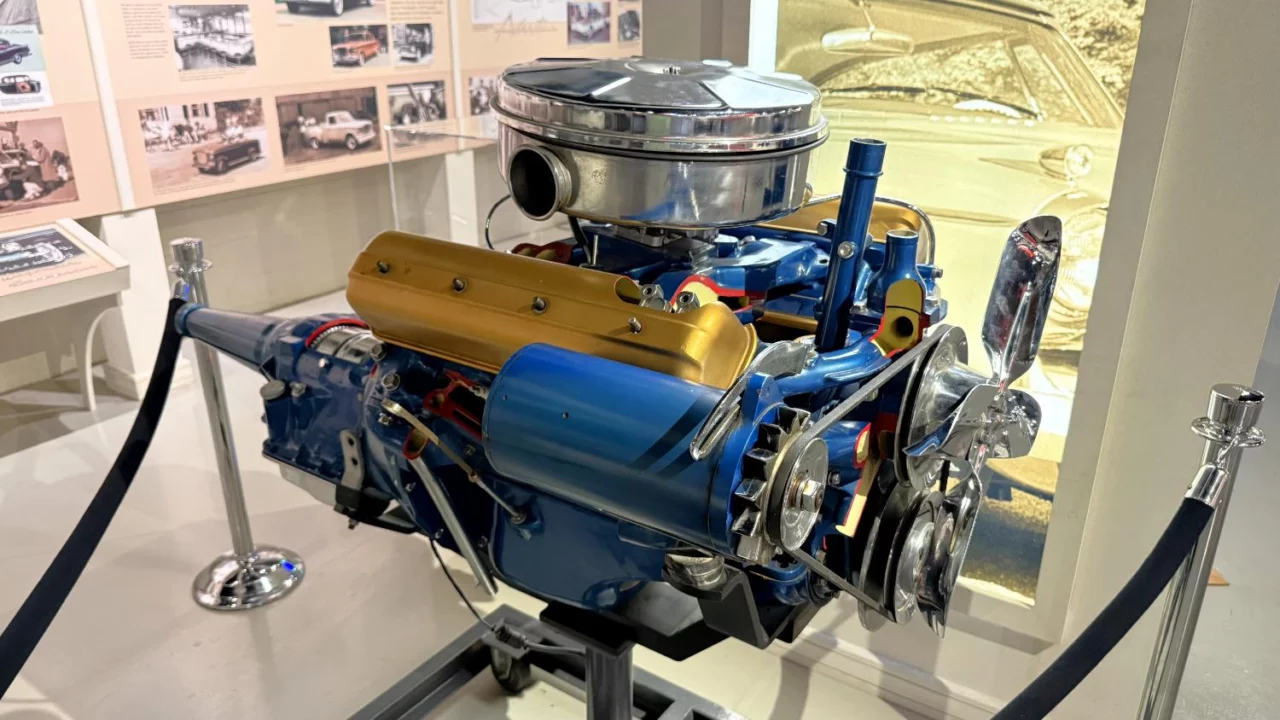
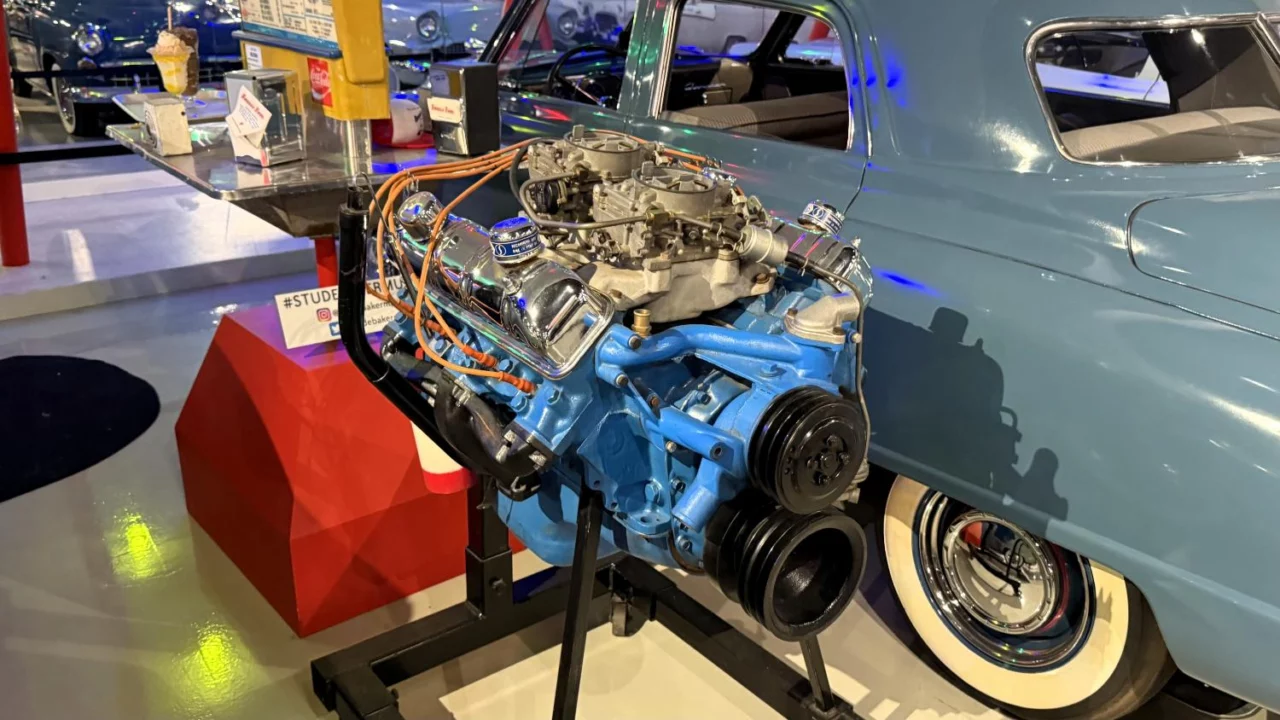
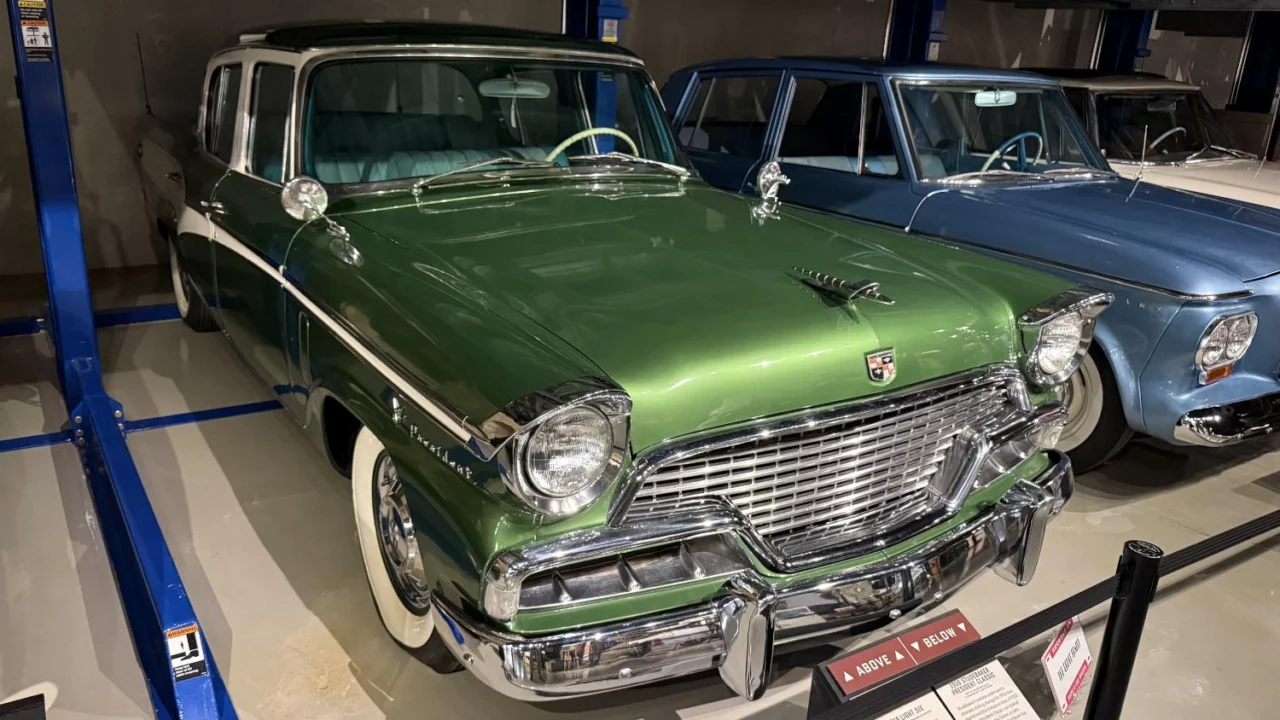
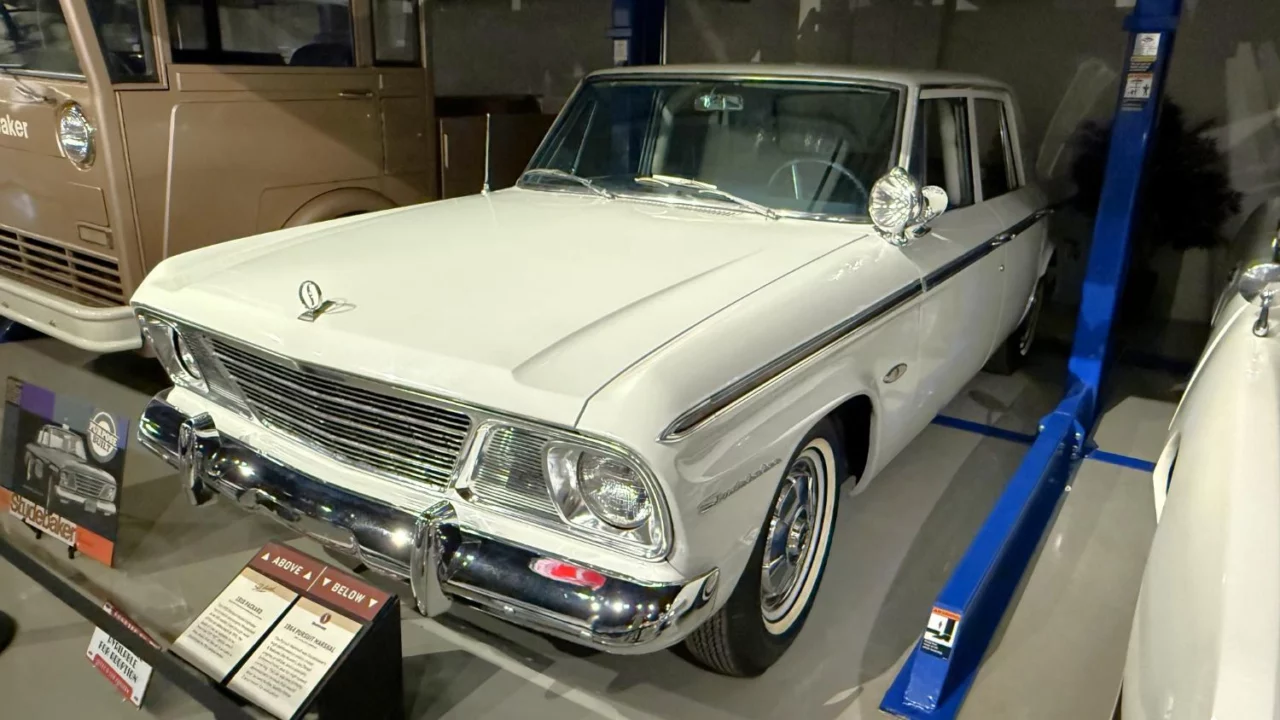
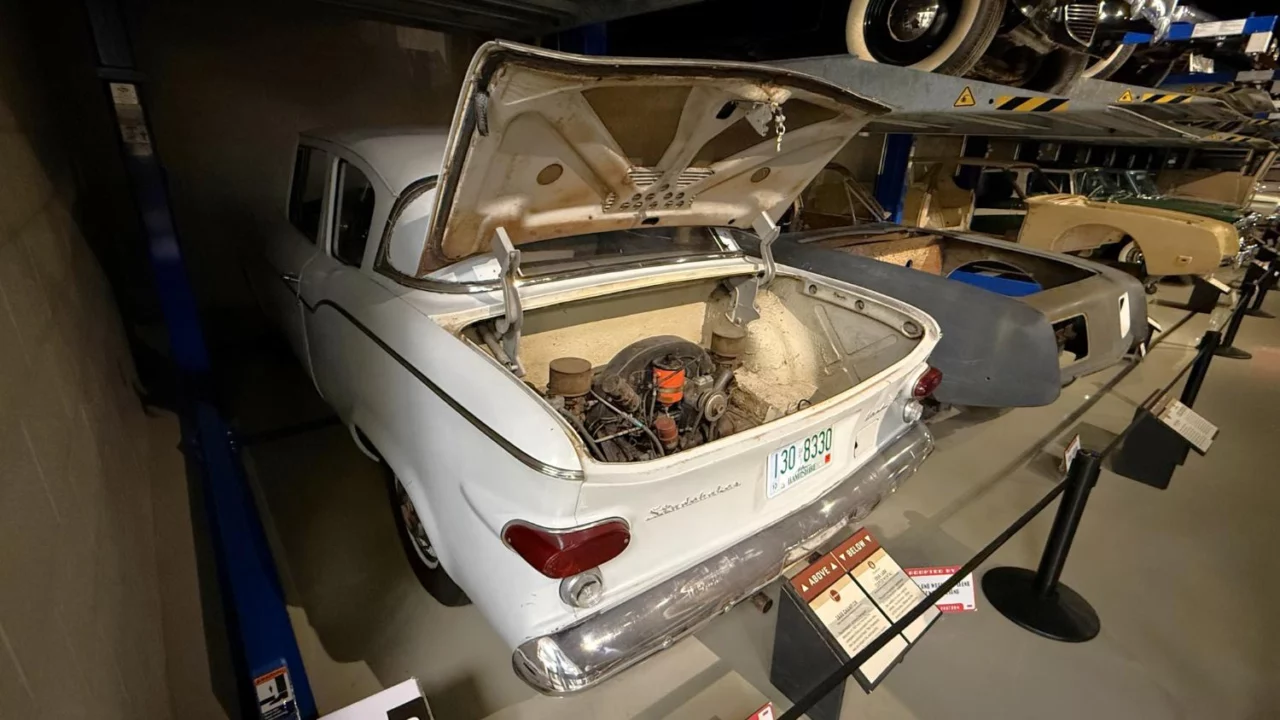
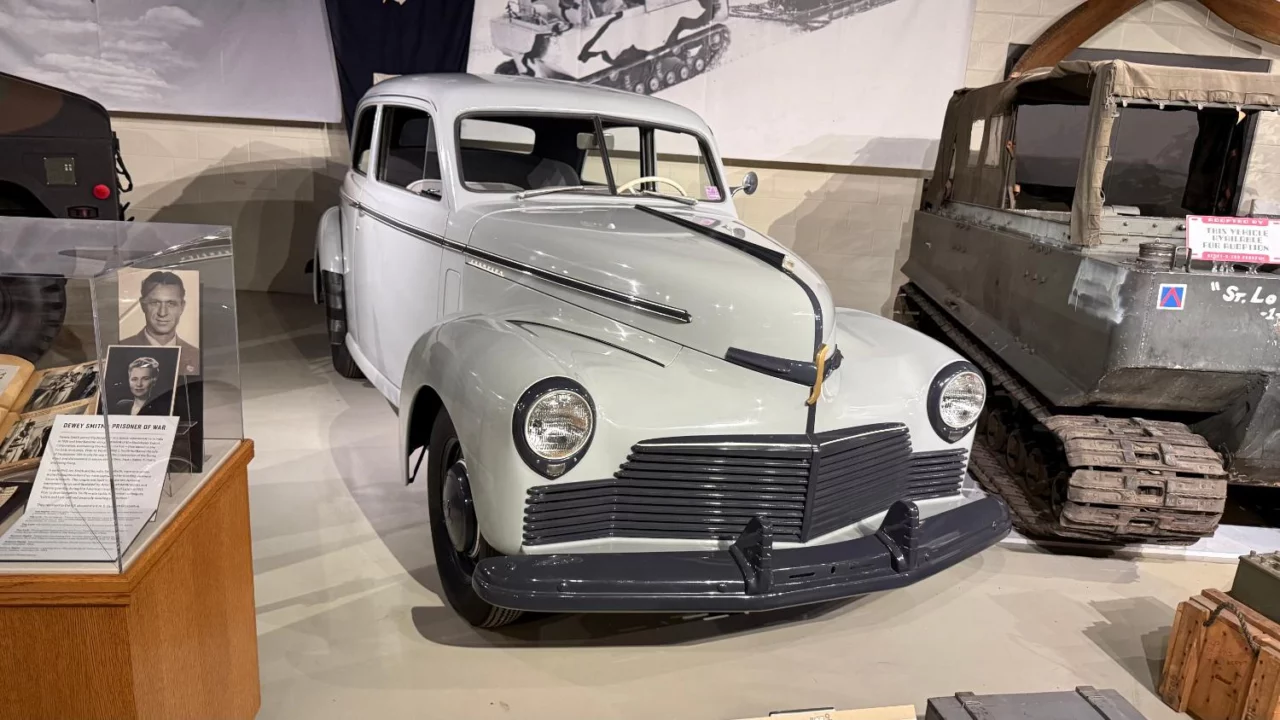
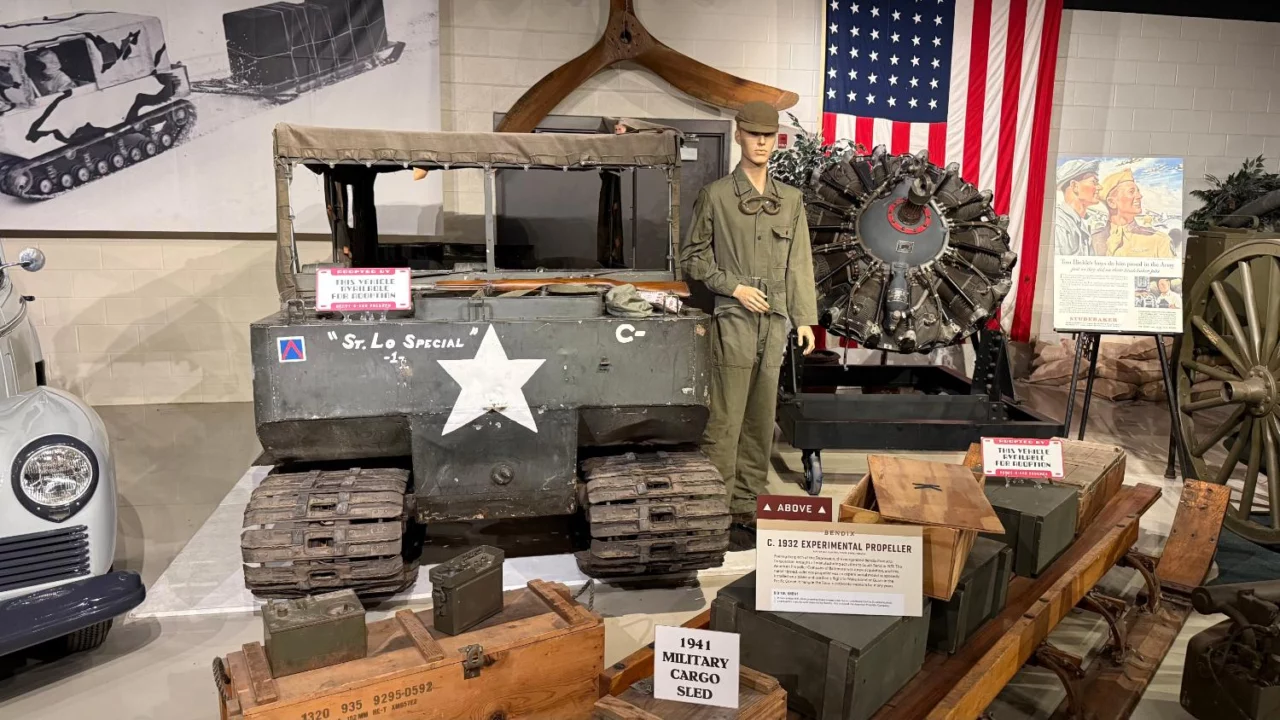
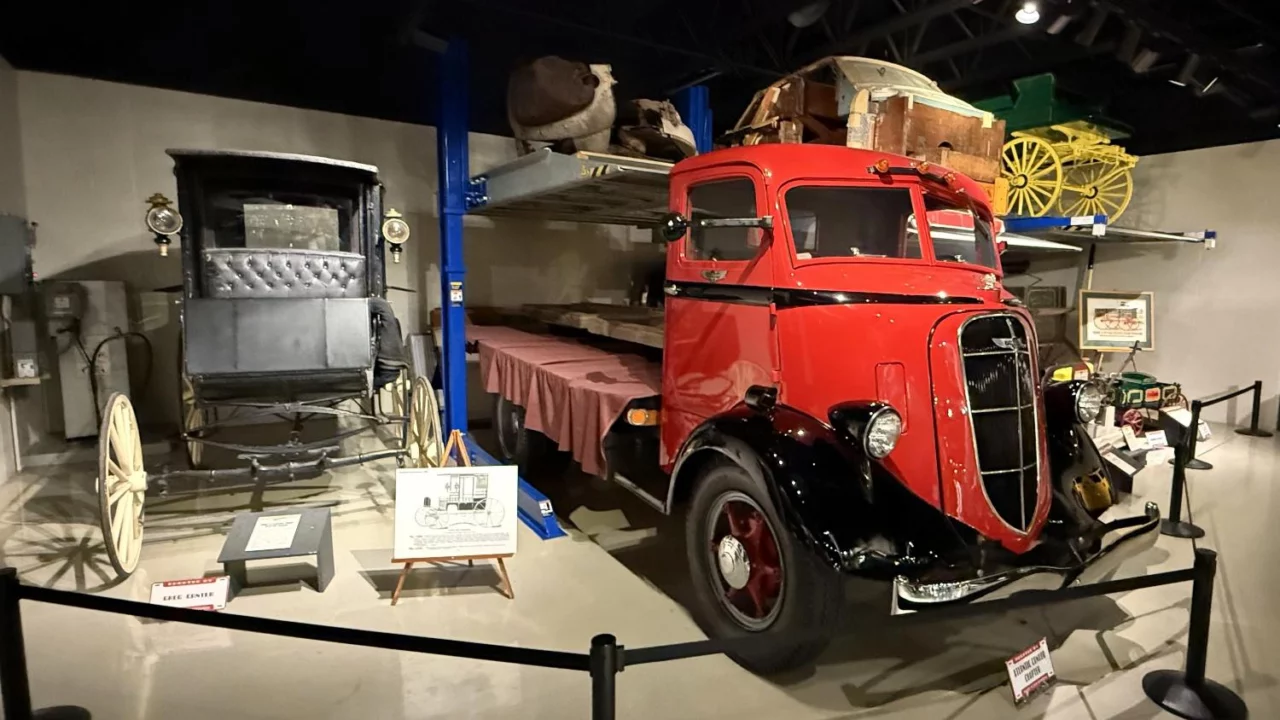
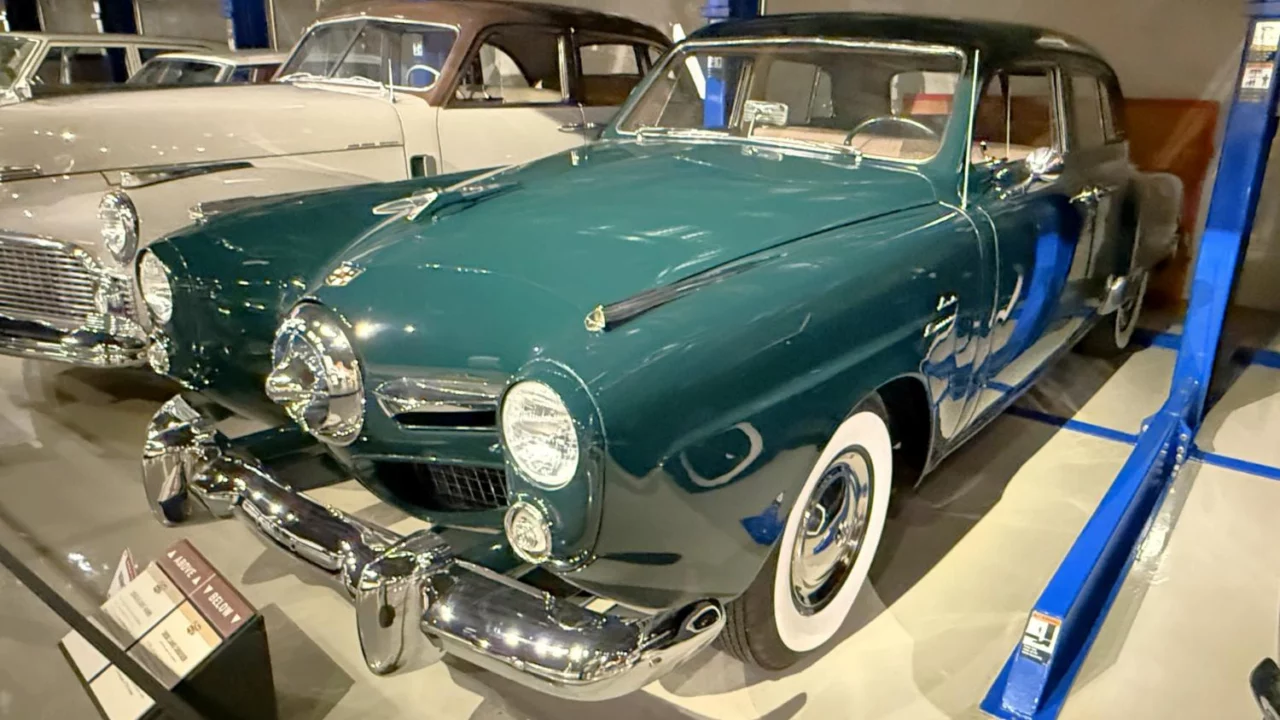
c.1835 Conestoga wagon1863 hearseOliver, a company from South Bend, built this plow in 1893.1950 Champion convertible1910 dump wagon1919 “Izzer” buggy, the last Studebaker buggy built.This Barouche carriage took President Lincoln to Ford’s Theatre. You know what happened next.Studebaker built EVs before ICE cars. This coupe is from 1911.The 1910 E.M.F. was sold by Studebaker dealers, then absorbed by the company.This 1904 Model C is the oldest surviving gas-powered Stude.1912 Flanders 20 was Studebaker’s entry-level model.1913 Model 25 Touring featured a rear-mounted transaxle.1913 E6 Touring was the first six-cylinder Studebaker, helping the branch achieve fourth place in the industry.1922 Big Six child’s hearse1928 Commander roadster traveled 25,000 miles in under 23,000 minutes (just under 16 days). 1920 Light Six, the first Studebaker auto build in South Bend.This 1919 Big Six traveled 90,000 miles in two years, 390,000 in five.1927 Erskine, Studebaker’s attempt at a lower-cost vehicle.1929 President State 7-passenger sedan with 135-inch wheelbase.The Rockne succeeded the Erskine but was only built from 1932-33. This is a 1932 Rockne 65.1932 President St. Regis Brougham1932 President convertible coupe1938 State Commander convertible sedan1933 Speedway President1916 SF-Four roadster1925 Big Six Duplex phaetonThese letters were used by the Newman Altman Studebaker dealership in South Bend.Upstairs, we find several movie cars mixed in with more of Studebaker’s history.Any James Bond fans recognize this 1974 AMC Hornet?1966 Ford Thunderbird from “Thelma & Louise”This 1935 Commander was used in “The Color Purple.”1947 M5 half-ton pickup1949 2R5 pickup1937 Coupe Express was produced through 1939.1940 President Club Sedan1962 Sceptre prototype designed by Brooks Stevens was to replace the Hawk.1941 Champion1928 fire truck from St. Joseph, MichiganThis 1966 Cruiser is the final Studebaker built, marking an end to 114 years of vehicle manufacturing.1963 ZIP van1947 Champion Deluxe station wagonThis 1964 Daytona was the last vehicle to be built in South Bend; production resumed in Hamilton, Ontario, Canada. It is powered by an R1 289.1950 Commander Starlight coupe1953 Champion Starliner 1956 Packard Predictor show car1956 Golden Hawk and 1955 President Speedster1957 Golden Hawk 400, a rare version with an all-leather interior.Studebaker Special raced in the 1933 Indy 500.1961 Champ truck1963 Avanti “#9” hit 170.81 mph at Bonneville.1958 President Starlight1958 Scotsman1949 Champion Regal sedan1952 Commander Starliner1964 GT Hawk with supercharged R2 engine originally owned by Brooks Stevens.This 1963 Avanti hit 200 mph at Bonneville in 1993.Studebaker’s first V-8 appeared in 1951.The 1964 R4 measured 304.5ci and featured dual quads and 12.0:1 compression.The basement vault featured more eclecticism from different Studebaker eras.1956 President Classic special-ordered in Ceramic Green, a Hawk color.1964 Pursuit Marshall was one of 30 sent to the Seattle Police Department for evaluation.1959 Lark features an experimental rear-engine layout powered by a 1953 Porsche.“Blackout” 1942 Champion c.1942 T42 Weasel1908 “Extension” station wagon and 1936 Ace truckThe 1950 Land Cruiser rode on a 124-inch wheelbase.