
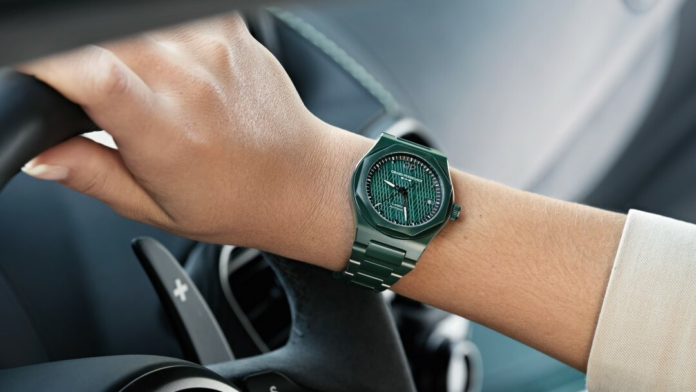
Girard-Perregaux Laureato Green Ceramic Aston Martin Edition (Photo courtesy of Aston Martin)
Girard-Perregaux Laureato Green Ceramic Aston Martin Edition (Photo courtesy of Aston Martin)
There’s a lot of overlap between the automotive and watch enthusiast communities. Even if you’re not into timepieces, it’s possible some of your car-loving friends are. It’s easy to see why: like cars, timepieces show the world your style, personality, and level of success. Many of them are also incredibly mechanical and made with painstaking attention to detail. Automakers, such as Aston Martin, collaborate with high-end watch companies on timepieces that strengthen the connection between the two machines. But cars and watches also share many literal commonalities, some of which I’ve arranged below.
AUTOMATIC AND MANUAL
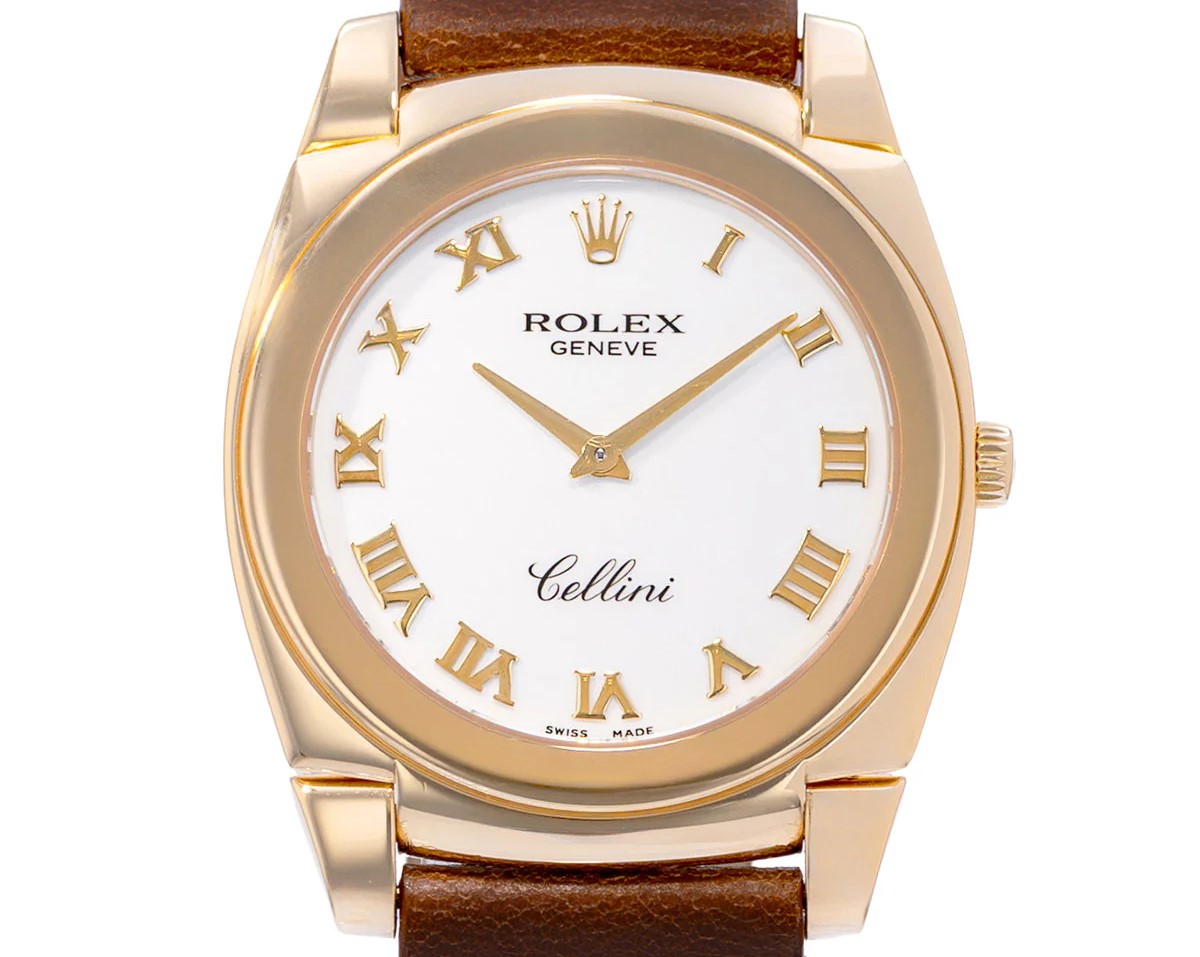
In both contexts, “automatic” means something is done for you. An automatic in a car shifts for you and saves you the labor of coordinating your hand movements and footwork. As opposed to a quartz watch, an automatic watch features a more complex mechanical movement. Fundamentally, if you wear an automatic watch, the movement of your wrist causes components inside to move and power it (I’ll get into that below). There are also “manual” mechanical watches that have to be wound by hand to keep them running, such as one of my dream watches, the Rolex Cellini Cestello pictured above.
GEARS
Neither internal-combustion engines nor mechanical watches would run without them.
OIL/LUBRICANTS
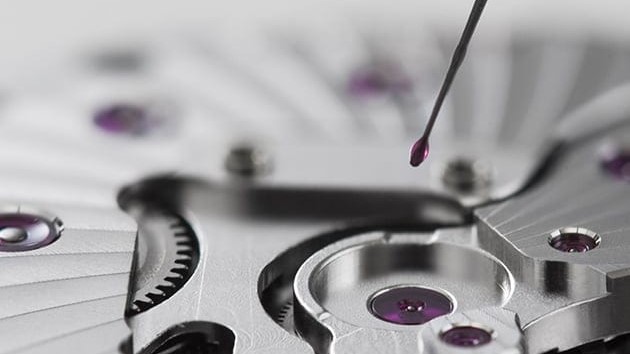
And they wouldn’t run smoothly without oil.
SERVICE
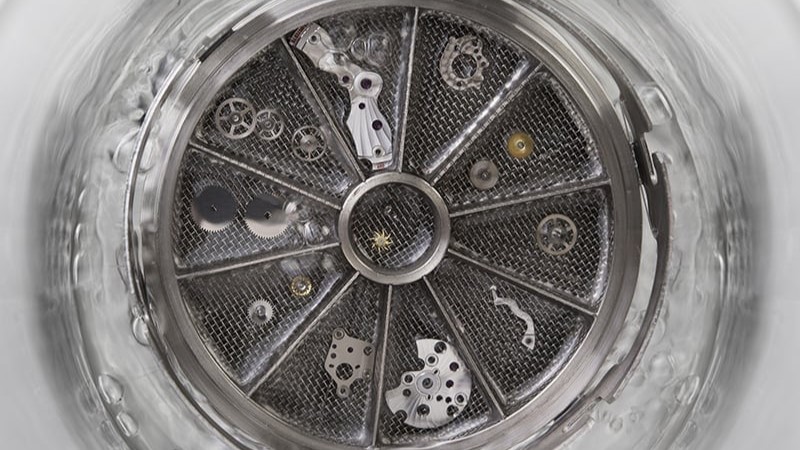
Just as you need to service your car regularly, you also need to service a mechanical watch. The major difference is that a watch service is typically much more complex and requires a total tear-down. According to Swiss watchmaker Omega, a complete service has eight steps, which includes disassembling the case and movement, cleaning the movement and replacing its worn-out parts, and putting it back together and re-lubricating it.
GASKETS
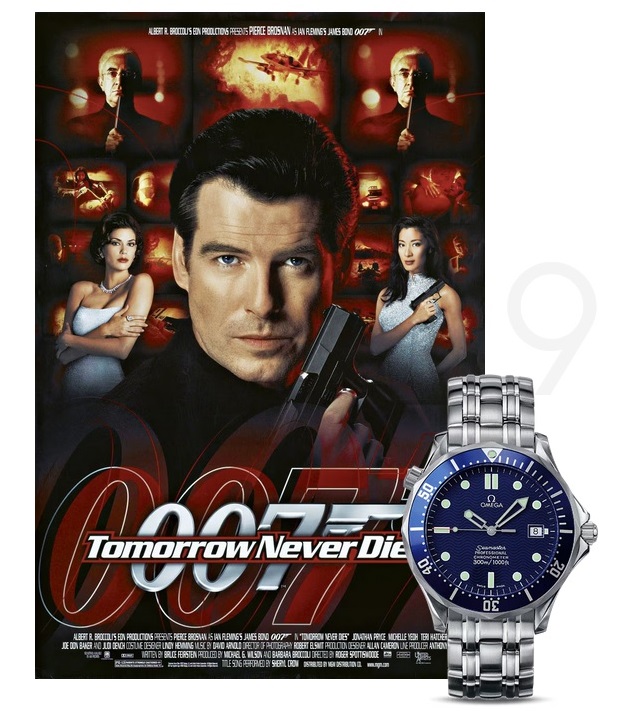
Gaskets are a great way to keep lubricants in and contaminants out. My Omega Seamaster 300M chronometer (aka the model that Pierce Brosnan wore as James Bond in the 1997 movie “Tomorrow Never Dies”) has one for its helium escape valve. That tiny ring of rubber allows the valve to release helium during especially deep dives so that it doesn’t build up explosive pressure, and prevents water from getting inside the watch.
SPRINGS
A car’s suspension uses springs to handle the road ahead and soak up bumps along the way. As watch expert Teddy Baldassarre’s site puts it, “A mechanical movement … uses a coiled metal spring, called a mainspring, that releases energy as it uncoils through a series of gears to drive a weighted, oscillating wheel called a balance wheel. The balance wheel’s oscillations are linked to an escapement, which periodically releases the gear train to move the hands forward to record the passing of hours, minutes, and seconds.”
ROTOR
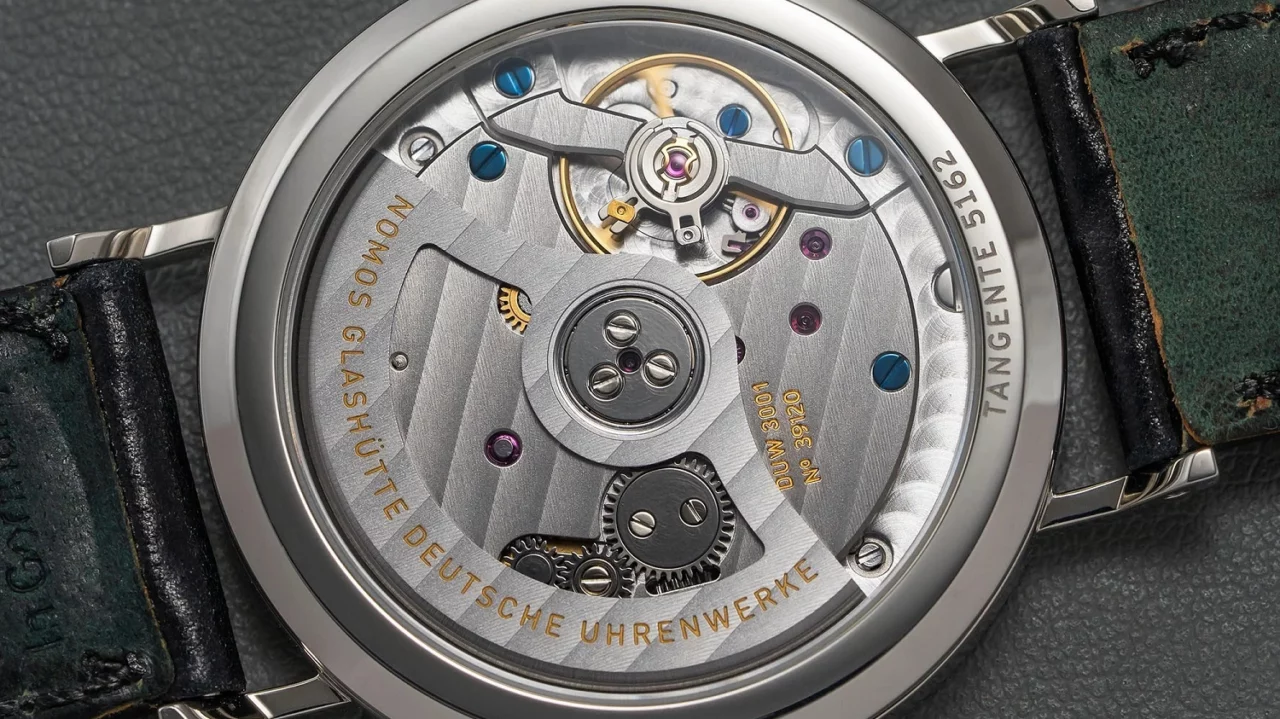
While a car’s brake rotors help slow it down, a watch’s rotor turns with the movement of your wrist and winds the mainspring.
BATTERY
In general, quartz watches are typically simpler, cheaper, and more accurate than their mechanical counterparts. There’s a very good chance you’re wearing one right now. Like a car, a quartz timepiece runs on a battery. A microchip circuit applies a small electrical charge to a quartz crystal, causing it to oscillate 32,768 times per second. According to the Nixon watch company, “The microchip circuit then detects these oscillations, and turns them into an electrical signal each time it counts the final 32,768th oscillation. This signal, which occurs every second, is what powers the hands” on the dial.

