
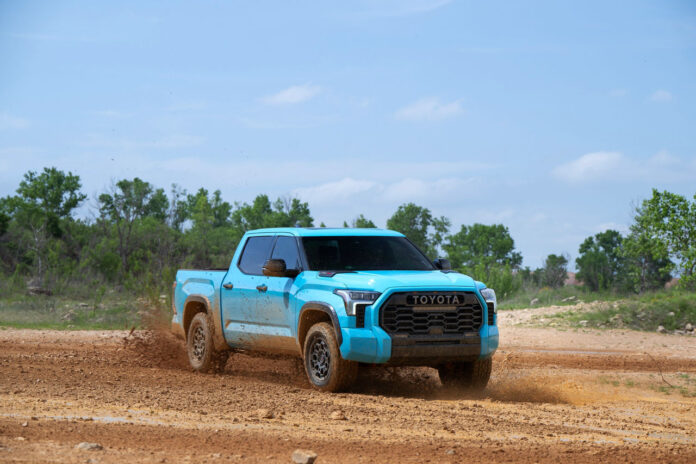
For over a decade, recommending a Toyota Tundra was the absolute easiest job in automotive journalism. The second-generation truck, powered by the thirsty but utterly indestructible 5.7-liter 3UR-FE V8, was the undisputed gold standard for long-term reliability.
But the industry rapidly evolved, emissions regulations tightened, and Toyota answered the call with the third-generation Tundra, swapping the legendary V8 for a highly complex 3.4-liter twin-turbocharged V6, known internally as the V35A-FTS. It promised better fuel economy, massive low-end torque, and a vastly modernized driving experience.
Instead, it has delivered one of the most frustrating, drawn-out recall nightmares in modern truck history. If you are staring down a dealership lot wondering if the third-gen Tundra is actually reliable, the answer is uncomfortably complicated.
The Billion-Dollar Machining Debris Disaster
Toyota built its entire global brand identity on the concept of over-engineered invincibility. However, the rollout of the V35A-FTS engine has severely shaken that consumer confidence.
The core issue isn’t even a fundamental design flaw of the turbos or the hybrid system; it is a massive manufacturing oversight. During the engine block machining process, metallic debris was left inside the engine assembly.
When the engine runs, this stray debris circulates through the oiling system, ultimately destroying the #1 main bearing. The result? Engine knocking, severe rough running, and, in the worst-case scenarios, a complete loss of motive power at highway speeds.
What started as an isolated issue for the 2022 and 2023 models has now aggressively bled into the 2024 lineup. In May 2026, Toyota was forced to issue another major safety recall involving roughly 44,000 non-hybrid 2024 Tundras for this exact same bearing failure. It proves that their previous “additional manufacturing controls” simply did not fix the systemic problem.
A Fractured Owner Experience
If you spend any time browsing the forums or watching the breakdown videos over at Pickup Truck Talk, you will immediately notice how violently polarized the third-gen Tundra owner experience has become.
- The Flawless Fleet: On one side, you have owners who have easily crossed the 100,000-mile mark without a single drivetrain hiccup. They praise the massive towing torque, the incredibly smooth ten-speed automatic transmission, and the undeniable upgrade in cabin technology.
- The Dealership Hostages: On the other side, you have owners trapped in automotive purgatory. They are dealing with completely bricked engines, waiting months for replacements, and battling incredibly annoying electronic gremlins like failing volume knobs, cracking seat plastics, and randomly disconnecting infotainment screens.
When you are spending upwards of $60,000 to $80,000 on a full-size pickup, playing Russian roulette with a twin-turbo V6 is a tough pill to swallow.
The Verdict: Should You Buy a Toyota Tundra in 2026?
The third-generation Toyota Tundra is a fundamentally fantastic truck trapped by a catastrophic manufacturing error. The chassis is incredibly solid, the styling is aggressive, and when the powertrain works, it effortlessly out-tows the old V8.
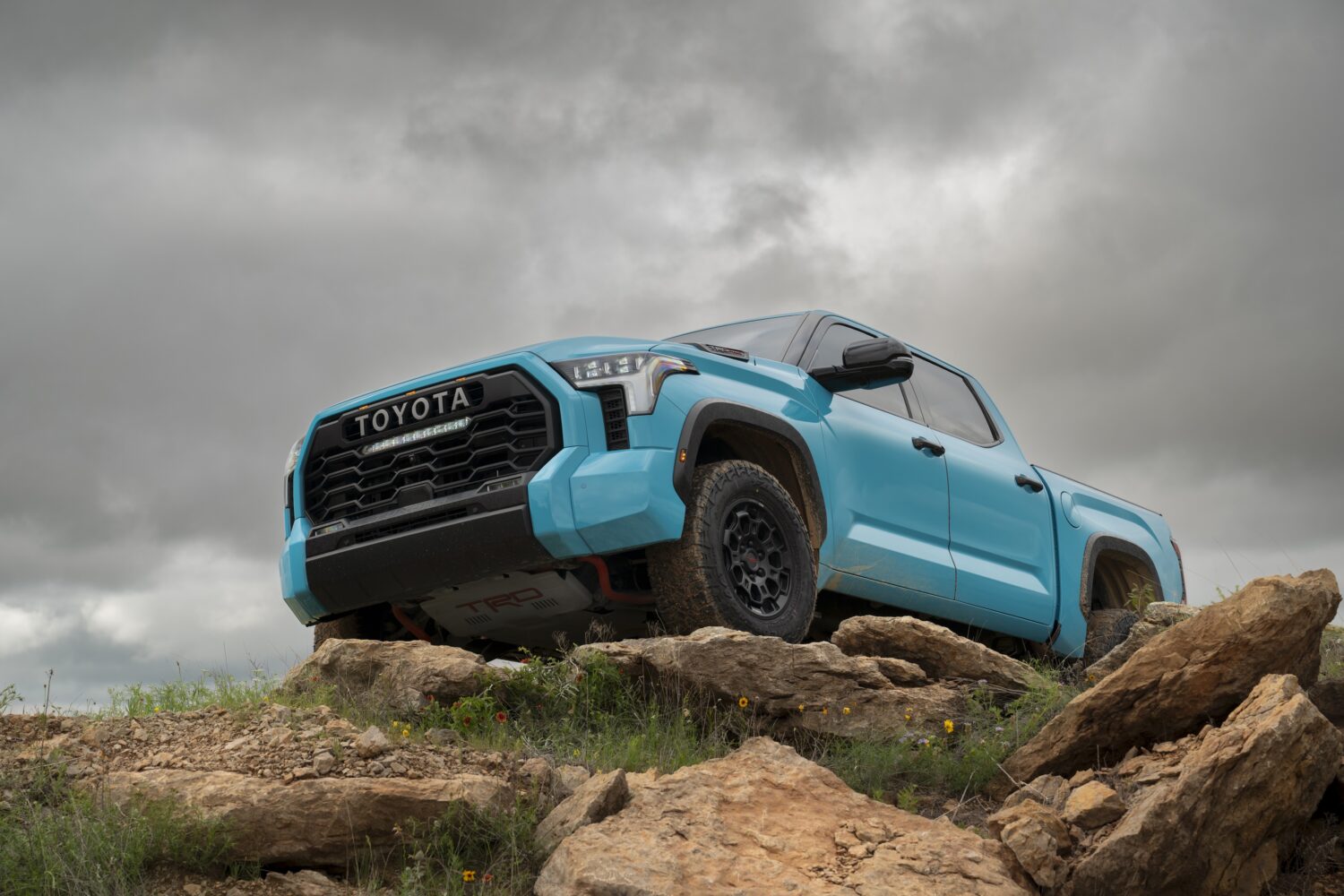
However, until Toyota explicitly proves that the latest bearing redesigns implemented in late 2024 and 2025 have entirely eradicated the machining debris issue, buying one requires a massive leap of faith.
If you absolutely must have a third-gen Tundra right now, cross-reference the VIN with the NHTSA database immediately, demand proof of engine replacement if looking at the used market, and do not drive off the lot without an ironclad extended warranty. The badge might say Toyota, but the bulletproof guarantee is currently in the shop.

