
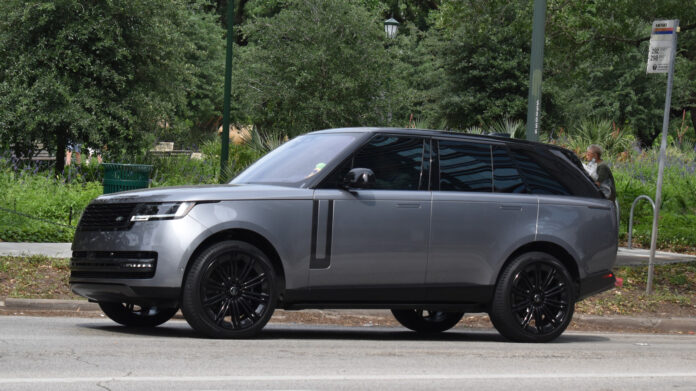
Luxury cars don’t come cheap; they never did, and chances are they never will. However, for those of us who still want to treat ourselves to a premium vehicle, going the used route is often the way to do it. You’d think that a luxury car that loses a ton of value is exactly what you want — and in some cases, you’d be right.
However, rapid depreciation typically means people aren’t willing to pay big money for a vehicle, and that unwillingness always raises red flags. Range Rovers are a perfect example of this logic and have been among the cars that lost the most value on the used market. They are extremely expensive from new, but after just five years on the road, CarEdge estimates they lose 74% of their value.
Therefore, if you bought a high-spec long-wheelbase SV Range Rover Autobiography for around $200,000 in 2020, by 2025, you would have lost close to $150,000 — roughly $80 every single day after purchase. That is a staggering number by any measure. The question is why. Plenty of luxury SUVs depreciate, but few do it at this rate.
The answer lies in a combination of reliability concerns, sky-high ownership costs, theft risks, and a used market that has learned, through experience, to price in the risk of buying one. Here’s what’s driving that depreciation curve — and whether a used Range Rover is actually the bargain it appears to be on paper.
Why do used Range Rovers depreciate so much?
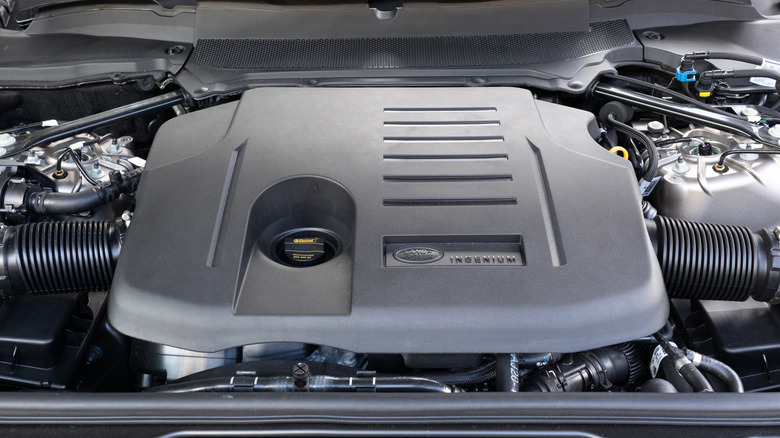
If you go online and read what people say about Range Rover reliability, you’ll be flooded with complaints. Air suspension failures regularly result in bills of $4,000 or more, and when timing chain failures occur, repairs like cylinder head replacement alone can average over $11,000. The problem has grown serious enough that, according to Automotive News, Jaguar Land Rover’s own CFO acknowledged “warranty costs remain stubborn” after warranty spending rose £105 million (around $139 million) in a single quarter.
While the car is under warranty, you aren’t likely to worry about these costs, but once the coverage ends, the risks associated with them turn people away from buying them. Even dealership maintenance on JLR vehicles is nearly double the industry average cost, with something as routine as an oil change costing nearly $500 at a Range Rover dealership.
Land Rovers are among the brands with the highest maintenance costs after five years of ownership, and people know this and price it in when buying used. Moreover, Range Rovers are also notoriously easy to steal. This was such a huge problem that some drivers in the U.K. weren’t able to get insurance coverage after purchasing one, so JLR had to provide insurance for them.
Then there is the perception problem, which may be the hardest to escape. Even a perfectly maintained example with full service history carries the weight of the brand’s reputation. Many used buyers demand a discount to compensate for the risk they associate with the nameplate — not necessarily the specific car in front of them. That gap between reality and perception is baked into the price, and it feeds on itself every time another JLR horror story circulates online.
How to minimize depreciation on a Range Rover
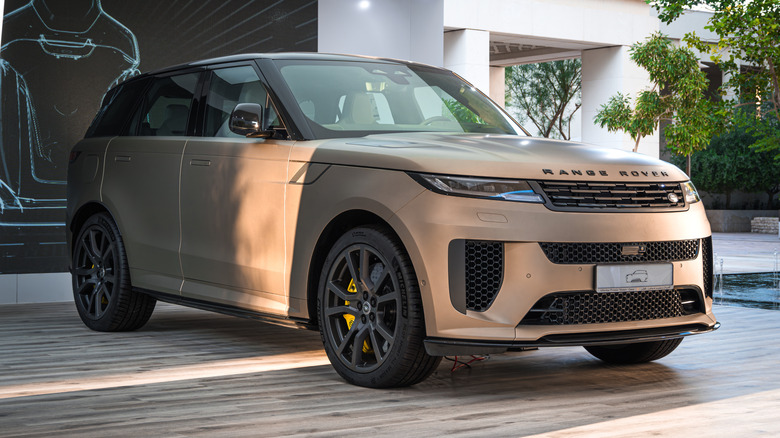
Not all Range Rovers are the same. For example, a $150,000 when-new Range Rover Sport in desirable colors, low miles, documented history, one owner, and highly specified is likely to fare better on the second market than a $150,000 when-new Range Rover Sport in a niche color, with accident history, suspicious maintenance, and multiple previous owners.
Therefore, if you want to buy a Range Rover and retain as much value as possible, knowing what increases a car’s resale value most is non-negotiable. Keep it neat and tidy, document everything, don’t abuse it, keep it garaged, maintain it, love it. Most enthusiastic owners these days can tell the difference between someone’s pride and joy and a daily beater.
A Range Rover will always depreciate hard. The best you can do is make sure yours depreciates a little less than the next one. Timing also matters. The steepest part of the depreciation curve hits in the first two to three years, so selling before the warranty expires means buyers have one less reason to demand a heavy discount.
JLR offers its own Vehicle Service Protection plan covering up to seven years or 120,000 miles. The best part is that you can transfer it to a new owner when you want to sell. A car sold with an extended warranty removes a huge objection a used buyer could have. Also, avoid modifications you cannot return to stock — Kelley Blue Book advises against customizing your car to preserve value, as aftermarket changes limit the pool of potential buyers.

