
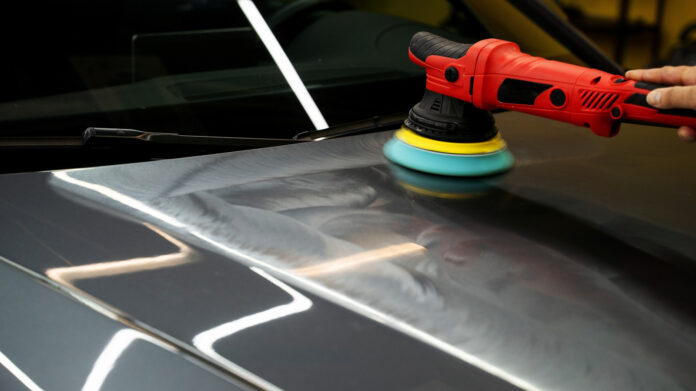
Applying glaze to car paint has a similar effect as glazing donuts when you think about it. Yes, glazed donuts are yummy, and the sensation begins upon laying eyes on that shiny, sugary layer. Using glaze on car paint is similar in that it brings an intense shine, although not the sugary kind. You can think of glaze as a type of polish, but that’s where the confusion begins, since polish comes in many types, too.
At its most basic form, polish does exactly what it sounds like: It adds depth and gloss, and it removes fine scratches to create a smooth, flawless shine that’s ready for waxing. On the other hand, glaze contains refined oils, leveling agents, and fillers to hide scratches and swirls while leaving a mirror-like finish. The difference is that most car polish has mild abrasives to shave off scratches and swirls from the clearcoat without the need for aggressive sanding. Glaze has no abrasives and can only cover up scratches and swirls.
Glaze is not as popular nor as readily promoted now since the results it provides are very similar to using polish. And besides, modern technology has given birth to ceramic coatings that offer all the benefits of glazing with the added benefit of longevity.
Glazing still works, but it won’t work alone
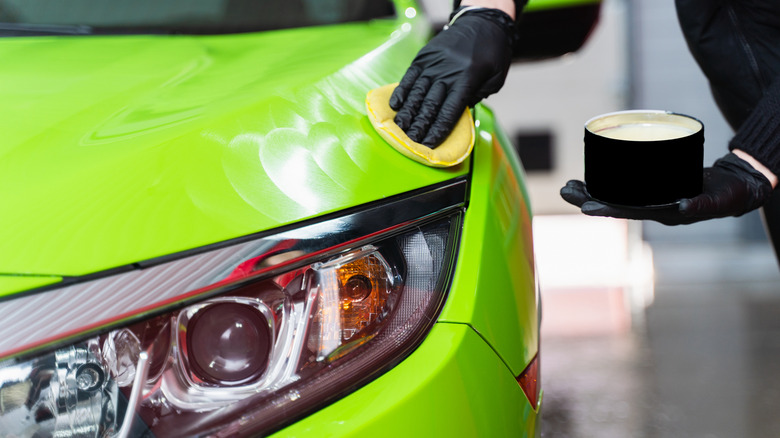
Given how glaze works on car paint, it should be part of a three or four-step detailing plan rather than a standalone treatment. At the very least, the paint should be washed, treated with a clay bar, and polished before applying glaze. The last step is a layer of wax or sealant to seal-in the shine and protect the glaze from fading. There are many types of glazes, and some offer some form of UV protection like wax. But at its core, glaze is like makeup that conceals skin imperfections and improves aesthetics, but it won’t remove the damage underneath, and most glazes require waxing as a final step.
Thankfully, glaze is usually easy to apply. After washing or priming the paint, pour a few drops of glaze on an applicator pad and gently wipe the car using an overlapping, circular motion. Allow the glaze to dry to a haze for 10 to 20 minutes before buffing the finish with a dense and plush microfiber towel. You can also glaze the paint using a DA polisher. The final step is to apply a thin layer of wax to protect the finish.
Waxing is essential when glazing. Yes, the paint will look marvelous after glazing, but that shine won’t last without waxing, and all the scratches and imperfections hiding underneath will eventually rear their ugly heads after a few washes and moderate sun exposure. It’s pretty similar to applying polish, since waxing is mandatory after polishing.
Ceramic coating has rendered glaze obsolete, kind of
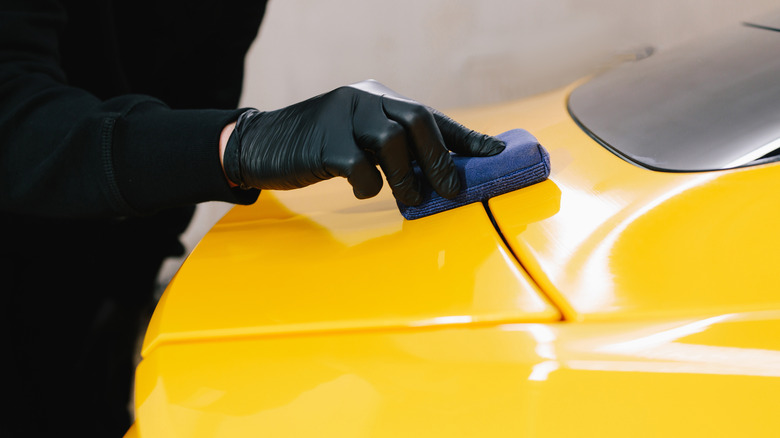
The problem with glaze is that it only produces temporary results that won’t last as long without periodic waxing. Ceramic coating leaves a tougher and glossier finish than waxing that can last up to 10 years, depending on the product. However, there are downsides to ceramics, too. They’re super expensive, for starters, and the finish needs exhaustive prep work (washing, claying, polishing, paint correction, etc.) before the ceramic coating touches the paint. Moreover, ceramic coatings do need maintenance and occasional re-applications.
However, there are instances when applying glaze could still work. Vehicles with thin paint that could react badly to abrasive polishes would cope nicely with a layer of glaze. Relatively new vehicles with original paint are good candidates for glazing, too, especially if you don’t like the fact that polish shaves off a layer of clear coat from the paint with every application. Lastly, glaze is great if you want the paint to look new with the least amount of effort, such as when entering car shows or returning a leased vehicle.

