
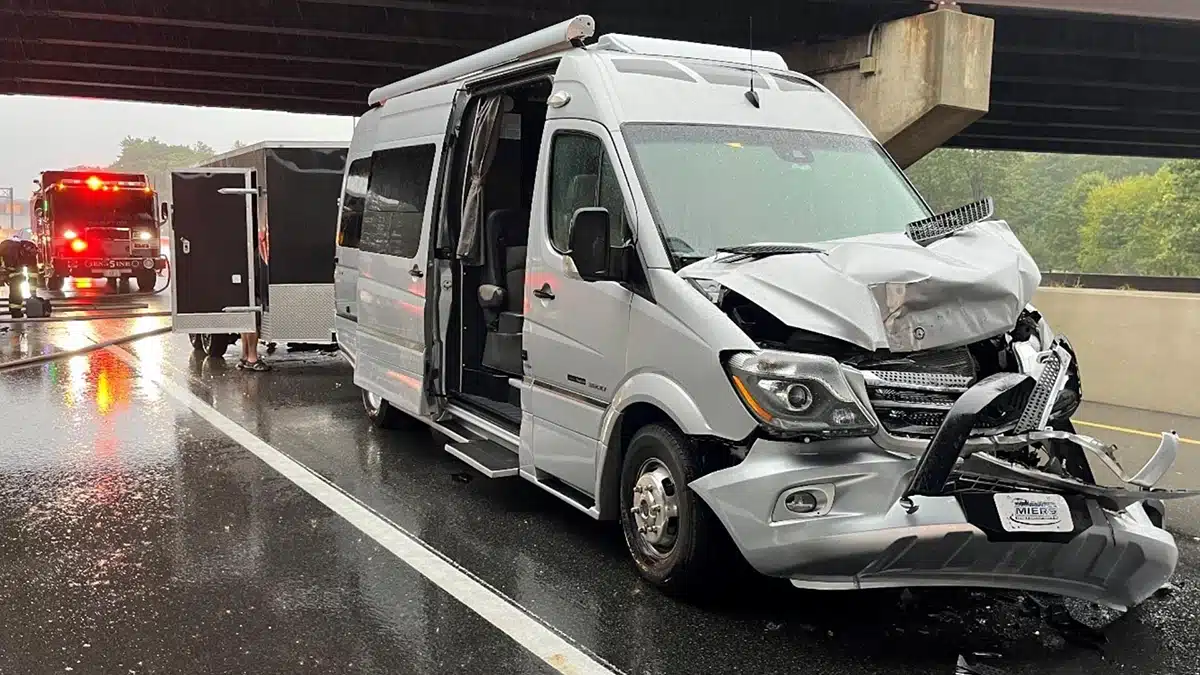
For many Americans, van life represents freedom. Thanks to remote work, Starlink internet, and a desire to escape rising housing costs, thousands of people are purchasing cargo vans and converting them into rolling homes.
It’s not unusual for a fully built camper van based on a Ford Transit, Ram ProMaster or Mercedes-Benz Sprinter to cost more than $150,000. Some high-end builds can easily exceed $200,000.
However, van conversion safety is a topic that rarely gets discussed.
Many buyers may not realize these vehicles started life as commercial work vans, not family SUVs. That’s one reason the Insurance Institute for Highway Safety (IIHS) recently announced it is beginning commercial vehicle safety testing, starting with driver protection evaluations.
The move raises an important question: How safe is your dream van-life build?
Why IIHS Is Suddenly Looking at Commercial Vans
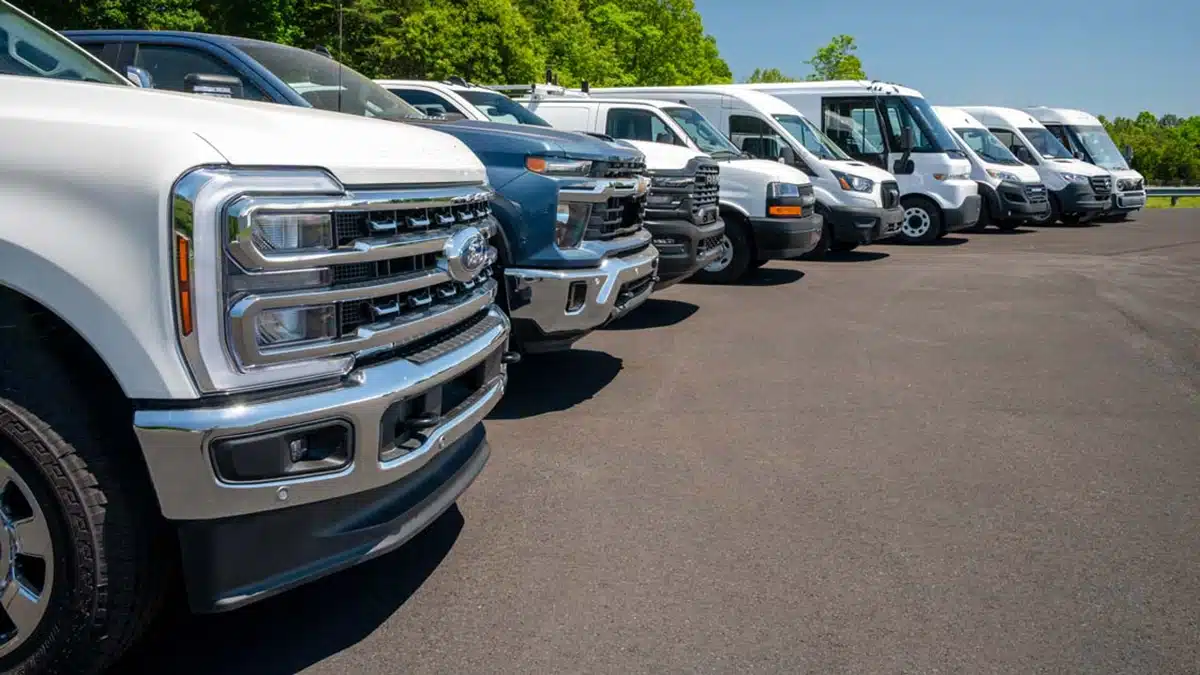
The IIHS recently announced it is expanding safety evaluations beyond traditional passenger vehicles and into commercial vehicles. The organization’s first round of testing will focus on driver protection and crashworthiness.
According to IIHS, commercial vans and work trucks have become increasingly common on American roads, yet they have not received the same level of independent safety scrutiny that many passenger vehicles undergo.
For van-life enthusiasts, that’s significant because many popular camper conversions begin with vehicles such as the Ford Transit, Mercedes-Benz Sprinter and Ram ProMaster.
These vehicles may look like RVs after a conversion, but underneath they remain commercial vehicles designed for a very different purpose than the average family SUV.
The Safety Rules Aren’t Always the Same
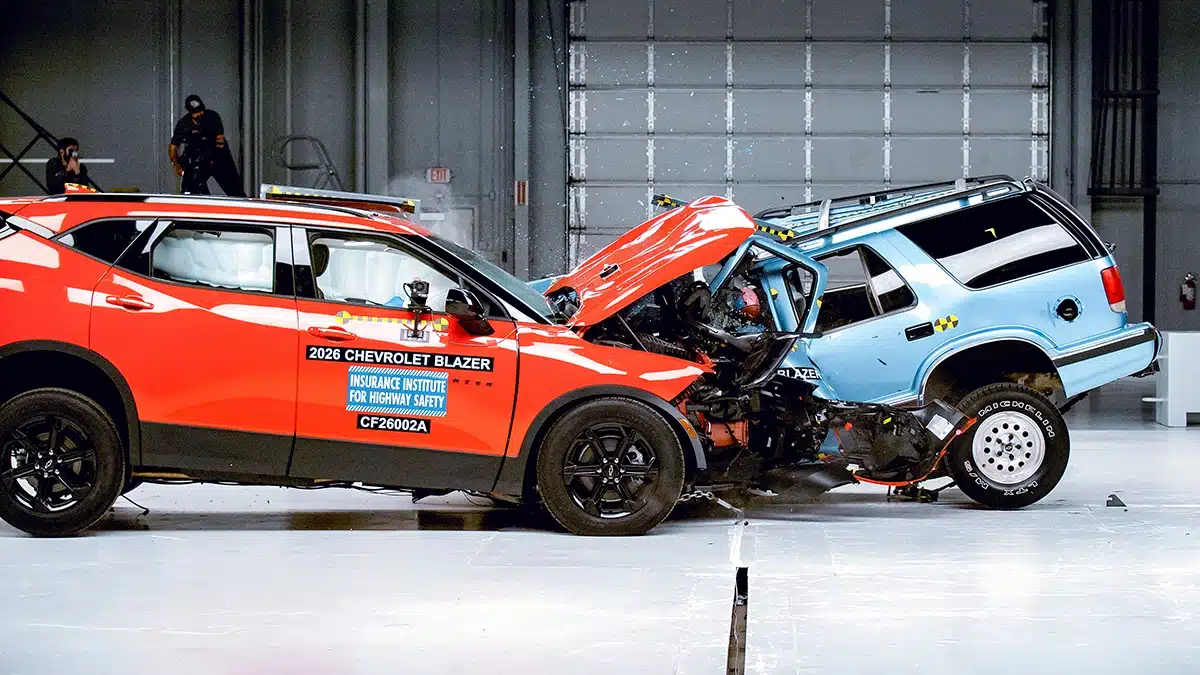
Most consumers assume every new vehicle sold in America is held to the same safety standards and subjected to the same level of crash testing.
That’s not necessarily true.
Historically, federal safety regulations have focused heavily on passenger vehicles. Commercial vehicles, particularly those with higher gross vehicle weight ratings, have often operated under different requirements.
That doesn’t mean commercial vans are unsafe. It does mean they haven’t always been evaluated in the same way consumers have come to expect from passenger cars, crossovers and SUVs.
Many van-life buyers likely don’t realize there’s a distinction at all. After all, the van they’re considering may have a touchscreen, adaptive cruise control and leather seats, making it feel no different than a modern SUV.
However, IIHS’s decision to begin testing these vehicles suggests there are still important questions worth answering.
Van Life Changed Who These Vehicles Are Built For
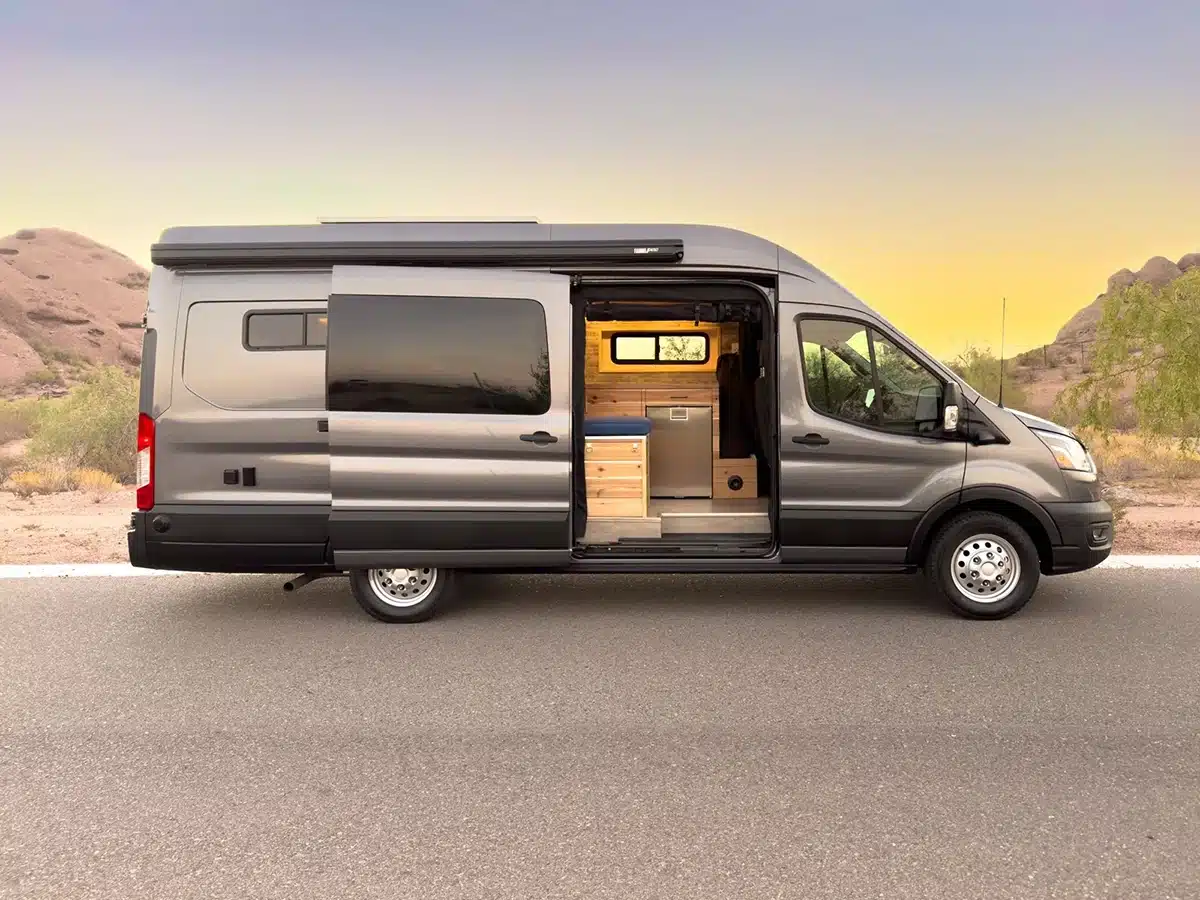
The modern van-life movement exploded during and after the COVID-19 pandemic.
Remote workers discovered they could do their jobs from almost anywhere. Starlink made reliable internet available in remote locations. Social media filled with images of people working from mountain overlooks, national parks and beachside campsites.
But the vehicles enabling that lifestyle weren’t originally designed for that purpose.
The Ford Transit, Ram ProMaster and Mercedes-Benz Sprinter were primarily developed for contractors, delivery fleets, plumbers, electricians and commercial businesses. Their mission was hauling cargo and equipment, not serving as full-time homes or mobile offices.
Today’s buyers are using them in ways their original designers may never have envisioned. Yet many consumers assume the safety standards are identical to the passenger vehicles parked next to them at the dealership.
Van Conversion Safety Goes Beyond the Vehicle Itself
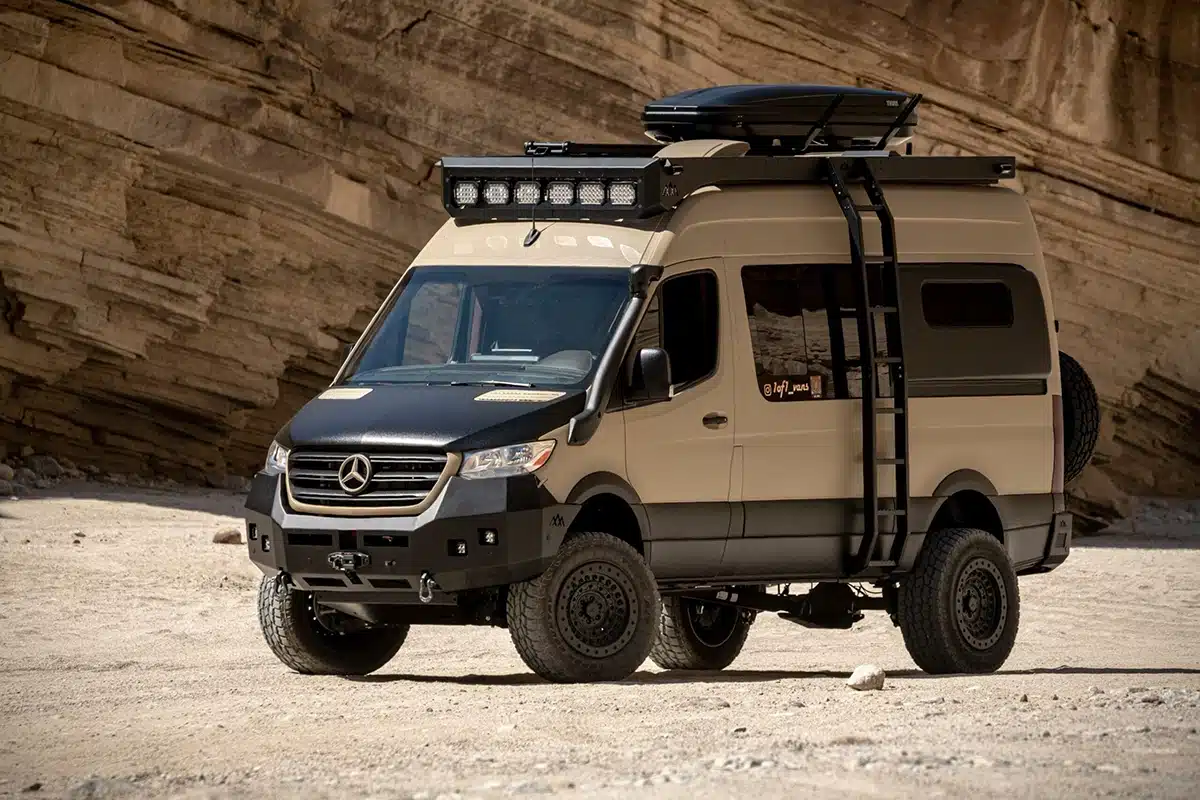
This may be the biggest issue that nobody in the van-life community wants to talk about.
Automakers test and certify the vehicle they build. They do not test every possible aftermarket camper conversion.
A typical van conversion can add cabinets, refrigerators, water tanks, solar equipment, lithium battery banks, beds, kitchen appliances and storage systems. In some cases, thousands of pounds of equipment are added behind the front seats.
While professional conversion companies often take safety seriously, consumers should ask a simple question: Has the completed vehicle actually been crash tested?
That’s where things become less clear.
In a severe collision, everything inside the van becomes subject to the laws of physics. Heavy batteries, water tanks, refrigerators and furniture systems can potentially become hazards if they aren’t properly secured.
Consumers often spend months researching solar panels, battery capacity, water storage and internet connectivity. Very few spend the same amount of time researching what happens to all that equipment in a serious crash.
The reality is that many van-life builds are essentially custom vehicles. While the base van may have been tested by the manufacturer, the final completed camper often bears little resemblance to the original cargo van that left the factory.
That makes van conversion safety about more than just airbags and crash ratings. It also involves understanding how the conversion itself could affect occupant protection.
Why This Matters Before You Buy
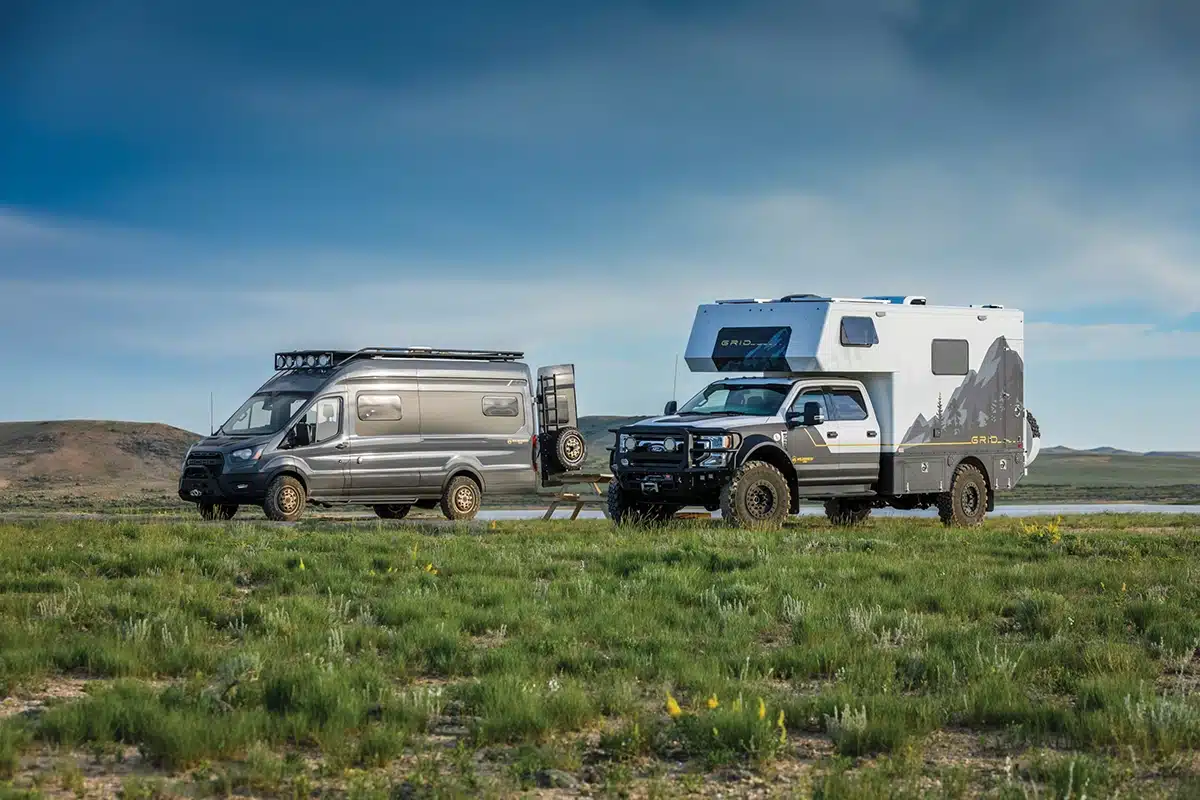
The goal isn’t to discourage van life.
For many people, the lifestyle offers incredible opportunities to travel, work remotely and experience parts of the country they might never otherwise visit.
Instead, the new IIHS testing should serve as a reminder that buyers need to understand exactly what they’re purchasing.
Before signing a six-figure check for a camper van conversion, prospective owners should ask important questions:
- What safety systems are included on the base van?
- Has this specific model been independently crash tested?
- What crash protection technologies are available?
- How are batteries, cabinets and water tanks secured?
- What happens in a rollover or frontal crash after the conversion is completed?
As IIHS begins evaluating commercial vehicles for the first time, van-life buyers may finally get answers to questions that have largely gone unasked during the movement’s rapid growth.
The dream of working remotely from a mountain overlook with Starlink internet and a custom camper van isn’t going away anytime soon. But before spending $150,000 or more on that dream, understanding van conversion safety may be just as important as choosing the right solar panels, battery bank or internet connection.
The post Van Conversion Safety: Why New IIHS Commercial Van Tests Matter Before You Spend $150,000 appeared first on Pickup Truck +SUV Talk.
