
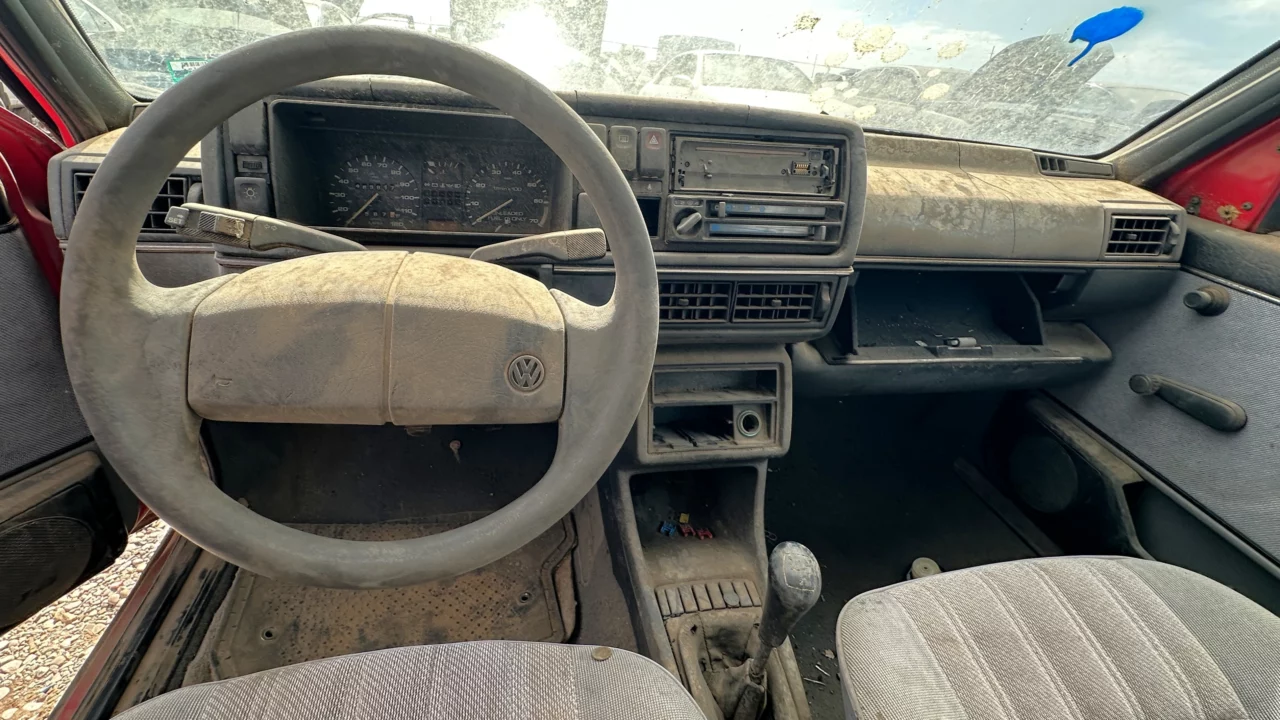
While poking around a salvage yard recently, I came across a red 1991 Volkswagen Jetta GL sedan. In addition to boxy design language, it had another period-correct feature: a detachable-face, single-DIN aftermarket radio.
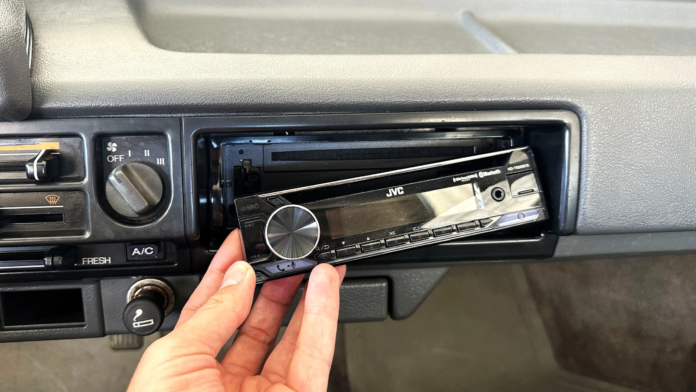
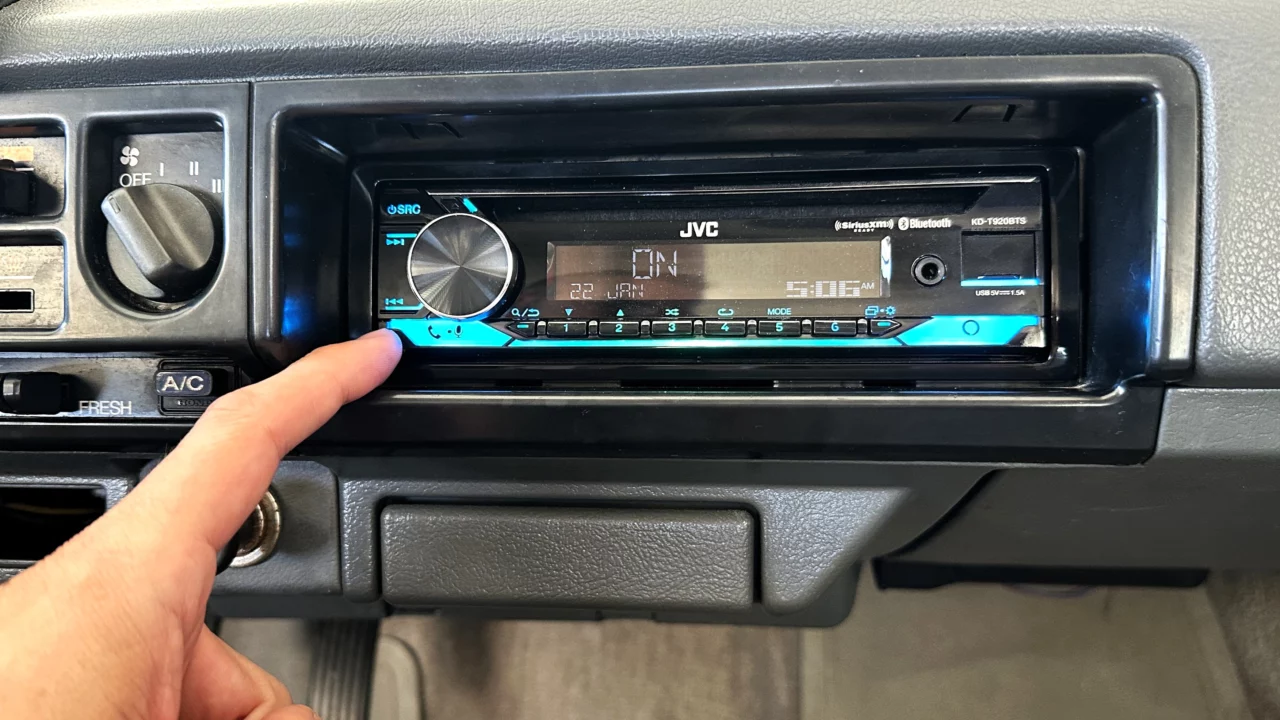
The scene took me back about 25 years. The 1989 Honda Prelude that I drove to high school in the late 1990s had a radio with a removable faceplate. You might be surprised to know that some manufacturers still make them. Below is an example of a newer JVC head unit.
Now you see it!
Now you don’t!
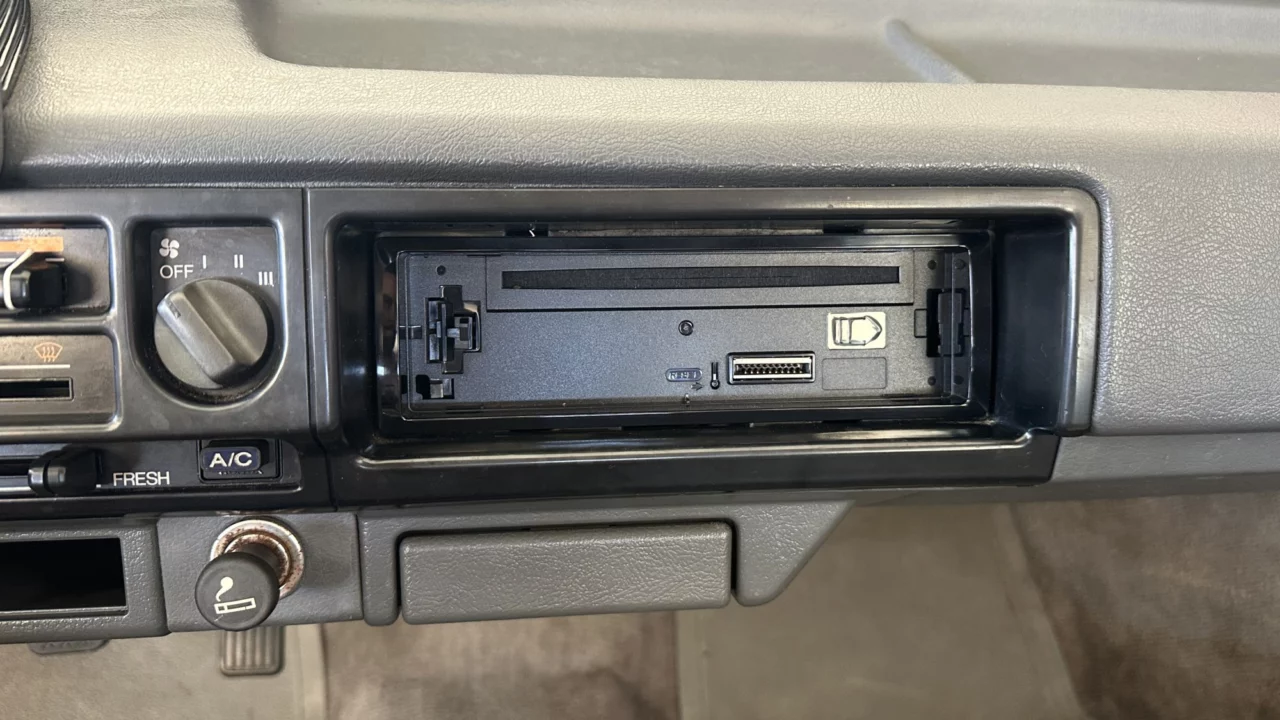
The idea behind the design was simple. The 1980s saw the rise of car stereo theft, especially as aftermarket audio systems became flashy and more expensive. Smash-and-grab thieves would often cause massive damage to vehicles in order to get access to the radio. Some manufacturers responded by engineering slide-out sleeves: The entire head unit could be pulled out with a handle, disconnected via its wiring, placed in a bag or case, and taken away.
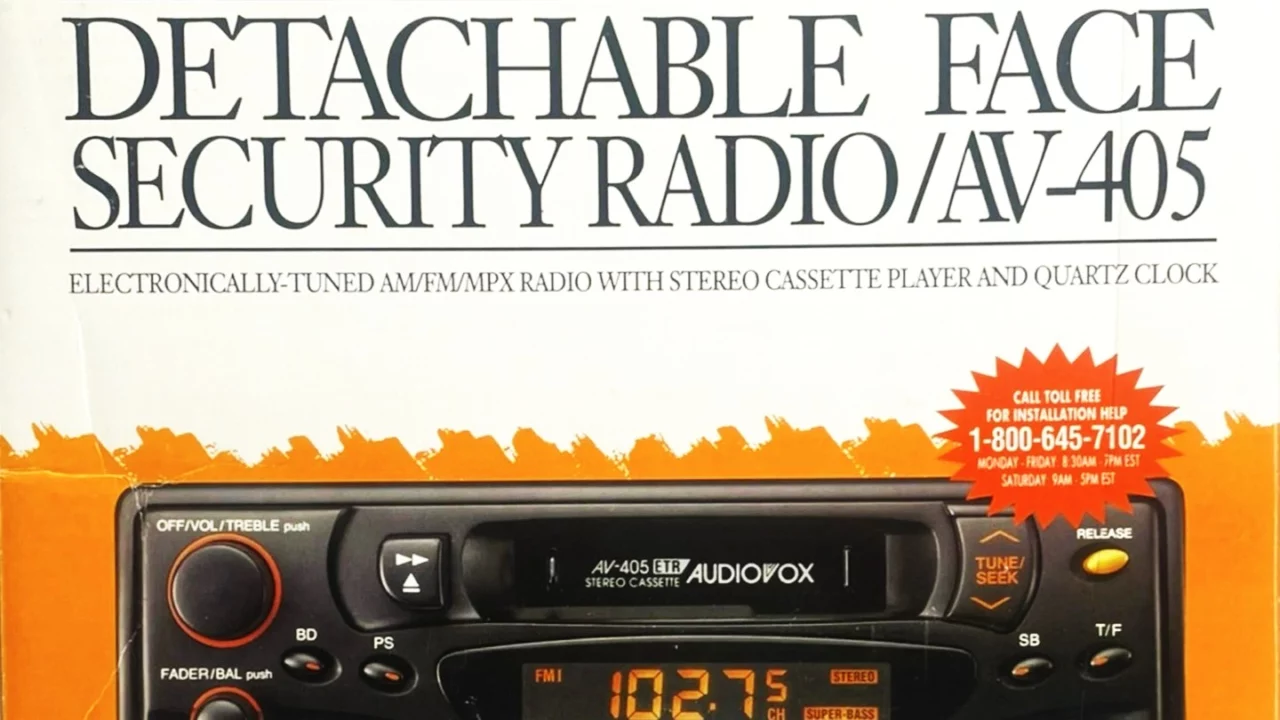
In 1989, Pioneer recognized the reality that some people didn’t want to lug around an entire head unit, so the company introduced a detachable faceplate. Other electronics companies, such as Audiovox (as seen above), followed suit.
Tucking a stereo faceplate into a pocket and carrying it into a store became a ritual of 1990s car culture. The remaining hardware left in the dashboard was rendered useless without the faceplate, thereby deterring would-be thieves. I even remember some faceplates that were motorized and would flip around or retract when the car was turned off, concealing the technology behind a plain plastic panel.
By the mid-2000s, cars were beginning to come with built-in infotainment, and audio systems were transitioning from single- or double-DIN layouts to fully integrated systems. Factory setups could not easily be installed in other vehicles, and the frequency of theft scaled back.
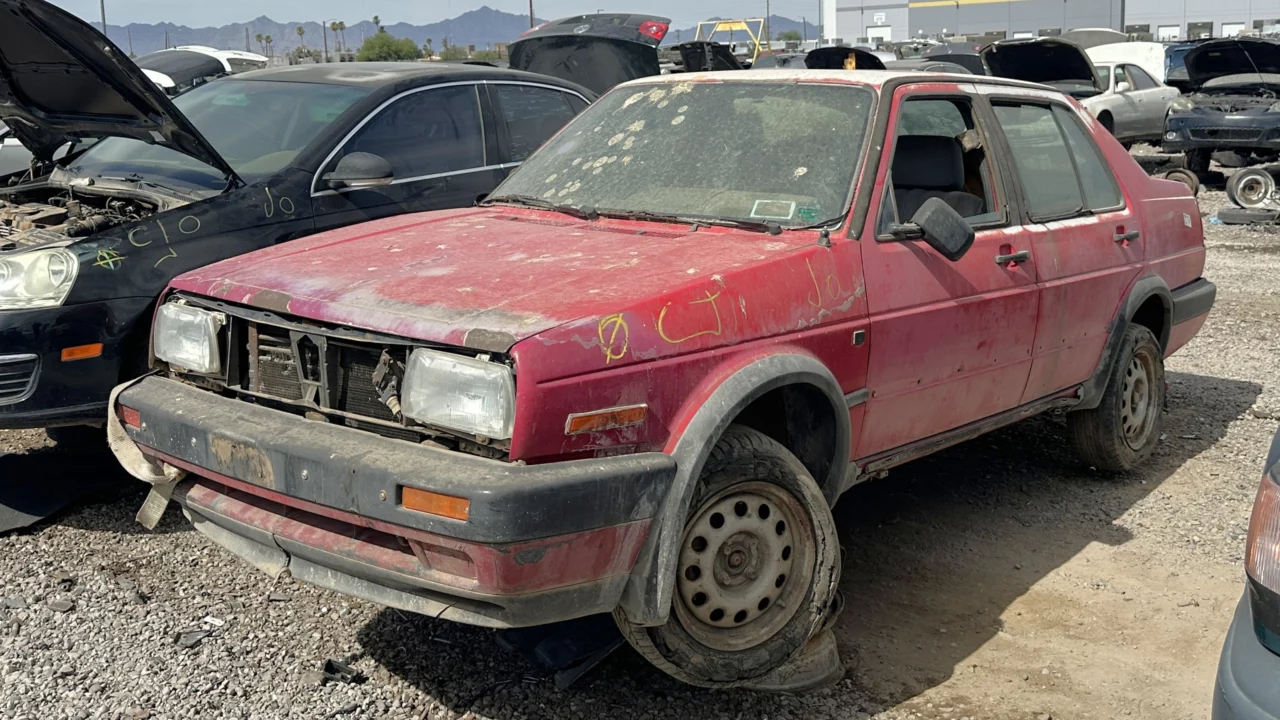
Hey, while we’re here, how about a little more on that Jetta? We might as well get a little more intel on the car that inspired the story. The second-generation (aka “A2”) Volkswagen Jetta compact sedan was sold from model years 1985-1992 in North America. It became known as a driver-focused, nimble-handling car — as well as a cult classic.
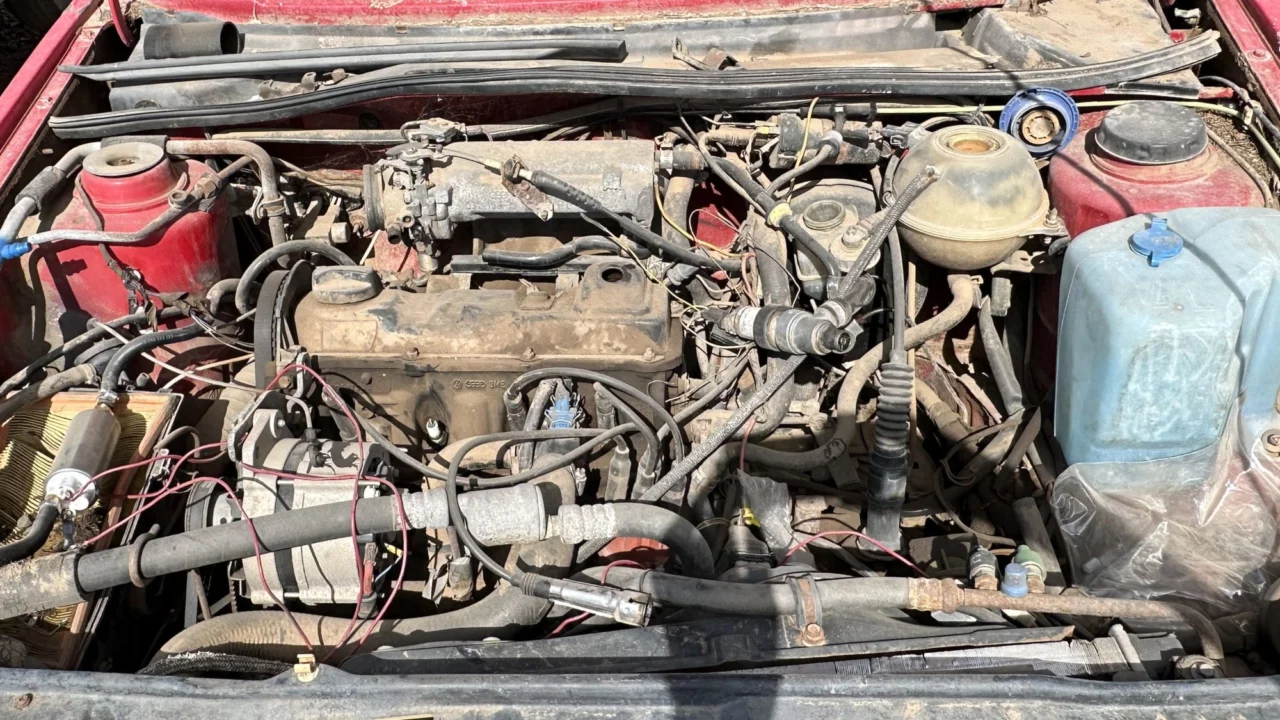
The GL was the Jetta’s mid-tier trim level, which came standard with bucket seats, power steering, power brakes, and a rear window defroster. Under the hood was a fuel-injected 1.8-liter inline-four gasoline engine (100 horsepower, 107 lb-ft of torque).
The Jetta shared much of its engineering DNA with the sporty Mk2 Golf, and as such, it was famous for delivering an engaging driving experience. In the 1991 full-line brochure, Volkswagen called the Jetta “An affordable road car that quickly takes command of the road.”
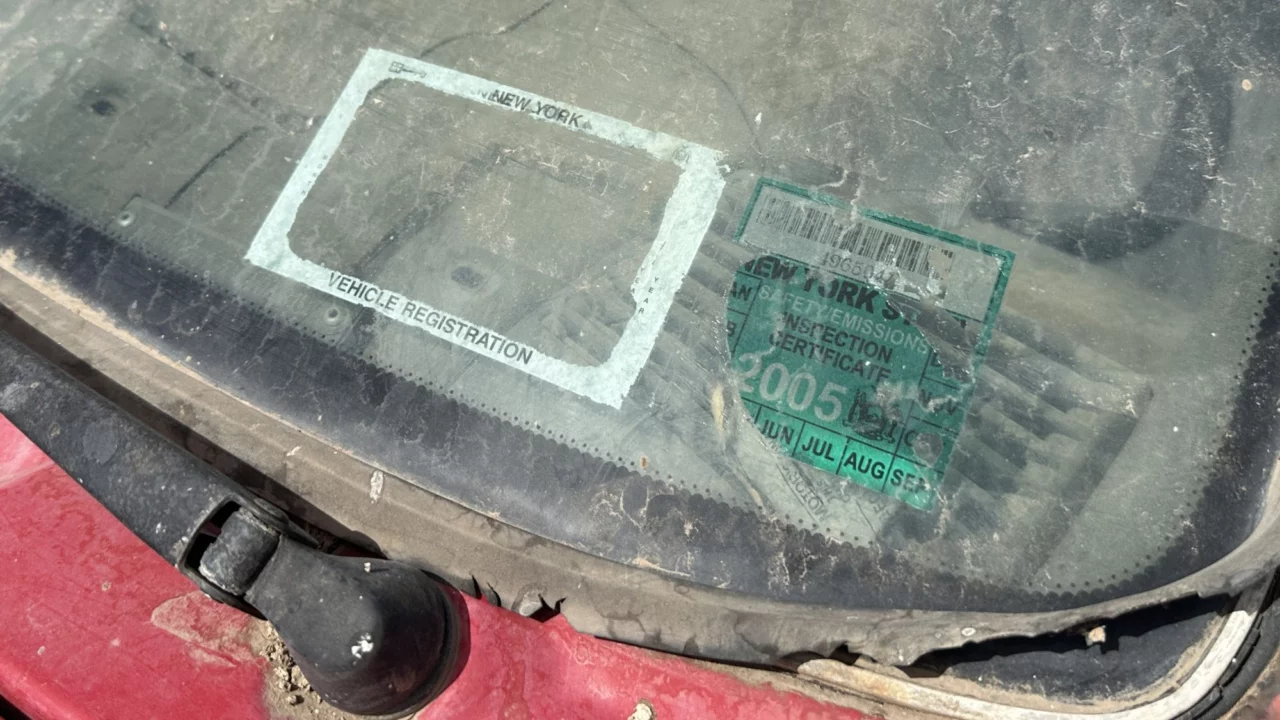
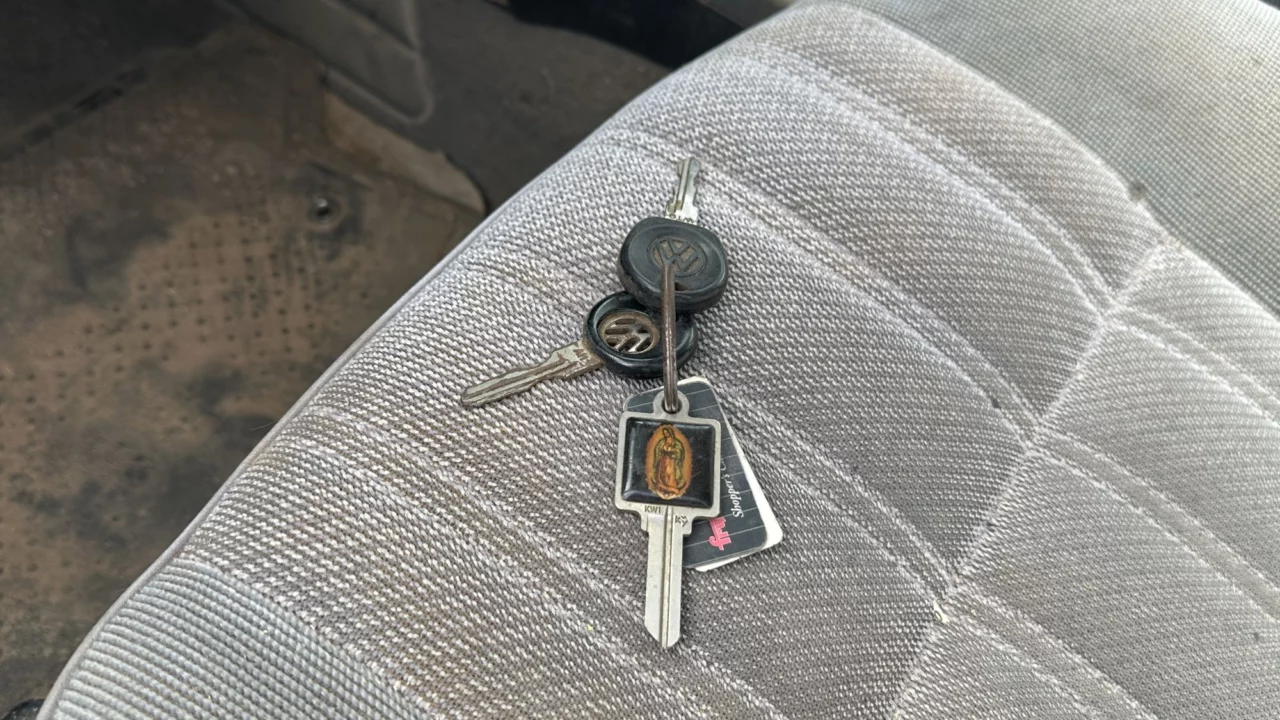
At some point in this Jetta’s life, it lived in New York State. A 2005 safety and emissions inspection certificate was still present in the windshield. The odometer showed 163,817 miles, and the keys were in it!
Now, we just need to know if the owners kept the radio faceplate as a souvenir when the car was junked!

