
Spend enough time reading the news and you’d be forgiven for thinking e-bikes are society’s newest menace. Every week seems to bring another headline about reckless teenagers weaving through traffic, riders flying down sidewalks, battery fires, or politicians introducing bills to crack down on electric bicycles.
Those stories are real, and coming up on two decades of covering the e-bike industry, I’ve written about many of those issues. But with that experience, including riding hundreds of e-bike models and countless thousands upon thousands of miles on electric bikes around the world, I can’t help but feel that we’ve lost sight of the bigger picture.
Because when you zoom out, the e-bike boom has been one of the most positive transportation developments we’ve seen in decades.
That’s not to excuse the bad behavior. Anyone who has watched kids blasting through crowded sidewalks at 25 mph (40 km/h) knows it’s a real problem. Low-quality batteries built without proper safety protections have caused devastating fires, even if the absolute numbers are small. Some riders treat bike paths like racetracks. We can’t pretend that those are imaginary issues, and trying to do so doesn’t help anyone.
Ultimately, the answer is better education, better enforcement, stronger battery standards, and safer infrastructure – not pretending everything is fine.
But those problems are only one side of the story.
The other side is much quieter, which is probably why it rarely makes the news.
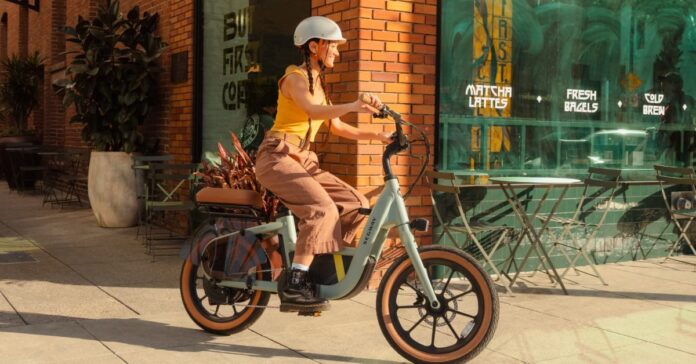
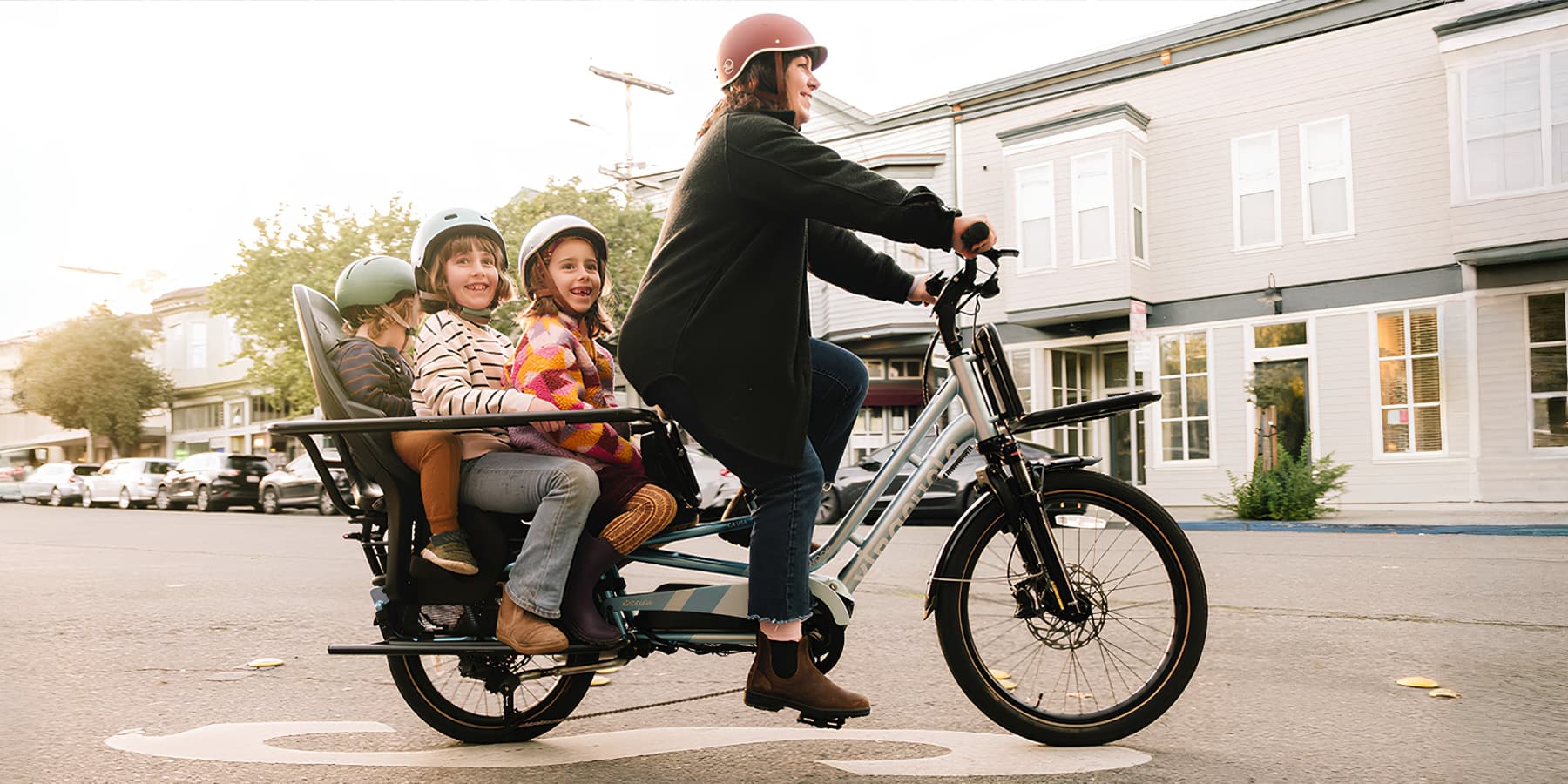
It’s the middle-aged commuter who quietly parked the car and now rides to work three days a week. It’s the retiree who thought their cycling days were over until an e-bike gave them enough assistance to start riding again. It’s the parent who now drops the kids off at school in a cargo bike instead of sitting in traffic every morning. It’s the college student who can afford a quality budget e-bike but never could have afforded a car. It’s the delivery worker earning a living without burning gasoline.
Those stories don’t generate headlines because they aren’t dramatic. Try as I may to cover those things, I know I’m basically donating my time by writing about a mom who replaced her car with an e-bike. But together, those cases represent millions of people whose lives have become healthier, cheaper, and often happier because of e-bikes.
Once we get past the fist-shaking argument of “those darn kids on their e-bikes”, one of the next most common refrains I hear as a jab against e-bikes is that they “aren’t real exercise.”
But the science says otherwise.
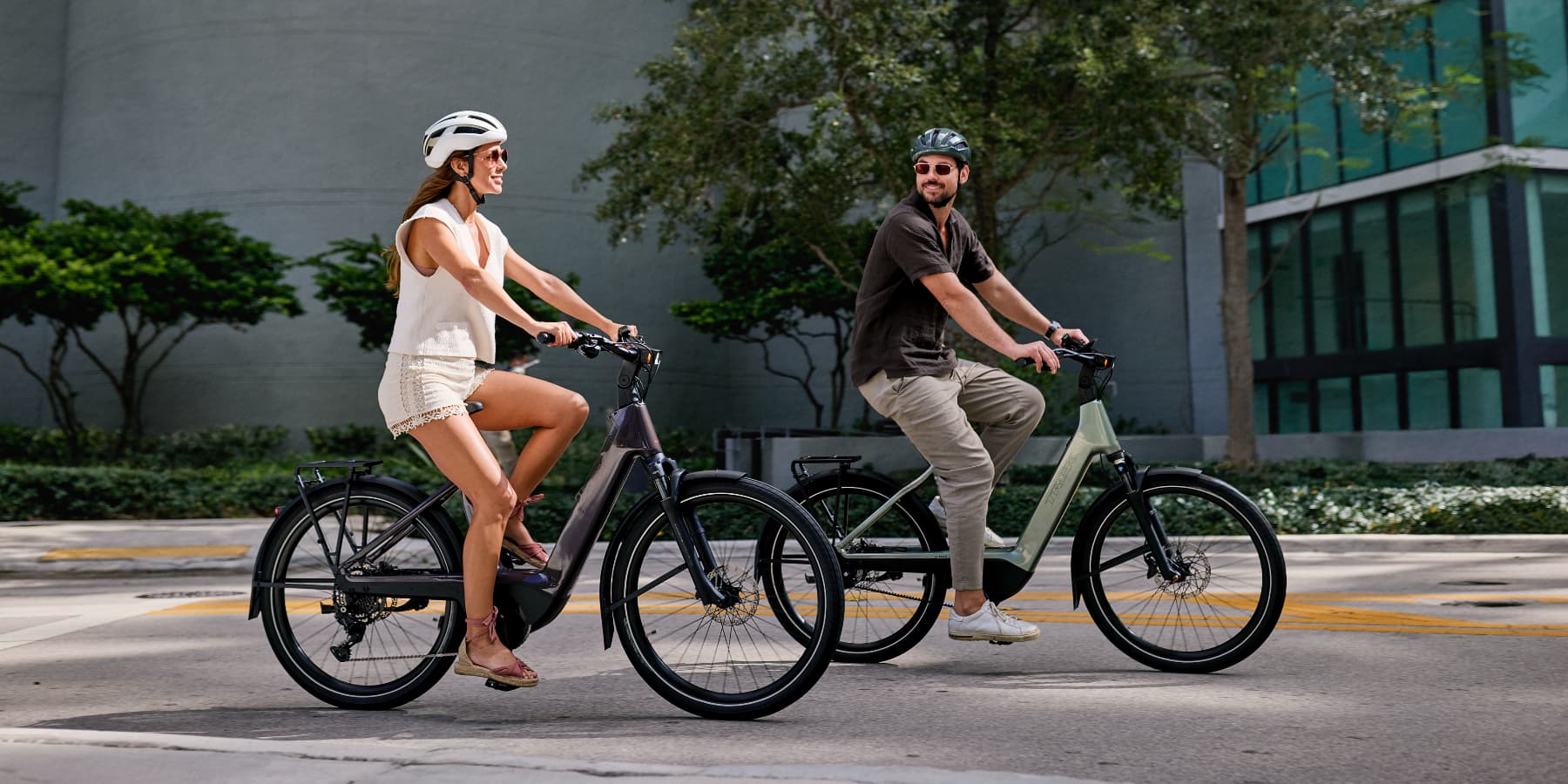
Study after study has shown that e-bike riders receive meaningful cardiovascular exercise, often because they ride farther, more frequently, and more consistently than they would on a traditional bicycle. Sure, the motor helps. That’s the whole point. It removes just enough of the barriers – hills, distance, fitness level, age, or physical limitations – to get people moving.
I’d much rather see someone riding an e-bike than sitting behind the wheel of a car. And between those two options, only one burns calories.
Then there’s the environmental side.
Every trip replaced by an e-bike instead of a car means less congestion, less air pollution, lower emissions, reduced parking demand, and quieter streets. One person switching even a portion of their weekly car trips to an e-bike creates benefits that extend far beyond that individual rider.
Those benefits aren’t always easy to notice because they’re measured in traffic that never forms, emissions that never enter the atmosphere, and gas that never gets burned.
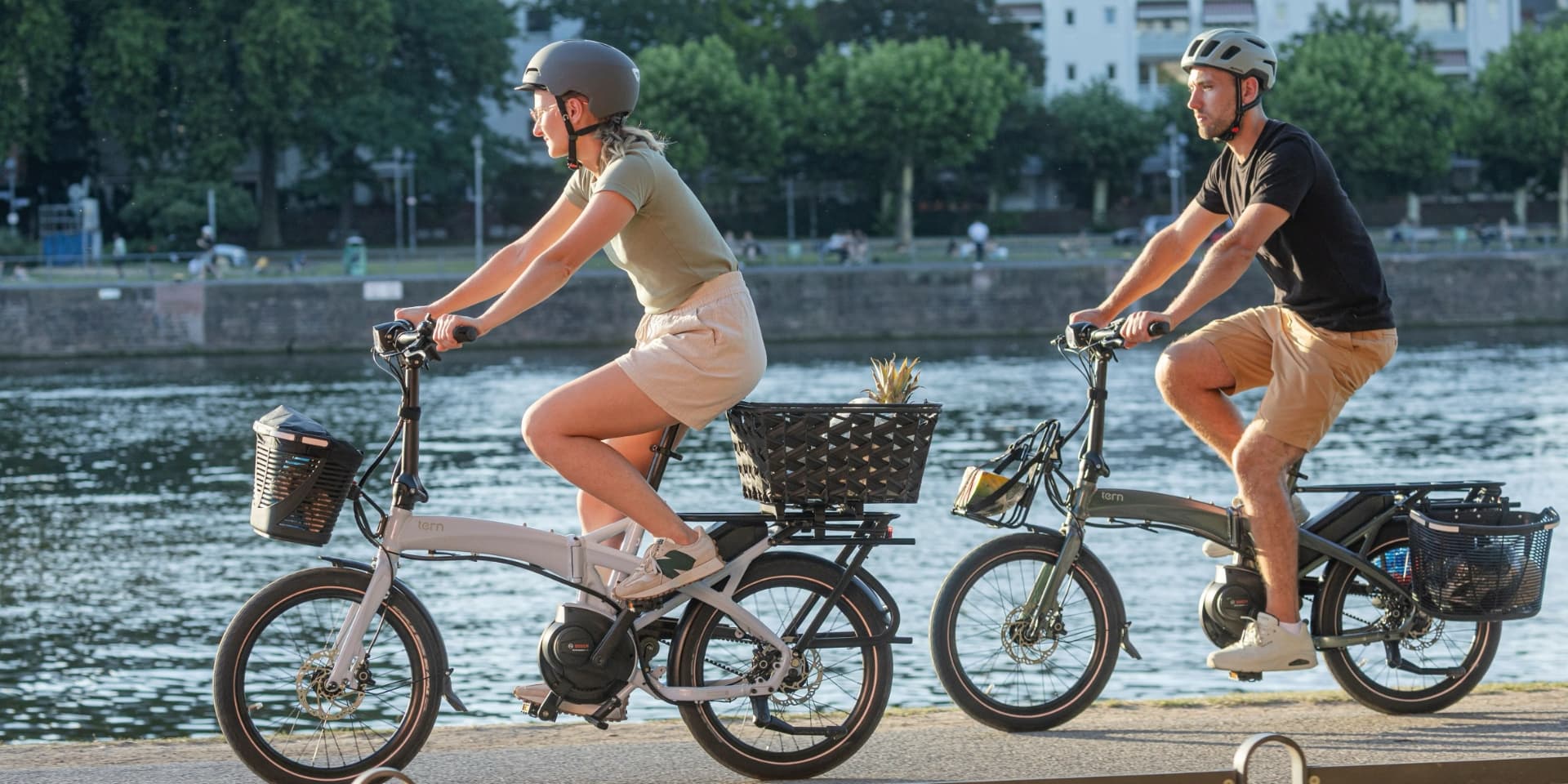
One aspect that I think deserves more attention is what e-bikes have done for younger people.
Yes, some teenagers ride irresponsibly. Some absolutely need to slow down, follow the rules, and remember they’re sharing public spaces with everyone else.
But I also see something else.
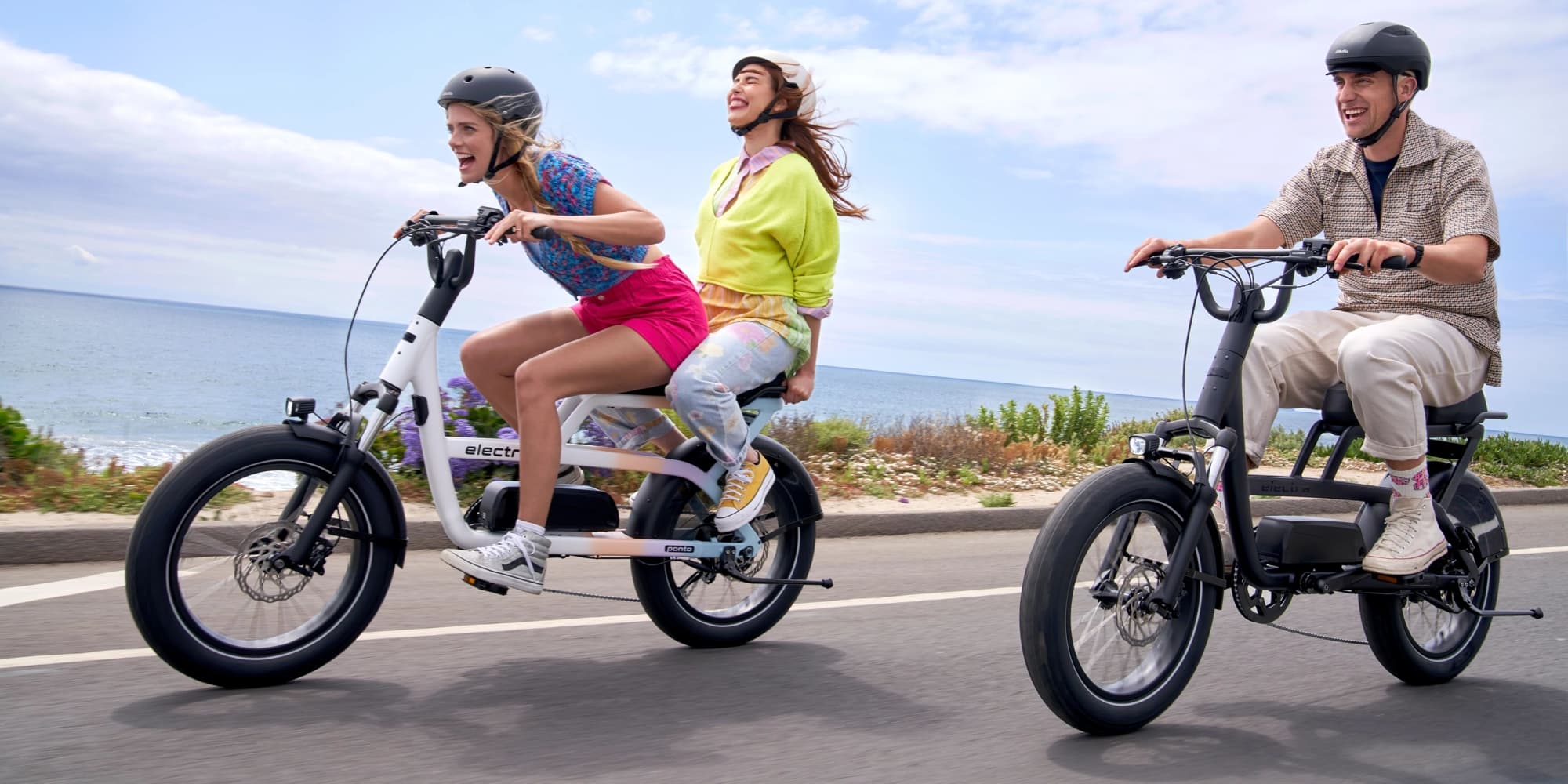
I see groups of teenagers riding together to the beach instead of staying inside on their phones all afternoon. I see high school students biking to part-time jobs. I see friends meeting up at parks, restaurants, and sports fields without needing parents to drive them everywhere.
Previous generations that came before me often had that kind of freedom on regular bicycles. Kids were out on their Schwinn Stingray until the dinner bell rang. But today’s kids face longer distances, busier roads, and communities built around cars. Now, e-bikes are giving many of them that independence back.
That seems like a trade worth protecting.
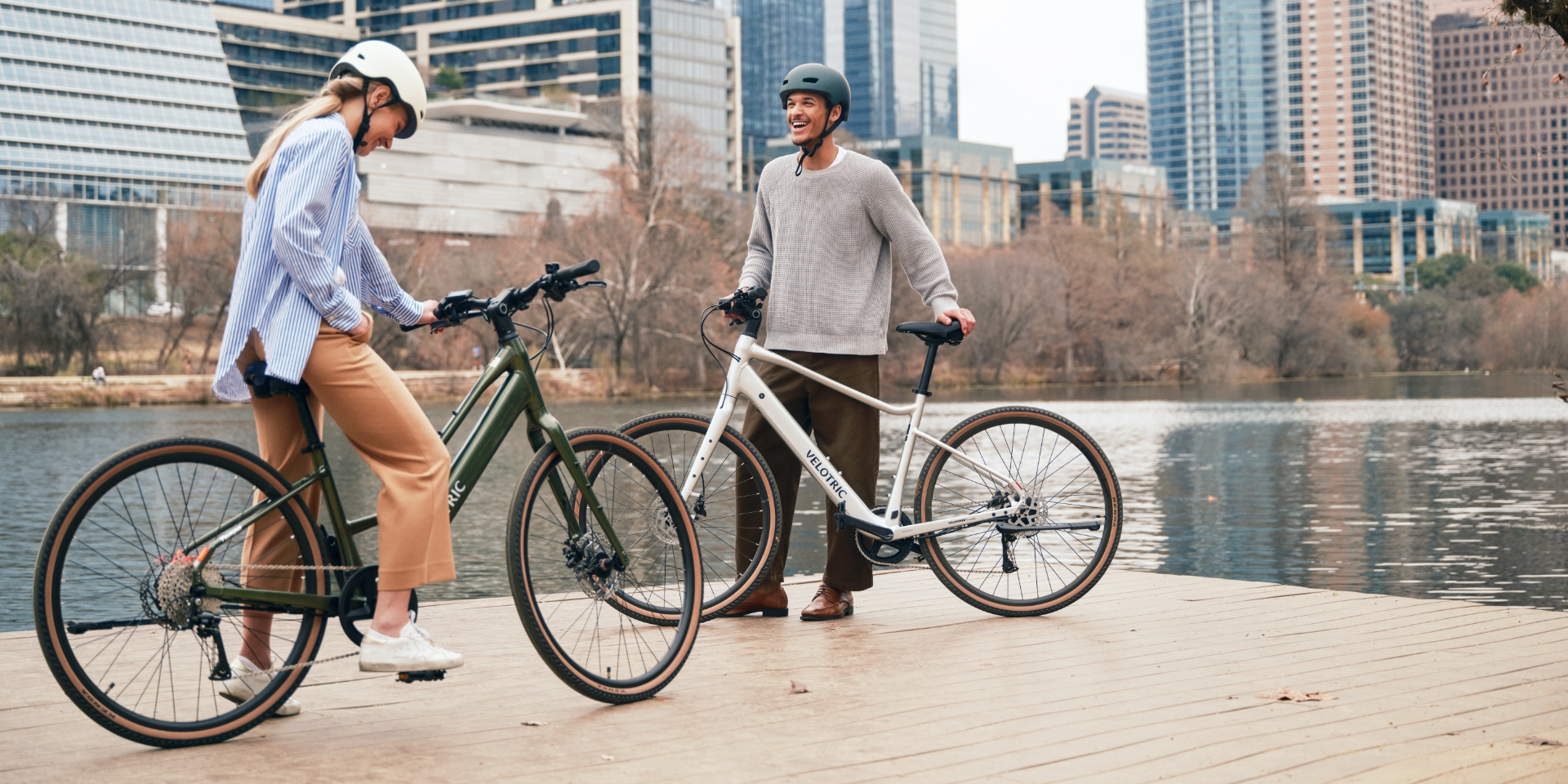
None of this means e-bikes should be free from regulation. Just like cars, motorcycles, and even conventional bicycles, they need sensible rules. Dangerous riders should absolutely face consequences. Manufacturers should be held to high safety standards, particularly when it comes to batteries. Cities should continue investing in protected bike infrastructure that separates cyclists from pedestrians whenever possible. And perhaps most importantly, we need to educate kids about safe riding, perhaps integrating it into schooling as e-bikes become more popular.
But let’s be careful not to judge an entire mode of transportation by its worst examples.
We don’t define automobiles solely by drunk drivers, road rage, or speeding. We recognize that cars create enormous value while also requiring rules, enforcement, and continual improvements in safety.
E-bikes deserve that same perspective.
Because for every viral video of someone doing wheelies through traffic, there are thousands of people quietly riding to work, visiting friends, improving their health, saving money, replacing car trips, and simply enjoying being outside.
Those riders rarely make the evening news. But they’re the real story of the e-bike revolution. And that’s what we need to protect, the quiet majority that proves every day how important e-bikes are to reshaping our communities for the better.


FTC: We use income earning auto affiliate links. More.

