
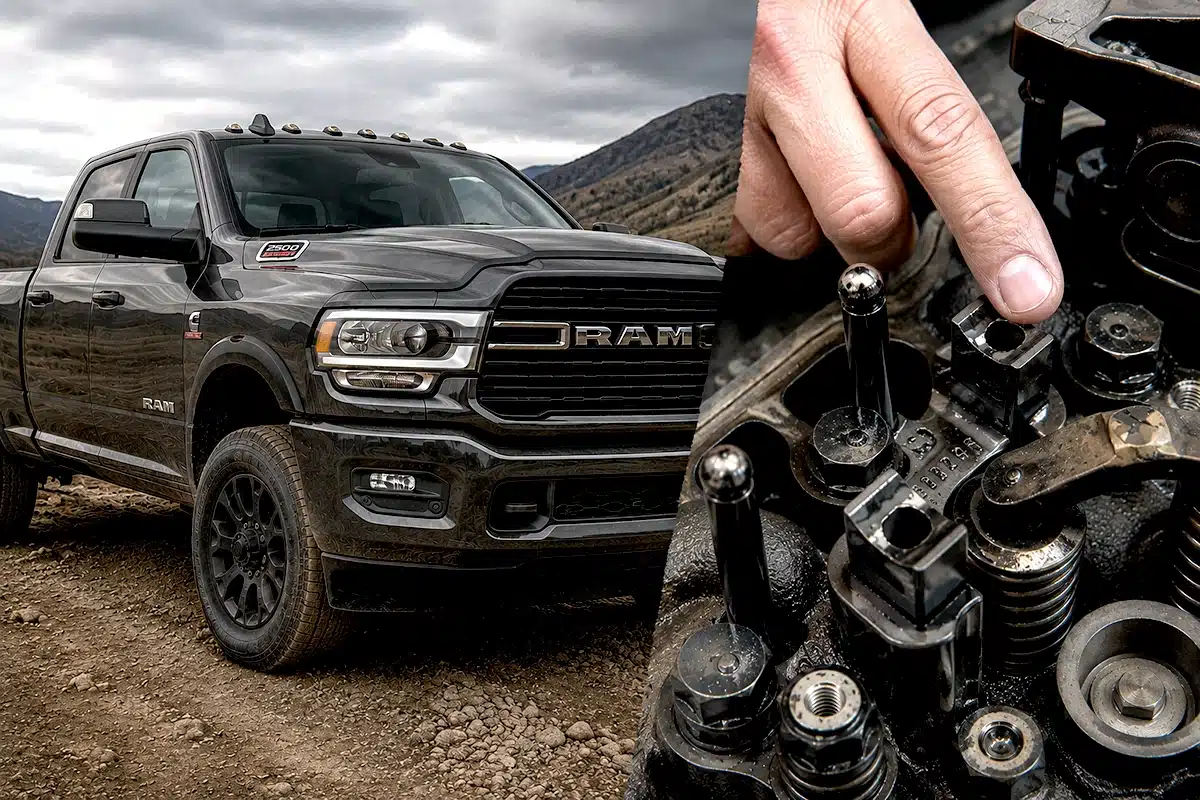
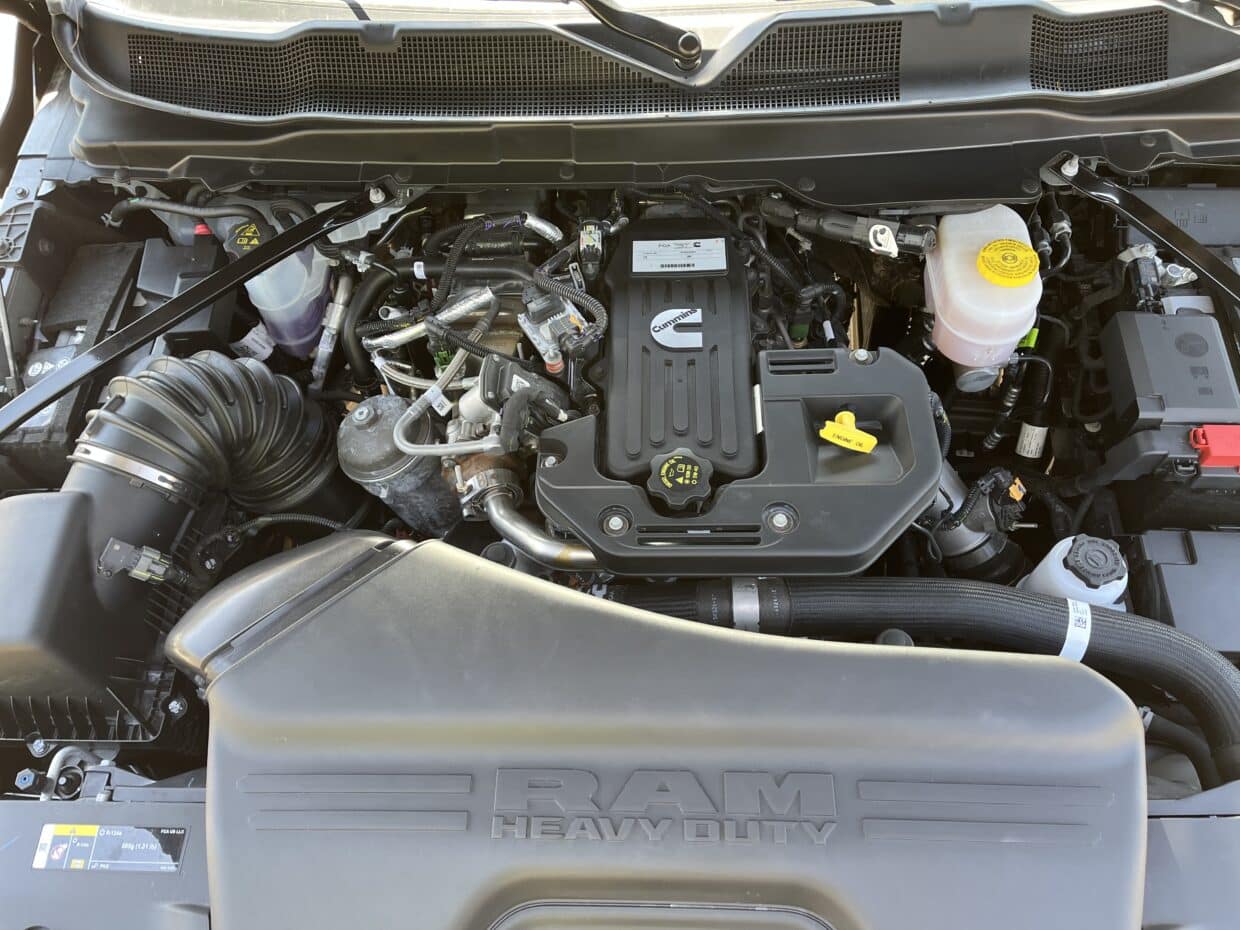
The teardown of three failed fifth-generation Cummins 6.7-liter diesel engines–which are found exclusively in Ram 2500, 3500, 4500, and 5500 trucks–found the same issues in all three. Cummins changed the valvetrain in the 6.7’s fifth generation design in order to eliminate a necessary 150,000-mile maintenance interval. In doing so, says Dave Bell of Dave’s Auto Center in Centerville, Utah, Cummins may have introduced a fatal reliability flaw into the 6.7.
Is Your Truck Affected?
This affects all Ram heavy-duty trucks with the fifth-generation Cummins 6.7-liter turbodiesel engine. Model years 2019 to 2026 Ram 2500, Ram 3500, Ram 4500, and Ram 5500 trucks with the Cummins 6.7L option are included. If you own one of these trucks, this likely applies to you.
While each engine came to the shop for different reasons and had lived a different life, all three revealed a common pattern. One suffered from severe fuel-system-related piston damage. Another showed classic valvetrain wear. The third had experienced catastrophic neglect and multiple internal failures. What stood out most wasn’t the individual failures, however. It was the fact that every engine pointed back to the same fundamental weakness in the fifth-generation Cummins design.
It’s worth noting that none of the current recalls for this engine address this issue. Nor were the three engines that were torn down in this video given assigned mileage or use-case information. So we do not have much history to work from with these examples. But Dave’s premise of high wear in the valvetrain remains valid.
The Bigger Problem: Fifth-Generation Valvetrain Design
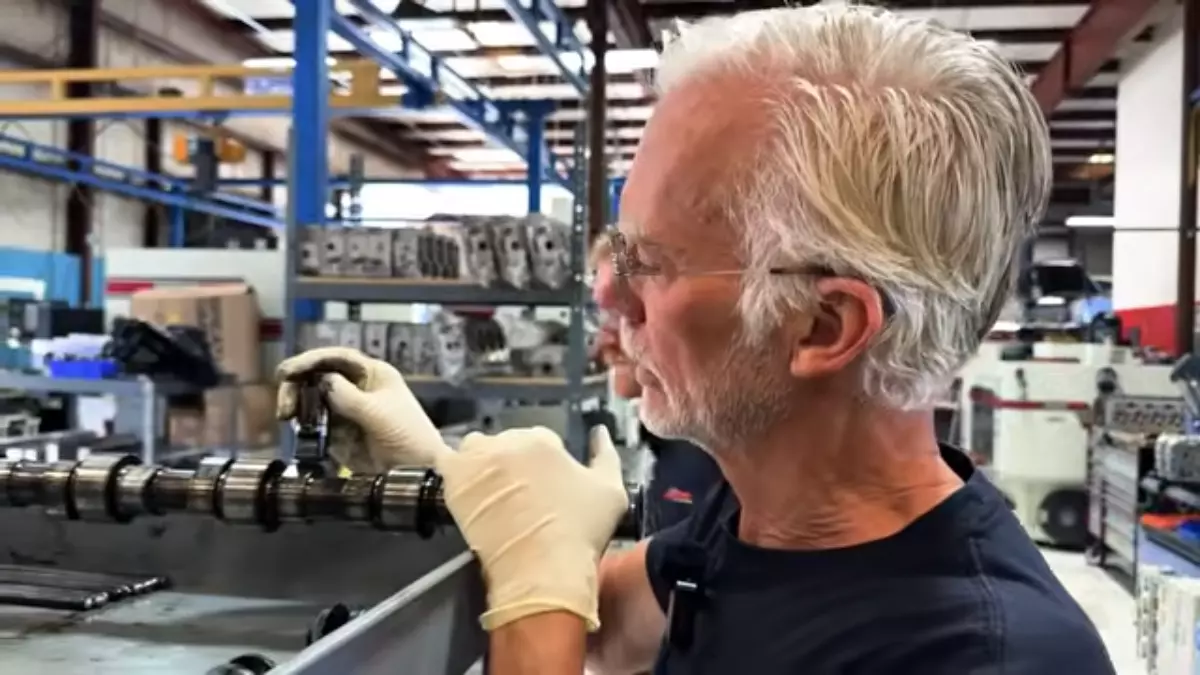
While the melted pistons at the beginning of the video made for dramatic visual evidence, the most significant finding wasn’t in the combustion chambers. It was in the valvetrain. Across all three engines, the same wear patterns appeared repeatedly.
The fifth-generation Cummins uses roller lifters designed to follow the contours of the camshaft lobes. In theory, the roller should remain perfectly aligned as it rides on the camshaft. In practice, excessive clearance within the lifter bores allows the lifters to rock slightly during operation. That movement creates a condition known as fretting wear.
Instead of rolling smoothly across the camshaft lobe, the lifter experiences microscopic movement and vibration. Over time, this causes wear on both the roller assembly and the camshaft itself. The result is accelerated degradation of critical valvetrain components that should otherwise last much longer.
The problems don’t stop with the lifters.
The rocker arm assembly and push rods also show consistent signs of premature wear. One of the biggest issues appears to be the push rod design used in the fifth-generation engine. Unlike earlier Cummins designs, the current setup allows oil to drain away from critical contact surfaces while the engine isn’t running. Such as when sitting overnight. When the truck is started the next morning, those components may experience a brief period of metal-to-metal contact before oil pressure fully builds and lubrication returns.
Repeated thousands of times over the life of the engine, these dry starts take their toll. Many of the push rod ends inspected during teardown showed significant wear that wouldn’t normally be expected on a properly lubricated valvetrain.
Engine Number One: Melting Pistons From Excessive Fuel
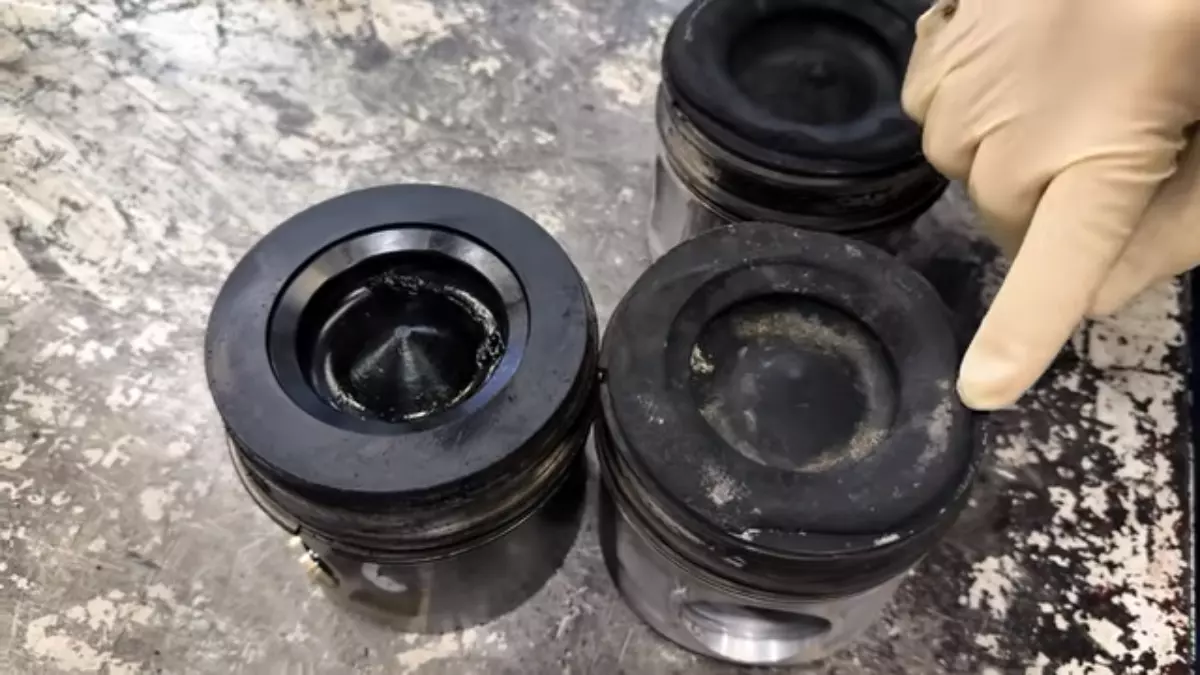
The first engine immediately revealed a dramatic failure. Two pistons showed obvious signs of melting. The damage wasn’t subtle. Portions of the piston crown had literally disappeared, with molten aluminum appearing to spray-weld itself away from the piston surface. The extreme temperatures had burned away material surrounding the steel top-ring insert, leaving the steel exposed. Surprisingly, the piston rings themselves had not seized in their grooves despite the intense heat.
Gasoline engines use air flow to modulate power. Diesel engines, however, operate on very high air flow with power output controlled primarily by fuel delivery. This is why, in a diesel engine, when something goes wrong in the fuel system (such as an injector sticking open, as probably happened here), the engine receives far more fuel than intended. Instead of producing additional power efficiently, combustion temperatures skyrocket.
In severe cases, the excess fuel can create conditions approaching a runaway diesel situation. Exhaust gas temperatures soar, piston crowns become overheated, and aluminum components begin to soften and melt. The pistons in this engine essentially became victims of uncontrolled heat generated by a fuel system malfunction. The easy fix in most modern diesels is to add a pyrometer next to the exhaust manifold to detect these issues early.
Two things in the valvetrain may have been contributors to the near-runaway situation that happened with this first engine. These are also found on the other two engines during teardown, though failures in those were not excessive fuel or heat. Each showed the same valvetrain wear patterns.
Engine Number Two: Another Valvetrain Casualty
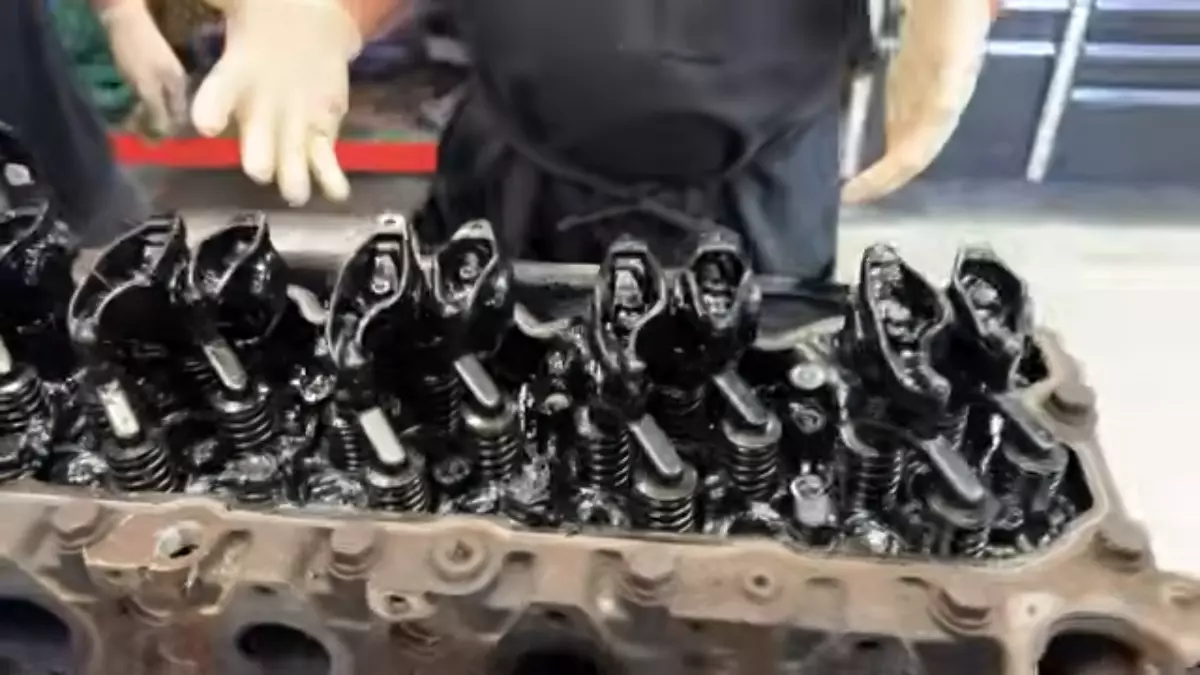
Unlike the first engine, there was no evidence of piston damage or excessive combustion temperatures on the second 6.7. Cylinder walls looked healthy. Pistons appeared serviceable. The camshaft lobes were largely intact. Yet the rocker arm assembly was heavily worn and possibly nearing failure.
This engine essentially confirmed that the valvetrain issue can occur independently of any fuel system problems. Even when the bottom end and combustion components remain healthy, the valvetrain can become the engine’s weak link.
Had this engine not had this valvetrain flaw, it likely could have continued operating without major internal repairs for some time.
Engine Number Three: What Happens When Maintenance Is Ignored
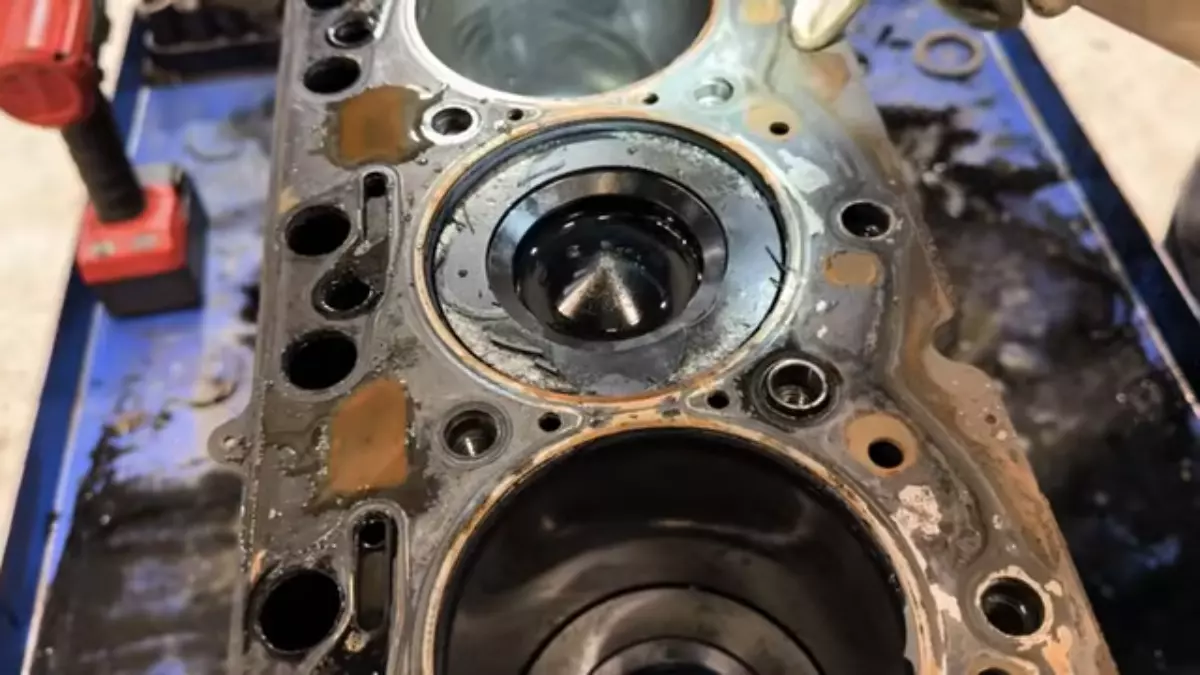
The third engine represented a worst-case scenario. This truck had clearly lived a hard life and received little attention along the way. The teardown revealed severe sludge accumulation, contamination throughout the engine, piston-to-valve contact damage, a seized rod bearing, and significant internal wear.
At some point, the rod bearing failure allowed enough movement within the rotating assembly that the piston ultimately made contact with the cylinder head. By that stage, catastrophic damage was unavoidable. While this engine certainly suffered from the same valvetrain concerns observed in the others, neglect accelerated every failure mode present.
It’s a reminder that even the strongest diesel engines cannot survive indefinitely without proper maintenance.
So What Changed From Previous Cummins Generations?
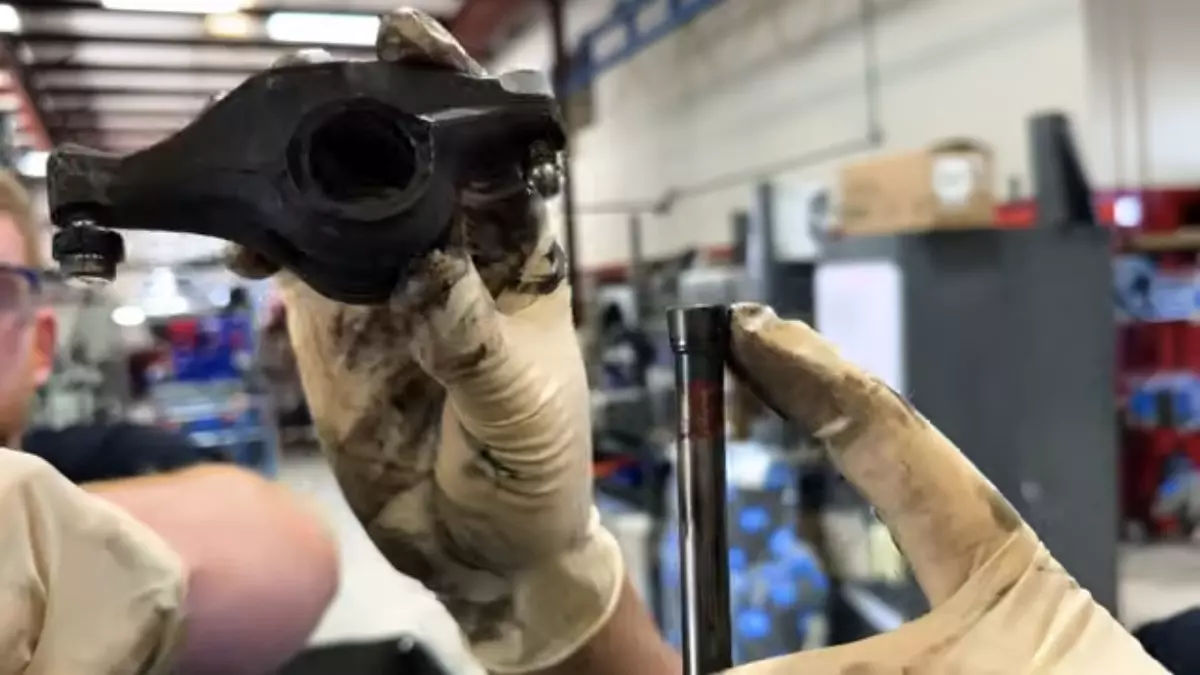
Obviously, this issue wasn’t common on earlier Cummins engines. From the first through the fourth generations, Cummins engines utilized an adjustable valvetrain design that required periodic maintenance. While owners had to occasionally adjust valve lash, the overall system proved extremely durable. The earlier push rod design included cups in the top where it met the rockers, which retained oil more effectively, which in turn helped prevent dry starts. Reducing wear on critical components.
The fifth-generation redesign eliminated the need for routine valve adjustments, which looked like a convenience upgrade on paper. Unfortunately, it appears that some long-term durability may have been sacrificed in the process. In other words, the maintenance item disappeared, but a reliability concern took its place.
Another change was to the rollers. Cummins changed to a directional, hydraulic roller lifter design with rollers that may have too much slop in their placement. This introduces the potential for added wear to those lifters and their associated cam shafts.
These two changes add what appears to be a lot of extra wear. That wear will likely introduce problems to both the components themselves and to other parts of the engine as they drop metal shavings (swarf) into the oil.
How Owners Can Prevent This Fatal Flaw From Killing Their Engine
None of the failures uncovered during these teardowns was inevitable. The melted-piston engine would have run much longer had a pyrometer been installed. Abnormally high exhaust gas temperature (EGT) readings often provide an early warning that something is wrong with the fuel system. For owners who tow heavy loads or run performance tuning, EGT monitoring becomes even more valuable.
The badly-maintained engine would have lasted much longer with steady maintenance.
The most effective long-term solution for the fifth-generation Cummins valvetrain issues is converting the valvetrain back to a flat tappet camshaft system with the previous-generation’s rod design.
A properly engineered flat tappet conversion replaces several of the components responsible for the observed wear patterns. This would essentially return the engine to a design philosophy that worked successfully for decades in previous Cummins applications.
Unfortunately, the upgrade isn’t simple. Accessing the necessary components generally requires major disassembly, often including cab removal on modern Ram trucks. The labor involved makes the conversion expensive, but many owners might view it as cheap insurance compared to the cost of a complete engine replacement.
What Dave Taught Us Here
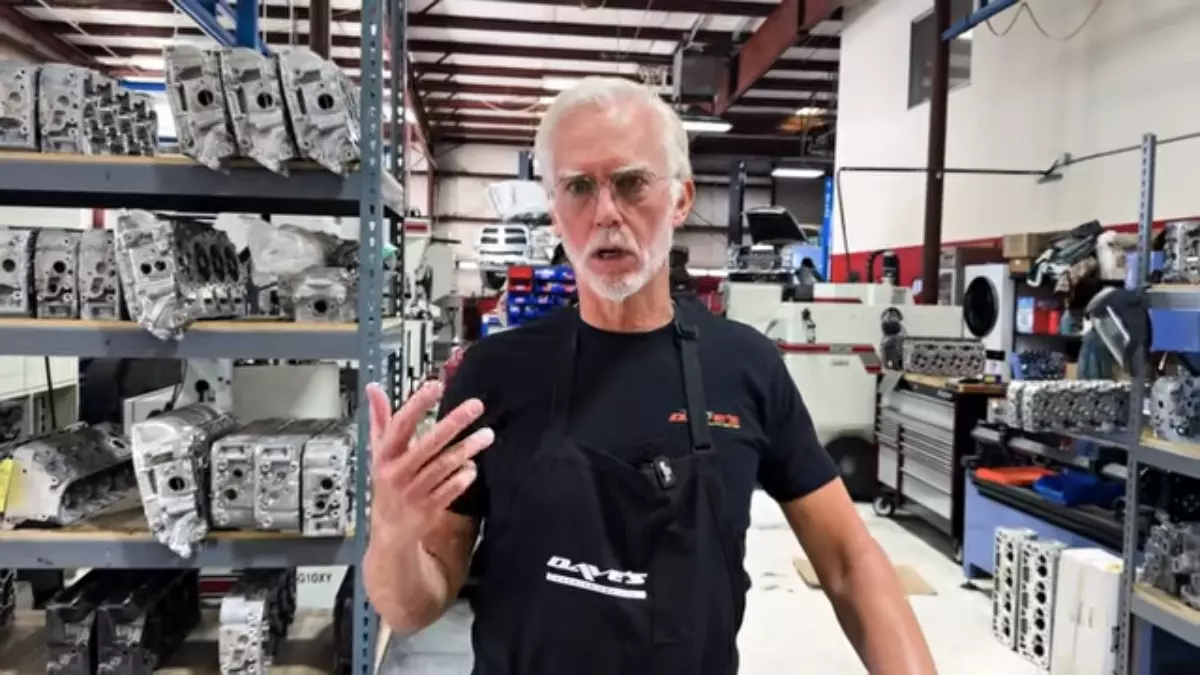
The fifth-generation Cummins 6.7 remains one of the most capable diesel truck engines on the market. Its torque output, towing performance, and overall durability continue to make it a favorite among heavy-duty truck owners. It’s important to note that millions of Cummins-powered Ram trucks remain on the road and that these three engine teardowns do not necessarily indicate every fifth-generation Cummins will experience failure. Just note that these three engine teardowns seem to have revealed a recurring weakness that owners should not ignore.
The bigger question isn’t whether or why these three engines failed. It’s why three engines with different histories all pointed back to the same valvetrain wear pattern. That’s the point Cummins owners should be paying attention to here.
The post Three Failed Cummins Engines Reveal the Same Hidden Design Flaw appeared first on Pickup Truck +SUV Talk.
