
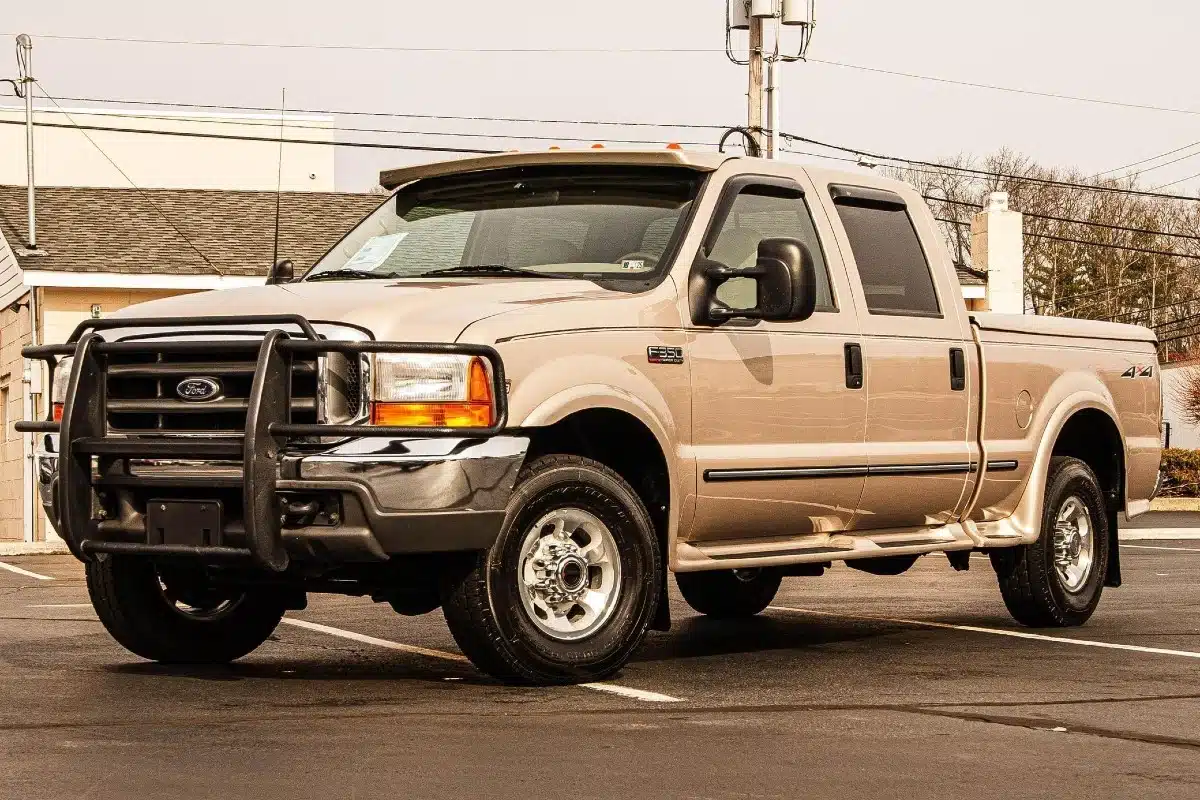
Even though people view their favorite old trucks through rose-colored glasses, the reality is these old vehicles do offer features, style, and comfort touches that have long since proved their value, and still stand out today. In stark contrast to liquid-crystal tinsel we contend with today, even overt gimmicks of classic trucks seem more genuine. Maybe that’s why enthusiasts eulogize trademark features of trucks long-gone, many years or decades later. Here are a few of the things we miss the most.
Front-Row Bench Seats
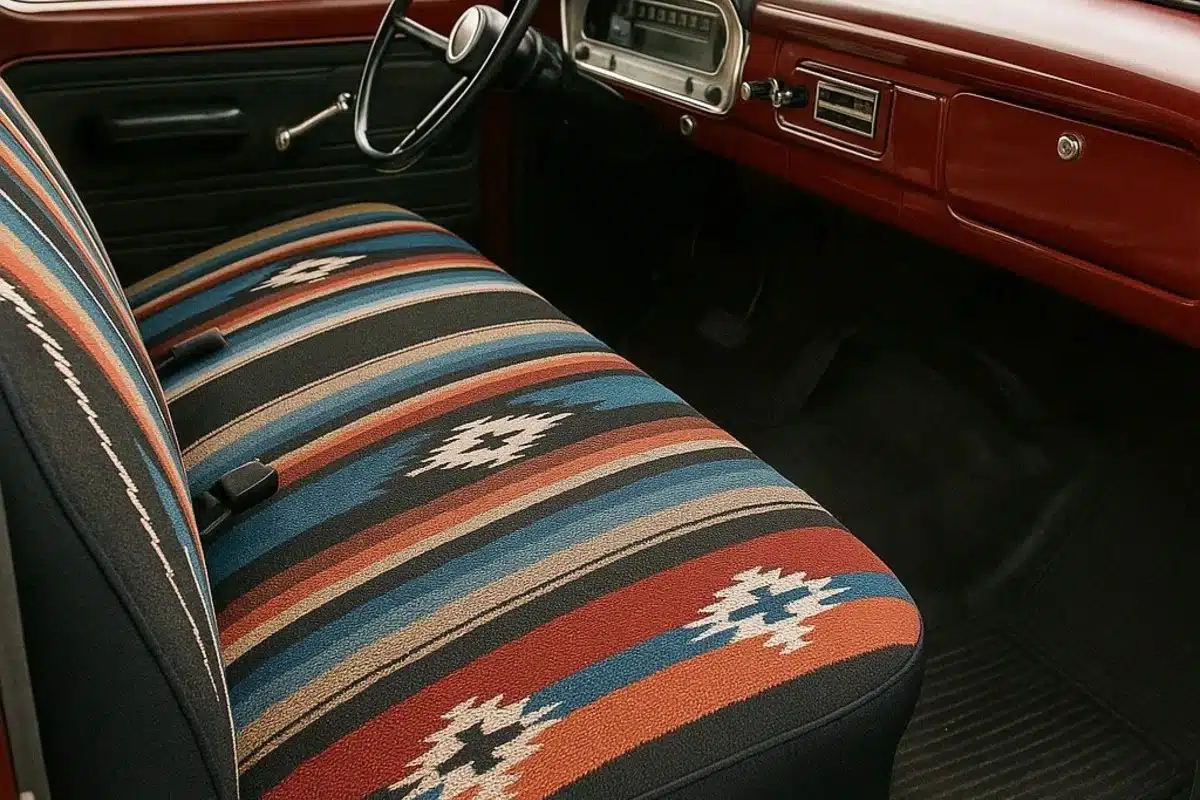
Our first entry is more about nostalgia for classic design than anything else. For decades, American pickups could reliably carry three tradesmen from job to sweaty job with just a single slab of foam for them to sit on. Modern full-size trucks try to get around this using 40/20/40 folding and latching arrangements that turn the center console into something amounting to a third front seat.
Why classic trucks do it better
These do an okay job seating three adults in the front of a full-size half-ton. Still, people who live with them will tell you the clips and latches that convert the center console into a seat are prone to failure. Aftermarket covers for these folding seats are popular precisely because the upholstered leather is prone to premature wear. In most respects, a big old comfy foam bench was a less cumbersome way of doing things — even if it would never meet modern safety standards.
Mechanical Transfer Cases
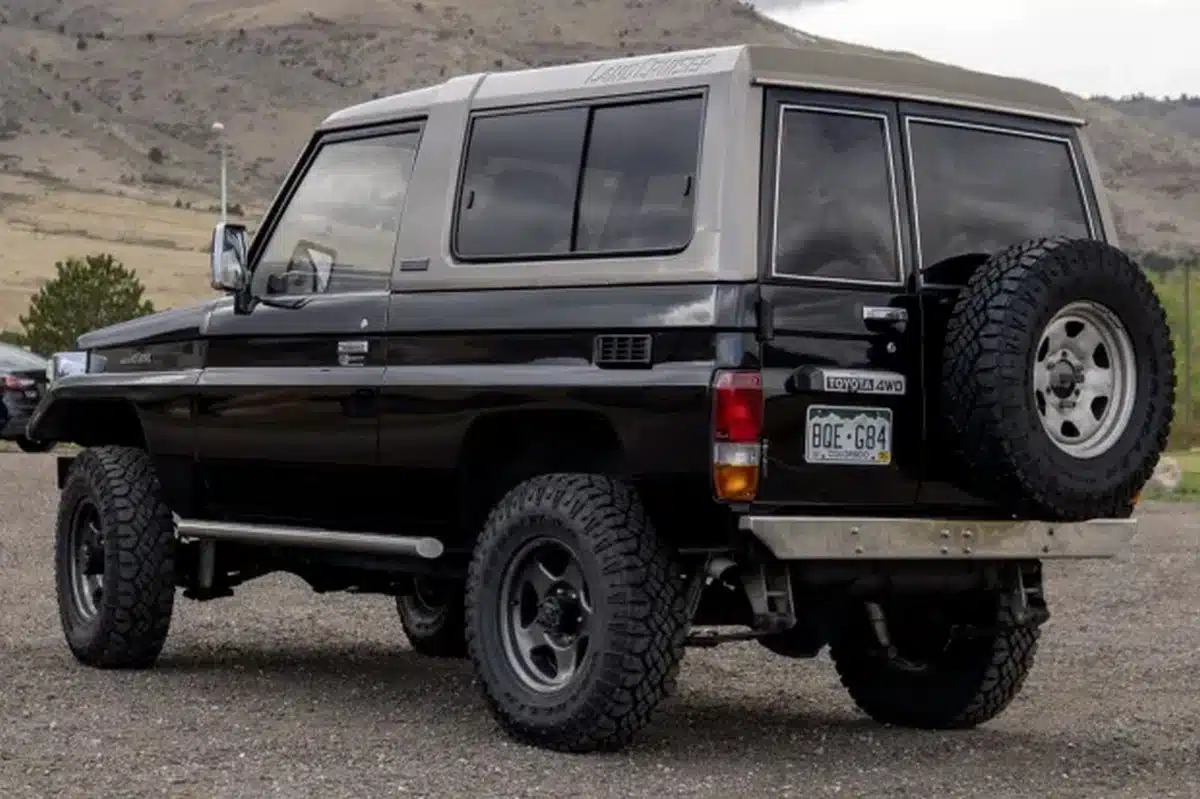
Depending on who you are, the old-fashioned way of operating a mechanical transfer case was either a truck’s most satisfying feature, or its most annoying. Lever-actuated selectable four-wheel-drive with high and low gears requires some serious elbow grease to actuate. In applications like old 4×4 pickups, and even things like Broncos, K5 Blazers, and old Jeeps, this was either the best tactile sensation ever, or a huge pain.
Why classic trucks (often) do it better
In contrast, think about the way modern four-wheel-drive systems work. Often, it’s operated through vague buttons or rotary dials, not connected to anything but CAN-bus-operated servos and actuators. At the best of times, they can feel like they don’t do much of anything. Did it engage 4-hi or 4-low? Did it engage the front axle at all? These are things our parents and grandparents never once had to feel uncertain about. Sometimes, they got out of the truck and locked the hubs themselves.
When those technologies failed? You didn’t need a computer science degree to fix it. Old transfer cases did have their issues, things like worn shift forks and old-fashion fluid leaks. Even then, you didn’t have to take it to the dealer just to fix it because only they have access to proprietary firmware.
Real Switches and Dials
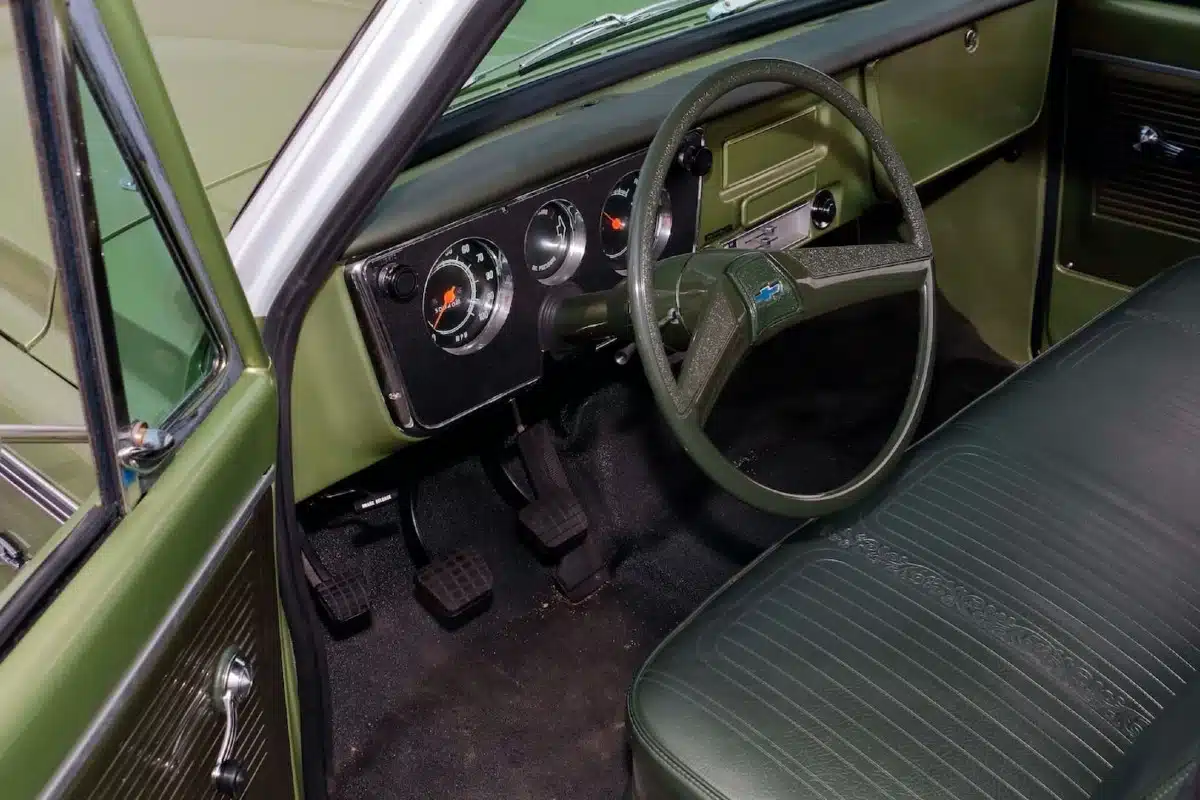
Admittedly, a bit of credit is due to a handful of modern truck interior designers. Some of the better digital gauge cluster and infotainment systems are genuinely impressive in their intuitiveness and snappy touch response. Too often it feels like modern OEMs engineered themselves into a problem, and then raised their truck prices across the board to compensate.
They could’ve spent a lot less money in the first place if almost every truck, including an entry level one, didn’t have a cab full of screens. It’s possible to get around this, namely by buying cheap work trucks from bespoke fleet suppliers (even then, it legally has to have a screen for the reversing camera), but there was a time when the extra hoop jumping was unnecessary. It’s as if rumble packs and other forms of haptic feedback is suddenly the closest thing to real switches some trucks will ever get to.
Why classic trucks do it better
Two or three decades ago, you could waltz into a showroom, pay bottom-dollar for a base full-size Ford, Dodge, or Chevrolet, with hand-crank windows and cloth seats, and guarantee a decade of brutal, reliable driving. There were no center screens, just real switches and analog dials that rarely broke, and not a single wireless firmware update.
It’s another part of truck culture that old-timers never had to so much think about. It’s also why the prices of pre-2010s trucks seem like they will never come down. Beyond annoying modern complexity, a classic bench seat just looks more genuine in its intentions. There’s a romanticism attached to a vinyl-line bench seat that usurps any positive that leather, or aggressive seat bolstering can’t account for. For that reason, you can’t help but think modern single-cab work truck with a proper bench would be nice.
Stepside Truck Beds
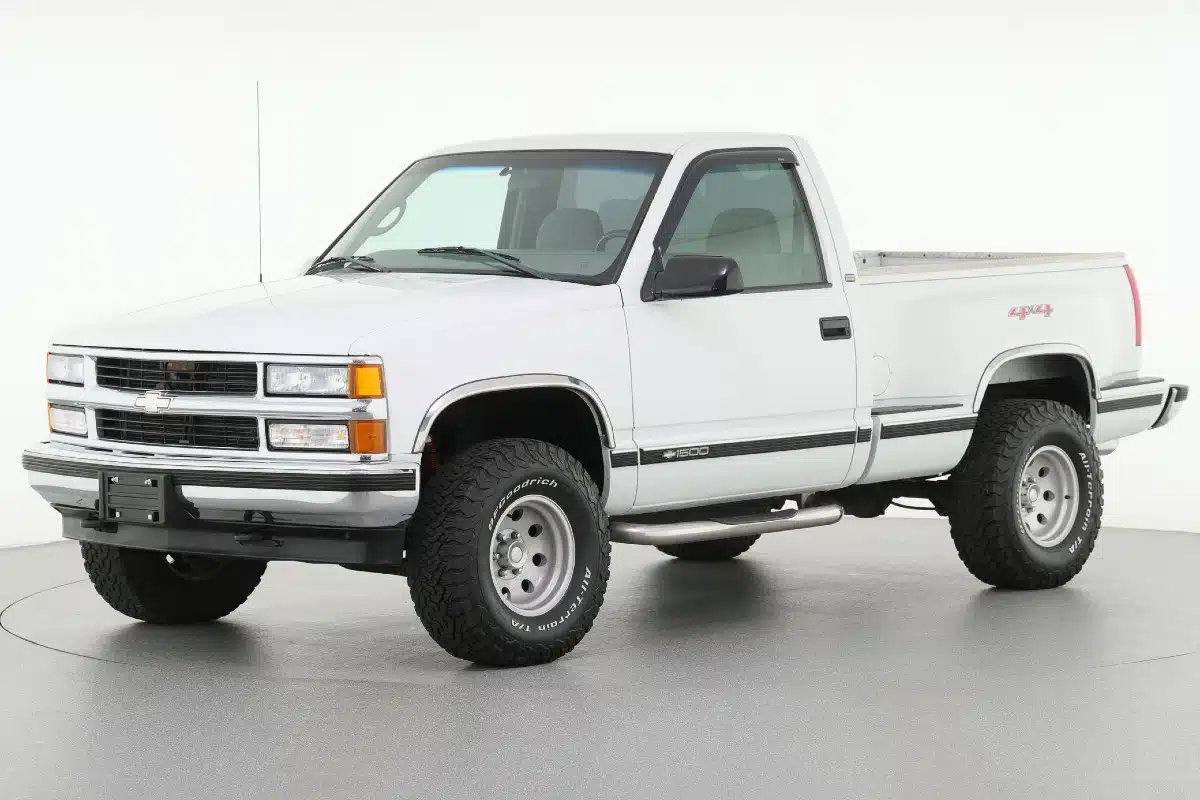
This classic element combines form and function, offering the often useful convenience of accessing the bed via a horizontal platform on the side rather than letting the rear tailgate down. As far back as the mid ’80s, all of Detroit’s big three OEMs offered stepside beds for their full-size truck lineup. Slowly this convenient and attractive feature was lost to time.
The modern Ram platforms never offered a stepside bed, save for a few years in the ‘80s when it shared a platform with the D-series. Ford stopped offering their “Flareside” bed for the F-150 in the late 2000s, as did Chevy with the Silverado Sportside.
Why classic trucks do it better
If you ever see an old stepside truck parked next to one from the 2020s, you’ll notice the bed rails on the older truck seem to fit actual human beings better. Having steel or wood-lined running boards between the cab and the fender gave another layer of useability to what’s already a multi-purpose product.
We tend of think of ergonomics as a problem for computer desk designers, not truck engineers. Maybe it’s not a traditional application of the term, but a stepside truck prove it’s something any consumer engineer contends with. By most approximations, it’s just more practical to lug stuff in or out of the side of the bed, especially if you’re not as tall as Wemby.
You do lose a bit of cargo area, that just can’t be ignored. With that said, even if you’re a numbers kind of person, raw cargo volume isn’t everything. That’s why stepsides are missed so dearly. At least in the looks department, swing-down steps and bumper steps just aren’t the same. Like bench seats, nostalgia makes the difference far less noticable.
Long-Lasting, DEF-Free Powertrains
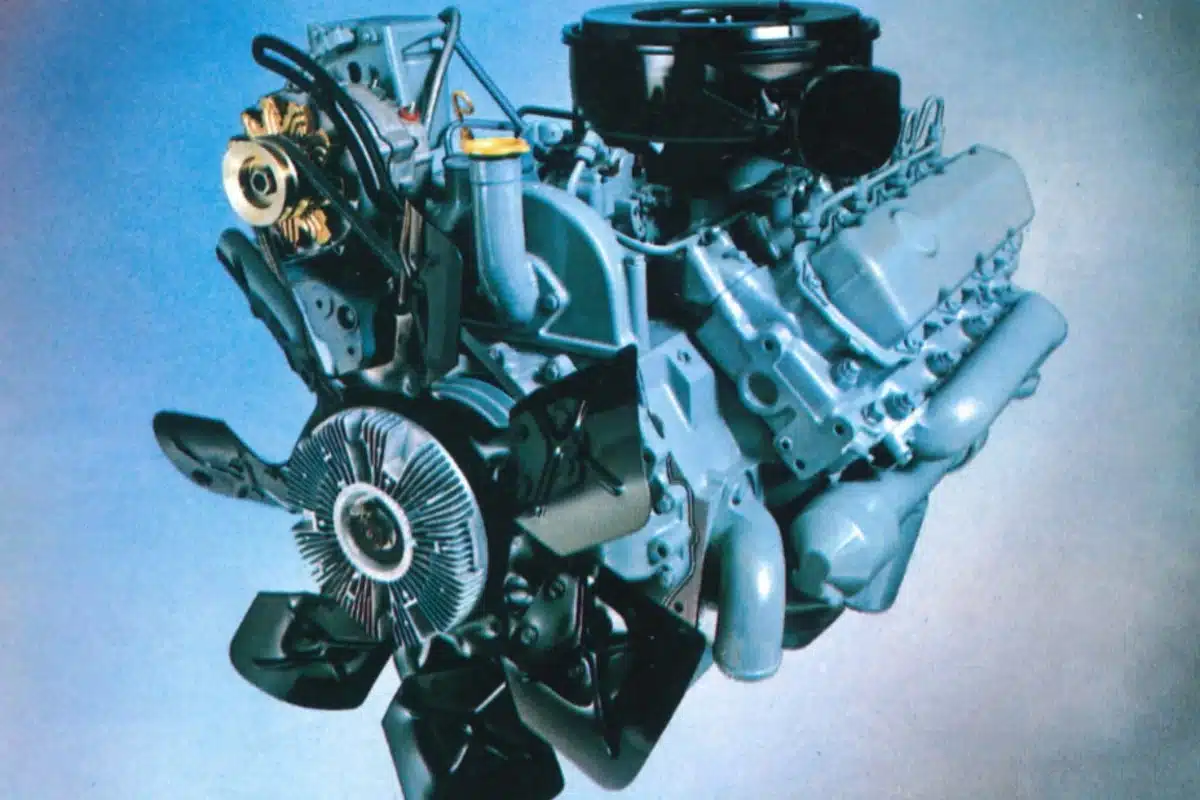
By itself, diesel exhaust fluid is already an expense on top of what you pay to fill the tank in a modern truck. Depending on prices, you can buy a 2.5-gallon container for between $10 and $20, and this reportedly reduces diesel truck emissions by a substantial margin. The real damage starts to emerge when DEF-associated hardware starts failing.
On the face of it, the delicate solution of synthetic urea and deionized water does reduce nitrogen oxide emissions associated with smog. It can also destroy the very heaters, pumps, and sensors that support it, often just before, or just after, the warranty is up. Suffice it to say, this is maddening. We all know how far older turbodiesels could go before they gave out.
Oftentimes, it was close to half-a-million or even a full million mores or more. Watching modern hardware give out so quickly makes old timers long for the old days, and young folks get misty eyed about times before their own. Can you blame them? They’re paying mortgage prices just for a new truck.
Why classic trucks do it better
Take everything above, and hit delete on all of it for any diesel truck built before roughly the late 2000s. Before those years, you could buy a Cummins, Powerstroke, or Duramax full-size diesel truck and be confident it’ll last longer than the frame rails. The further back in time you go, the better steeled you are against most modern truck problems, and DEF is just the tip of the iceberg.
One can only imagine how many diesel shops have a dozen Rams, Silverados, and F-250s filling up the bays with DEF issues. Meanwhile one ancient IDI or Detroit Diesel is getting its mechanical fuel injection rebuilt, and that older truck probably won’t see the shop again any time soon. In all too many cases, you just can’t say the same about recent trucks. That’s nostalgia that doesn’t just live in your brain, it’s the kind you can see, that kind that’s tangible. You can’t put a price on that kind of nostalgia, though many try.
Are the Best Features Behind Us?
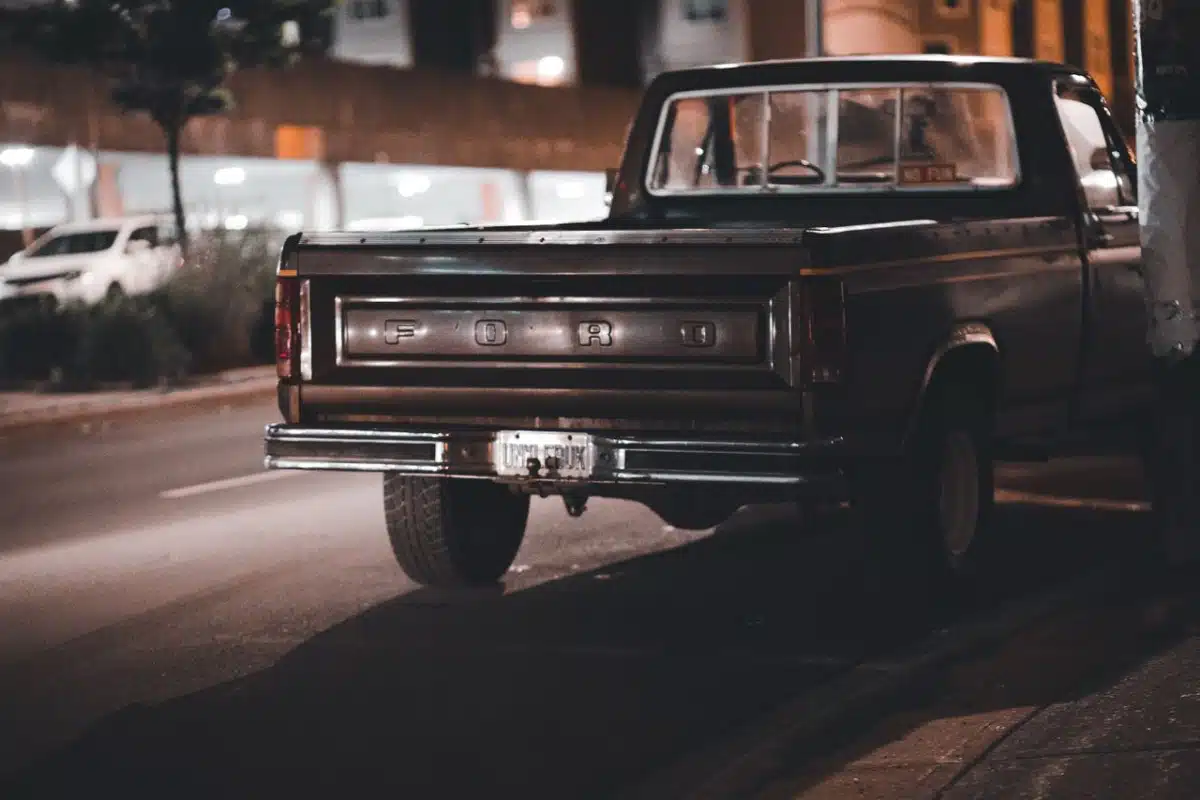
Maybe you drove them when they were new, and miss all the comforts and little things modern trucks lack. Or maybe you’re a young person with an old soul who’s fed up with anything built today and yearn for a more authentic era. Regardless, you’re not liable to see these vintage features return in modern vehicles unless the big automakers can figure out a way to deliver them via over-the-air updates.
The post Top Things We Miss About Old-School Trucks appeared first on Pickup Truck +SUV Talk.
